
 معاينة الحجم الحقيقي
 مشاركة
 مشاركة
 التفاصيل

 تحميل الملف
 قطع مشابهة
 الأشعة السينية
 عرض شرائح
Untitled (D2X6D6)
 Oil On Canvas
- WallArt
- Baroque
 1612
1612- Early Modern
 305.0 x 231.0 cm
 المتحف المتروبوليتاني للفنون
 عرض المزيد
احصل على صورة رقمية عالية الدقة ومعزّنة، بجودة تفوق بكثير المعاينة عبر الإنترنت.
يتم إعداد كل ملف بعناية فائقة من قبل متخصصينا الداخليين باستخدام أدوات متقدمة ولمسات يدوية خبيرة. نضمن أن تتمتع كل صورة بوضوح استثنائي، ودقة لونية متناهية، وتفاصيل دقيقة.
يتم تسليم الملف النهائي عبر البريد الإلكتروني في غضون 72 ساعة، وهو مُحسَّن للاستخدام الفوري في المجالات المهنية والتحريرية ومجالات الطباعة. هذه هي ذات الجودة التي تعتمد عليها كبرى استوديوهات التصميم ودور النشر والمعارض الفنية المرموقة.
صورة رقمية
حمّل ملفاً عالي الدقة للعرض الشخصي، والطباعة، والمشاريع الإبداعية. ( اشترِ نسخة مطبوعة اشترِ لوحة مرسومة يدويًا)
مزايا مُضمّنة في كل طلب صورة رقمية
تسليم رقمي احترافي، مضمون
عندما تختار OriginalUniqueArt.com، فأنت لا تحصل على مجرد صورة فحسب، بل ستحصل على عمل فني رقمي مُحسّن باحترافية، صُمم بدقة متناهية ومصحوب بضمان الرضا. إليك كل ما يتضمنه طلبك تلقائياً:

تسليم سريع عبر البريد الإلكتروني
ستصلك ملفات صورك الرقمية عالية الدقة عبر البريد الإلكتروني في غضون 72 ساعة من إتمام الطلب - لتكون جاهزة للاستخدام الفوري.

ملف رقمي مُحسّن بالذكاء الاصطناعي
يتم تحسين عملك الفني باحترافية باستخدام أدوات الذكاء الاصطناعي المتقدمة والتحرير اليدوي، لضمان أقصى درجات التفاصيل والوضوح ودقة الألوان.

إعادة إرسال مجانية مدى الحياة
هل حذفت ملفك أو فقدته عن طريق الخطأ؟ لا تقلق - سنعيد إرساله إليك في أي وقت، ومجاناً.

بدون رسوم استيراد - على الإطلاق
استمتع بأعمالك الفنية فوراً دون أي رسوم جمركية أو ضرائب أو مصاريف شحن - فالتحميلات الرقمية دائماً ما تكون معفاة من الضرائب.

ضمان دقة الألوان
نحن نضمن أن تعكس صورتك الرقمية الألوان الأصلية بأقصى قدر ممكن من الدقة، وذلك باستخدام أدوات احترافية وتقنيات إدارة الألوان.

ضمان الرضا لمدة 60 يومًا
إذا لم تكن راضياً عن صورتك الرقمية، فسنقوم بتعديلها أو استرداد 100% من قيمتها خلال 60 يوماً - دون أي أسئلة.

ضمان استعادة الأموال بنسبة % 100
لم تكن راضياً؟ احصل على استرداد كامل المبلغ خلال 60 يومًا من استلام ملفك الرقمي - دون أي أسئلة.

خصومات الطلبات الكبيرة
اشتري 3 صور، ووفر 10% - اشتري 5، ووفر 15% - اشتري +10، ووفر 20%. مثالية للمشاريع الإبداعية، والمعارض، والوكالات.
وصف المقتنى الفني
A Roman Echo in Venetian Light: Exploring Carlo Saraceni’s “Untitled (D2X6D6)”
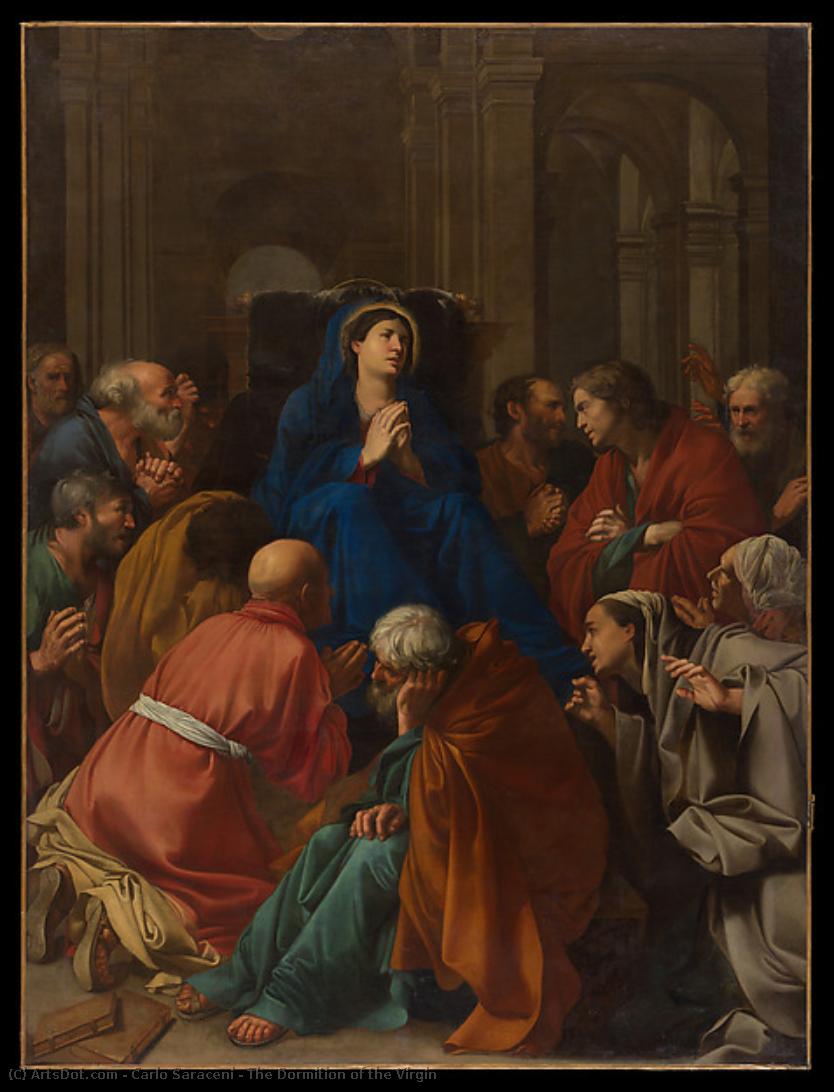
Carlo Saraceni, born in Venice in 1579 and tragically deceased in Rome just two years later, stands as a pivotal figure bridging the stylistic gap between Mannerism and Baroque. While rooted in Venetian artistic traditions—influenced by his upbringing amidst a vibrant milieu of artists—his oeuvre possesses an unmistakable Roman character, reflecting his decisive relocation to the papal capital in 1598 and membership within the prestigious Accademia di San Luca. This duality is powerfully embodied in “Untitled (D2X6D6),” a monumental canvas completed around 1612 that captures a scene of profound spiritual contemplation.- Subject Matter: The painting depicts a solemn religious tableau centered on the Virgin Mary seated upon a chair, radiating serenity and grace. Surrounding her are figures kneeling or bowing in reverence—a testament to her revered status within Christian iconography.
- Style & Technique: Saraceni’s masterful execution aligns squarely with Caravaggio's revolutionary tenebrism – a dramatic interplay of light and shadow that intensifies emotional impact. This technique, adopted early in his career after encountering Elsheimer’s evocative landscapes, prioritizes chiaroscuro to sculpt form and heighten the sense of drama, creating an atmosphere charged with solemnity.
- Emotional Impact: “Untitled (D2X6D6)” succeeds in transporting viewers into a realm of contemplative stillness. The masterful use of tenebrism generates an arresting visual experience, drawing attention to Mary’s figure and amplifying the emotional resonance of the scene. It evokes feelings of peace, reverence, and profound spiritual connection.
- Interior Design Considerations: This artwork's monumental scale and dramatic chiaroscuro would lend itself beautifully to grand interiors—particularly those seeking a touch of solemn elegance and artistic sophistication. Its muted palette – predominantly earthy tones accented by subtle highlights – harmonizes seamlessly with classical architectural styles.
السيرة الذاتية للفنان
The Roman Shadow of Caravaggio
Carlo Saraceni, a name that resonates with the dramatic intensity of the early Baroque era, remains one of the most compelling figures of the seventeenth century. Though his life was relatively brief, spanning from 1579 to 1620, his impact on the Roman art scene was profound. Born in Venice to a family steeped in artistic tradition, Saraceni’s early years were shaped by the meticulous observation and classical ideals inherent in Venetian training. His mastery of both disegno and pictura provided him with a robust foundation, yet it was his departure from the serene traditions of his birthplace that would ultimately define his legacy. Moving to Rome in 1598, he entered a crucible of innovation, joining the prestigious Accademia di San Luca and positioning himself at the heart of a burgeoning artistic revolution.
The trajectory of Saraceni’s career was irrevocably altered by his encounter with the revolutionary techniques of Caravaggio. While he did not merely mimic the master, rather than becoming a mere follower, Saraceni achieved a sophisticated assimilation of tenebrism—the dramatic use of intense light and deep shadow. This mastery of chiaroscuro allowed him to imbue his canvases with an emotional weight and physical presence that captivated both contemporaries and modern scholars alike. His work serves as a bridge between the atmospheric landscapes of Adam Elsheimer and the visceral, human-centric drama of the Caravaggisti movement. In pieces such as The Birth of the Virgin, one can witness this unique synthesis, where divine beauty is rendered through a lens of profound, dramatic lighting and rich, tactile detail.
A Synthesis of Styles and Spirit
Saraceni’s artistic evolution was characterized by a remarkable ability to blend disparate influences into a cohesive, personal language. His early fascination with the landscape paintings of Adam Elsheimer introduced a sense of depth and narrative scale to his work, which he later layered with the heavy, dramatic shadows of the Roman school. This stylistic duality is perhaps most evident in works like Paradise, where the artist successfully merges Venetian artistic traditions with Northern European influences. In this composition, the depiction of the Holy Trinity reflects a pivotal moment in Baroque history, showcasing his ability to handle complex theological themes through a lens of masterful tenebrism.
Beyond the technical brilliance of his brushwork, Saraceni’s work is noted for its profound symbolic depth and emotional resonance. His religious and mythological scenes are rarely mere illustrations; they are psychological explorations. In St Gregory the Great, the meticulous detail of symbolic elements, such as the presence of doves, works in tandem with a starkly lit composition to create an atmosphere of divine intervention and solemnity. This ability to command the viewer's attention through light and shadow ensured his place among the foremost practitioners of his era, earning him a reputation that, while once categorized by historians as a "second-rank" painter, has been rightfully elevated by modern scholarship to recognize his true brilliance.
The historical significance of Carlo Saraceni lies in his role as a pivotal figure within the Roman Baroque movement. His life and work represent the intersection of Venetian grace and Roman drama. Even though he never traveled to France, his cultural reach was expansive, evidenced by his fluency in French and an aesthetic sensibility that resonated with international tastes. Today, his masterpieces reside in some of the world's most esteemed collections, such as the Palazzo del Quirinale and the Galleria Nazionale d'Arte Antica, serving as enduring testaments to a painter who mastered the art of capturing the divine within the shadows.

كارلو ساراسيني
1579 - 1620 , إيطاليا
لمحة سريعة
- Artistic Movement Or Style: الباروك المبكر؛ التينبريسم (الأسلوب التعتيمي)
- Artists Or Movements Influenced By This Artist: ['الكارافاجيوية']
- Artists Who Influenced This Artist:
- آدم إلشيمر
- كارافاجيو
- Date Of Birth: البندقية، إيطاليا (1579)
- Date Of Death: روما (1620)
- Full Name: كارلو ساراسيني
- Nationality: إيطالي
- Notable Artworks:
- القديس غريغوريوس الكبير
- ميلاد العذراء
- فينوس ومارس
- Place Of Birth: البندقية

