

 معاينة الحجم الحقيقي
 مشاركة
 مشاركة
 التفاصيل

 تحميل الملف
 قطع مشابهة
 الأشعة السينية
 عرض شرائح
Pietà


 عرض المزيد
طباعة جيلي / مطبوعات فنية
طباعة جيكلي أو كانفاس بجودة المتاحف، مع سرعة في التنفيذ وخيارات متنوعة للتشطيب. ( اشترِ لوحة مرسومة يدويًا اشترِ الصورة)




P118B $10

P118H $10

P118W $10

P438Z $10

P508JH $12

P508YH $12

P805H $10

P805Z $10

P919BZ $10

P919G $10

P919XJ $10

P959ZH $10

P968JZ $12

W106C $8

W218G $10

W218JH $8

W218Y $10

W307PJ $10

W316G $10

W316PJ $8

W316Y $10

W398PJ $8

W4111J $10

W500HY $15

W500JH $15

W692G $12

W849H $8

W940BG $15

W953PJ $8




اختر من بين أحجامنا المُعدّة مسبقًا والتي تتطابق مع النسب الأصلية للعمل الفني.

يمكنك إدخال أبعادك الخاصة لتناسب إطاراً أو مساحة معينة. وإذا لم يتطابق الحجم الذي اخترته مع نسب الصورة الأصلية، فسنقوم إما بقص العمل الفني أو تمديد الصورة باستخدام حافة معكوسة أو بلون مصمت. سيتم إرسال نموذج تجريبي رقمي لاعتمادك قبل بدء الإنتاج.
يرجى ملاحظة أن المعاينة على الشاشة لا تعكس عملية القص أو التمديد الفعلية؛ حيث سيوضح النموذج التجريبي فقط التكوين النهائي بدقة.
وعلى الرغم من توفر أحجام مخصصة، إلا أننا نوصي باختيار أبعاد من القائمة المحددة مسبقاً للحفاظ على النسب الأصلية.
توصيل عالمي إلى خلال أسبوعين بدلاً من المدة القياسية البالغة 4/5 أسابيع. 3 سبتمبر

شحن سريع ومجاني لجميع أنحاء العالم

قماش كتان عالي الجودة

تأمين شحن شامل

ضمان استرداد الرسوم الجمركية

ضمان مطابقة الألوان الحقيقية

سياسة الإرجاع خلال 60 يومًا (في حالات العيوب فقط)

ضمان استرداد نقدي بنسبة 100%

خصم عند طلب عدة قطع
 خيار الزجاج متاح فقط للمقاسات التي تقل عن 110 سم

Pietà
طباعة جيلي / مطبوعات فنية
مقاس النسخة المطبوعة
-


السعر الإجمالي النهائي
$ 80
A Glimpse of Grief – Carlo Crivelli’s Pietà
Carlo Crivelli's Pietà, a masterpiece housed within the Pinacoteca Vaticana, isn’t merely a depiction of loss; it’s an immersion into profound sorrow and a testament to enduring maternal love. Completed around 1476, this tempera-on-wood panel transcends its religious subject matter to become a deeply human exploration of grief, capturing a moment suspended between earthly suffering and spiritual solace. Crivelli, a Venetian painter known for his late Gothic sensibilities and meticulous detail, masterfully blends the decorative flourishes of his region with a raw emotional intensity rarely seen in his contemporaries.
The scene unfolds within a dimly lit interior, likely a chapel or sanctuary, rendered with an almost dreamlike quality. At its heart lies Jesus Christ, lifeless yet radiating a quiet dignity. His body, draped in simple linen robes, is cradled by the Virgin Mary, her face etched with an anguish that mirrors his own. The composition isn’t one of idealized beauty; instead, it embraces the stark reality of death – the pallor of his skin, the slight distortion of his limbs, and the subtle details of wounds inflicted during his Passion. Crivelli deliberately avoids romanticizing suffering, presenting it with a poignant honesty that resonates deeply with the viewer.
The Language of Sorrow: Technique and Symbolism
Crivelli’s technique is characterized by a remarkable restraint and precision. He employs a meticulous layering of tempera paint, building up textures and details with painstaking care. The use of gold leaf, particularly in the background and highlighting certain elements like Mary's garments, adds a luminous quality to the scene, drawing attention to the central figures while simultaneously emphasizing their vulnerability. Noticeably, Crivelli departs from the prevalent trends of his time, eschewing vibrant colors for a more subdued palette dominated by deep reds, blues, and greens – hues traditionally associated with mourning and solemnity.
Symbolism permeates every aspect of the painting. The three figures surrounding Christ—John the Evangelist, Mary Magdalene, and an unnamed mourner—represent the universal human response to loss. John’s anguished expression mirrors Mary's grief, while Mary Magdalene’s posture conveys a sense of quiet contemplation. The architectural setting, with its arches and columns, evokes a sense of timelessness and spiritual significance. The inclusion of angels in the background, rendered in a more ethereal style, suggests the presence of divine comfort amidst earthly sorrow. Even the carefully chosen drapery—flowing and voluminous—contributes to the overall atmosphere of grief and mourning.
A Renaissance Master’s Vision: Context and Influence
Crivelli's Pietà emerged during a period of significant artistic innovation in Italy, marked by the rise of the Renaissance. While he retained elements of late Gothic style—particularly his preference for decorative detail and meticulous rendering—he also absorbed influences from contemporary artists like Giovanni Bellini and Mantegna. His work reflects a desire to bridge the gap between these diverse styles, creating a unique visual language that is both deeply rooted in tradition and forward-looking in its emotional intensity.
The painting’s provenance – originally part of an altarpiece intended for the high altar of San Domenico at Ascoli Piceno – reveals its original context within a religious setting. It's believed to have been commissioned as a central panel, serving as a focal point for contemplation and devotion. The fact that it survives today is a testament to its enduring power and artistic merit.
Beyond the Canvas: A Timeless Reflection
Carlo Crivelli’s Pietà remains a profoundly moving work of art, offering viewers an opportunity to connect with universal themes of loss, grief, and maternal love. Its masterful technique, evocative symbolism, and emotional depth continue to resonate centuries after its creation. Whether viewed as a religious icon or simply as a powerful depiction of human suffering, the Pietà stands as a testament to the enduring legacy of one of Renaissance Italy’s most gifted artists.
السيرة الذاتية للفنان
البدايات والنشأة الفنية
وُلد الرسام الإيطالي من عصر النهضة، كارلو كريفيللي، في مدينة البندقية في الفترة ما بين 1430 و1435 ميلادية. نشأ كريفيللي في كنف عائلة من الرسامين، مما هيأ له بيئة خصبة للإبداع، حيث تلقى تكوينه الفني في مدينتي البندقية وبادوا. ويُعتقد أن بداياته التدريبية الأولى كانت تحت إشراف المعلم جاكوبيلو ديل فيوري، الذي كان لا يزال نشطاً في عام 1436، كما صقل موهبته بالدراسة في مدرسة فيفاريني العريقة في البندقية.
المسيرة المهنية والأسلوب الفني
قضى كريفيللي سنوات شبابه في منطقة فينيتو، حيث غمر نفسه في عبق التأثيرات الفنية المستمدة من فنانين كبار مثل فيفاريني، وسكوارشوني، ومانتينيا. ومع حلول عام 1458، اتخذ قراراً بالرحيل عن فينيتو ليستقر معظم مسيرته المهنية في منطقة ماركي أنكونا، وهناك بدأ في تطوير أسلوب شخصي فريد ومتميز، يتناقض بوضوح مع الأسلوب الذي اتبعه معاصره البندقي جيوفاني بيليني. وتتجلى عبقرية أعمال كريفيلي في تلك الحساسية الزخرفية المحافظة التي تنتمي لأواخر العصر القوطي، والتي تتميز بدقة الخطوط، والاهتمام المتناهي بالتفاصيل، واستخدامه المذهل لتقنيات "الخداع البصري" أو ما يعرف بـ (trompe l'oeil) لإضفاء واقعية ساحرة على لوحاته.
أبرز الأعمال والتعاون الفني
تعتبر لوحة كريفيللي الشهيرة "العذراء والطفل على العرش" (بأبعاد 106 × 55 سم، والمحفوظة في متحف الفنون الجميلة ببودابست، المجر) نموذجاً مثالياً يجسد جوهر أسلوبه الفني. ولم يكن كريفيللي يعمل بمعزل عن الآخرين، بل تعاون مع شقيقه الأصغر فيتوريو كريفيللي في عدة مشاريع فنية، كما ضم إلى مدرسته وتلاميذه الفنان بييترو أليمانو، وهو رسام هاجر إلى منطقة ماركي أنكونا من ألمانيا أو النمسا، ليكون تلميذاً وزميلاً له في الإبداع.
المتاحف والمجموعات الفنية
تضم بيناكوتا دي بريرا في ميلانو بإيطاليا، مجموعة رائعة من أعمال كريفيلي، بما في ذلك لوحة "البييتا" (128 × 241 سم). كما يحتضن متحف سان جيوفاني إن براغورا في البندقية بإيطاليا، تشكيلة فنية متنوعة من عصور وأساليب مختلفة، تتضمن بعض الأعمال المنسوبة إلى كريفيلي.
- استعرض أعمال كارلو كريفيللي على OriginalUniqueArt.com
- استكشف أعمال جاكوبو روبوستي على OriginalUniqueArt.com
- اقرأ المزيد عن كارلو كريفيللي على ويكيبيديا
إن إرث كريفيلي لا يزال مصدراً لإلهام عشاق الفن والباحثين على حد سواء، حيث تظل أعماله شاهداً حياً على القوة الخالدة للجمال الزخرفي المستمد من أواخر العصر القوطي.

كارلو كريفيللي
1435 - 1495 , إيطاليا
حقائق سريعة
- Artistic Movement Or Style: القوطية المتأخرة/عصر النهضة
- Artists Or Movements Influenced By This Artist: ['جوفاني بيليني']
- Artists Who Influenced This Artist:
- جاكوبيلو ديل فيوري
- فيفاريني
- سكوارشوني
- مانتينيا
- Date Of Birth: حوالي 1430-35 البندقية
- Date Of Death: حوالي 1495 إيطاليا
- Full Name: كارلو كريفيللي
- Nationality: إيطالي
- Notable Artworks:
- العذراء والطفل
- القديس بارثولوميو
- القديس روك
- Place Of Birth: البندقية، إيطاليا
مقالات ذات صلة
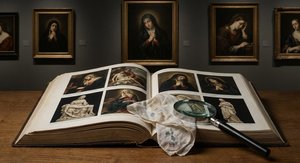
The Visceral Language of Loss: Exploring Grief's Depiction in Art History
Explore the profound history of grief in art with OriginalUniqueArt. Discover Renaissance & Baroque masterpieces depicting loss, mourning, and faith. Expert insights & handmade reproductions available.

Echoes of Loss: Exploring Representations of Grief Across Art History
Explore the profound history of grief in art, from Renaissance masterpieces to Baroque drama. Discover how artists captured loss, mourning & faith through powerful imagery. Expert insights at OriginalUniqueArt.
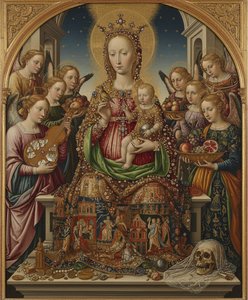
Carlo Crivelli: Mysticism & Materiality in Renaissance Venice
Explore the captivating world of Carlo Crivelli, a Renaissance master blending Gothic detail with profound symbolism. Discover his unique style & lasting influence on Venetian art history.
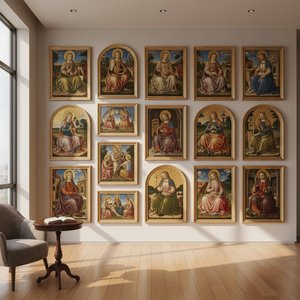
أروع 25 لوحة لفرا أنجليكو: تحف فنية لتزيين منزلك بإشراق سماوي
اكتشف روعة 25 لوحة لفرا أنجليكو، فنان عصر النهضة الإيطالي. استكشف قصصًا فنية وتقنيات زيتية آسرة وألوانًا سماوية. احصل على نسخ فاخرة لتزيين منزلك بجمال خالد. اكتشف جميع الروائع على OriginalUniqueArt.com

Echoes of Absence: Loss & Grief in Visual Art Through the Ages
Explore the profound history of grief in art, from Renaissance masterpieces to contemporary expressions. Discover how artists have captured loss, mourning, and mortality through powerful imagery & symbolism. OriginalUniqueArt offers expert insights.


