

 معاينة الحجم الواقعي
 إرسال
إرسال مشاركة
 عرض التفاصيل
 دليل الأعمال الفنية للطلاب

 تحميل
تحميل
 قطع مشابهة
 الأشعة السينية
 عرض شرائح متتابع
 الإحصائيات
The Angler
 Oil On Canvas
- WallArt
- Romanticism
 25.0 x 18.0 cm
 جماعة الملاحر القدماء
 اقرأ المزيد
طباعة جيلي / مطبوعات فنية
طباعة جيكلي أو كانفاس بجودة المتاحف، مع سرعة في التنفيذ وخيارات متنوعة للتشطيب. ( اطلب نسخة مرسومة يدويًا التحويل إلى الصورة الرقمية)




P118B E£10

P118H E£10

P118W E£10

P438Z E£10

P508JH E£12

P508YH E£12

P805H E£10

P805Z E£10

P919BZ E£10

P919G E£10

P919XJ E£10

P959ZH E£10

P968JZ E£12

W106C E£8

W218G E£10

W218JH E£8

W218Y E£10

W307PJ E£10

W316G E£10

W316PJ E£8

W316Y E£10

W398PJ E£8

W4111J E£10

W500HY E£15

W500JH E£15

W692G E£12

W849H E£8

W940BG E£15

W953PJ E£8




اختر من بين أحجامنا المُعدّة مسبقاً والتي تتوافق مع النسب الأصلية للعمل الفني.

أدخل العرض والارتفاع اللذين تحتاجهما، ليتناسب مع إطارك أو جدارك. يمكن قص المطبوعة فقط، ولا يمكن أبداً جعلها أكبر من الصورة الأصلية، لذا فإن أي مقاس بشكل مختلف سيؤدي إلى فقدان جزء من الصورة. سنرسل لك نموذجاً رقمياً تجريبياً لاعتماده قبل البدء في عملية الطباعة. الصورة المعروضة في هذه الصفحة لا توضح القص الفعلي — النموذج التجريبي فقط هو ما يظهر ذلك.
توصيل عالمي إلى خلال أسبوعين بدلاً من المدة القياسية البالغة 4/5 أسابيع. (25 أكتوبر)

شحن سريع ومجاني لجميع أنحاء العالم

قماش كتان فاخر

تأمين شامل على الشحن

ضمان استرداد الرسوم الجمركية

ضمان دقة مطابقة الألوان

سياسة الإرجاع خلال 100 يوم (في حالات العيوب فقط)

ضمان استرداد نقدي بنسبة 100%

عرض خصم الكميات
 خيار الزجاج متاح فقط للمقاسات التي تقل عن 110 سم

The Angler
طباعة جيلي / مطبوعات فنية
مقاس النسخة المطبوعة
-


إجمالي السعر
E£ 4140
A Moment of Reflection Amidst Bavarian Serenity: Exploring Carl Spitzweg’s “The Angler”
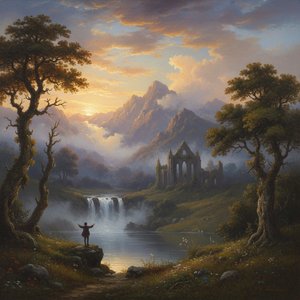
Carl Spitzweg's "The Angler," painted sometime around 1860, embodies the quintessential spirit of Biedermeier art – a genre celebrated for its understated elegance and poignant portrayal of everyday life. More than just a picturesque landscape, this artwork speaks volumes about Romantic ideals of contemplation and communion with nature, offering viewers a glimpse into a tranquil Bavarian scene steeped in symbolic resonance.- Subject Matter & Composition: The painting depicts a secluded grotto nestled amongst towering cliffs and lush foliage. At its heart is a solitary figure – likely a monk or scholar – diligently engaged in writing or studying, accompanied by several others resting peacefully on rocks. This deliberate arrangement underscores the theme of solitude as a catalyst for intellectual pursuit and spiritual introspection.
- Style & Influences: Spitzweg’s approach aligns seamlessly with Romantic artistic sensibilities. Rejecting grand narratives and theatrical displays favored by earlier movements, he prioritizes capturing fleeting moments of beauty and emotion with remarkable sensitivity. His style draws heavily from Flemish masters like Jan Vermeulen and Gerard Terwesten, absorbing their mastery of atmospheric perspective and meticulous attention to detail – techniques crucial for conveying the profound stillness of the landscape.
Technique & Material Considerations
Executed in oil on canvas, “The Angler” exemplifies Spitzweg’s dedication to capturing subtle nuances of light and texture. The artist employs layering and blending skillfully, creating a luminous effect that imbues the scene with an ethereal quality. Loose brushstrokes contribute to the impressionistic style, prioritizing expressive marks over precise representation. Notably, Spitzweg utilizes atmospheric perspective—a technique perfected during this period—to convincingly depict distance, diminishing color intensity and reducing detail in the background elements. This masterful manipulation of visual cues powerfully reinforces the sense of depth and contributes significantly to the artwork’s overall mood.- Color Palette & Texture: The painting's palette leans towards earthy tones – browns, greens, and ochres – punctuated by cool blues and greens dominating the shadowed recesses of the grotto. Spitzweg meticulously builds up texture through varied brushstrokes, simulating the roughness of stone surfaces and the dense foliage of the surrounding trees. These textural choices are not merely decorative; they actively engage the viewer’s senses, transporting them into the depicted environment.
- Symbolism & Emotional Impact: Beyond its aesthetic beauty, “The Angler” carries profound symbolic weight. The solitary figure represents the pursuit of knowledge and spiritual enlightenment amidst the grandeur of nature—a core preoccupation of Romantic artists. The tranquil setting evokes feelings of serenity, peace, and contemplation, inviting viewers to pause and appreciate the restorative power of solitude. Spitzweg’s ability to distill complex ideas into a deceptively simple visual form elevates this artwork beyond mere landscape painting; it becomes an emblem of humanist values and artistic idealism.
A Legacy of Quiet Beauty
“The Angler” stands as a testament to Carl Spitzweg’s enduring contribution to German Romantic art. Its understated elegance, combined with its masterful execution and evocative symbolism, continues to resonate with audiences today. Reproductions crafted by OriginalUniqueArt offer an exceptional opportunity to experience the captivating charm of this iconic piece—a timeless reminder that beauty can be found in the simplest of observations and that true artistic achievement lies in capturing the essence of human emotion within a meticulously rendered landscape.الأسئلة والأجوبة
كيف يرتبط موضوع "The Angler" بالمواضيع المعتادة لدى كارل شبيتزفيغ؟
من بين الثيمات المسجلة لـ كارل شبيتزفيغ - وهي romantic ideals, nature's embrace, biedermeier domesticity, german life, solitude, introspection, quietude, spitzweg's serene landscapes" - يركز عمل "The Angler" بشكل خاص على romantic landscape, solitude & contemplation, grotto scene, nature retreat, 19th century germany, atmospheric perspective, quiet reflection.
ما هي حقوق إعادة إنتاج العمل الفني "The Angler" في جماعة الملاحر القدماء؟
تُعد لوحة "The Angler" للفنان كارل شبيتزفيغ، والمحفوظة في جماعة الملاحر القدماء، من الأعمال التي تندرج ضمن ملك عام - انتهت مدة حماية حقوق الطبع والنشر الخاصة به. وتحدد هذه الحالة مدى إمكانية إنتاج نسخ مكررة من الصورة.
ما هي النبرة العاطفية التي تصاحب أسلوب Romanticism في عمل "The Angler"؟
يحمل "The Angler" نبرة عاطفية Mysterious ضمن حركة Romanticism.
نبذة عن الفنان
حياة مكرسة للملاحظة الرقيقة: عالم كارل شبيتزفيج
ولد كارل شبيتزفيج في قرية بافارية هادئة بالقرب من ميونيخ، وتحديدًا في أنتربفافنهوفن، في الخامس من فبراير عام 1808. لم يكن طريقه نحو الشهرة الفنية تقليديًا بأي حال من الأحوال. فقد قُدّر له في البداية حياة عملية – كمتدرب صيدلي امتثالاً لرغبات والده – لكن القدر تدخل على شكل مرض وتعافي، وخلال هذه الفترة ازدهر شغف كامن بالرسم. لم يكن هذا تحولًا مفاجئًا، بل كان تطورًا تدريجيًا غذته دراسة أعمال أساتذة الفلمنكيين، واستيعاب تفاصيلهم الدقيقة وعمق أجواء لوحاتهم. تميزت السنوات الأولى بالالتزام بواجباته تجاه خطط والده، ولكن حتى في حدود الدراسة الصيدلانية، استمرت ميوله الفنية، مما يشير إلى روح متعطشة للتعبير الإبداعي. كان خلفه العائلي يتمتع برفاهية مريحة؛ فوالده، سيمون شبيتزفيج، تاجر ناجح، ووالدته، فرانزيسكا شموتزر، من عائلة ثرية، قدما له أساسًا مستقرًا، وإن لم يفهما في البداية ميول ابنهما الفنية. الوريث الذي تلقاه في النهاية كان محوريًا، ومنحه الحرية المالية لتكريس نفسه بالكامل للرسم عام 1833.من الصيدلة إلى اللوحة: تطوير صوت فني فريد
كانت الدراسة الذاتية لشبيتزفيج حاسمة في تشكيل أسلوبه المتميز. لم يكن مقيدًا بقيود الأكاديمية أو الاتجاهات السائدة في الرسم التاريخي الكبير؛ بل شق طريقه الخاص، وركز على الحياة اليومية للناس العاديين بروح الدعابة اللطيفة ومهارة الملاحظة الحادة. لم تكن رحلاته عبر أوروبا – إلى براغ وفينيسيا وباريس ولندن وبلجيكا – مجرد جولات سياحية بل دراسات متعمقة للضوء واللون وطبيعة الإنسان. وسعت هذه الرحلات آفاقه الفنية، لكنه ظل راسخًا في الجمالية البيدرميرية، وهو أسلوب يتميز بالحميمية والحياة المنزلية والتركيز على حياة الطبقة الوسطى. استوعب تأثيرات رسامي العصر الذهبي الهولندي مثل نيكولااس بيرخم وغونزاليس كوكيس، ويتضح ذلك في اهتمامه الدقيق بالتفاصيل ولوحاته الترابية الدافئة. ومع ذلك، لم يكن شبيتزفيج مجرد مقلد؛ بل كان يدمج هذه التأثيرات في شيء فريد من نوعه – مزيج من الواقع والخيال والسخرية الخفيفة التي تجسد روح عصره. ساهمت مساهماته المبكرة في المجلات الساخرة في صقل قدرته على تقطير الملاحظات المعقدة إلى سرديات بصرية موجزة وجذابة.سحر البيدرمير: الموضوعات والتقنيات
لوحات شبيتزفيج هي نوافذ تطل على حقبة مضت، وتقدم لمحات عن الحياة الألمانية في القرن التاسع عشر بسحر آسر. برع في تصوير الشخصيات الغريبة – المثقف الضائع في دراسته، والمريض المهووس الذي يستهلكه القلق، وصياد الفراشات المنغمس في سعيه – أفراد يجسدون غرائب وعيوب الطبيعة البشرية. لم تكن هذه صورًا كاريكاتورية تهدف إلى السخرية بل كانت صورًا عاطفية تحتفي بالفردية. الشاعر الفقير، ربما تكون أشهر أعماله، تجسد هذا النهج؛ إنها تصوير مؤثر للوحدة والشغف الفكري، تم تقديمه بحساسية ملحوظة. يتميز أسلوبه بالتفاصيل الدقيقة والفرشاة الرقيقة واستخدام الضوء والظل الماهر لخلق الجو والمزاج. لم يكن مهتمًا بالسرديات الدرامية أو الإيماءات الكبيرة؛ بل وجد الجمال والمعنى في الأمور العادية، ورفع المشاهد اليومية إلى مستوى الفن. لوحاته ليست مجرد تمثيلات للواقع ولكن تفسيرات مشبعة بذكائه اللطيف وفهمه المتعاطف.الإرث والجاذبية الدائمة
يمتد تأثير كارل شبيتزفيج إلى ما وراء عالم الرسم الألماني في القرن التاسع عشر. على الرغم من أنه غالبًا ما يتم تجاهله في الروايات التاريخية الفنية السائدة، إلا أن عمله كان له صدى لدى أجيال من الفنانين والمشاهدين على حد سواء. إن قدرته على التقاط جوهر الحياة اليومية بروح الدعابة والرحمة لا تزال آسرة للجمهور حتى اليوم. تشهد الشعبية الدائمة للوحات مثل صياد الفراشات و نزهة مدرسة الراهبات على جاذبيتها الخالدة. يتضح إرث شبيتزفيج أيضًا في أعمال الفنانين اللاحقين، بما في ذلك نورمان روكويل، الذي أشاد بـ الشاعر الفقير برسمته الخاصة للموضوع. يمكن العثور على لوحاته في المتاحف والمجموعات البارزة حول العالم، بما في ذلك Schackgalerie في ميونيخ ومتحف Wolfgang-gurlitt-museum في لينز بالنمسا، مما يضمن استمرار رؤيته الفنية في إلهام وإمتاع لسنوات قادمة. توفي في الثالث والعشرين من سبتمبر عام 1885، تاركًا وراءه مجموعة غنية من الأعمال – أكثر من 1500 لوحة ورسمة – تقف بمثابة شهادة على موهبته الفريدة ومساهمته الدائمة في عالم الفن.
كارل شبيتزفيغ
1808 - 1885 , ألمانيا
لمحة سريعة
- الأعمال البارزة:
- الشاعر الفقير
- صائد الفراشات
- المريض النفسي
- الاسم الكامل: كارل شبيتزفيغ
- الجنسية: ألماني
- الحركة الفنية: بيدرمير، الرومانسية
- الفنانون المؤثرون: ['أساتذة فلامنديين']
- الفنانون المتأثرون: ['نورمان روكويل']
- تاريخ الميلاد: 5 فبراير 1808
- تاريخ الوفاة: 23 سبتمبر 1885
- مكان الميلاد: أونتربفافنهوفن، ألمانيا
مقالات ذات صلة
Evoking Emotion & Transcendence: Romantic Landscape Painting (18th-19th Century)
Explore the emotional depth of Romantic landscape painting (18th-19th century). Discover key artists like Friedrich & Cole, and the concepts of the sublime. Expert insights for art lovers & collectors.

أفضل 10 لوحات طبيعية رومانسية غيرت مسار الفن وجمّلت الديكور | OriginalUniqueArt
اكتشف 10 روائع فنية رسمت مسار الفن الرومانسي! استكشف لوحات فريدريش، مالارد وأكثر. قصص الفنانين، تقنيات الرسم، وجمال المناظر الطبيعية الخلابة. احصل على أعمال فنية عالية الجودة من OriginalUniqueArt.com!

The Sublime and the Picturesque: Exploring Emotion & Nature in Romantic Landscape Painting
Explore the emotional power of Romantic landscape painting! Discover the sublime & picturesque traditions, key artists like Friedrich & Cole, and find your perfect artwork at OriginalUniqueArt.

Evocations of Place: A Historical Journey Through Landscape Art
Explore the rich history of landscape art with OriginalUniqueArt. Discover renowned artists, movements like Impressionism & Romanticism, and expert guidance for collecting timeless pieces. Find your perfect serene escape today!

Evoking Nature's Sublime: A Comprehensive Exploration of 19th-Century Landscape Painting
Explore the captivating world of 19th-century landscape painting! Discover renowned artists like Friedrich & Monet, key movements, and find the perfect artwork to bring nature's serenity into your home. Expert insights at OriginalUniqueArt.


