
 معاينة الحجم الواقعي
 إرسال
إرسال مشاركة
 عرض التفاصيل
 دليل الأعمال الفنية للطلاب

 تحميل
تحميل
 قطع مشابهة
 الأشعة السينية
 عرض شرائح متتابع
 Q&A
Q&A الإحصائيات
View of Assisi

- 97.0 x 147.0 cm


 اقرأ المزيد
طباعة جيلي / مطبوعات فنية
طباعة جيكلي أو كانفاس بجودة المتاحف، مع سرعة في التنفيذ وخيارات متنوعة للتشطيب. ( اطلب نسخة مرسومة يدويًا التحويل إلى الصورة الرقمية)




P118B E£10

P118H E£10

P118W E£10

P438Z E£10

P508JH E£12

P508YH E£12

P805H E£10

P805Z E£10

P919BZ E£10

P919G E£10

P919XJ E£10

P959ZH E£10

P968JZ E£12

W106C E£8

W218G E£10

W218JH E£8

W218Y E£10

W307PJ E£10

W316G E£10

W316PJ E£8

W316Y E£10

W398PJ E£8

W4111J E£10

W500HY E£15

W500JH E£15

W692G E£12

W849H E£8

W940BG E£15

W953PJ E£8




اختر من بين أحجامنا المُعدّة مسبقاً والتي تتوافق مع النسب الأصلية للعمل الفني.

أدخل العرض والارتفاع اللذين تحتاجهما، ليتناسب مع إطارك أو جدارك. يمكن قص المطبوعة فقط، ولا يمكن أبداً جعلها أكبر من الصورة الأصلية، لذا فإن أي مقاس بشكل مختلف سيؤدي إلى فقدان جزء من الصورة. سنرسل لك نموذجاً رقمياً تجريبياً لاعتماده قبل البدء في عملية الطباعة. الصورة المعروضة في هذه الصفحة لا توضح القص الفعلي — النموذج التجريبي فقط هو ما يظهر ذلك.
توصيل عالمي إلى خلال أسبوعين بدلاً من المدة القياسية البالغة 4/5 أسابيع. (2 نوفمبر)

شحن سريع ومجاني لجميع أنحاء العالم

قماش كتان فاخر

تأمين شامل على الشحن

ضمان استرداد الرسوم الجمركية

ضمان دقة مطابقة الألوان

سياسة الإرجاع خلال 100 يوم (في حالات العيوب فقط)

ضمان استرداد نقدي بنسبة 100%

عرض خصم الكميات
 خيار الزجاج متاح فقط للمقاسات التي تقل عن 110 سم

View of Assisi
طباعة جيلي / مطبوعات فنية
مقاس النسخة المطبوعة
-


إجمالي السعر
E£ 4178
A Vision of Faith Amidst Industrial Change: Exploring Carl Blechen’s “View of Assisi”
Carl Blechen's "View of Assisi," completed around 1832–1835, stands as a remarkable testament to Romantic artistic sensibilities grappling with the burgeoning influence of industrialization. More than just a picturesque landscape, it embodies a profound meditation on spirituality and its relationship to the rapidly transforming world of the early Victorian era—a dichotomy that defines Blechen’s distinctive oeuvre. The painting resides within the Bavarian State Painting Collections at Neue Pinakothek in Munich, Germany, cementing its place as an iconic example of Romantic art.The Landscape as Spiritual Reflection
Blechen eschewed the idealized pastoral landscapes favored by many of his contemporaries, opting instead for a deliberately muted palette dominated by earthy tones—ochres, browns, and greys—that evoke the rugged terrain surrounding Assisi. This choice wasn’t merely aesthetic; it served to underscore Blechen's belief that true beauty resided not in fleeting sensory impressions but in deeper connections with nature and its inherent moral order. The artist meticulously rendered the basilica of San Francesco and its immediate surroundings, capturing the essence of a pilgrimage site revered for its association with Saint Francis—a figure synonymous with humility, compassion, and devotion to God.Technique and Impressionistic Brushstrokes
Blechen’s masterful execution is characterized by loose, expressive brushstrokes that convey movement and atmosphere—a hallmark of Impressionism predating its formal emergence. Unlike the smooth surfaces typical of academic painting, Blechen employed a technique that prioritized capturing fleeting moments of light and color, prioritizing feeling over precise representation. The artist skillfully utilized chiaroscuro – dramatic contrasts between light and shadow – to sculpt the forms of the basilica and surrounding hillsides, enhancing their visual impact and conveying a sense of solemn grandeur. This innovative approach reflects Blechen’s desire to portray not just what he saw but how he *felt* when confronted with the sublime beauty of Assisi.Symbolism: Faith Confronting Progress
The painting's symbolism speaks powerfully to the anxieties of its time. The serene depiction of Saint Francis’s basilica juxtaposed against the backdrop of industrializing Bavaria represents a crucial tension between traditional religious values and the accelerating pace of technological advancement. Blechen subtly suggests that despite the encroachment of industry, faith—embodied in the enduring presence of the basilica—continues to hold sway, offering solace and inspiration amidst societal upheaval. The diffused light filtering through the clouds above Assisi symbolizes divine grace illuminating the earthly realm, reinforcing the painting’s overarching message of spiritual resilience.A Lasting Legacy: Influence Beyond Its Time
“View of Assisi” remains a captivating artwork due to its ability to transcend its historical context and resonate with viewers today. Blechen's pioneering use of Impressionistic brushstrokes paved the way for subsequent artistic movements, establishing him as a pivotal figure in Romantic art history. Furthermore, the painting’s evocative depiction of faith confronting progress continues to inspire contemplation on themes of spirituality, beauty, and the human condition—a timeless exploration that secures its place among the treasures of European art.- Artist: Carl Blechen
- Date: Circa 1832–1835
- Medium: Oil on Canvas
- Location: Neue Pinakothek, Munich
- Blick auf Assisi | Pocket Guide | Alte Pinakothek Unframed
- Carl Blechen
- View of Assisi by BLECHEN, Karl
- File:View of Assisi by Carl Blechen (4280101317).jpg

الأسئلة والأجوبة
ما مدى حدة الألوان في "View of Assisi" للفنان كارل بليشن؟
تتميز شدة ألوان "View of Assisi" بأنها Balanced. وتصف الشدة مدى قوة ووضوح الألوان.
ما مدى تشبع وكثافة الألوان في "View of Assisi" للفنان كارل بليشن؟
تُظهر ألوان "View of Assisi" للفنان كارل بليشن تشبعاً بمستوى Subtle Color مع حدة بلغت Balanced.
ما هو اتجاه لوحة "View of Assisi" للفنان كارل بليشن؟
تأتي لوحة "View of Assisi" بتنسيق Landscape، وهو أمر مفيد عند التخطيط لمكان وضع النسخة المطبعة.
نبذة عن الفنان
ريادة الرومانسية الصناعية: حياة وفن كارل بليشن
كارل إدوارد فيرديناند بليشن، المولود في كوتّبوس بألمانيا عام 1798، يحتل مكانة فريدة وغالبًا ما يتم تجاهلها ضمن تقليد الرسم المناظر الطبيعية. تميزت حياته بالبراعة الفنية والاضطرابات الشخصية على حد سواء، وهي ثنائية شكلت بعمق عمله المثير للإعجاب والرائد. في البداية، قُدّر له أن يخوض مهنة عملية في مجال الخدمات المصرفية بسبب القيود المالية للعائلة، لكن ميوله الفنية الفطرية انتصرت في النهاية. التحق بأكاديمية برلين للفنون عام 1822، وانطلق في طريق سيجعله أحد أوائل الفنانين الذين تعاملوا مع التحديات الجمالية – والإمكانيات – التي قدمتها التصنيع المبكر.
نشأ بليشن في سنواته الأولى في ظل الأفكار الرومانسية التي اجتاحت أوروبا. ومع ذلك، على عكس العديد من معاصريه الذين ركزوا فقط على جمال الطبيعة المثالي أو العظمة التاريخية، كان نظره موجهًا نحو عالم متغير. أثبتت رحلة محورية إلى إيطاليا في الفترة 1828-1829 أنها تحولية. انغمس في ضوء وجو الريف الإيطالي، وصقل مهاراته في الرسم في الهواء الطلق، والتقاط اللحظات العابرة والتأثيرات الدرامية بحساسية ملحوظة. لم تكن هذه الرسومات مجرد دراسات تمهيدية؛ بل كانت مشبعة بطاقة نابضة بالحياة ستتميز أسلوبه الناضج. عاد إلى برلين ليس كرسام ماهر تقنيًا فحسب، بل كفنان يتمتع برؤية متميزة – رؤية سعت إلى التوفيق بين الجمال السامي للطبيعة والواقع المتزايد للحداثة.
التنقل بين التقليد والتحول
يتميز إنتاج بليشن الفني بتوتر مقنع بين الحساسية الرومانسية والواقعية الناشئة. لم يتهرب من تصوير المشهد الصناعي المزدهر، لكنه لم يحتفل به بشكل نقدي أيضًا. تجسد أعمال مثل Bau der Teufelsbrücke (بناء جسر الشيطان)، التي رسمت بين عامي 1830 و 1832، هذا النهج. لا تمجد اللوحة الإنجاز الهندسي؛ بل تقدم مشهد عمل شاق في خلفية درامية، مما يشير إلى طموح الإنسان وإمكانية تعطيل النظام الطبيعي. هذه الاستعداد لمواجهة تعقيدات عصره يميزه عن العديد من معاصريه.
غالبًا ما تتخلل مناظره جو حزين، مما يعكس ليس فقط البيئة المادية المتغيرة ولكن أيضًا صراعاته الداخلية الخاصة. على سبيل المثال، يثير Waldweg bei Spandau (طريق الغابة بالقرب من سباندو) إحساسًا بالوحدة والتأمل الذاتي، مع عرض براعة بليشن في الضوء والظل. استخدم بمهارة المنظور الجوي لخلق العمق والمزاج، وسحب المشاهد إلى المشهد ودعوته للتفكير. لم يكن يسجل ببساطة ما رآه؛ بل كان ينقل استجابة عاطفية له.
عبقري مضطرب وإرث دائم
على الرغم من إنجازاته الفنية، قُصِرت حياة بليشن بشكل مأساوي بسبب المرض العقلي. بعد تعيينه أستاذًا للرسم المناظر الطبيعية في أكاديمية برلين عام 1831 – وهو شهادة على سمعته المتزايدة – بدأ وضعه يتدهور بسرعة بعد عام 1835. اضطر إلى أخذ إجازة وفي النهاية دخول المستشفى، واستمر في إنشاء أعمال فنية حتى وسط معاناته، وإنتاج رسومات مؤثرة تقدم لمحة عن عالمه الداخلي المضطرب. توفي في برلين عام 1840 عن عمر يناهز 41 عامًا.
على الرغم من قصر حياته المهنية نسبيًا، إلا أن تأثير كارل بليشن على الأجيال اللاحقة من الفنانين لا يمكن إنكاره. مهدت تصويراته الرائدة للمناظر الطبيعية الصناعية الطريق للرسامين الواقعيين والانطباعيين اللاحقين الذين سعوا إلى التقاط الوجه المتغير للحياة الحديثة. أظهر أنه من الممكن العثور على الجمال – والمعنى – حتى وسط التحول، وهي درس لا يزال يتردد صداه مع الفنانين اليوم. لا يزال عمله تذكيرًا قويًا بالعلاقة المعقدة بين البشر والطبيعة والتقدم.
أعمال رئيسية ومجموعات
- Im Berliner Tiergarten (حديقة حيوانات برلين)، 1825: مثال مبكر لقدرته على التقاط التأثيرات الجوية والمشاهد اليومية بحساسية رومانسية.
- Waldweg bei Spandau (طريق الغابة بالقرب من سباندو): منظر طبيعي مسكون يجسد إتقانه للضوء والظل والمزاج.
- Bau der Teufelsbrücke (بناء جسر الشيطان)، 1830–32: تصوير رائد للتصنيع المبكر، يعرض طموح الإنسان وتأثيره على العالم الطبيعي.
اليوم، يمكن العثور على أعمال بليشن في مجموعات المتاحف البارزة حول العالم، بما في ذلك Kunsthalle Bielefeld في ألمانيا ومتحف Fitzwilliam في كامبريدج والمعرض الوطني في لندن. تحافظ هذه المؤسسات على إرثه للأجيال القادمة، مما يضمن استمرار رؤيته المبتكرة في إلهام وتحدي المشاهدين.
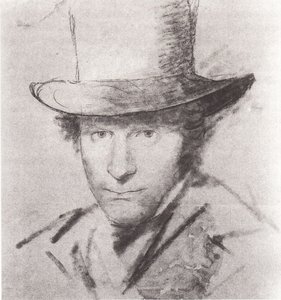
كارل بليشن
1798 - 1840 , ألمانيا
لمحة سريعة
- الأعمال البارزة:
- في حديقة حيوانات برلين
- طريق الغابة بالقرب من سباندو
- بناء جسر الشيطان
- الاسم الكامل: كارل إدوارد فيرديناند بليشن
- الجنسية: ألماني
- الحركة الفنية: الرومانسية
- الفنانون المؤثرون:
- كاسبار دافيد فريدريش
- يوهان كريستيان دال
- تاريخ الميلاد: 29 يوليو 1798
- تاريخ الوفاة: 23 يوليو 1840
- مكان الميلاد: كوتّبوس، ألمانيا
مقالات ذات صلة

Evocations of Place: A Historical Journey Through Landscape Art
Explore the rich history of landscape art with OriginalUniqueArt. Discover renowned artists, movements like Impressionism & tonalism, and expert guidance for collecting timeless pieces. Find your perfect serene escape today!

أفضل 10 لوحات طبيعية رومانسية غيرت مسار الفن وجمّلت الديكور | OriginalUniqueArt
اكتشف 10 روائع فنية رسمت مسار الفن الرومانسي! استكشف لوحات فريدريش، مالارد وأكثر. قصص الفنانين، تقنيات الرسم، وجمال المناظر الطبيعية الخلابة. احصل على أعمال فنية عالية الجودة من OriginalUniqueArt.com!

Evoking Nature's Sublime: A Comprehensive Exploration of 19th-Century Landscape Painting
Explore the captivating world of 19th-century landscape painting! Discover renowned artists like Friedrich & Monet, key movements, and find the perfect artwork to bring nature's serenity into your home. Expert insights at OriginalUniqueArt.

Evocations of Place: A Historical Journey Through Landscape Art
Explore the rich history of landscape art with OriginalUniqueArt. Discover renowned artists, movements like Impressionism & Romanticism, and expert guidance for collecting timeless pieces. Find your perfect serene escape today!

The Sublime and the Picturesque: Exploring Emotion & Nature in Romantic Landscape Painting
Explore the emotional power of Romantic landscape painting! Discover the sublime & picturesque traditions, key artists like Friedrich & Cole, and find your perfect artwork at OriginalUniqueArt.