Romantic Industrialization · 1823
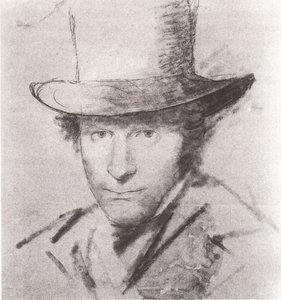
Self-Portrait (كارل بليشن, 1823)
أبدع كارل بليشن (1798–1840) في Self-Portrait. يعود تاريخها إلى 1823. تنتمي إلى حركة Romantic Industrialization. صُنعت من Acrylic. تُحفظ في Nationalgalerie في برلين, ألمانيا. أبعادها 26 × 20 cm
- 1823
- Acrylic
- 26 × 20 cm
- Nationalgalerie, برلين

 معاينة الحجم الواقعي

 لوحة زيتية مرسومة يدوياً
 مشاركة
 مشاركة
 ورقة الحقائق


 تحميل الملف
 قطع مشابهة
 الأشعة السينية
 عرض شرائح
 الأسئلة والأجوبة

 الإحصائيات
Self-Portrait باختصار
- العنوان
- Self-Portrait
- الفنان
- كارل بليشن (1798–1840)
- تاريخ ميلاد الفنان
- كوتبوس, ألمانيا
- التاريخ
- 1823
- الوسيط الفني
- Acrylic
- الأبعاد
- 26 × 20 cm
- أين يمكن مشاهدتها
- Nationalgalerie, برلين, ألمانيا
- الموضوع
- self-portrait, landscape painting, romanticism, german art, baroque style, artist’s vision
ماذا يصور Self-Portrait؟
A Visionary Encounter with Industry’s Dawn
- Subject Matter: This striking self-portrait by Carl Blechen captures a contemplative gaze directed downwards, presenting an image of intellectual introspection amidst the burgeoning industrial landscape. The artist's posture exudes seriousness and thoughtfulness—a deliberate contrast to the prevailing Romantic preoccupation with sublime landscapes.
- Style: Blechen’s work exemplifies the Romantic Industrialization movement, marking a pivotal shift away from traditional artistic conventions. While rooted in Romantic ideals of emotion and imagination, he simultaneously confronts the realities of industrial progress with unflinching honesty. The portrait eschews idealized beauty for a psychologically nuanced depiction.
- Technique: Executed in black and white lithograph printing, Blechen skillfully employs tonal gradation to convey depth and texture. Lithography, a relatively new technique at the time, allowed for precise reproductions of detail—a testament to Blechen’s artistic vision and his willingness to experiment with innovative methods.
- Historical Context: Created in 1823, this portrait emerged during a period of intense social and intellectual ferment. The Industrial Revolution was reshaping Europe, prompting artists like Blechen to grapple with questions of modernity, alienation, and the human condition. It reflects a broader artistic dialogue concerning how nature and humanity coexist within an evolving world.
- Symbolism: Beyond its formal representation, the self-portrait carries symbolic weight. The downward gaze suggests introspection and contemplation—a desire to reconcile Romantic idealism with the tangible pressures of industrial society. Furthermore, the suit symbolizes professionalism and social responsibility, mirroring Blechen’s own aspirations as he navigated his artistic career.
Lithograph Printing: A Revolutionary Medium
The choice of lithograph printing was particularly significant for Blechen's time. Unlike oil paints or watercolor—the dominant mediums of the Romantic era—lithography offered unparalleled precision and tonal control. Developed in France during the preceding decade, it allowed artists to achieve photographic realism without resorting to camera obscura techniques. This method ensured that Blechen’s portrait would retain its intricate detail and expressive atmosphere for generations to come.Romantic Industrialization: Bridging Imagination and Reality
Blechen's artistic trajectory represents a fascinating intersection between Romantic idealism and the burgeoning realities of industrialization. While acknowledging the sublime beauty of nature—a hallmark of Romantic art—he simultaneously recognized its vulnerability to encroachment by technological advancements. This duality is powerfully conveyed in his self-portrait, prompting viewers to consider the complexities inherent in reconciling aesthetic ideals with societal transformations.Emotional Resonance: A Portrait of Quiet Contemplation
Ultimately, Blechen’s self-portrait transcends mere visual representation; it communicates a profound emotional resonance. The artist's gaze—directed downwards—suggests a preoccupation with internal reflection and a yearning for understanding amidst the turbulent currents of his era. It invites contemplation on themes of identity, purpose, and the enduring human spirit—a timeless message that continues to captivate audiences today.أي متحف يضم Self-Portrait؟
Nationalgalerie
برلين, ألمانيا
حوار الأشكال: رحلة في أعماق المعرض الوطني ببرلين في قلب "جزيرة المتاحف"، ذلك الموقع المدرج ضمن قائمة التراث العالمي لليونسكو، لا يقف المعرض الوطني في برلين كمجرد مستودع للفنون فحسب، بل يتجلى كشاهد حي على تحول الرؤى وقوة التعبير الفني الخالدة. ومن خلال ثلاثة مبانٍ متميزة – تضم المعرض الوطني القديم (Alte Nationalgalerie)، والمعرض الوطني الجديد (Neue Nationalgalerie)، ومتحف بيرغروين (Berggruen Museum) – يقدم هذا المجمع رحلة متنوعة بشكل مذهل عبر تاريخ الفن الأوروبي، ممتدة من العصر الرومانسي وصولاً إلى منتصف القرن العشرين. ويجسد كل فضاء فلسفة معمارية ورؤية تقييمية فريدة، مما يخلق تجربة تجمع بين التحفيز الفكري واللمسة الوجدانية العميقة.


صور عالية الدقة لـ Self-Portrait

كارل بليشن, Self-Portrait (1823), Nationalgalerie. ملك عام
أسئلة وإجابات حول Self-Portrait
أين تُعرض "Self-Portrait" للفنان كارل بليشن اليوم؟
تُحفظ النسخة الأصلية من "Self-Portrait" للفنان كارل بليشن في Nationalgalerie, برلين, ألمانيا، بينما تتيح لك هذه النسخة المطبوعة عرض العمل الفني في منزلك.
في أي عام أُبدع العمل "Self-Portrait" للفنان كارل بليشن؟
يعود تاريخ "Self-Portrait" إلى عام 1823، وهو ما يضع العمل ضمن المسيرة المهنية لـ كارل بليشن وفي سياق حقبته الزمنية.
ما هي التقنية المستخدمة في صنع "Self-Portrait"؟
تعتمد التقنية المستخدمة في "Self-Portrait" للفنان كارل بليشن على Acrylic، وتهدف النسخ المطبوعة إلى محاكاة مظهر هذه التقنية.
ما هي أبعاد "Self-Portrait" للفنان كارل بليشن في الواقع؟
تبلغ أبعاد العمل الأصلي "Self-Portrait" للفنان كارل بليشن 26 x 20 cm.
ماذا يصور "Self-Portrait"؟
تتمثل موضوعات "Self-Portrait" في self-portrait, landscape painting, romanticism, german art, baroque style, artist’s vision, psychological depth.
هل يمكن إعادة إنتاج صورة "Self-Portrait" للفنان كارل بليشن بحرية؟
أما بخصوص حقوق الطبع والنشر، فإن "Self-Portrait" تندرج ضمن ملك عام - انتهت مدة حماية حقوق الطبع والنشر الخاصة به.
من هو الفنان الذي أبدع "Self-Portrait"؟
الفنان الذي أبدع عمل "Self-Portrait" هو كارل بليشن، والعمل مُدرج تحت اسم كارل بليشن.
إلى أي حركة فنية ينتمي العمل "Self-Portrait" للفنان كارل بليشن؟
ينتمي العمل "Self-Portrait" إلى مدرسة Romantic Industrialization، وهي المدرسة التي تمثل التقليد الفني الذي يندرج ضمنه هذا العمل.
إلى أي مرحلة من مسيرة كارل بليشن الفنية تنتمي لوحة "Self-Portrait"؟
تندرج لوحة "Self-Portrait" ضمن مرحلة Early Romanticism من مسيرة كارل بليشن المهنية، وهي مرحلة تتيح مقارنة هذا العمل بأعمال الفنان الأخرى.
عن الفنان، كارل بليشن
1798–1840, ألمانيا
كارل بليشن
ريادة الرومانسية الصناعية: حياة وفن كارل بليشن كارل إدوارد فيرديناند بليشن، المولود في كوتّبوس بألمانيا عام 1798، يحتل مكانة فريدة وغالبًا ما يتم تجاهلها ضمن تقليد الرسم المناظر الطبيعية. تميزت حياته بالبراعة الفنية والاضطرابات الشخصية على حد سواء، وهي ثنائية شكلت بعمق عمله المثير للإعجاب والرائد. في البداية، قُدّر له أن يخوض مهنة عملية في مجال الخدمات المصرفية بسبب القيود المالية للعائلة، لكن ميوله الفنية الفطرية انتصرت في النهاية. التحق بأكاديمية برلين للفنون عام 1822، وانطلق في طريق سيجعله أحد أوائل الفنانين الذين تعاملوا مع التحديات الجمالية – والإمكانيات – التي قدمتها التصنيع المبكر.
وأيضاً لـ كارل بليشن
 Sanssouci Palace1830
 The Interior of the Palm House on the Pfaueninsel Near Potsdam1834
 Tarantella1830
 Afternoon on Capri1829
مقالات حول Self-Portrait
 The Echo of Self: Reflectivity as a Core Theme in Art History & Contemporary PracticeExplore the rich history of self-representation in art, from Renaissance masters to modern innovators. Discover how artists use portraiture…
 The Inner Landscape: Exploring Themes of Introspection in Visual Art Across Movements & ErasExplore the captivating world of introspective art! Discover how artists across eras – from Rembrandt to Kahlo – used self-portraiture to r…
 Romantic Realism's Finest: 10 Masterpieces for Your Home | OriginalUniqueArtExplore 10 defining masterpieces of Romantic Realism! Discover Courbet, Millet & Daumier's powerful paintings—capturing emotion and social …