

 معاينة الحجم الواقعي
 إرسال
إرسال مشاركة
 عرض التفاصيل
 دليل الأعمال الفنية للطلاب

 تحميل
تحميل
 قطع مشابهة
 الأشعة السينية
 عرض شرائح متتابع
 الإحصائيات
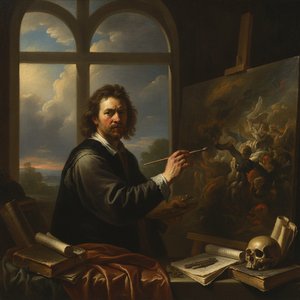
Self-Portrait
 Oil On Panel
- Baroque Painting
 1645
1645 65.0 x 49.0 cm
 متحف بويجمانس فان بيونينغن
 اقرأ المزيد
طباعة جيلي / مطبوعات فنية
طباعة جيكلي أو كانفاس بجودة المتاحف، مع سرعة في التنفيذ وخيارات متنوعة للتشطيب. ( اطلب نسخة مرسومة يدويًا التحويل إلى الصورة الرقمية)




P118B E£10

P118H E£10

P118W E£10

P438Z E£10

P508JH E£12

P508YH E£12

P805H E£10

P805Z E£10

P919BZ E£10

P919G E£10

P919XJ E£10

P959ZH E£10

P968JZ E£12

W106C E£8

W218G E£10

W218JH E£8

W218Y E£10

W307PJ E£10

W316G E£10

W316PJ E£8

W316Y E£10

W398PJ E£8

W4111J E£10

W500HY E£15

W500JH E£15

W692G E£12

W849H E£8

W940BG E£15

W953PJ E£8




اختر من بين أحجامنا المُعدّة مسبقاً والتي تتوافق مع النسب الأصلية للعمل الفني.

أدخل العرض والارتفاع اللذين تحتاجهما، ليتناسب مع إطارك أو جدارك. يمكن قص المطبوعة فقط، ولا يمكن أبداً جعلها أكبر من الصورة الأصلية، لذا فإن أي مقاس بشكل مختلف سيؤدي إلى فقدان جزء من الصورة. سنرسل لك نموذجاً رقمياً تجريبياً لاعتماده قبل البدء في عملية الطباعة. الصورة المعروضة في هذه الصفحة لا توضح القص الفعلي — النموذج التجريبي فقط هو ما يظهر ذلك.
توصيل عالمي إلى خلال أسبوعين بدلاً من المدة القياسية البالغة 4/5 أسابيع. (22 أكتوبر)

شحن سريع ومجاني لجميع أنحاء العالم

قماش كتان فاخر

تأمين شامل على الشحن

ضمان استرداد الرسوم الجمركية

ضمان دقة مطابقة الألوان

سياسة الإرجاع خلال 100 يوم (في حالات العيوب فقط)

ضمان استرداد نقدي بنسبة 100%

عرض خصم الكميات
 خيار الزجاج متاح فقط للمقاسات التي تقل عن 110 سم

Self-Portrait
طباعة جيلي / مطبوعات فنية
مقاس النسخة المطبوعة
-


إجمالي السعر
E£ 4113
A Window Into the Soul: Carel Fabritius’s “Self-Portrait”
The year is 1645. Within the bustling studio of Rembrandt in Amsterdam, a young artist named Carel Fabritius was meticulously crafting a portrait unlike any seen before. This wasn't merely a likeness; it was an intimate unveiling – the "Self-Portrait," a remarkably candid and profoundly moving depiction of the artist himself. More than just paint on panel, this work offers a rare glimpse into the mind of a man grappling with his craft, his identity, and perhaps, the anxieties inherent in artistic creation. The painting, now housed within the Museum Boijmans Van Beuningen in Rotterdam, is a testament to Fabritius’s burgeoning talent and his willingness to experiment with light, shadow, and the very nature of self-representation.
Fabritius's early work was deeply influenced by Rembrandt, inheriting his masterful use of chiaroscuro – the dramatic interplay of light and dark. However, this self-portrait marks a decisive shift. While retaining Rembrandt’s foundational techniques, Fabritius develops a distinctly personal style, prioritizing color and an almost palpable sense of immediacy. The painting isn't about formal perfection; it’s about capturing a fleeting moment, a particular mood. The loose brushstrokes and slightly asymmetrical composition contribute to this feeling of raw authenticity, as if the artist is offering us not just a portrait, but a fragment of his inner world.
Deconstructing the Image: Technique and Detail
Examining the details reveals Fabritius’s meticulous approach. The painting is executed in oil on panel, a medium that allowed for rich color saturation and subtle gradations of tone – crucial to achieving the dramatic lighting effects characteristic of his style. Notice how he renders the texture of his clothing: the folds of the open-necked shirt, the rough weave of the fabric, all rendered with remarkable precision. The artist’s hands, resting casually on his lap, are particularly noteworthy; they possess a delicate sensitivity and an evident awareness of their own form. The long, curly hair, falling across his shoulders, adds to the sense of relaxed contemplation, while the slightly off-center gaze invites the viewer into a silent conversation.
The background is deliberately dark and indistinct, serving not as a mere backdrop but as a powerful tool for emphasizing the subject’s face. This technique draws our attention directly to Fabritius's features – his thoughtful expression, the subtle lines around his eyes hinting at both intelligence and weariness. The careful modeling of light and shadow creates a three-dimensional effect, giving depth and volume to the image, as if we are truly observing him in person.
A Reflection on Identity and Art
Beyond its technical brilliance, the "Self-Portrait" is imbued with a profound sense of introspection. Fabritius’s contemplative gaze suggests a moment of quiet reflection – perhaps a consideration of his own artistic journey, or simply a pause in the creative process. The painting speaks to the universal human desire for self-understanding and the challenges inherent in defining one's identity. It is a remarkably vulnerable work, offering an unprecedented level of intimacy with its creator.
The historical context further enriches our understanding of this compelling image. Fabritius’s brief but impactful career coincided with the flourishing of Dutch Golden Age painting – a period marked by artistic innovation and a celebration of realism. His association with Rembrandt, coupled with his membership in the Delft School, positioned him within a vibrant artistic community that valued both technical skill and emotional expression. The tragic circumstances surrounding his death—caught in the devastating explosion of the Delft gunpowder magazine—only amplify the poignant beauty of this self-portrait, transforming it into a powerful meditation on life, loss, and the enduring legacy of art.
Bringing Fabritius Home: Reproductions and Legacy
Today, reproductions of “Self-Portrait” are available through OriginalUniqueArt.com, offering art lovers the opportunity to own a piece of this remarkable artistic achievement. These meticulously crafted hand-painted reproductions capture not only the visual details of the original but also its emotional depth and atmospheric quality. Whether displayed in a private residence or a corporate space, this iconic image will undoubtedly serve as a source of inspiration and contemplation for years to come.
For those seeking to delve deeper into the life and work of Carel Fabritius, we encourage you to visit https://en.wikipedia.org/wiki/Carel_Fabritius for further information. And don’t miss the Google Arts & Culture page: https://artsandculture.google.com/asset/self-portrait/JwGBKHEZH4veSA?hl=en, where you can explore high-resolution images and learn more about this extraordinary artist.
الأسئلة والأجوبة
ما هو الحجم الواقعي لـ "Self-Portrait" للفنان كاريل فابريتيوس؟
تبلغ أبعاد "Self-Portrait" في شكلها الأصلي 65 x 49 cm. وتُعد الأبعاد الأصلية مرجعاً مفيداً عند اختيار حجم النسخة المطبوعة.
إلى أي مرحلة من مراحل تطور كاريل فابريتيوس ينتمي العمل "Self-Portrait"؟
"Self-Portrait" represents the Mature Period of كاريل فابريتيوس.
ما نوع العمل الفني "Self-Portrait"؟
" Self-Portrait " هي قطعة من نوع wall art.
نبذة عن الفنان
حياة مضيئة باختصار: عالم كarel Fabritius الغامض
Carel Fabritius، اسم يهمس به خبراء العصر الذهبي الهولندي بتقدير عميق، لا يزال شخصية غامضة على الرغم من التأثير العميق الذي أحدثته حياته المهنية القصيرة على تطور الرسم. ولد في Middenbeemster عام 1622، وفُقد بشكل مأساوي في انفجار بارود دلفت عام 1654 عن عمر يناهز اثنين وثلاثين عامًا فقط، ترك Fabritius وراءه مجموعة أعمال صغيرة ولكنها قوية بشكل مكثف تستمر في إبهار وإلهام. لوحاته ليست مجرد تمثيلات للواقع؛ إنها تحقيقات في الضوء والإدراك وجوهر التجربة البصرية.
بدأت رحلة Fabritius الفنية داخل البيئة الرعاية لمنزله العائلي. كان والده، Pieter Carelsz Fabritius، رسامًا بنفسه - مدرسًا أيضًا يمارس حرفته، وغرس في Carel الصغير تقديرًا مبكرًا للفنون. قاده هذا الأساس إلى أمستردام حوالي عام 1641، حيث دخل ورشة Rembrandt van Rijn. على الرغم من أن المدة الدقيقة لتدريبه لا تزال موضع نقاش، إلا أن تأثير المعلم لا يمكن إنكاره. ومع ذلك، لم يكن Fabritius مجرد مقلد. سرعان ما بدأ في شق طريقه الخاص، والانحراف عن التينبريزم المميز لـ Rembrandt وتطوير أسلوب فريد يعطي الأولوية للوضوح والتناغمات الباردة وملاحظة علمية تقريبًا لتأثيرات الضوء.
مدرسة دلفت ورؤية مميزة
بعد فترة مع Rembrandt، استقر Fabritius في دلفت، وأصبح عضوًا في نقابة الرسامين المحلية عام 1652. هنا، داخل المجتمع الفني المزدهر المعروف باسم مدرسة دلفت، ازدهرت صورته الناضجة حقًا. على عكس العديد من معاصريه الذين ركزوا على السرد التاريخي الكبير أو مشاهد النوع الصاخبة، انجذب Fabritius إلى المساحات الداخلية المنزلية الحميمة ودراسات دقيقة للأشياء اليومية. تتميز لوحاته بهدوء ملحوظ وكثافة هادئة تجذب المشاهد إلى عالم معلق في الزمن.
ما يميز Fabritius هو تلاعبه الماهر بالضوء. لم يصور الإضاءة ببساطة؛ بل *حللها*، والتقط تدرجاتها الدقيقة وقدرتها على تحديد الشكل وخلق جو. أدى هذا الاهتمام بالبصريات إلى تجريبه مع المنظور - غالبًا ما يستخدم وجهات نظر غير عادية تعزز الشعور بالواقعية وتسحب المشاهد إلى المشهد. The Goldfinch، ربما عمله الأكثر شهرة، يجسد هذا بشكل مثالي. التصوير البسيط على ما يبدو لعصفور ذهبي مقيد مقابل جدار أبيض صارخ هو في الواقع قمة لتقنية ترومب لويل والوهم المكاني. يبدو الطائر يحوم خارج مستوى الصورة مباشرةً، وريشه معروض بتفصيل مذهل، بينما يخلق التفاعل بين الضوء والظل إحساسًا ملموسًا بالعمق.
أعمال كبرى وإرث دائم
بالإضافة إلى The Goldfinch، يتضمن عمل Fabritius أعمالًا مقنعة أخرى تعرض رؤيته المميزة. A View of Delft (1652) هي منظر طبيعي ساحر للمدينة، وتشتهر بمنظورها الفريد والتصوير الجوي لعمارة المدينة. اللوحة ليست مجرد سجل طبوغرافي؛ إنها استحضار للمكان، مشبعة بإحساس بالهدوء والجمال الشعري. The Sentry، التي رسمت قبل وفاته بوقت قصير، ربما تكون عمله الأكثر غموضًا - صورة مؤرقة لجندي وحيد تدعو إلى التأمل في موضوعات الواجب والعزلة والطبيعة البشرية.
حياته المهنية القصيرة بشكل مأساوي تعني أنه أنتج حوالي اثنتي عشرة لوحة فقط نجت. ومع ذلك، كان لهذه الأعمال القليلة تأثير كبير على الأجيال اللاحقة من الفنانين. يُعتقد على نطاق واسع أن استخدامه المبتكر للضوء والمنظور قد أثر بعمق على Johannes Vermeer، الذي شارك نفس الاهتمام بالتأثيرات البصرية والمساحات الداخلية المنزلية. يمكن تتبع النغمات الباردة والتصوير الدقيق والهدوء الحميمي الذي يميز روائع Vermeer إلى عمل Fabritius الرائد.
رسام متقدم على عصره
قطع الانفجار في دلفت ليس فقط حياة Fabritius، بل أيضًا مسارًا فنيًا ثوريًا محتملاً. تقدم لوحاته لمحة عن عقل فنان كان يدفع حدود التمثيل ويستكشف جوهر الرؤية والإدراك. بينما كان معاصروه مهتمين غالبًا بالسرد أو الرمزية، ركز Fabritius على العناصر الأساسية للرسم - الضوء واللون والشكل - وإنشاء أعمال مذهلة بصريًا ومحفزة فكريًا.
اليوم، يُعترف بـ Carel Fabritius كشخصية محورية في العصر الذهبي الهولندي، وهو رسام تركت حياته المهنية القصيرة ولكن اللامعة علامة لا تمحى على تاريخ الفن. تستمر لوحاته في الت resonating مع المشاهدين، وتقدم شهادة خالدة لقوة الملاحظة والابتكار والجمال الدائم للضوء.

كاريل فابريتيوس
1622 - 1654 , هولندا
لمحة سريعة
- أعمال بارزة:
- قيامة لعازر
- منظر لديلفت
- الخطاف الذهبي
- الاسم الكامل: Carel Pietersz Fabritius
- الجنسية: هولندي
- الحركة الفنية: فن الباروك
- تاريخ الميلاد: 27 فبراير 1622
- تاريخ الوفاة: 12 أكتوبر 1654
- فنانون أثروا فيه: ['رمبرانت فان رين']
- فنانون تأثروا به: ['يوهانس فيرمير']
- مكان الميلاد: ميدنبييمستر، هولندا
مقالات ذات صلة

أعلى 10 روائع باروكية رسمت مسار الفن وجمالية الديكور | OriginalUniqueArt
اكتشف روائع عصر الباروك! استكشف 10 لوحات فنية خالدة مع كارافاجيو، رامبرانت وغيرهم. تاريخ الفن، أسلوب باروكي مذهل، و ديكور منزلي فاخر. تسوق إعادة إنتاج فني عالي الجودة على OriginalUniqueArt.com

Rembrandt van Rijn: A Life Illuminated – Innovation, Emotion, and the Dutch Golden Age
Explore the life & art of Rembrandt van Rijn, a Dutch Golden Age master. Discover his innovative techniques, iconic paintings like 'The Night Watch', and enduring legacy. Expert insights for collectors & enthusiasts.

أعمال ريمبراند فان راين الخالدة: 25 تحفة فنية آسرة لديكور منزلك
اكتشف 25 تحفة فنية لريمبراند فان راين، رائد العصر الذهبي الهولندي. استكشف قصص لوحاته الشهيرة وتقنيات الرسم المذهلة. احصل على إعادة إنتاج عالية الجودة لديكور منزلك الفاخر على OriginalUniqueArt.com
Dutch Baroque Unlocked: Mastering Chiaroscuro, Epic Drama, and the High-Impact Legacy of Rembrandt
Explore the dramatic power of Dutch Baroque art. Master the secrets of Rembrandt’s chiaroscuro, discover the epic scale of the Golden Age, and learn how to bring high-impact, hand-painted historical masterpieces into your modern collection with expert precision.

Dutch Baroque Masters: 10 Paintings That Shaped an Era | OriginalUniqueArt
Journey through the Golden Age with our guide to the Top 10 Dutch Baroque masterpieces! Explore iconic paintings by Rembrandt, Vermeer & Frans Hals. Find museum-quality art reproductions and elevate your home decor at OriginalUniqueArt.com.