معاينة الحجم الحقيقي
 مشاركة
 مشاركة
 التفاصيل

 تحميل الملف
 قطع مشابهة
 الأشعة السينية
 عرض شرائح
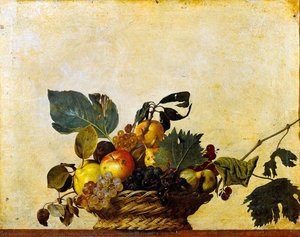
Martha And Mary Magdalene


 عرض المزيد
نسخة زيتية مصنوعة يدوياً
لوحة زيتية مرسومة يدوياً على الكانفاس بالمقاس والإطار الذي تفضله، تُنفذ حسب الطلب على أيدي فنانينا. ( اشترِ نسخة مطبوعة اشترِ الصورة)




P118B $10

P118H $10

P118W $10

P438Z $10

P508JH $12

P508YH $12

P805H $10

P805Z $10

P919BZ $10

P919G $10

P919XJ $10

P959ZH $10

P968JZ $12

W106C $8

W218G $10

W218JH $8

W218Y $10

W307PJ $10

W316G $10

W316PJ $8

W316Y $10

W398PJ $8

W4111J $10

W500HY $15

W500JH $15

W692G $12

W849H $8

W940BG $15

W953PJ $8




اختر من بين أحجامنا المُعدّة مسبقًا والتي تتطابق مع النسب الأصلية للعمل الفني.

يمكنك إدخال أبعادك الخاصة لتناسب إطارًا معينًا أو مساحة محددة. وإذا لم يتطابق الحجم الذي اخترته مع نسب الصورة الأصلية، فسنقوم إما بقص العمل الفني أو توسيع اللوحة بإضافة عناصر مرسومة يدويًا. سيتم إرسال نموذج رقمي إليك للموافقة عليه قبل بدء الإنتاج.
يرجى ملاحظة أن المعاينة على الشاشة لا تعكس عملية القص أو التوسيع الفعلية؛ حيث إن النموذج الرقمي وحده هو الذي سيوضح التكوين النهائي بدقة.
وعلى الرغم من توفر أحجام مخصصة، إلا أننا نوصي باختيار أبعاد من القائمة المحددة مسبقًا للحفاظ على النسب الأصلية للعمل الفني.
بعد إتمام الطلب، سيرسل فريق OriginalUniqueArt.com بريداً إلكترونياً للعميل لطلب التعليمات وتزويده بمعاينة تجريبية (mockup).
توصيل عالمي إلى خلال 3 إلى 4 أسابيع بدلاً من المدة المعتادة البالغة 5 أسابيع. (24 أغسطس). جودة لا تهاون فيها.

شحن سريع ومجاني لجميع أنحاء العالم

قماش كتان عالي الجودة

تأمين شحن شامل

ضمان استرداد الرسوم الجمركية

ضمان مطابقة الألوان الحقيقية

سياسة الإرجاع خلال 60 يومًا (في حالات العيوب فقط)

ضمان استرداد نقدي بنسبة 100%

خصم عند طلب عدة قطع
 خيار الزجاج متاح فقط للمقاسات التي تقل عن 110 سم

Martha And Mary Magdalene
خامة إعادة الإنتاج
مقاس النسخة المطبوعة
-


السعر الإجمالي النهائي
$ 300
وصف العمل الفني
The Shadowed Drama of “Martha and Mary Magdalene”
Michelangelo Merisi da Caravaggio’s “Martha and Mary Magdalene,” painted in 1598–99, is not merely a depiction of two sisters; it's a profound meditation on faith, temptation, and the transformative power of grace. Housed within the hallowed halls of the Detroit Institute of Arts, this arresting canvas immediately commands attention with its masterful use of light and shadow – a signature technique known as *tenebrism* that would forever alter the course of Western art. The painting’s genesis lies in Caravaggio's time spent in the service of Cardinal Francesco Maria Del Monte, a discerning patron who championed innovative artistic approaches. This particular commission reflects the cardinal’s interest in exploring themes of virtue and vice, often interwoven within scenes from the New Testament. Caravaggio, already known for his volatile personality and dramatic style, was tasked with creating an image that would both visually resonate and intellectually stimulate. The scene itself is drawn directly from Luke 10:38-42, where Martha, a devout follower of Jesus, criticizes Mary Magdalene for neglecting their shared responsibilities in favor of indulging in worldly pleasures. The painting captures the precise moment of this confrontation, frozen in an intense exchange of words and emotions.- Compositional Dynamics: The figures are arranged within a shallow space, creating a sense of immediacy and drawing the viewer directly into the scene. Martha, positioned on the left, is rendered with sharp detail and a forceful presence, her gaze directed at Mary. Mary, on the right, appears more ethereal, bathed in a softer light that suggests vulnerability and regret.
- Color Palette: Caravaggio’s palette is restrained yet impactful. The dominant colors are deep browns, reds, and ochres, punctuated by flashes of white and gold. These hues contribute to the painting's dramatic atmosphere and heighten the contrast between the figures.
- The Mirror Motif: A key element of the composition is the Venetian mirror reflecting Mary’s face. This device serves as a potent symbol of vanity and self-reflection, suggesting that she is contemplating her past choices and the allure of worldly pleasures.
Mastering Tenebrism and Chiaroscuro
Caravaggio's genius lies not just in his subject matter but also in his revolutionary approach to technique. *Tenebrism*, a term coined by art historian Théodore Mommsen, describes his dramatic use of light and dark – a technique known as *chiaroscuro*. He eschewed the traditional, balanced lighting of Renaissance painting, instead plunging much of the scene into deep shadow while highlighting specific figures with intense beams of light. This creates a powerful sense of drama, emphasizing the emotional intensity of the moment and imbuing the figures with an almost sculptural quality. The light doesn’t illuminate; it *attacks*, forcing the viewer to confront the subjects' expressions and gestures. Caravaggio achieved this effect through meticulous layering of thin glazes of paint, building up the highlights gradually until they appeared to glow from within. This technique demanded incredible speed and precision, as he often worked directly onto the wet plaster of the canvas without preliminary sketches. The Influence of Light:** The light in “Martha and Mary Magdalene” is not merely decorative; it’s a crucial element of storytelling. It highlights Martha's righteous indignation while casting a veil of shadow over Mary, suggesting her moral decline. It also draws attention to the orange blossom held by Mary – a symbol of vanity that she is about to relinquish in favor of a life devoted to Christ.Symbolism and Narrative Depth
Beyond its technical brilliance, “Martha and Mary Magdalene” is rich in symbolic meaning. The orange blossom, prominently displayed in Mary’s hand, represents the fleeting pleasures of earthly existence – beauty, luxury, and sensual indulgence. It's a deliberate allusion to the temptations that led her astray. The mirror reflects not only Mary’s physical appearance but also her inner state—a reflection of her former self, consumed by vanity and worldly desires. Martha, in contrast, embodies virtue and devotion, her face etched with concern for her sister’s salvation. The setting itself – a simple interior space – reinforces the intimacy of the scene and underscores the personal nature of their conflict.- Martha's Role: As the elder sister, Martha represents the established order of faith and righteousness. Her passionate plea is not simply a reprimand but an urgent call to repentance.
- Mary’s Transformation: Mary’s hesitant gesture – holding the orange blossom – suggests a glimmer of hope for redemption. It's a subtle yet powerful indication that she is beginning to recognize the emptiness of her former life.
A Legacy of Dramatic Intensity
“Martha and Mary Magdalene” exerted an immense influence on subsequent generations of artists, shaping the trajectory of Baroque painting and beyond. Caravaggio’s innovative use of light and shadow, his dramatic compositions, and his unflinching portrayal of human emotion paved the way for a new era in art history. Artists like Rembrandt van Rijn and Georges de La Tour adopted and adapted his techniques, creating works that continue to captivate audiences today. The painting's enduring appeal lies not only in its technical mastery but also in its timeless exploration of faith, temptation, and the complexities of human relationships. Reproductions of this iconic masterpiece offer a window into Caravaggio’s genius, allowing viewers to appreciate the profound emotional depth and dramatic intensity that define his work.السيرة الذاتية للفنان
مايكل أنجلو ميريسي دا كافاليجي: فنان الظلال والنور
في قلب عصر النهضة الإيطالية، وفي خضم التحولات الاجتماعية والفنية العميقة، بزغ نجم مايكل أنجلو ميريسي دا كافاليجي، المعروف عالميًا باسم كافاليجي. وُلد في ميلانو عام 1571، وشكلت طفولته المبكرة تحديات جمة بفقدانه والديه وجده بسبب الطاعون المدمر. هذه التجارب المبكرة تركت بصمة واضحة على فنه، حيث انعكست موضوعات المعاناة الإنسانية والمرونة في لوحاته. تلقى كافاليجي تدريبه الأولي في ميلانو تحت إشراف سيموني بيترزانو، تلميذ الفنان العظيم تيتيان، مما أكسبه أساسًا قويًا في تقنيات عصر النهضة. ومع ذلك، سرعان ما تجاوز هذا الأساس التقليدي، ليشق طريقه الخاص الذي أحدث ثورة في عالم الفن.ثورة في الرؤية: التقنية والأسلوب
عندما وصل كافاليجي إلى روما حوالي عام 1592، شهد المشهد الفني الإيطالي تحولًا جذريًا. لقد رفض الأسلوب المانيرستي السائد، الذي يتميز بالأناقة الاصطناعية والأشكال الممدودة، لصالح واقعية لا هوادة فيها صدمت وأسرت الجماهير في آن واحد. كانت أهم ابتكاراته استخدامًا بارعًا للـ"كياروسكورو"، وهو تباين درامي بين الضوء والظلام، والذي ارتقى به إلى مستوى جديد من القوة التعبيرية. غالبًا ما يُشار إلى هذه التقنية باسم "التينبريزم"، ولم تكن مجرد خيار جمالي فحسب، بل كانت وسيلة لتكثيف التأثير العاطفي، وجذب المشاهدين إلى قلب المشهد، وغرس شخصيات فنه بإحساس ملموس بالحضور. لم يكتفِ كافاليجي بالصور المثالية، بل زين لوحاته بأشخاص عاديين من شوارع روما، ليصبحوا نماذج لشخصيات دينية. كان هذا النهج الجريء يتحدى المفاهيم التقليدية للجمال والقداسة، مما جعل المقدس قابلاً للتواصل والإنسانية بعمق. كانت تركيباته غالبًا ما تكون صارخة ومباشرة، وتركز على لحظات درامية محورية، سواء كانت الواقعية الوحشية في "أخذ المسيح" أو التأمل الهادئ في "سان فرانسيس الأسيزي في النشوة".الأعمال الرئيسية والتأثير الدائم
على الرغم من مسيرته المهنية القصيرة نسبيًا، أنتج كافاليجي مجموعة أعمال لا تزال تتردد أصداؤها لدى الجماهير حتى اليوم. تُظهر الأعمال المبكرة مثل "عرافة" (1594) موهبته الناشئة في التقاط التفاصيل الواقعية والفروق النفسية الدقيقة. يعتبر "المأدبة الفوقانية" (1601-1602)، المعروضة في المتحف الوطني بلندن، مثالًا على إتقانه للـ"كياروسكورو" وقدرته على نقل العمق العاطفي الشديد داخل سرد ديني. يُعتبر "داود ورأس جليات" (حوالي عام 1610) مؤثرًا بشكل خاص، وغالبًا ما يُفسر على أنه صورة ذاتية تعكس حالة كافاليجي النفسية المضطربة. امتد تأثيره إلى أبعد من إيطاليا، حيث ألهم جيلًا من الفنانين المعروفين باسم "الكارافاجيستي"، أو "الظلاليون"، الذين تبنوا أسلوبه في جميع أنحاء أوروبا. ومن بين أبرز أتباعه بيتر بول روبنز وجوزيبه دي ريبيرا وغريت فان هونثورست، حيث قام كل منهم بتكييف تقنيات كافاليجي برؤيته الفنية الفريدة.وجود مضطرب وإرث دائم
كانت حياة كافاليجي مضطربة وفوضوية مثل فنه. أدت شخصيته المتقلبة وميوله إلى المشاجرات المتكررة إلى مشاكل مع القانون، بلغت ذروتها في اتهامه بالقتل عام 1606، مما أجبره على الفرار من روما. قضى السنوات الأربع التالية في التجول عبر نابولي ومالطا وصقلية، واستمر في الرسم بينما كان يسعى جاهدًا للحصول على عفو ملكي. على الرغم من جهوده، ظل منبوذًا، يطارده ماضيه ومعارك شخصية. توفي في بورتو إركولي بإيطاليا عام 1610 في ظروف غامضة - لا يزال سبب وفاته موضع نقاش، تتراوح بين الحمى والتسمم. على الرغم من أن حياته قُصّرت، إلا أن الإرث الفني لكافاليجي باقٍ كدليل على رؤيته الثورية وتفانيه الذي لا يتزعزع في الواقعية. لقد تحدى مفاهيم عصره، ومهّد الطريق لمقاربة أكثر حداثة للرسم، وترك بصمة لا تمحى على مسار تاريخ الفن الغربي. تظل أعماله تلهم الرهبة وتحفز التأمل، وتذكرنا بقوة الفن في إضاءة أعمق زوايا التجربة الإنسانية.
كارافاجيو
1571 - 1610 , إسبانيا
حقائق سريعة
- أعمال فنية بارزة:
- قارئة الحظ
- العشاء في إيماوس
- داوود مع رأس جالياث
- القديس فرنسيس في النشوة
- الاسم الكامل: مايكل أنجلو ميريسي دا كارافاجيو
- الجنسية: إيطالي
- الحركة الفنية أو النمط: باروك, تنبريزم
- الفنانون أو الحركات المتأثرة به:
- روبنز
- خوسيبه دي ريبيرا
- كارافاجستي
- الفنانون الذين أثروا فيه:
- تيتيان
- ليوناردو دا فينشي
- مايكل أنجلو
- تاريخ الميلاد: 28 سبتمبر 1571
- مكان الميلاد (مدينة وبلد): ميلانو، إسبانيا
مقالات ذات صلة

أعلى 10 روائع باروكية رسمت مسار الفن وجمالية الديكور | OriginalUniqueArt
اكتشف روائع عصر الباروك! استكشف 10 لوحات فنية خالدة مع كارافاجيو، رامبرانت وغيرهم. تاريخ الفن، أسلوب باروكي مذهل، و ديكور منزلي فاخر. تسوق إعادة إنتاج فني عالي الجودة على OriginalUniqueArt.com

Drama and Light: A Definitive Guide to the Italian Baroque Masterpieces and the Revolution of Chiaroscuro
Explore the dramatic world of Italian Baroque art. Discover how masters like Caravaggio used chiaroscuro and tenebrism to revolutionize painting through light, shadow, and profound realism. A definitive guide for history lovers and art collectors.

The Visceral Stage: Exploring Dramatic Narratives & Emotional Intensity in Baroque Art
Explore the dramatic world of Baroque art! Discover iconic masters like Caravaggio & Rembrandt, their techniques, and the movement's lasting impact. Expert insights for collectors & enthusiasts at OriginalUniqueArt.

The Dramatic Flourish: Exploring the Baroque Movement's Enduring Legacy in Art History
Explore the dramatic world of Baroque art! Discover iconic artists like Caravaggio & Rubens, defining techniques, and its lasting impact on art history. Expert insights for collectors & enthusiasts at OriginalUniqueArt.
Chiaroscuro and Soul: A Definitive Guide to the Drama and Emotion of Italian Baroque Masterpieces
Embark on a sophisticated journey through Italian Baroque art. Discover the dramatic interplay of light and emotion in Caravaggio’s masterpieces and explore how to bring this timeless grandeur into your collection with expert art insights.