
 معاينة الحجم الواقعي
 مشاركة
 مشاركة
 التفاصيل
 دليل
دليل

 تحميل الملف
 قطع مشابهة
 الأشعة السينية
 عرض شرائح
 الأسئلة والأجوبة
 الإحصائيات
Autoportrait

 عرض المزيد
احصل على ملف جاهز للطباعة يتجاوز بمراحل جودة المعاينة عبر الإنترنت؛ فكل صورة رقمية نبيعها مستمدة من نسخة أصلية عالية الدقة في قاعدة بياناتنا — يتراوح عرضها عادةً بين 5,000 إلى 15,000 بكسل — مما يتيح لك الطباعة بأحجام كبيرة، أو الاقتصاص بدقة، أو إعادة إنتاج التفاصيل الدقيقة بكل ثقة.
لا تخرج أي صورة من استوديو الخاص بنا دون أن تمر بعملية معالجة دقيقة؛ حيث يقوم خبير رقمي بمطابقة الألوان مع اللوحة الأصلية وتصحيحها عند الضرورة، ثم يعمل على تحسين الوضوح والتفاصيل باستخدام أدوات ترميم احترافية — مع الحفاظ دائماً على أمانة نقل ضربات فرشاة الفنان وأسلوبه. والنتيجة هي صورة تبدو كأنها اللوحة ذاتها، وليست مجرد مسح ضوئي خاضع للفلاتر.
تتم عملية الاعتماد قبل الإتمام النهائي: حيث يرسل خبيرنا الصورة عبر البريد الإلكتروني في غضون 72 ساعة لمراجعتها من قبلك. هل لم تنل النتيجة إعجابك؟ يمكنك طلب تحسينات أو تصحيحات، أو طلب استرداد الأموال إذا لم تكن الجودة بالمستوى المطلوب.
هذه هي الجودة التي يعتمد عليها الناشرون، واستوديوهات التصميم، والمعارض، والمطابع.
صورة رقمية
حمّل ملفاً عالي الدقة للعرض الشخصي، والطباعة، والمشاريع الإبداعية. ( التبديل إلى نسخة مطبوعة شراء لوحة مرسومة يدويًا)
مزايا مُضمّنة مع كل طلب صورة رقمية
تسليم رقمي احترافي ومضمون
عندما تختار OriginalUniqueArt.com، فأنت لا تحصل على مجرد صورة فحسب، بل ستحصل على عمل فني رقمي مُحسّن باحترافية، صُمم بدقة متناهية ومصحوب بضمان الرضا. إليك كل ما يتضمنه طلبك تلقائياً:

تسليم سريع عبر البريد الإلكتروني
ستصلك ملفات صورك الرقمية عالية الدقة عبر البريد الإلكتروني في غضون 72 ساعة من إتمام الطلب - لتكون جاهزة للاستخدام الفوري.

ملف رقمي مُعزز بالذكاء الاصطناعي
يتم تحسين عملك الفني باحترافية باستخدام أدوات الذكاء الاصطناعي المتقدمة والتحرير اليدوي، لضمان أقصى درجات التفاصيل والوضوح ودقة الألوان.

إعادة إرسال مجانية مدى الحياة
هل حذفت ملفك أو فقدته عن طريق الخطأ؟ لا تقلق - سنعيد إرساله إليك في أي وقت، مجاناً.

بدون رسوم استيراد - على الإطلاق
استمتع بأعمالك الفنية فوراً دون أي رسوم جمركية أو ضرائب أو مصاريف شحن - فالتحميلات الرقمية دائماً ما تكون معفاة من الضرائب.

ضمان دقة الألوان
نضمن لك دقة انعكاس الألوان الأصلية في صورتك الرقمية بأقصى قدر ممكن، وذلك باستخدام أدوات احترافية وتقنيات متطورة لإدارة الألوان.

ضمان الرضا لمدة 100 يوم
إذا لم تكن راضياً عن صورتك الرقمية، فسنقوم بتعديلها أو استرداد 100% من قيمتها خلال 100 يوم - دون طرح أي أسئلة.

ضمان استرداد نقدي بنسبة 100%
لم تكن راضياً؟ استرد كامل المبلغ خلال 100 يوم من استلام ملفك الرقمي - دون طرح أي أسئلة.

خصومات الطلبات الكبيرة
اشتري 3 صور، ووفر 10% - اشتري 5، ووفر 15% - اشتري +10، ووفر 20%. مثالية للمشاريع الإبداعية، والمعارض، والوكالات.
السيرة الذاتية للفنان
Raymond Bonheur: The Quiet Foundation of a Legacy
Raymond Bonheur (1796–1849) remains a somewhat shadowy figure in the annals of 19th-century art, often overshadowed by his more celebrated daughter, Rosa. Yet, to dismiss him as merely a supporting player would be a profound oversight. He was, in fact, a pivotal influence, a landscape and portrait painter deeply rooted in Saint-Simonianism – a utopian Christian socialist movement that profoundly shaped his artistic philosophy and approach. Born into an artistically inclined family—his father, Oscar-Raymond Bonheur, was himself a respected painter—Raymond’s life unfolded against the backdrop of revolutionary France, a period marked by social upheaval and intellectual ferment. His early years were spent in Bordeaux, absorbing the artistic traditions of the region while simultaneously grappling with the complexities of his father's unconventional beliefs. The Saint-Simonian movement, advocating for education reform and social harmony through art, instilled in Raymond a belief in the transformative power of creativity and its potential to contribute to a better world. This conviction led him to abandon a conventional career path and dedicate himself entirely to painting, a decision that ultimately distanced him from his family and children. His departure with the community marked a significant turning point, one that would profoundly impact the lives of those he left behind, including his young daughter Rosa.A Landscape Painter and Saint-Simonian Idealist
Raymond’s artistic style was characterized by a meticulous attention to detail and a deep appreciation for the natural world. He primarily focused on landscape painting and portraiture, often depicting scenes of rural life with remarkable realism. His works are imbued with a sense of tranquility and harmony, reflecting the Saint-Simonian ideal of social unity and spiritual enlightenment. Unlike many of his contemporaries who sought grand historical or mythological subjects, Raymond chose to capture the everyday beauty of the French countryside—rolling hills, verdant fields, and charming villages. His brushwork was precise and controlled, conveying a sense of order and balance. He frequently employed atmospheric perspective to create depth and distance in his compositions, skillfully rendering the effects of light and shadow. While not widely exhibited during his lifetime, Raymond’s paintings were admired by fellow Saint-Simonians who recognized the value of his work as an embodiment of their philosophical principles. His dedication to capturing the essence of nature and promoting social harmony through art established a crucial foundation for Rosa Bonheur's future artistic endeavors.The Influence on Rosa Bonheur’s Artistic Development
Rosa Bonheur’s extraordinary success as a painter of animals owes, in no small part, to her father’s early influence. Raymond provided her with an unparalleled artistic education, fostering her innate talent and instilling in her a deep love for the natural world. He encouraged her to study animal anatomy meticulously, often bringing live animals into their home studio for observation and sketching. This hands-on approach—a rarity for young female artists of the time—allowed Rosa to develop a profound understanding of animal form and movement. Raymond’s own landscape paintings served as models for Rosa, demonstrating his meticulous technique and appreciation for atmospheric perspective. Furthermore, he instilled in her a strong sense of self-reliance and independence, qualities that would prove invaluable throughout her career. The family's Saint-Simonian beliefs also shaped Rosa’s artistic vision, encouraging her to depict animals with empathy and respect, rather than as mere subjects of scientific study. It is often noted that Raymond’s influence on Rosa was not merely technical but profoundly philosophical, shaping the way she approached her art and her relationship with the natural world.A Family Divided: Loss and Reconnection
Raymond Bonheur's life took a tragic turn when he joined the Saint-Simonian community in 1839, leaving his wife, Sophie, and their four children behind. This decision, driven by his commitment to the movement’s ideals, resulted in a painful separation and ultimately led to Sophie’s death from tuberculosis in 1833. The abandonment of his children created a complex and emotionally fraught situation. He sent his two sons to boarding school, while Rosa remained with her mother. This period of isolation profoundly affected Raymond's life, marked by regret and a sense of responsibility for the hardship he had caused his family. Remarkably, Raymond’s dedication to the Saint-Simonian community did not diminish; instead, it intensified, leading him to dedicate himself entirely to art. Years later, after Sophie’s death, Raymond returned to care for his children, demonstrating a remarkable capacity for redemption and a deep love that transcended the years of separation. This poignant story highlights the personal cost of ideological commitment and the enduring bonds of family.Legacy and Historical Significance
While Raymond Bonheur’s own artistic output was relatively modest compared to his daughter’s, his influence on Rosa Bonheur's career is undeniable. He provided her with a solid foundation in art, instilled in her a love for the natural world, and fostered her independent spirit. His commitment to Saint-Simonian ideals—emphasizing education, social harmony, and the transformative power of creativity—shaped her artistic vision and contributed to her success as one of the most celebrated animal painters of the 19th century. Furthermore, Raymond’s story serves as a compelling example of an artist who defied conventional expectations and pursued his passion despite personal hardship. He represents a quiet but significant force in the history of French art—a foundational figure whose legacy continues to resonate through the work of his extraordinary daughter, Rosa Bonheur. His dedication to capturing the beauty of the natural world and promoting social harmony remains a testament to the enduring power of art as a means of expressing human values and aspirations.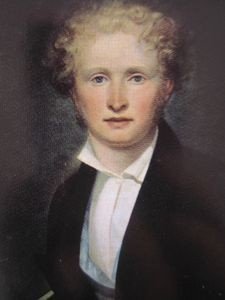
Bonheur Raymond
1796 - 1849
لمحة سريعة
- Artistic Movement Or Style: Realism, Saint-Simonianism
- Artists Or Movements Influenced By This Artist:
- Rosa Bonheur
- Realism
- Artists Who Influenced This Artist:
- Paulus Potter
- Aelbert Cuyp
- Date Of Birth: 1796
- Date Of Death: 1849
- Full Name: Oscar-Raymond Bonheur
- Nationality: French
- Notable Artworks:
- Ploughing in the Nivernais
- The Horse Fair
- Place Of Birth: Bordeaux, France