

 معاينة الحجم الواقعي
 إرسال
إرسال مشاركة
 عرض التفاصيل
 دليل الأعمال الفنية للطلاب

 تحميل
تحميل
 قطع مشابهة
 الأشعة السينية
 عرض شرائح متتابع
 الإحصائيات
دجاج أصفر


 اقرأ المزيد
نسخة زيتية مصنوعة يدوياً
لوحة زيتية مرسومة يدوياً على الكانفاس بالمقاس والإطار الذي تفضله، تُنفذ حسب الطلب على أيدي فنانينا. ( التبديل إلى المطبوعات التحويل إلى الصورة الرقمية)




P118B E£10

P118H E£10

P118W E£10

P438Z E£10

P508JH E£12

P508YH E£12

P805H E£10

P805Z E£10

P919BZ E£10

P919G E£10

P919XJ E£10

P959ZH E£10

P968JZ E£12

W106C E£8

W218G E£10

W218JH E£8

W218Y E£10

W307PJ E£10

W316G E£10

W316PJ E£8

W316Y E£10

W398PJ E£8

W4111J E£10

W500HY E£15

W500JH E£15

W692G E£12

W849H E£8

W940BG E£15

W953PJ E£8




اختر من بين أحجامنا المُعدّة مسبقاً والتي تتوافق مع النسب الأصلية للعمل الفني.

أدخل العرض والارتفاع اللذين تحتاجهما، ليتناسب العمل مع إطارك أو جدارك. وبما أن هذه اللوحة مرسومة يدوياً، ففي حال اختيار مقاس بشكل مختلف، يمكن للفنان رسم مساحة إضافية حول الصورة أو تقليصها قليلاً — الخيار لك. سنرسل لك نموذجاً رقمياً تجريبياً لاعتماده قبل البدء في الرسم. علماً بأن الصورة المعروضة في هذه الصفحة لا تعكس النتيجة النهائية الحقيقية — فالنموذج التجريبي هو الوحيد الذي يوضح ذلك بدقة.
بعد إتمام الطلب، سيرسل فريق OriginalUniqueArt.com بريداً إلكترونياً للعميل لطلب التعليمات وتزويده بمعاينة تجريبية (mockup).
توصيل عالمي إلى خلال 3 إلى 4 أسابيع بدلاً من المدة المعتادة البالغة 5 أسابيع. (22 أكتوبر). جودة لا تهاون فيها.

شحن سريع ومجاني لجميع أنحاء العالم

قماش كتان فاخر

تأمين شامل على الشحن

ضمان استرداد الرسوم الجمركية

ضمان دقة مطابقة الألوان

سياسة الإرجاع خلال 100 يوم (في حالات العيوب فقط)

ضمان استرداد نقدي بنسبة 100%

عرض خصم الكميات
 خيار الزجاج متاح فقط للمقاسات التي تقل عن 110 سم

دجاج أصفر
وسيط إعادة الإنتاج
مقاس النسخة المطبوعة
-


إجمالي السعر
E£ 15425
Yellow Chicken by Bill Traylor: A Study in Minimalism and Folklore
Bill Traylor’s “Yellow Chicken” stands as an arresting testament to the power of simplicity within modern art, specifically aligning with the burgeoning field of self-taught artistry. Discovered in 1940 by Charles Shannon, this gouache drawing on cardboard initially faced dismissal as primitive but has since undergone a significant reassessment, securing its rightful place alongside seminal figures like Georgia O’Keeffe and Franz Kline.
The artwork presents a vertically oriented depiction of a stylized yellow chicken figure against a textured brown background. Traylor eschews meticulous realism, prioritizing emotional resonance over precise representation—a hallmark of abstract expressionism. Lines are fluid and gestural, conveying movement and energy; shapes are organic, mirroring the form of a chicken but rendered with exaggerated features and streamlined details. Texture dominates both the canvas’s rough surface and Traylor's application of paint, which appears layered and deliberately uncontrolled.
Historical Context: The Great Depression and Alabama Folklore
Created during the depths of the Great Depression in 1939–40, “Yellow Chicken” reflects the pervasive anxieties and uncertainties of the era. Traylor’s work emerged from rural Alabama, where he experienced firsthand the hardships faced by African Americans navigating racial segregation and economic instability. Importantly, Traylor's artistic vision draws heavily upon Alabama folklore—narratives passed down through generations that encapsulate cultural traditions and beliefs.
Traylor’s distinctive style—characterized by bold lines and vibrant color palettes—was influenced by artists like Henri Matisse and Oskar Kokoschka, who championed expressive abstraction as a means of conveying emotion. However, Traylor's approach differs markedly from academic art movements; he rejected formal conventions in favor of spontaneous improvisation and intuitive observation.
Technique: Wet-on-Wet Blending and Emotional Resonance
Traylor’s masterful technique involves wet-on-wet blending—a method that allows colors to merge seamlessly, fostering a dreamlike quality within the artwork. This deliberate disregard for precise control contributes significantly to “Yellow Chicken’s” evocative atmosphere. The artist employs gouache, a pigment binder known for its opacity and ability to achieve rich hues, layering thin washes of color onto cardboard.
The resulting image communicates a palpable sense of vulnerability and resilience—a reflection of Traylor's own life experience as a Black man confronting systemic oppression. Despite the apparent simplicity of the composition, “Yellow Chicken” possesses profound symbolic depth; it serves as an emblem of perseverance amidst adversity and celebrates the enduring spirit of Alabama folklore.
Symbolism: Beyond Representation – A Reflection of Identity
"Yellow Chicken" transcends mere visual depiction, embodying Traylor’s assertion of selfhood in a society marked by discrimination. The color yellow itself carries significant cultural connotations—representing optimism, enlightenment, and spiritual awakening—further enriching the artwork's symbolic tapestry.
Traylor’s deliberate distortion of form underscores his rejection of conventional artistic standards, prioritizing emotional impact over technical accuracy. He captures not just a chicken but also an essence of Alabama culture—a testament to Traylor’s unwavering commitment to expressing his worldview through art.
الأسئلة والأجوبة
ما هو حجم الطباعة المناسب للغرفة الموصى بها لعمل "دجاج أصفر" للفنان Bill Traylor؟
التنسيق الموصى به لـ "دجاج أصفر" للفنان Bill Traylor: طباعة بمقاس كبير في غرفة المعيشة.
ما هو الشعور الذي تثيره ألوان "دجاج أصفر" للفنان Bill Traylor؟
تتناغم لوحة ألوان ألوان محايدة في عمل "دجاج أصفر" للفنان Bill Traylor مع نبرته العاطفية تأملي؛ فاللون هو أحد السبل التي يعبّر بها العمل الفني عن المشاعر.
من أين يأتي زوار "دجاج أصفر" للفنان Bill Traylor؟
توجد صفحة الإحصائيات خاصة بـ "دجاج أصفر"، حيث تعرض مخططاً للزيارات الشهرية لهذا العمل الفني ولأعمال الفنان الأخرى، مع تفصيل حسب الدولة واللغة.
مقالات ذات صلة
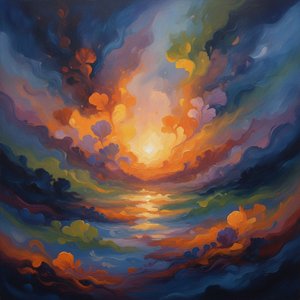
The Soul of Color: A Journey into the Emotional Resonance of Lyrical Abstraction
Embark on a cultural journey through Lyrical Abstraction. Explore how masters like Kandinsky used color and motion to translate emotion into visual poetry. Discover the profound beauty of abstract expressionism and learn to curate emotional resonance in your own art collection.

أعلى 10 روائع تحدد الرمزية التعبيرية: رحلة في الفن الراقي و لوحات مميزة
اكتشف روائع الرمزية التعبيرية! استكشف 10 لوحات أيقونية مع جاكسون بولوك ومارك روثكو. قصص فنانين، تقنيات فريدة، وأعمال خالدة. احصل على لوحات مميزة لديكور منزلك الفاخر. تسوق الآن على OriginalUniqueArt.com!

أكثر 10 روائع فنية حدّدت حركة التجريد الهندسي | OriginalUniqueArt.com
اكتشف 10 روائع فنية غيرت مسار التجريد الهندسي! تعرف على بيكاسو، موندريان وماليفيتش وغيرهم. لوحات أصلية وإعادة إنتاج فاخرة لديكور عصري. استلهم منزلك مع OriginalUniqueArt.com
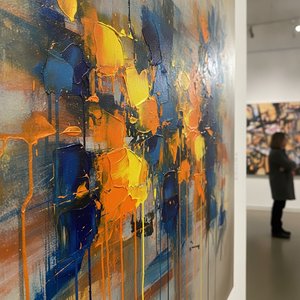
Beyond the Lines: Mastering the High-Impact World of Contemporary Abstraction
Master the high-impact world of contemporary abstraction. Discover how bold colors, textures, and modern movements like Abstract Expressionism can transform your space with premium, high-energy art curated for the design-conscious professional.

Kandinsky's Masterpieces: 25 Paintings That Define Abstract Art | OriginalUniqueArt
Journey through Wassily Kandinsky's 25 most iconic abstract paintings. Explore his revolutionary use of color, form & spiritual expressionism. Find museum-quality Kandinsky reproductions and elevate your home decor with OriginalUniqueArt.com. Discover all masterpieces on OriginalUniqueArt.com!
