 معاينة الحجم الواقعي
 مشاركة
 مشاركة
 التفاصيل
 دليل
دليل

 تحميل الملف
 قطع مشابهة
 الأشعة السينية
 عرض شرائح
 الأسئلة والأجوبة
 الإحصائيات
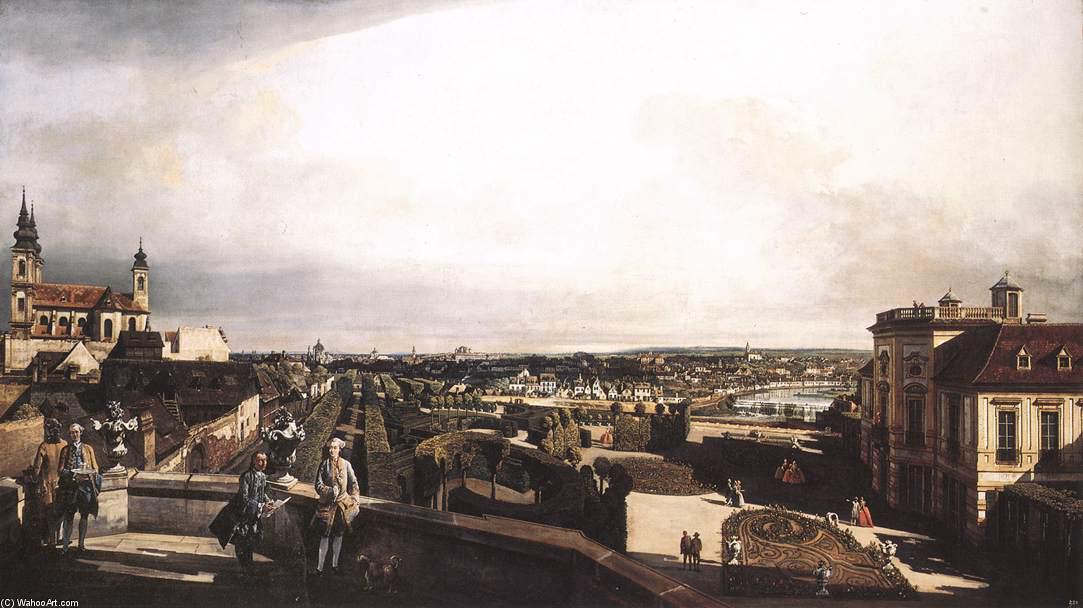
Vienna, Panorama from Palais Kaunitz

- 134.0 x 237.0 cm


 عرض المزيد
طباعة جيلي / مطبوعات فنية
طباعة جيكلي أو كانفاس بجودة المتاحف، مع سرعة في التنفيذ وخيارات متنوعة للتشطيب. ( شراء لوحة مرسومة يدويًا الانتقال إلى الصورة الرقمية)




P118B E£10

P118H E£10

P118W E£10

P438Z E£10

P508JH E£12

P508YH E£12

P805H E£10

P805Z E£10

P919BZ E£10

P919G E£10

P919XJ E£10

P959ZH E£10

P968JZ E£12

W106C E£8

W218G E£10

W218JH E£8

W218Y E£10

W307PJ E£10

W316G E£10

W316PJ E£8

W316Y E£10

W398PJ E£8

W4111J E£10

W500HY E£15

W500JH E£15

W692G E£12

W849H E£8

W940BG E£15

W953PJ E£8




اختر من بين أحجامنا المُعدّة مسبقاً والتي تتوافق مع النسب الأصلية للعمل الفني.

أدخل العرض والارتفاع المطلوبين ليتناسب المقاس مع إطارك أو جدارك. يرجى الملاحظة أن المطبوعة يمكن قصها فقط ولا يمكن تكبيرها لتتجاوز أبعاد الصورة الأصلية، لذا فإن اختيار مقاس بأبعاد مختلفة سيؤدي إلى فقدان جزء من الصورة. سنرسل لك نموذجاً رقمياً تجريبياً لاعتماده قبل البدء في عملية الطباعة. الصورة المعروضة في هذه الصفحة لا توضح شكل القص الفعلي — النموذج التجريبي فقط هو ما يظهر ذلك بدقة.
توصيل عالمي إلى خلال أسبوعين بدلاً من المدة القياسية البالغة 4/5 أسابيع. (7 نوفمبر)

شحن سريع ومجاني لجميع أنحاء العالم

قماش كتان عالي الجودة

تأمين شامل على الشحن

ضمان استرداد الرسوم الجمركية

ضمان مطابقة الألوان الحقيقية

سياسة الإرجاع خلال 100 يوم (في حالات العيوب فقط)

ضمان استرداد نقدي بنسبة 100%

خصم عند طلب كميات
 خيار الزجاج متاح فقط للمقاسات التي تقل عن 110 سم

Vienna, Panorama from Palais Kaunitz
طباعة جيلي / مطبوعات فنية
مقاس النسخة المطبوعة
-


إجمالي السعر النهائي
E£ 4243
Vienna, Panorama from Palais Kaunitz – A Symphony of Light and Observation
Bernardo Bellotto’s “Vienna, Panorama from Palais Kaunitz,” completed in 1759, stands as a testament to the Enlightenment fascination with accurately depicting the world around us. Commissioned by Empress Maria Theresa, this monumental painting isn't merely a topographical record; it’s an immersive experience designed to capture the grandeur and vibrancy of Vienna at the cusp of its imperial reign.
The Artist’s Vision: Canaletto’s Legacy
Bellotto, nephew and protégé of Giovanni Antonio Canaletto – arguably Venice’s most celebrated painter of urban landscapes – inherited a profound artistic sensibility. Like his mentor, Bellotto prioritized capturing atmospheric perspective, meticulously rendering the subtle gradations of light and shadow to convey depth and realism. This technique—developed during Canaletto's travels across Europe—became Bellotto’s signature style, distinguishing him from many of his contemporaries.
A Detailed Examination: Technique and Composition
Executed in oil on canvas, “Vienna” employs a panoramic format – approximately 134 x 237 cm – allowing for an unparalleled breadth of visual information. Bellotto’s brushstrokes are deliberate and controlled, layering pigments to achieve luminous surfaces and conveying the texture of stone buildings and foliage. The composition is carefully balanced, guiding the viewer's eye across the cityscape from left to right, emphasizing key architectural landmarks like St Stephen’s Cathedral and the Hofburg Palace.
Historical Context: Vienna Under Maria Theresa
Vienna in 1759 was undergoing significant transformation under Maria Theresa’s rule. The Habsburg monarchy sought to solidify its position as a dominant force in Europe through cultural patronage, exemplified by this ambitious project. Bellotto's depiction reflects the optimism and grandeur of the era—a celebration of imperial power and artistic achievement. Furthermore, it serves as an invaluable historical document, offering insights into Viennese life and architecture during a pivotal moment in European history.
Symbolism and Emotional Resonance
"Vienna" transcends mere visual representation; it communicates a profound emotional resonance. The inclusion of figures—representing both nobility and everyday citizens—adds human scale to the monumental cityscape, inviting contemplation about the complexities of urban society. The careful rendering of light—particularly the golden glow illuminating St Stephen’s Cathedral—evokes feelings of reverence and majesty. Ultimately, Bellotto's masterpiece inspires awe and admiration for the beauty and power of observation.
Conclusion: An Enduring Masterpiece
Bernardo Bellotto’s “Vienna, Panorama from Palais Kaunitz” remains an extraordinary achievement in panoramic painting—a captivating blend of artistic skill, historical awareness, and emotional depth. Its enduring appeal lies in its ability to transport viewers back to a bygone era while simultaneously reaffirming the timeless fascination with capturing the splendor of the natural world.
الأسئلة والأجوبة
ما مدى قوة التباين في "Vienna, Panorama from Palais Kaunitz" للفنان برناردو بيلوتو؟
تتميز لوحة "Vienna, Panorama from Palais Kaunitz" للفنان برناردو بيلوتو بتباين Statement بين مناطق الضوء والظلال فيها.
ما هو الشعور والعاطفة اللذان يعبر عنهما "Vienna, Panorama from Palais Kaunitz" للفنان برناردو بيلوتو؟
تتجلى الحالة المزاجية لعمل "Vienna, Panorama from Palais Kaunitz" للفنان برناردو بيلوتو في Elegant، بينما يتمثل طابعها العاطفي في Calm.
ما هي التقنية المستخدمة في "Vienna, Panorama from Palais Kaunitz" للفنان برناردو بيلوتو؟
تعتمد التقنية المستخدمة في "Vienna, Panorama from Palais Kaunitz" للفنان برناردو بيلوتو على Acrylic On Canvas، وتهدف النسخ المطبوعة إلى محاكاة مظهر هذه التقنية.
السيرة الذاتية للفنان
نشأته وتدريبه
برناردو بيلوتّو، الرسام الإيطالي الشهير، وُلد في البندقية حوالي عام 1721/2 أو في 30 يناير 1721. كان ابن أخ وتلميذ الفنان الكبير جيوفاني أنطونيو كانال كاناليتو، وهو شخصية بارزة في مدرسة البندقية للرسم.أسلوبه الفني ومسيرته المهنية
تميز الأسلوب الفني لبيلوتّو بتصويره المفصل للمناظر المعمارية والطبيعية على حد سواء، بالإضافة إلى الجودة الفريدة لإضاءة كل مكان. عُرف بمهارته الاستثنائية في التقاط جوهر المناظر الحضرية، مما أدى إلى دعوته للعمل لدى العديد من الملوك الأوروبيين.- سافر إلى روما (1742)، وشمال إيطاليا (1744-1745)، ثم انتقل لاحقًا إلى دريسدن (1747-1758) بأمر من الملك أوغست الثالث ملك بولندا.
- حافظت أعماله في دريسدن على جمال المدينة قبل الحرب، وهو الجمال الذي دُمر الآن.
- تلقى دعوة من الإمبراطورة ماريا تيريزا للعمل في فيينا (1758)، حيث رسم معالم المدينة الأثرية.
أعماله البارزة وإرثه
تشمل بعض الأعمال البارزة لبيلوتّو:- منظر القناة الكبرى: سانتا ماريا ديلا سالوتي والدوجانا من كامبو سانتا ماريا زوبينيجو (1743)
- تصوير معماري مع صورة ذاتية لبيلوتّو بزي نبيل فينيسي
المتاحف والمجموعات
يمكن العثور على أعمال بيلوتّو في العديد من المتاحف، بما في ذلك بيناكوتيكا دي فيتشنزا في إيطاليا. لاستكشاف المزيد من أعماله، تفضل بزيارة [https://OriginalUniqueArt.com/@/bernardo bellotto](https://OriginalUniqueArt.com/@/bernardo bellotto) واكتشف عالم الفن.المراجع
* /ar/art/show/art-d3baj3-ar/ * [https://www.wikiart.org/en/bernardo-bellotto/](https://www.wikiart.org/en/bernardo-bellotto/) * [https://fr.wikipedia.org/wiki/bernardo_bellotto](https://fr.wikipedia.org/wiki/bernardo_bellotto)
برناردو بيلوتو
1721 - 1780 , إيطاليا
حقائق سريعة
- أعمال بارزة:
- عرض القناة الكبرى
- رسم معماري
- الاسم الكامل: Bernardo Bellotto
- الجنسية: إيطالي
- الحركة الفنية: رسم المنظر الطبيعي الحضري
- الفنانون المؤثرون: ['جيوفاني كاناليتو']
- تاريخ الميلاد: 1721
- تاريخ الوفاة: 1780
- حركات فنية متأثرة: ['إعادة بناء المدن']
- مكان الميلاد: البندقية، إيطاليا
مقالات ذات صلة

The Vienna Secession: A Golden Revolution of Modernism and the Legacy of Gustav Klimt
Explore the profound impact of the Vienna Secession movement. Discover how visionaries like Gustav Klimt revolutionized modern art through symbolism, gold leaf, and the concept of Gesamtkunstwerk in this expert-led historical guide.
Bernardo Bellotto: Canaletto's Nephew & Master of Veduta Painting – A Comprehensive Exploration
Explore the life & art of Bernardo Bellotto, Canaletto’s nephew and a master of veduta painting. Discover his stunning cityscapes of Dresden & Warsaw, artistic techniques, and lasting legacy. Expert insights for collectors.

Drama and Light: A Definitive Guide to the Italian Baroque Masterpieces and the Revolution of Chiaroscuro
Explore the dramatic world of Italian Baroque art. Discover how masters like Caravaggio used chiaroscuro and tenebrism to revolutionize painting through light, shadow, and profound realism. A definitive guide for history lovers and art collectors.

Giovanni Fattori: Realism, Identity & the Tuscan Landscape – A Macchiaioli Master
Explore the life & art of Giovanni Fattori, a leading figure of the Macchiaioli movement. Discover his revolutionary realism, captivating Tuscan landscapes, and lasting impact on Italian painting. Learn more at OriginalUniqueArt.
Mario Sironi: A Poetic of Modern Italian Identity Through Symbolism & Social Commentary
Explore the profound works of Mario Sironi, a key figure in Italian Modernism. Discover his evolution from Futurism to Metaphysical painting and his powerful social commentary. Learn about his legacy at OriginalUniqueArt.
