

 إرسال
إرسال مشاركة
 عرض التفاصيل
 دليل الأعمال الفنية للطلاب

 تحميل
تحميل
 قطع مشابهة
 عرض شرائح متتابع
 الإحصائيات
Salt Cellar (8)
 Gold Leaf
- Sculpture
- Mannerist Gold Smithery
 1540
1540 26.0 x 33.0 cm
 Kunsthistorisches Museum
 اقرأ المزيد
نسخة زيتية مصنوعة يدوياً
لوحة زيتية مرسومة يدوياً على الكانفاس بالمقاس والإطار الذي تفضله، تُنفذ حسب الطلب على أيدي فنانينا. ( التبديل إلى المطبوعات التحويل إلى الصورة الرقمية)




































اختر من بين أحجامنا المُعدّة مسبقاً والتي تتوافق مع النسب الأصلية للعمل الفني.

أدخل العرض والارتفاع اللذين تحتاجهما، ليتناسب العمل مع إطارك أو جدارك. وبما أن هذه اللوحة مرسومة يدوياً، ففي حال اختيار مقاس بشكل مختلف، يمكن للفنان رسم مساحة إضافية حول الصورة أو تقليصها قليلاً — الخيار لك. سنرسل لك نموذجاً رقمياً تجريبياً لاعتماده قبل البدء في الرسم. علماً بأن الصورة المعروضة في هذه الصفحة لا تعكس النتيجة النهائية الحقيقية — فالنموذج التجريبي هو الوحيد الذي يوضح ذلك بدقة.
بعد إتمام الطلب، سيرسل فريق OriginalUniqueArt.com بريداً إلكترونياً للعميل لطلب التعليمات وتزويده بمعاينة تجريبية (mockup).
توصيل عالمي إلى خلال 3 إلى 4 أسابيع بدلاً من المدة المعتادة البالغة 5 أسابيع. (27 أكتوبر). جودة لا تهاون فيها.

شحن سريع ومجاني لجميع أنحاء العالم

قماش كتان فاخر

تأمين شامل على الشحن

ضمان استرداد الرسوم الجمركية

ضمان دقة مطابقة الألوان

سياسة الإرجاع خلال 100 يوم (في حالات العيوب فقط)

ضمان استرداد نقدي بنسبة 100%

عرض خصم الكميات
 خيار الزجاج متاح فقط للمقاسات التي تقل عن 110 سم

Salt Cellar (8)
وسيط إعادة الإنتاج
مقاس النسخة المطبوعة
-


إجمالي السعر
E£ 15513
A Gilded Echo of Myth and Power
Benvenuto Cellini's “Salt Cellar” (Saliera), completed in 1543 for King Francis I of France, isn’t merely a container for seasoning; it’s a shimmering embodiment of the Renaissance spirit—a testament to artistic ambition, technical mastery, and the potent symbolism that shaped European courts. More than just a beautiful object, this gold, enamel, and ivory sculpture invites us into a world of mythological allegory, royal power, and the very essence of human creativity. It's a piece that continues to captivate centuries later, offering a glimpse into the opulent heart of 16th-century France.
The story behind the Salt Cellar is as compelling as its appearance. Commissioned during Francis I’s reign, it represents a pivotal moment in Cellini's career – a shift from his established role as a coin maker to one of the most celebrated goldsmiths and sculptors of his time. The celler was originally designed for Cardinal Ippolito d'Este, but after being reworked by Cellini, it became a gift for King Francis I. The piece’s creation coincided with a period of intense artistic patronage in France, fueled by the king’s desire to elevate his court and project an image of unparalleled wealth and sophistication. The celler was intended not just as a functional object but as a powerful symbol of royal authority—a miniature world reflecting the grandeur of the French monarchy.
The Dance of Earth and Sea
At first glance, the Salt Cellar appears to be an intricate display of luxurious materials. However, beneath its shimmering surface lies a carefully constructed allegory. The sculpture’s central figures—Neptune, god of the sea, and Ceres, goddess of agriculture—are depicted in a dynamic embrace, reclining on a shell-shaped base. This pairing isn't accidental; it represents the fundamental forces that shaped Renaissance thought: the interplay between nature and civilization, abundance and restraint. Neptune, with his trident and surrounded by marine creatures, embodies the untamed power of the sea – a source of both sustenance and potential danger. Ceres, on the other hand, symbolizes the fertility of the earth, offering a bounty of grain and prosperity. The positioning of these figures—facing each other in a state of apparent conflict yet intertwined—suggests that true harmony can only be achieved through a delicate balance between opposing forces.
Further enriching this symbolic narrative are the details meticulously incorporated into the sculpture’s design. A miniature Ionic temple, representing Ceres' domain, stands at the base, while dolphins and sea horses frolic around Neptune, reinforcing his dominion over the ocean. The use of contrasting materials—the warm glow of gold against the cool sheen of enamel—adds to the visual drama and underscores the thematic tension between earth and sea. Cellini’s mastery lies not only in his technical skill but also in his ability to imbue a seemingly simple object with layers of meaning.
A Testament to Mannerist Art
The Salt Cellar is a quintessential example of Mannerism, a style that flourished during the late Renaissance. Characterized by elongated figures, dramatic poses, and an emphasis on elegance and sophistication, Mannerism rejected the idealized forms of High Renaissance art in favor of a more expressive and emotionally charged aesthetic. In this piece, Cellini’s figures are rendered with a heightened sense of dynamism—their limbs stretched and contorted into improbable positions—creating a visual effect that is both captivating and unsettling. The use of perspective and foreshortening adds to the sculpture's dramatic impact, drawing the viewer's eye towards the central figures and immersing them in their world.
Cellini’s innovative techniques are evident throughout the Salt Cellar. He employed a unique method of hammering gold into shape, creating intricate details with remarkable precision. The enamel work is equally impressive—vibrant colors and delicate patterns applied to the surface of the gold, adding depth and richness to the sculpture's overall appearance. The integration of ivory for the temple’s columns further demonstrates Cellini’s versatility as a goldsmith, showcasing his ability to master a wide range of materials and techniques.
A Legacy in Gold
Today, the Salt Cellar resides in the Kunsthistorisches Museum in Vienna, where it continues to inspire awe and admiration. Its theft in 2003 brought international attention to its beauty and value, but its subsequent recovery underscored its enduring significance as a masterpiece of Renaissance art. More than just a decorative object, the Salt Cellar represents a pivotal moment in artistic history—a testament to the creativity, ambition, and technical skill of Benvenuto Cellini. It’s a piece that invites us to contemplate the complex relationship between art, power, and symbolism, offering a timeless glimpse into the heart of the Renaissance.
الأسئلة والأجوبة
هل توجد أعمال مشابهة لـ "Salt Cellar (8)"؟
توجد الأعمال المشابهة لـ "Salt Cellar (8)" مدرجة في صفحة أعمال مشابهة الخاصة بالعمل الفني.
ما مدى شهرة "Salt Cellar (8)" ضمن حركة Mannerist Gold Smithery؟
ضمن حركة Mannerist Gold Smithery، تتمتع لوحة "Salt Cellar (8)" بمستوى شعبية Iconic.
ما هو اللون السائد في "Salt Cellar (8)" للفنان بينفينوتو تشيليني؟
اللون السائد في "Salt Cellar (8)" للفنان بينفينوتو تشيليني هو Celadon (#c1b9a6).
نبذة عن الفنان
بنوفينوتو تشيليني: عبقري عصر النهضة المتعدد المواهب
ولد بنوفينوتو تشيليني في فلورنسا عام 1500، وكان تجسيدًا حقيقيًا لروح عصر النهضة الإيطالي. لم يكن مجرد صائغ أو نحات، بل كان فنانًا شاملاً امتلك موهبة استثنائية في الرسم والتصميم والعزف على الآلات الموسيقية والكتابة أيضًا. اشتهر تشيليني بشخصيته الجريئة وطموحه الذي لا يعرف الحدود، وترك لنا إرثًا فنيًا وأدبيًا فريدًا من نوعه. يعتبر كتابه الذاتي، الذي يروي فيه تفاصيل حياته ومغامراته، عملًا أدبيًا هامًا يعكس ثقافة المجتمع في تلك الحقبة.
النشأة والتدريب الفني المبكر
ينحدر تشيليني من عائلة ذات ميول موسيقية؛ فقد كان والده موسيقيًا وصانع آلات. أظهر بنوفينوتو شغفًا بالموسيقى في بداية حياته، لكنه سرعان ما اكتشف موهبته الفطرية في الصياغة. في الخامسة عشرة من عمره، أقنع والده المتردد بالسماح له بالتدريب على يد أنطونيو دي ساندرو، المعروف باسم ماركوني. كانت هذه بداية رحلته الفنية الطويلة. لم تخلُ سنواته الأولى من التحديات؛ فقد تورط في شجار مع بعض الأصدقاء في سن السادسة عشرة، مما أدى إلى نفيه من فلورنسا وعمله لفترة في سيينا تحت إشراف الصائغ فراكاستورو.
أعمال تشيليني الرئيسية وأسلوبه الفني
تميزت أعمال بنوفينوتو تشيليني بالدقة المتناهية والابتكار والإحساس العميق بالجمال. من بين أشهر أعماله:
- وعاء الملح: يعتبر هذا التحفة الفضية، الذي تم تكليفه من قبل الملك فرانسيس الأول ملك فرنسا، عمله الأكثر شهرة على الإطلاق. يظهر في الوعاء تفاصيل معقدة وشخصيات نابضة بالحياة، ويُعرض حاليًا في متحف تاريخ الفن في فيينا.
- بيرسيوس ورأس ميدوسا: تمثال برونزي يصور بيرسيوس وهو يحمل رأس ميدوسا المقطوعة، ويعكس هذا العمل إتقان تشيليني لفن النحت وقدرته على تجسيد الحركة والعاطفة في المعدن.
- الميدالية الذهبية لـ "ليدا والبجعة": صممها تشيليني لـ غابرييلو تشيزارينو، وتظهر هذه الميدالية قدرته على المزج بين الأساطير الكلاسيكية والحرفية الرائعة.
استوحى تشيليني إلهامه من الفن الكلاسيكي وأعمال مايكل أنجلو، لكنه أضفى على أعماله لمسة خاصة تميزه عن غيره. يتميز أسلوبه بالديناميكية والواقعية والانتباه إلى التفاصيل الدقيقة.
تشيليني: جندي وموسيقي وكاتب سيرة ذاتية
لم يقتصر نشاط تشيليني على ورشته الفنية فحسب؛ فقد شارك في العديد من المعارك العسكرية، وزعم أنه لعب دورًا حاسمًا في الدفاع عن روما ضد القوات الإمبراطورية. كان أيضًا موسيقيًا موهوبًا يعزف على آلة الكورنيت والناي في البلاط البابوي. لكن ما يميزه حقًا هو سيرته الذاتية التي كتبها بنفسه.
- حياة بنوفينوتو تشيليني: يقدم هذا الكتاب الصريح والجريء رؤى قيمة حول فن وثقافة ومجتمع عصر النهضة. إنه سرد مشوق مليء بالحكايات عن الرعاة والمنافسين والمغامرات الشخصية، ويقدم منظورًا فريدًا لتلك الحقبة.
ليست سيرته الذاتية مجرد استعراض للأحداث؛ بل هي صورة ذاتية دقيقة رسمها تشيليني بعناية لإبراز مواهبه وتبرير أفعاله. على الرغم من أنها قد تكون غير موثوقة في بعض الأحيان بسبب تحيزاته الشخصية، إلا أنها تظل مصدرًا أساسيًا لفهم حياة عصر النهضة.
الإرث والأهمية التاريخية
توفي بنوفينوتو تشيليني في فلورنسا عام 1571، وترك لنا إرثًا كواحد من أهم فناني عصر المانييريزم. لا تزال مهاراته الفنية وابتكاراته وسيرته الذاتية الجذابة تلهم الفنانين وعشاق الفن حتى اليوم. يمثل تشيليني النموذج المثالي لفنان عصر النهضة – فنان متعدد المواهب، مدفوعًا بالطموح، ولا يخاف من التعبير عن فرديته. تحتفل أعماله بجمالها وحرفيتها وقوتها الدرامية، مما يؤكد مكانته كشخصية محورية في تاريخ الفن الغربي.

بينفينوتو تشيليني
1500 - 1571 , إيطاليا
لمحة سريعة
- أعمال بارزة:
- بيرسيوس ورأس ميدوسا
- ملحية تشيليني
- الاسم الكامل: بينفينوتو تشيليني
- الجنسية: إيطالي
- الحركة الفنية: المانيرية
- تاريخ الميلاد: 1 نوفمبر 1500
- تاريخ الوفاة: 13 فبراير 1571
- فنانون مؤثرون: ['مايكل أنجلو']
- مكان الميلاد: فلورنسا، إيطاليا
مقالات ذات صلة
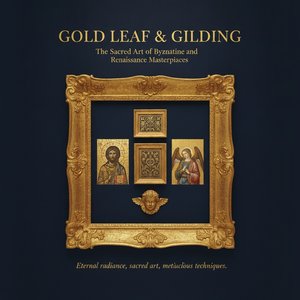
The Sacred Glow: Mastering Gold Leaf and Gilding in Byzantine Art
Explore the divine mastery of Byzantine gold leaf and gilding. Discover how ancient artisans used gold ground and mosaics to create celestial light, a timeless legacy of spiritual splendor and technical excellence in sacred art history.

Benvenuto Cellini: Renaissance Goldsmith, Sculptor & Master of Self-Fashioning
Explore the life & art of Benvenuto Cellini, Renaissance goldsmith & sculptor. Discover his iconic 'Perseus,' masterful techniques, and enduring legacy – a collector's essential guide.

Golden Splendor: An Editorial Journey Through Art's Most Radiant Masterpieces
Embark on a visual journey through the world's most radiant masterpieces. Discover how gold leaf, impasto textures, and gilded tones define luxury in fine art, from Byzantine icons to modern abstracts. Explore the eternal allure of gold in curated, museum-quality art collections.

Golden Glow: How to Use Metallic Gold Artworks to Elevate Your Home Decor with Timeless Luxury
Discover how to elevate your home with the timeless elegance of metallic gold artworks. From sculptural metal pieces to gilded oil paintings, learn expert interior design tips for integrating luxurious gold accents into your space with sophistication and grace.
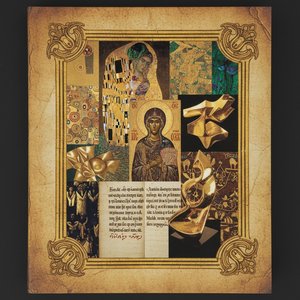
The Allure of Gold in Art History: Symbolism, Technique & Cultural Significance
Explore the rich history of gold in art! Discover symbolism, techniques & cultural significance from ancient civilizations to Klimt's masterpieces. Expert insights for collectors at OriginalUniqueArt.
