

 معاينة الحجم الواقعي
 إرسال
إرسال مشاركة
 عرض التفاصيل
 دليل الأعمال الفنية للطلاب

 تحميل
تحميل
 قطع مشابهة
 الأشعة السينية
 عرض شرائح متتابع
 الإحصائيات
Perseus (13)


 اقرأ المزيد
نسخة زيتية مصنوعة يدوياً
لوحة زيتية مرسومة يدوياً على الكانفاس بالمقاس والإطار الذي تفضله، تُنفذ حسب الطلب على أيدي فنانينا. ( التبديل إلى المطبوعات التحويل إلى الصورة الرقمية)




P118B E£10

P118H E£10

P118W E£10

P438Z E£10

P508JH E£12

P508YH E£12

P805H E£10

P805Z E£10

P919BZ E£10

P919G E£10

P919XJ E£10

P959ZH E£10

P968JZ E£12

W106C E£8

W218G E£10

W218JH E£8

W218Y E£10

W307PJ E£10

W316G E£10

W316PJ E£8

W316Y E£10

W398PJ E£8

W4111J E£10

W500HY E£15

W500JH E£15

W692G E£12

W849H E£8

W940BG E£15

W953PJ E£8




اختر من بين أحجامنا المُعدّة مسبقاً والتي تتوافق مع النسب الأصلية للعمل الفني.

أدخل العرض والارتفاع اللذين تحتاجهما، ليتناسب العمل مع إطارك أو جدارك. وبما أن هذه اللوحة مرسومة يدوياً، ففي حال اختيار مقاس بشكل مختلف، يمكن للفنان رسم مساحة إضافية حول الصورة أو تقليصها قليلاً — الخيار لك. سنرسل لك نموذجاً رقمياً تجريبياً لاعتماده قبل البدء في الرسم. علماً بأن الصورة المعروضة في هذه الصفحة لا تعكس النتيجة النهائية الحقيقية — فالنموذج التجريبي هو الوحيد الذي يوضح ذلك بدقة.
بعد إتمام الطلب، سيرسل فريق OriginalUniqueArt.com بريداً إلكترونياً للعميل لطلب التعليمات وتزويده بمعاينة تجريبية (mockup).
توصيل عالمي إلى خلال 3 إلى 4 أسابيع بدلاً من المدة المعتادة البالغة 5 أسابيع. (27 أكتوبر). جودة لا تهاون فيها.

شحن سريع ومجاني لجميع أنحاء العالم

قماش كتان فاخر

تأمين شامل على الشحن

ضمان استرداد الرسوم الجمركية

ضمان دقة مطابقة الألوان

سياسة الإرجاع خلال 100 يوم (في حالات العيوب فقط)

ضمان استرداد نقدي بنسبة 100%

عرض خصم الكميات
 خيار الزجاج متاح فقط للمقاسات التي تقل عن 110 سم

Perseus (13)
وسيط إعادة الإنتاج
مقاس النسخة المطبوعة
-


إجمالي السعر
E£ 15618
Benvenuto Cellini’s “Perseus with the Head of Medusa”: A Masterpiece of Mannerist Drama
Benvenuto Cellini's bronze sculpture of Perseus with the Head of Medusa, completed around 1545-1554 for Duke Cosimo I de’ Medici in Florence, is far more than a mere depiction of a mythological hero. It’s a profound statement on skill, ambition, and the very nature of artistic creation—a testament to Cellini's extraordinary talent and his audacious embrace of the Mannerist style. Standing nearly four feet tall, this imposing figure commands attention not just for its scale but for the sheer dynamism and emotional intensity it conveys. The sculpture isn’t simply a narrative illustration; it’s an embodiment of triumph over terror, a celebration of human ingenuity, and a subtle commentary on the artist's own journey to mastery.
The story behind the piece is intrinsically linked to Cellini’s tumultuous life. He had spent years working in the service of King Francis I of France, honing his skills in the opulent courts of Paris. Returning to Florence, he sought patronage from Duke Cosimo, a powerful and discerning collector who recognized Cellini's genius. The commission for “Perseus” was a deliberate challenge—a chance for Cellini to demonstrate not only his technical prowess but also his ability to infuse a classical narrative with deeply personal expression. The sculpture’s creation coincided with a period of intense political intrigue in Florence, and the work itself can be interpreted as a metaphor for Cellini's own struggles against adversity and his relentless pursuit of artistic recognition.
A Study in Mannerist Drama: Form and Emotion
Cellini’s “Perseus” is a quintessential example of Mannerism—a style characterized by elongated forms, exaggerated poses, dramatic lighting, and an intense focus on emotional expression. Unlike the idealized beauty favored during the High Renaissance, Cellini deliberately departs from classical proportions, creating a figure that is both powerfully muscular and subtly unsettling. Perseus’s stance is not one of heroic repose; he's caught in a moment of decisive action, his body coiled with tension as he raises the severed Medusa’s head aloft. The sculpture isn’t about capturing a static image but rather conveying the *feeling* of victory—the raw energy and almost violent exertion required to overcome such a formidable foe.
The artist's masterful use of bronze allows for incredible detail, from the intricate folds of Perseus’s armor to the glistening sheen of his helmet. The texture is remarkably realistic, lending weight and physicality to the figure. Notice particularly the expressive details on Medusa’s face—her eyes wide with terror, her mouth frozen in a silent scream. Cellini doesn't shy away from depicting the horror of the scene; he forces the viewer to confront the monstrous nature of his adversary. The dramatic lighting, achieved through careful manipulation of the bronze surface, further enhances the sculpture’s emotional impact, casting deep shadows that accentuate the figure’s musculature and heighten the sense of drama.
Symbolism and Interpretation: Beyond Myth
While rooted in Greek mythology, “Perseus” is rich with symbolic meaning. The severed head of Medusa represents not just a vanquished monster but also the triumph over fear and darkness. The winged helmet, bestowed upon Perseus by Athena, symbolizes divine guidance and protection—a reminder that even the most daunting challenges can be overcome with wisdom and courage. The act of holding the head aloft is particularly significant; it’s a gesture of both victory and vulnerability—a recognition that even the greatest hero must confront the consequences of his actions.
Furthermore, the sculpture can be interpreted as an allegory for Cellini's own artistic journey. He was known for his self-aggrandizing autobiography, in which he frequently emphasized his own exceptional talent and skill. “Perseus” is a visual manifestation of this ego—a declaration of mastery achieved through relentless dedication and unwavering ambition. The sculpture’s placement within the Loggia dei Lanzi in Florence served as a deliberate statement of pride, showcasing Cellini's work to the public and asserting his position among the city's leading artists.
A Legacy of Dramatic Power
Benvenuto Cellini’s “Perseus with the Head of Medusa” remains one of the most compelling and emotionally resonant sculptures of the Renaissance. Its dramatic composition, masterful technique, and profound symbolism continue to captivate viewers centuries after its creation. Reproductions capture a fraction of the original's power, but the sculpture’s ability to evoke a visceral response—a sense of awe, terror, and ultimately, admiration—is unparalleled. It stands as a testament to Cellini’s genius and a powerful reminder of the enduring allure of classical mythology.
الأسئلة والأجوبة
ما الذي يضفيه "Perseus (13)" للفنان بينفينوتو تشيليني على التصميم الداخلي؟
تتناغم الأجواء Dramatic للوحة "Perseus (13)" للفنان بينفينوتو تشيليني مع المساحة المقترحة لها: Living Room.
كيف يرتبط موضوع "Perseus (13)" بالمواضيع المعتادة لدى بينفينوتو تشيليني؟
تتضمن الثيمات المتكررة لدى بينفينوتو تشيليني موضوع renaissance mannerism, classical mythology, italian renaissance, power & glory, religious symbolism, heroic narrative, cellini’s self-fashioning, artistic pride؛ بينما يركز عمل "Perseus (13)" على mythology, sculpture, perseus, medusa, renaissance, gold, bronze, heroism.
إلى أي مرحلة من مسيرة بينفينوتو تشيليني الفنية ينتمي العمل "Perseus (13)"؟
"Perseus (13)" represents the Mannerist Style of بينفينوتو تشيليني.
نبذة عن الفنان
بنوفينوتو تشيليني: عبقري عصر النهضة المتعدد المواهب
ولد بنوفينوتو تشيليني في فلورنسا عام 1500، وكان تجسيدًا حقيقيًا لروح عصر النهضة الإيطالي. لم يكن مجرد صائغ أو نحات، بل كان فنانًا شاملاً امتلك موهبة استثنائية في الرسم والتصميم والعزف على الآلات الموسيقية والكتابة أيضًا. اشتهر تشيليني بشخصيته الجريئة وطموحه الذي لا يعرف الحدود، وترك لنا إرثًا فنيًا وأدبيًا فريدًا من نوعه. يعتبر كتابه الذاتي، الذي يروي فيه تفاصيل حياته ومغامراته، عملًا أدبيًا هامًا يعكس ثقافة المجتمع في تلك الحقبة.
النشأة والتدريب الفني المبكر
ينحدر تشيليني من عائلة ذات ميول موسيقية؛ فقد كان والده موسيقيًا وصانع آلات. أظهر بنوفينوتو شغفًا بالموسيقى في بداية حياته، لكنه سرعان ما اكتشف موهبته الفطرية في الصياغة. في الخامسة عشرة من عمره، أقنع والده المتردد بالسماح له بالتدريب على يد أنطونيو دي ساندرو، المعروف باسم ماركوني. كانت هذه بداية رحلته الفنية الطويلة. لم تخلُ سنواته الأولى من التحديات؛ فقد تورط في شجار مع بعض الأصدقاء في سن السادسة عشرة، مما أدى إلى نفيه من فلورنسا وعمله لفترة في سيينا تحت إشراف الصائغ فراكاستورو.
أعمال تشيليني الرئيسية وأسلوبه الفني
تميزت أعمال بنوفينوتو تشيليني بالدقة المتناهية والابتكار والإحساس العميق بالجمال. من بين أشهر أعماله:
- وعاء الملح: يعتبر هذا التحفة الفضية، الذي تم تكليفه من قبل الملك فرانسيس الأول ملك فرنسا، عمله الأكثر شهرة على الإطلاق. يظهر في الوعاء تفاصيل معقدة وشخصيات نابضة بالحياة، ويُعرض حاليًا في متحف تاريخ الفن في فيينا.
- بيرسيوس ورأس ميدوسا: تمثال برونزي يصور بيرسيوس وهو يحمل رأس ميدوسا المقطوعة، ويعكس هذا العمل إتقان تشيليني لفن النحت وقدرته على تجسيد الحركة والعاطفة في المعدن.
- الميدالية الذهبية لـ "ليدا والبجعة": صممها تشيليني لـ غابرييلو تشيزارينو، وتظهر هذه الميدالية قدرته على المزج بين الأساطير الكلاسيكية والحرفية الرائعة.
استوحى تشيليني إلهامه من الفن الكلاسيكي وأعمال مايكل أنجلو، لكنه أضفى على أعماله لمسة خاصة تميزه عن غيره. يتميز أسلوبه بالديناميكية والواقعية والانتباه إلى التفاصيل الدقيقة.
تشيليني: جندي وموسيقي وكاتب سيرة ذاتية
لم يقتصر نشاط تشيليني على ورشته الفنية فحسب؛ فقد شارك في العديد من المعارك العسكرية، وزعم أنه لعب دورًا حاسمًا في الدفاع عن روما ضد القوات الإمبراطورية. كان أيضًا موسيقيًا موهوبًا يعزف على آلة الكورنيت والناي في البلاط البابوي. لكن ما يميزه حقًا هو سيرته الذاتية التي كتبها بنفسه.
- حياة بنوفينوتو تشيليني: يقدم هذا الكتاب الصريح والجريء رؤى قيمة حول فن وثقافة ومجتمع عصر النهضة. إنه سرد مشوق مليء بالحكايات عن الرعاة والمنافسين والمغامرات الشخصية، ويقدم منظورًا فريدًا لتلك الحقبة.
ليست سيرته الذاتية مجرد استعراض للأحداث؛ بل هي صورة ذاتية دقيقة رسمها تشيليني بعناية لإبراز مواهبه وتبرير أفعاله. على الرغم من أنها قد تكون غير موثوقة في بعض الأحيان بسبب تحيزاته الشخصية، إلا أنها تظل مصدرًا أساسيًا لفهم حياة عصر النهضة.
الإرث والأهمية التاريخية
توفي بنوفينوتو تشيليني في فلورنسا عام 1571، وترك لنا إرثًا كواحد من أهم فناني عصر المانييريزم. لا تزال مهاراته الفنية وابتكاراته وسيرته الذاتية الجذابة تلهم الفنانين وعشاق الفن حتى اليوم. يمثل تشيليني النموذج المثالي لفنان عصر النهضة – فنان متعدد المواهب، مدفوعًا بالطموح، ولا يخاف من التعبير عن فرديته. تحتفل أعماله بجمالها وحرفيتها وقوتها الدرامية، مما يؤكد مكانته كشخصية محورية في تاريخ الفن الغربي.

بينفينوتو تشيليني
1500 - 1571 , إيطاليا
لمحة سريعة
- أعمال بارزة:
- بيرسيوس ورأس ميدوسا
- ملحية تشيليني
- الاسم الكامل: بينفينوتو تشيليني
- الجنسية: إيطالي
- الحركة الفنية: المانيرية
- تاريخ الميلاد: 1 نوفمبر 1500
- تاريخ الوفاة: 13 فبراير 1571
- فنانون مؤثرون: ['مايكل أنجلو']
- مكان الميلاد: فلورنسا، إيطاليا
مقالات ذات صلة

Bronze Sculptures That Defined Art History | OriginalUniqueArt
Journey through art history with our Top 10 bronze sculptures! Explore masterpieces by Rodin, Michelangelo & more. Discover stories behind iconic statues and find museum-quality reproductions for your home decor at OriginalUniqueArt.com.

Bronze Age to Modern Masters: 10 Sculptures That Redefined Art | OriginalUniqueArt
Journey through art history with 10 legendary bronze sculptures – from Michelangelo's David to Rodin’s Thinker. Explore the stories, techniques & timeless beauty of these masterpieces. Find museum-quality reproductions & elevate your home decor on OriginalUniqueArt.com.
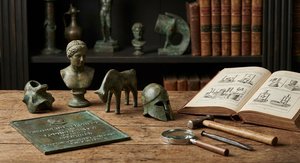
The Enduring Legacy of Bronze: History, Technique & Artistic Expression for the Collector
Explore the rich history & enduring appeal of bronze sculpture with expert insights for collectors at OriginalUniqueArt. Learn about casting techniques, iconic artists, and collecting tips.

The Enduring Legacy of Bronze: A Historical & Artistic Exploration for the Collector
Explore the rich history & enduring appeal of bronze sculpture with expert insights for collectors at OriginalUniqueArt. Learn about casting techniques, iconic artists, collecting tips & contemporary interpretations.

The Enduring Legacy of Bronze Sculpture: A Collector's Guide to Form & Cultural Significance
Explore the rich history & enduring appeal of bronze sculpture with expert insights for collectors at OriginalUniqueArt. Learn about casting techniques, iconic artists, and collecting tips to build a discerning art collection.
