
 معاينة الحجم الحقيقي
 مشاركة
 مشاركة
 التفاصيل

 تحميل الملف
 قطع مشابهة
 الأشعة السينية
 عرض شرائح
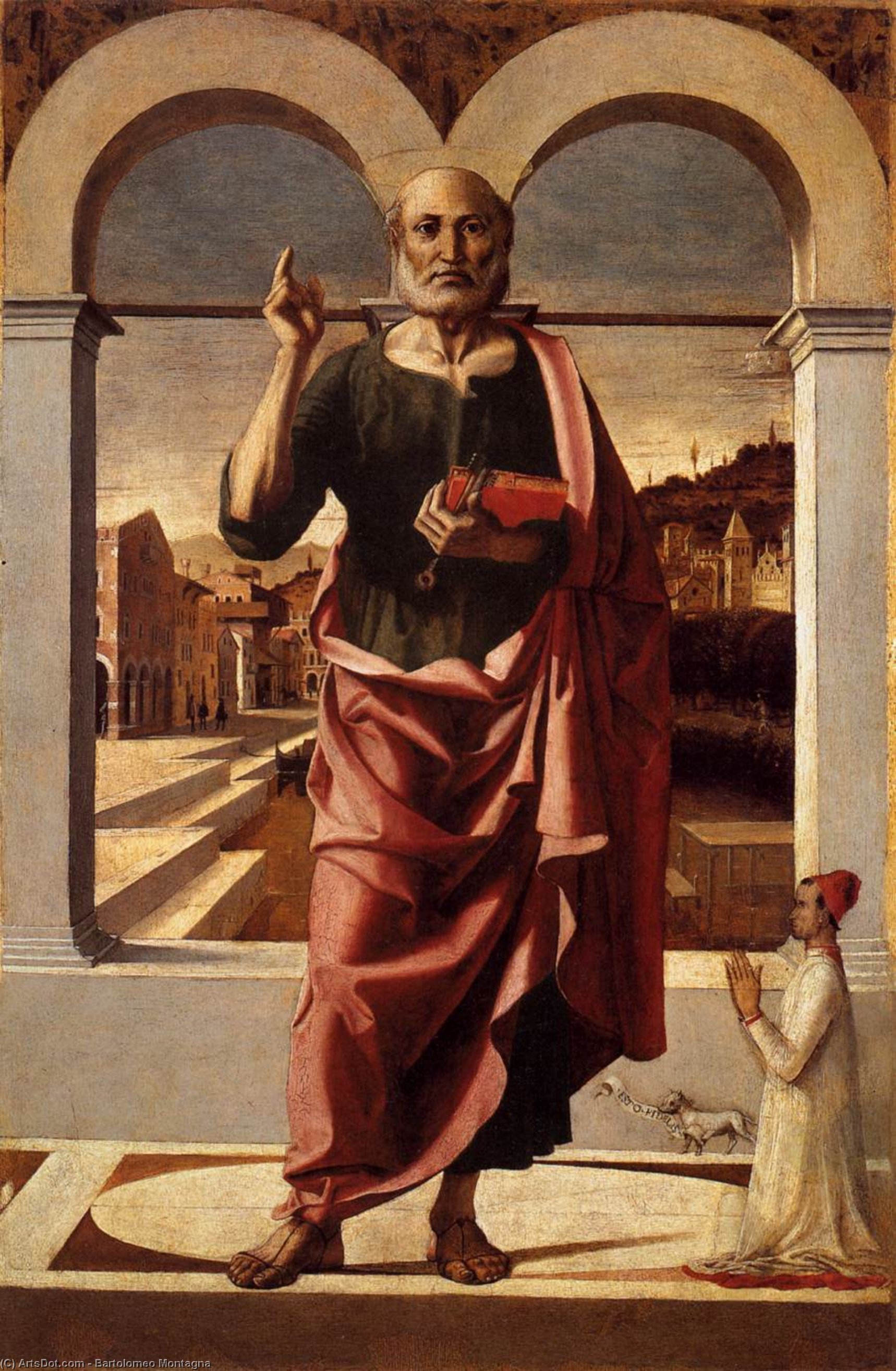
St Peter Blessing and Donor
 Acrylic On Canvas
- WallArt
- Italian Renaissance
 1505
1505 60.0 x 39.0 cm
 Gallerie dell’Accademia
 عرض المزيد
نسخة زيتية مصنوعة يدوياً
لوحة زيتية مرسومة يدوياً على الكانفاس بالمقاس والإطار الذي تفضله، تُنفذ حسب الطلب على أيدي فنانينا. ( اشترِ نسخة مطبوعة اشترِ الصورة)




P118B $10

P118H $10

P118W $10

P438Z $10

P508JH $12

P508YH $12

P805H $10

P805Z $10

P919BZ $10

P919G $10

P919XJ $10

P959ZH $10

P968JZ $12

W106C $8

W218G $10

W218JH $8

W218Y $10

W307PJ $10

W316G $10

W316PJ $8

W316Y $10

W398PJ $8

W4111J $10

W500HY $15

W500JH $15

W692G $12

W849H $8

W940BG $15

W953PJ $8




اختر من بين أحجامنا المُعدّة مسبقًا والتي تتطابق مع النسب الأصلية للعمل الفني.

يمكنك إدخال أبعادك الخاصة لتناسب إطارًا معينًا أو مساحة محددة. وإذا لم يتطابق الحجم الذي اخترته مع نسب الصورة الأصلية، فسنقوم إما بقص العمل الفني أو توسيع اللوحة بإضافة عناصر مرسومة يدويًا. سيتم إرسال نموذج رقمي إليك للموافقة عليه قبل بدء الإنتاج.
يرجى ملاحظة أن المعاينة على الشاشة لا تعكس عملية القص أو التوسيع الفعلية؛ حيث إن النموذج الرقمي وحده هو الذي سيوضح التكوين النهائي بدقة.
وعلى الرغم من توفر أحجام مخصصة، إلا أننا نوصي باختيار أبعاد من القائمة المحددة مسبقًا للحفاظ على النسب الأصلية للعمل الفني.
بعد إتمام الطلب، سيرسل فريق OriginalUniqueArt.com بريداً إلكترونياً للعميل لطلب التعليمات وتزويده بمعاينة تجريبية (mockup).
توصيل عالمي إلى خلال 3 إلى 4 أسابيع بدلاً من المدة المعتادة البالغة 5 أسابيع. (14 أغسطس). جودة لا تهاون فيها.

شحن سريع ومجاني لجميع أنحاء العالم

قماش كتان عالي الجودة

تأمين شحن شامل

ضمان استرداد الرسوم الجمركية

ضمان مطابقة الألوان الحقيقية

سياسة الإرجاع خلال 60 يومًا (في حالات العيوب فقط)

ضمان استرداد نقدي بنسبة 100%

خصم عند طلب عدة قطع
 خيار الزجاج متاح فقط للمقاسات التي تقل عن 110 سم

St Peter Blessing and Donor
خامة إعادة الإنتاج
مقاس النسخة المطبوعة
-


السعر الإجمالي النهائي
$ 300
وصف العمل الفني
Bartolomeo Montagna’s St Peter Blessing and Donor: A Venetian Vision of Faith
The painting “St Peter Blessing and Donor” by Bartolomeo Montagna, completed in 1505, stands as a cornerstone of the Vicenza School's artistic output during the High Renaissance—a testament to Venetian artistic prowess and imbued with profound spiritual significance. More than just a portrait, it’s an exquisitely crafted depiction of piety and patronage, reflecting the fervent devotion prevalent within the Catholic Church at the time and showcasing Montagna’s masterful command of sculptural form.Subject Matter and Composition
At its core lies Saint Peter himself—the revered first Pope—presented in serene repose as he bestows blessings upon a kneeling supplicant. The figure of St. Peter dominates the canvas, positioned centrally with his right hand outstretched in benediction while holding a book aloft – a symbol of divine scripture and papal authority. Beneath him kneels an unnamed man, presumably representing a wealthy donor who commissioned the artwork, embodying humility before God’s grace. Two additional figures flank the central scene: one standing on the left, possibly symbolizing justice or vigilance, and another positioned on the right, offering support and conveying compassion. Montagna skillfully arranges these elements within a richly ornamented archway adorned with columns—a deliberate architectural device that lends depth and grandeur to the composition, mirroring the monumental churches of Venice during this period.Style and Technique: Sculptural Form in Paint
Montagna’s distinctive style is characterized by an unparalleled sensitivity to sculptural form—a hallmark of Venetian painting influenced by Andrea Mantegna and Giovanni Bellini. He achieves this illusionistic effect through meticulous modeling and shading, creating a palpable sense of volume that transcends the limitations of pigment alone. The artist employs oil paint on panel, utilizing glazing techniques to build up layers of color with remarkable subtlety and precision. This painstaking process allows for nuanced tonal variations—particularly evident in St Peter’s drapery—that capture the texture and luminosity of marble, mirroring the architectural grandeur of Venetian palaces and churches. Montagna's meticulous attention to detail is palpable throughout the artwork, elevating it beyond mere representation into a powerful expression of artistic virtuosity.Historical Context: Venice and Papal Patronage
The painting emerged during a period of immense cultural flourishing in Venice—a city firmly entrenched as the spiritual capital of Christendom and a beacon of humanist ideals. The Venetian Republic actively fostered artistic innovation, attracting talent from across Europe and commissioning monumental artworks to glorify God and commemorate important events. St Peter Blessing and Donor exemplifies this patronage ethos, commissioned by a prominent Venetian noble family who sought to honor Saint Peter’s role as protector of the papacy—a gesture reflecting the deep religious convictions of the era. The artwork speaks to the broader cultural preoccupation with portraying saints in idealized form, aligning seamlessly with the artistic conventions of the High Renaissance and cementing Montagna's place within Venetian art history.Symbolism: Light, Gesture, and Divine Grace
Beyond its formal beauty, “St Peter Blessing and Donor” is laden with symbolic meaning. The gesture of blessing—performed by St Peter—represents divine grace and spiritual benediction, conveying the transformative power of faith. The book symbolizes sacred scripture—the source of papal authority and moral guidance—underscoring the importance of theological contemplation. Furthermore, the kneeling donor embodies humility before God’s majesty, acknowledging his dependence on divine providence. Montagna's masterful use of light—particularly diffused illumination—creates an atmosphere of serenity and reverence, emphasizing the spiritual essence of the scene. The overall composition reinforces this symbolic narrative, inviting viewers to contemplate themes of piety, devotion, and papal sanctity.Emotional Impact: Tranquility and Reverence
The painting’s enduring appeal lies in its ability to evoke a profound sense of tranquility and reverence—qualities that resonate deeply with audiences even today. Montagna's masterful rendering of human form captures the dignity and solemnity of religious devotion, transporting viewers back to Renaissance Venice. The artwork’s harmonious balance and refined aesthetic qualities serve as an inspiration for interior designers seeking to create spaces imbued with spiritual warmth and artistic beauty—a testament to Bartolomeo Montagna’s legacy as one of Venetian art's most influential masters.السيرة الذاتية للفنان
The Visionary of Vicenza: The Life and Legacy of Bartolomeo Montagna
In the heart of the Italian Renaissance, amidst the marble-rich landscapes of Vicenza and the shimmering canals of Venice, emerged a painter whose brush possessed the rare ability to marry sculptural solidity with ethereal grace. Bartolomeo Montagna stands as a cornerstone of the Vicenza School, an artist whose career bridged the gap between the meticulous precision of the early Quattrocento and the luminous atmospheric depth of the High Renaissance. Born around 1450, Montagna’s life was deeply intertwined with the humanist evolution of his era, a period where the rediscovery of classical antiquity breathed new life into religious iconography.
Montagna’s artistic identity was forged through a sophisticated blend of regional influences and direct exposure to the masters of the Venetian Republic. His early training in Brescia under Giovanni Battista Brustolo provided him with a foundation of rigorous detail, yet it was his subsequent journey to Venice that truly ignited his genius. Immersing himself in the vibrant workshops of the Serenissima, he absorbed the profound lessons of Giovanni Bellini and the sculptural intensity of Andrea Mantegna. This exposure allowed him to develop a signature style characterized by a restrained palette, an architectural sense of space, and a masterful command over light and shadow that gave his figures a palpable, three-dimensional presence.
A Mastery of Form and Devotion
The oeuvre of Montagna is a testament to his ability to transform sacred subjects into moments of profound, quiet contemplation. His works are rarely characterized by frantic movement; instead, they offer a serene stillness that invites the viewer into a state of prayerful reflection. This is perhaps most evident in his depictions of the Madonna and Child, where the figures possess an aristocratic dignity paired with a tender, human vulnerability. In masterpieces such as The Virgin and Child with a Saint, one can observe how he utilizes sculpted forms and subtle naturalistic elements—such as the delicate presence of birds—to ground divine subjects within a tangible, earthly reality.
Beyond his Madonnas, Montagna excelled in portraying the solitary strength of saints and scholars. His St Jerome serves as a breathtaking example of his ability to capture the weight of intellectual and spiritual labor through meticulous texture and light. Similarly, his Saint Justina of Padua showcases a brilliant synthesis of devotional symbolism and the refined beauty typical of late fifteenth-century Venetian art. Through these works, Montagna demonstrated that religious painting could be both intellectually complex and visually captivating, utilizing architectural illusionism to create windows into a more divine realm.
Historical Significance and Artistic Triumph
The enduring significance of Bartolomeo Montagna lies in his role as a vital link in the evolution of Northern Italian painting. While often overshadowed by the larger-than-life personalities of Venice, his contribution to the development of the Vicenza School provided a necessary stylistic counterpoint to the more flamboyant Venetian trends. His ability to integrate the structural rigor of Mantegna with the soft, atmospheric light of Bellini created a unique aesthetic language that resonated throughout the region.
His major achievements are scattered across the most prestigious religious institutions of his time, from the monumental fresco cycles in the Certosa di Pavia to significant altarpieces in the Museo Civico di Vicenza. Even today, Montagna’s work continues to captivate art historians and enthusiasts alike, offering a window into a period of unparalleled creativity. His legacy remains etched in the very fabric of the Renaissance—a legacy of marble-like precision, spiritual depth, and an unwavering commitment to the beauty of the human form.

bartolomeo montagna
1450 - 1523 , Italy
حقائق سريعة
- Artistic Movement Or Style: Renaissance
- Artists Or Movements Influenced By This Artist: ['Mantegna']
- Artists Who Influenced This Artist: ['Giovanni Bellini']
- Date Of Birth: Vicenza, Italy (1450)
- Full Name: Bartolomeo Montagna
- Nationality: Italian
- Notable Artworks:
- Saint Justina of Padua
- Madonna and Child
- Place Of Birth: Vicenza
مقالات ذات صلة
أعمال جاكوبو تينتوريتو الخالدة: 25 تحفة فنية تزين منزلك بجمال عصر النهضة
اكتشف 25 تحفة فنية لجاكوبو تينتوريتو، رائد فن عصر النهضة الإيطالي. استمتع بقصص لوحاته الرائعة وألوانه الزيتية المعبرة. احصل على إعادة إنتاج عالية الجودة لديكور منزلك الفاخر على OriginalUniqueArt.com

Venetian Renaissance: The Mastery of Color, Light, and the Art of Colorito
Explore the luminous mastery of the Venetian Renaissance. Discover how masters like Titian and Giorgione revolutionized art through colorito, light, and atmosphere. An expert guide to the golden age of Italian painting for collectors and enthusiasts.
Vittore Carpaccio: Venetian Renaissance Narrative & the Poetics of Detail
Explore the captivating world of Vittore Carpaccio, a master storyteller of the Venetian Renaissance. Discover his intricate details, narrative cycles like 'The Legend of St. Ursula,' and unique artistic style.

أعمال إل جريكو الخالدة: 25 تحفة فنية تزين منزلك بجمال الأساطير
اكتشف 25 تحفة فنية لإل جريكو، رائد الفن الإسباني. استكشف قصص لوحاته الدينية والتاريخية الرائعة وأسلوبه الباروكي الفريد. احصل على نسخ عالية الجودة من أعمال إل جريكو لتزيين منزلك بأناقة وفخامة. اكتشف جميع الروائع على OriginalUniqueArt.com

The Golden Light of Innovation: Exploring the Venetian Renaissance Art Movement (1430–1580)
Explore the Golden Age of Venetian art (1430–1580). Discover Giorgione, Titian & Tintoretto's techniques, the 'colorito' revolution, and lasting influence. Expert insights for collectors & enthusiasts.

