- الرئيسية

- نسخة زيتية مطابقة للأصل
- barnaba da modena
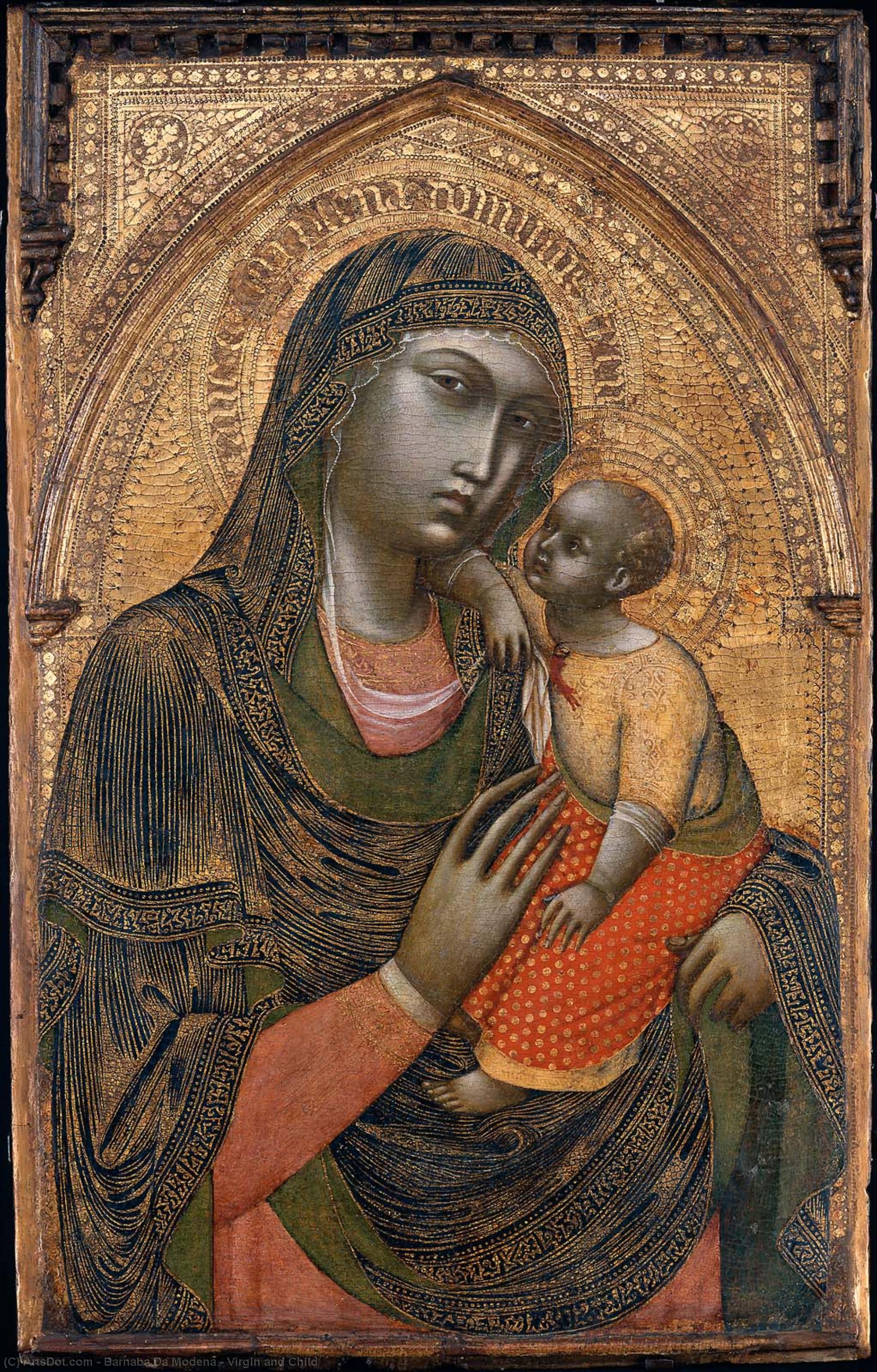
- Virgin and Child
 معاينة الحجم الحقيقي
 مشاركة
 مشاركة
 التفاصيل

 تحميل الملف
 قطع مشابهة
 الأشعة السينية
 عرض شرائح
Virgin and Child
 Tempera On Panel
- Byzantine Style
 1360
1360- Late Medieval
 100.0 x 63.0 cm
 متحف الفنون الجميلة، بوسطن
 عرض المزيد
نسخة زيتية مصنوعة يدوياً
لوحة زيتية مرسومة يدوياً على الكانفاس بالمقاس والإطار الذي تفضله، تُنفذ حسب الطلب على أيدي فنانينا. ( التحويل للنسخة المطبوعة التبديل إلى الصورة)




P118B $10

P118H $10

P118W $10

P438Z $10

P508JH $12

P508YH $12

P805H $10

P805Z $10

P919BZ $10

P919G $10

P919XJ $10

P959ZH $10

P968JZ $12

W106C $8

W218G $10

W218JH $8

W218Y $10

W307PJ $10

W316G $10

W316PJ $8

W316Y $10

W398PJ $8

W4111J $10

W500HY $15

W500JH $15

W692G $12

W849H $8

W940BG $15

W953PJ $8




اختر من بين أحجامنا المُعدّة مسبقًا والتي تتطابق مع النسب الأصلية للعمل الفني.

يمكنك إدخال أبعادك الخاصة لتناسب إطارًا معينًا أو مساحة محددة. وإذا لم يتطابق الحجم الذي اخترته مع نسب الصورة الأصلية، فسنقوم إما بقص العمل الفني أو توسيع اللوحة بإضافة عناصر مرسومة يدويًا. سيتم إرسال نموذج رقمي إليك للموافقة عليه قبل بدء الإنتاج.
يرجى ملاحظة أن المعاينة على الشاشة لا تعكس عملية القص أو التوسيع الفعلية؛ حيث إن النموذج الرقمي وحده هو الذي سيوضح التكوين النهائي بدقة.
وعلى الرغم من توفر أحجام مخصصة، إلا أننا نوصي باختيار أبعاد من القائمة المحددة مسبقًا للحفاظ على النسب الأصلية للعمل الفني.
بعد إتمام الطلب، سيرسل فريق OriginalUniqueArt.com بريداً إلكترونياً للعميل لطلب التعليمات وتزويده بمعاينة تجريبية (mockup).
توصيل عالمي إلى خلال 3 إلى 4 أسابيع بدلاً من المدة المعتادة البالغة 5 أسابيع. (30 يوليو). جودة لا تهاون فيها.

شحن سريع ومجاني لجميع أنحاء العالم

قماش كتان عالي الجودة

تأمين شحن شامل

ضمان استرداد الرسوم الجمركية

ضمان مطابقة الألوان الحقيقية

سياسة الإرجاع خلال 60 يومًا (في حالات العيوب فقط)

ضمان استرداد نقدي بنسبة 100%

خصم عند طلب عدة قطع
 خيار الزجاج متاح فقط للمقاسات التي تقل عن 110 سم

Virgin and Child
خامة إعادة الإنتاج
مقاس النسخة المطبوعة
-


السعر الإجمالي النهائي
$ 300
وصف العمل الفني
A Tender Encounter in Gold and Grace
In the quiet intimacy of Barnaba da Modena’s Virgin and Child, we are invited into a sacred moment that transcends the centuries. Created around 1360, this masterpiece serves as a profound window into the spiritual heart of the Trecento period. The painting captures a deeply human connection between the Virgin Mary and her infant son, presenting a scene where divine majesty meets maternal tenderness. As she cradles the young boy, there is an unmistakable sense of protection and warmth; the way she holds him close suggests a sanctuary of love amidst the grandeur of her celestial station. This is not merely a religious icon, but a poignant study of the bond between mother and child, rendered with a delicacy that speaks directly to the soul.
The visual language of the piece is heavily influenced by the Byzantine tradition, a stylistic choice that Barnaba da Modena championed with singular devotion. This influence is most evident in the luminous, ethereal quality of the figures and the use of ornate, symbolic elements. Above the Virgin’s head, an intricate crown rests, signaling her status as the Queen of Heaven, while the decorative archway framing the scene provides a sense of architectural permanence and sanctity. The interplay of light and shadow across the soft features of the Christ child creates a lifelike presence, grounding the divine subject matter in a palpable, earthly reality that continues to captivate viewers today.
A Masterpiece of Byzantine Echoes
To behold this work is to witness the bridge between the rigid formality of Eastern iconography and the burgeoning naturalism of the Italian Renaissance. Barnaba da Modena, working during a time of great cultural transition in Lombardy and beyond, utilized a technique that emphasizes texture and symbolic depth. The composition is balanced yet emotionally charged, making it an ideal centerpiece for those looking to infuse a space with historical gravity and contemplative peace. For the discerning collector or interior designer, this painting offers more than just aesthetic beauty; it provides a focal point of profound narrative strength.
Integrating a high-quality reproduction of this Virgin and Child into a curated collection allows for the introduction of a timeless, classical elegance. Whether placed in a sunlit gallery or a sophisticated contemporary living space, the painting’s rich historical context and emotive power act as a conversation starter. It evokes an era of craftsmanship where every brushstroke was an act of devotion, making it a perfect acquisition for those who appreciate art that possesses both a scholarly pedigree and a deeply moving emotional resonance.
السيرة الذاتية للفنان
Barnaba da Modena (c. 1328 – c. 1386): A Byzantine Echo in Lombard Painting
Barnaba da Modena stands as a singular figure in the artistic landscape of fourteenth-century Italy—a pioneer who bravely championed a stylistic tradition largely abandoned by his contemporaries, firmly rooted in the grandeur and spirituality of Byzantium. Born around 1328 in Modena (Emilia), he emerged from obscurity to become arguably the first Lombard painter of considerable renown, leaving behind an impressive oeuvre that testifies to his unwavering devotion to this venerable artistic heritage. His activity spanned Lombardy, Piedmont, and Pisa in Tuscany, establishing him as a pivotal artist within the burgeoning cultural dynamism of the era.- Early Life & Training: Precise biographical details surrounding Barnaba’s formative years remain elusive. Records indicate he was active in Genoa from approximately 1364, where he secured patronage and honed his craft amidst a vibrant artistic milieu. This Genoese engagement undoubtedly exposed him to the prevailing stylistic currents of the time—a stark contrast to the increasingly naturalistic tendencies gaining traction elsewhere in Italy.
- Byzantine Influence: Barnaba’s distinctive style is undeniably indebted to Byzantine painting, particularly its use of gold leaf and shimmering backgrounds. He meticulously replicated techniques perfected centuries earlier, prioritizing luminous color palettes and compositional schemes that emphasized symbolic grandeur rather than realistic representation. This commitment to tradition speaks volumes about his artistic sensibilities and reflects a profound understanding of the visual language of religious art.
- Notable Works & Patronage: Barnaba’s prolific output encompassed around fifty paintings—a remarkable achievement considering the period—primarily focused on depictions of the Virgin Mary and Christ, often framed within elaborate architectural settings reminiscent of Byzantine churches. His commissions included prominent roles in Genoa’s Palazzo Ducale and contributed significantly to the artistic embellishment of ecclesiastical spaces throughout Lombardy.
- Technique & Innovation: Despite adhering to Byzantine conventions, Barnaba demonstrated considerable technical skill—a testament to his meticulous attention to detail and masterful manipulation of pigment. His paintings exhibit a remarkable level of refinement, achieved through painstaking layering of glazes and incorporating subtle gradations of color that imbue the images with an ethereal quality.
- Legacy & Influence: Barnaba’s artistic vision profoundly impacted subsequent generations of Lombard painters. Notably, Nicolò da Voltri continued his stylistic trajectory in Liguria until circa 1420, perpetuating Barnaba's Byzantine aesthetic and solidifying his position as a foundational figure in the development of Lombard painting. His enduring legacy resides not merely in his individual masterpieces but also in his contribution to shaping the artistic landscape of his time—a beacon of spiritual contemplation amidst the burgeoning complexities of the Renaissance.
Major Achievements & Artistic Style
Barnaba’s most celebrated achievements lie in his masterful execution of monumental frescoes adorning churches throughout Lombardy and Genoa. These works exemplify the pinnacle of Byzantine influence, characterized by:- Gold Leaf Backgrounds: Extensive use of gold leaf created radiant surfaces that evoked the splendor of imperial cathedrals—a deliberate stylistic choice reflecting Barnaba’s reverence for Byzantine iconography.
- Symbolic Composition: Paintings prioritized conveying theological concepts through carefully orchestrated visual narratives, emphasizing spiritual significance over mere aesthetic beauty.
- Luminous Color Palette: Barnaba skillfully employed vibrant hues—particularly blues and reds—to illuminate biblical scenes and imbue them with emotional intensity.
Connections & Artistic Context
Barnaba’s artistic milieu was shaped by the prevailing stylistic trends of his time, yet he steadfastly resisted the emerging naturalism championed by artists like Giotto di Bondone. He remained firmly committed to Byzantine principles—a conscious decision that distinguished him from many of his contemporaries and cemented his reputation as a champion of tradition. His work stands apart as an exceptional example of artistic integrity—a testament to his unwavering devotion to conveying spiritual truths through visual art.Further Exploration
For deeper insights into Barnaba da Modena’s life and oeuvre, consult the following resources:- tiraboschi, Giuseppe Maria.Storia della letteratura lombarda dal secolo IX al XVI. Milano: Boccaveri Editore, 1867.

barnaba da modena
1328 - 1386 , Italy
حقائق سريعة
- Artistic Movement Or Style: Byzantine-influenced Lombard Painting
- Artists Or Movements Influenced By This Artist: ['Nicolò da Voltri']
- Artists Who Influenced This Artist: ['']
- Date Of Death: 1386
- Full Name: Barnaba da Modena
- Nationality: Italian
- Notable Artworks:
- Madonna and Child
- Crucifixion
- Place Of Birth: Modena, Italy
مقالات ذات صلة
أروع 25 لوحة لليوناردو دافنشي: تحف فنية لتزيين منزلك بجمال الخلود
اكتشف أروع 25 لوحة لليوناردو دافنشي، رائد فن عصر النهضة. قصص فنية آسرة وتقنيات فريدة في أعماله الخالدة مثل الموناليزا والعشاء الأخير. زيّن منزلك بتحف فنية فاخرة على OriginalUniqueArt.com

Leonardo da Vinci: A Renaissance Master’s Synthesis of Art, Science & Human Observation – Reinterpreted for the Collector
Explore Leonardo da Vinci’s timeless masterpieces with OriginalUniqueArt. Discover insights into his art, science, and legacy – trusted expertise for discerning collectors seeking authentic reproductions & investment opportunities.

أروع 25 تحفة فنية في معرض أوفيزي: رحلة عبر عصر النهضة الإيطالي | OriginalUniqueArt
اكتشف أروع 25 لوحة فنية في معرض أوفيزي بفلورنسا! رحلة آسرة عبر عصر النهضة مع أعمال ليوناردو دا فينشي، بوتيتشيلي، ورفائيل. احصل على نسخ فاخرة من هذه التحف الفنية لتزيين منزلك. اكتشف المجموعة الكاملة على OriginalUniqueArt.

أروع 25 تحفة فنية في متحف اللوفر: رحلة عبر تاريخ الفن والجمال
اكتشف أروع 25 لوحة فنية في متحف اللوفر بباريس! رحلة آسرة عبر تاريخ الفن مع روائع ليوناردو دا فينشي وكارياتيد. احصل على نسخ عالية الجودة لتزيين منزلك. استكشف المجموعة الكاملة الآن على OriginalUniqueArt.com
Illuminating Eternity: A Comprehensive Exploration of Byzantine Art's Legacy
Explore the rich history & stunning artistry of the Byzantine Empire! Discover iconic mosaics, profound symbolism, and lasting influence on Western art. A comprehensive guide for history lovers.

