

 إرسال
إرسال مشاركة
 عرض التفاصيل
 دليل الأعمال الفنية للطلاب

 تحميل
تحميل
 قطع مشابهة
 عرض شرائح متتابع
 الإحصائيات
Shaft and Circle


 اقرأ المزيد
إن العمل الفني المعروض في هذه الصفحة محمي بموجب قوانين حقوق الطبع والنشر، مما يعني أنه لا يحق لنا قانوناً إنشاء أو بيع نسخ مطابقة له. وتُطبق هذه الحماية بموجب الاتفاقيات الدولية مثل الـ اتفاقية برن ووفقاً للقوانين الوطنية، بما في ذلك تلك المنصوص عليها في قانون حقوق الطبع والنشر في الولايات المتحدة - الباب 17.
تتوافق هذه الطريقة تماماً مع لوائح حقوق النشر لأنها لا تتضمن نسخ أو تكرار العمل الفني المحمي، بل هي إعادة تفسير إبداعية؛ أي أنها لوحة جديدة مستوحاة من الأصل ولكنها ليست مطابقة له.
طباعة جيلي / مطبوعات فنية
طباعة جيكلي أو كانفاس بجودة المتاحف، مع سرعة في التنفيذ وخيارات متنوعة للتشطيب. ( اطلب نسخة مرسومة يدويًا التحويل إلى الصورة الرقمية)




































اختر من بين أحجامنا المُعدّة مسبقاً والتي تتوافق مع النسب الأصلية للعمل الفني.

يمكنك إدخال أبعاد خاصة لتناسب إطاراً أو مساحة معينة. وفي حال عدم تطابق الحجم المختار مع نسب الصورة الأصلية، سنقوم إما بقص العمل الفني أو تمديد الصورة باستخدام حافة معكوسة أو لون مصمت. وسيتم إرسال نموذج تجريبي رقمي لاعتمادك قبل بدء عملية الإنتاج.
يرجى ملاحظة أن المعاينة على الشاشة لا تعكس عملية القص أو التمديد الفعلية؛ حيث سيوضح النموذج التجريبي فقط التكوين النهائي بدقة.
وعلى الرغم من توفر أحجام مخصصة، إلا أننا نوصي باختيار أبعاد من القائمة المحددة مسبقاً للحفاظ على النسب الأصلية.
توصيل عالمي إلى خلال أسبوعين بدلاً من المدة القياسية البالغة 4/5 أسابيع. (13 أكتوبر)

شحن سريع ومجاني لجميع أنحاء العالم

قماش كتان فاخر

تأمين شامل على الشحن

ضمان استرداد الرسوم الجمركية

ضمان دقة مطابقة الألوان

سياسة الإرجاع خلال 100 يوم (في حالات العيوب فقط)

ضمان استرداد نقدي بنسبة 100%

عرض خصم الكميات
 خيار الزجاج متاح فقط للمقاسات التي تقل عن 110 سم

Shaft and Circle
طباعة جيلي / مطبوعات فنية
مقاس النسخة المطبوعة
-


إجمالي السعر
E£ 4143
A Vertical Echo: Barbara Hepworth’s “Shaft and Circle”
Barbara Hepworth's "Shaft and Circle," created in 1972, isn’t merely a sculpture; it’s an invitation to quiet contemplation. Standing before this arresting form – a towering shaft of polished concrete punctuated by a perfectly circular aperture – is akin to entering a sacred space. The piece immediately commands attention with its stark simplicity and the profound sense of upward movement it evokes. Hepworth, a pivotal figure in 20th-century British sculpture, masterfully distilled her signature style into this work: an exploration of form’s inherent qualities, divorced from representational concerns. It's a testament to her belief that sculpture could be experienced not just visually, but through touch and the subtle shifts in light and shadow.
The material itself – likely cast concrete, though Hepworth often worked with stone as well – is treated with an almost reverent attention. The surface is flawlessly smooth, reflecting the surrounding environment while simultaneously maintaining a sense of contained solidity. This deliberate contrast between smoothness and mass speaks to the core of Hepworth’s philosophy: she sought to capture the essence of materials themselves, revealing their inherent textures and geometries. The scale of the sculpture – approximately six feet tall – further amplifies this effect, drawing the viewer upwards into its embrace.
Roots in Epirus and Mycenaean Tradition
To fully appreciate “Shaft and Circle,” it’s crucial to understand Hepworth's artistic lineage. Her early influences stemmed from her travels through Italy and Greece, particularly a deep immersion in the archaeological sites of Mycenae. The shaft tomb tradition prevalent in Bronze Age Greece – elaborate burial chambers dug vertically into the earth, often containing grave goods – provided a foundational inspiration for her work. These tombs, built by elite societies, weren’t simply markers of death; they were statements of power and belief, reflecting a complex cosmology centered around ancestry and the afterlife. Hepworth's sculpture echoes this spirit, suggesting an upward journey towards something beyond the material world.
Interestingly, similar shaft tombs have been found in Bronze Age China, demonstrating a surprisingly widespread cultural practice across Eurasia. This shared heritage underscores the universal human impulse to create enduring monuments and explore questions of mortality and transcendence. Hepworth’s work can be seen as a contemporary reimagining of these ancient traditions, translated into the language of abstract form.
The Language of Form: Circularity and Verticality
The composition of “Shaft and Circle” is meticulously balanced between two fundamental principles: verticality and circularity. The shaft itself rises directly upwards, creating a powerful sense of momentum and aspiration. This upward thrust is counterbalanced by the perfectly formed circle cut into its midsection – an element that introduces ambiguity and invites interpretation. The circle can be seen as representing wholeness, continuity, or perhaps even a portal to another dimension. It’s a subtle yet potent symbol that adds layers of meaning to the sculpture's overall impact.
Hepworth was deeply interested in exploring the relationship between form and space. She believed that sculpture should not simply occupy physical space but also create an emotional resonance within the viewer. “Shaft and Circle” achieves this beautifully, prompting a sense of stillness and introspection. The negative space created by the circular aperture is just as important as the solid mass of the shaft itself, contributing to the sculpture’s dynamic balance.
A Legacy of Minimalism and Emotional Resonance
“Shaft and Circle” exemplifies Hepworth's commitment to minimalism and her profound understanding of materials. It’s a work that rewards careful observation and invites repeated contemplation. Her sculptures, often described as “non-objective,” are nonetheless deeply expressive, communicating complex ideas about form, space, and the human condition. Today, "Shaft and Circle" remains a powerful testament to Hepworth's artistic vision – a timeless exploration of fundamental geometric principles and their capacity to evoke profound emotional responses.
الأسئلة والأجوبة
أين تقع لوحة "Shaft and Circle" ضمن الموضوعات المتكررة لدى باربرا هيبورث؟
من بين الثيمات المسجلة لـ باربرا هيبورث - وهي abstraction, modernism, geometry, surrealist, exploration, balance, harmony, sculptural form - يركز عمل "Shaft and Circle" بشكل خاص على sculpture, abstraction, form, circle, geometric, modernism, balance.
ما هو اللون السائد في "Shaft and Circle" للفنان باربرا هيبورث؟
يُعد اللون Celadon (#bebfba) هو اللون الطاغي في لوحة "Shaft and Circle" للفنان باربرا هيبورث.
ما هي الزاوية الأنسب في المنزل لوضع نسخة من "Shaft and Circle"؟
المساحة الموصى بها لـ "Shaft and Circle" للفنان باربرا هيبورث هي Living Room. وبالطبع، يمكن تكييف هذا الاقتراح بما يتناسب مع ديكور منزلك.
كيف يمتزج الوسيط والأسلوب في "Shaft and Circle"؟
في "Shaft and Circle"، تلتقي تقنية Sculpture مع حركة Modern Sculpture.
ما هو الشعور الذي يرتبط بـ "Shaft and Circle"؟
ينقل عمل "Shaft and Circle" للفنان باربرا هيبورث نبرة عاطفية Tranquil.
ما مدى حدة الألوان في "Shaft and Circle" للفنان باربرا هيبورث؟
تتميز الألوان في "Shaft and Circle" للفنان باربرا هيبورث بكثافة Monochromatic.
إلى أي لون يميل "Shaft and Circle"؟
اللون السائد في "Shaft and Circle" للفنان باربرا هيبورث هو Green to Violet Spectrum. ويمثل هذا اللون النغمة الأساسية لمجموعة الألوان المستخدمة.
ما هي الوسائط المستخدمة في تنفيذ "Shaft and Circle" للفنان باربرا هيبورث؟
استخدم باربرا هيبورث تقنية Sculpture في عمل "Shaft and Circle"، وتحدد هذه التقنية الطبيعة المادية للعمل الأصلي.
نبذة عن الفنان
البدايات والنشأة التعليمية
السيدة باربرا هيبورث، الفنانة والنحاتة الإنجليزية المرموقة، ولدت في العاشر من يناير عام 1903 في مدينة ويكفيلد بمقاطعة يوركشاير. بدأت رحلتها الفنية بالالتحاق بمدرسة ليدز للفنون منذ عام 1andom20، ثم توجت مسارها التعليمي بالحصول على منحة مقاطعة للدراسة في الكلية الملكية للفنون (RCA) في لندن، حيث استمرت دراستها من عام 1921 حتى نالت دبلومها في عام 1924.المسيرة الفنية
- تجسد أعمال السيدة باربرا هيبورث جوهر الحداثة، ولا سيما في مجال النحت الحديث، حيث كانت واحدة من القلائل من الفنانات اللواتي حققن شهرة عالمية واسعة.
- في عام 1933، ساهمت في تأسيس حركة "يونيت وان" (Unit One) الفنية بالتعاون مع بن نيكلسون، وبول ناش وغيرهم، سعيًا لدمج السريالية والتجريد في الفن البريطاني.
- اتسمت أعمال هيبورث المبكرة بالنزعة التجريدية وتفاعلها مع الحركة الفنية "تجريد-كرياسيون" (Abstraction-Création) التي اتخذت من باريس مقرًا لها.
أعمال ومعارض بارزة
- يعد منحوت البرونزي "الشكل البيضاوي (تريزيون)" جزءًا من مجموعة متحف كيمبل للفنون في فورت وورث بالولايات المتحدة. (عرض على OriginalUniqueArt)
- أما منحوتة "شكلان"، فهي تُعرض في متحف هيبورث ويكفيلد في ويكفيلد بالمملكة المتحدة. (عرض على OriginalUniqueArt)
- كما تضم مجموعة متحف هيبورث ويكفيلد منحوتة "توتيم" الرخامية. (عرض على OriginalUniqueArt)
الإرث والمجموعات المتحفية
إن أعمال باربرا هيبورث تحظى بتقدير عالمي واسع، حيث تشكل منحوتاتها ولوحاتها جزءًا من مجموعات متحفية متنوعة حول العالم. ويضم متحف هيبورث ويكفيلد، الذي سُمي تيمناً بالفنانة، العديد من الروائع لفنانين مشهورين، بما في ذلك أعمال هيبورث الخاصة. (اكتشف المزيد عن متحف هيبورث ويكفيلد عبر OriginalUniqueArt)الخاتمة
لقد تركت الأعمال الرائدة لـ السيدة باربرا هيبورث في مجال النحت البريطاني الحديث بصمة لا تُمحى في عالم الفن. ويستمر إرثها في إلهام الفنانين وعشاق الفنون على حد سواء، حيث تظل أعمالها شاهدًا حيًا على روحها المبتكرة وعبقريتها الفنية الفذة. المزيد عن باربرا هيبورث على ويكيبيديا
باربرا هيبورث
1903 - 1975 , المملكة المتحدة
لمحة سريعة
- Artistic Movement Or Style: الحداثة، التجريد
- Artists Or Movements Influenced By This Artist:
- Abstraction-Création
- Unit One
- Artists Who Influenced This Artist:
- هنري مور
- بن نيكولسون
- Date Of Birth: 1903-01-10
- Date Of Death: 1975-05-20
- Full Name: باربرا هيبورث
- Nationality: بريطانية
- Notable Artworks:
- Oval Form (Trezion)
- Two Forms
- Totem
- Place Of Birth: ويكفيلد، المملكة المتحدة
مقالات ذات صلة
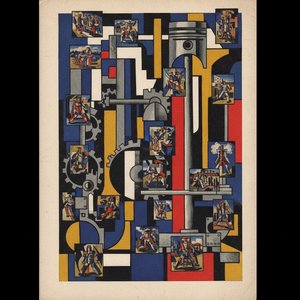
أعمال فيرناند ليجر الخالدة: 25 تحفة فنية تزين منزلك بلمسة عصرية
اكتشف 25 تحفة فنية لفيرناند ليجر، رائد الت تكعيبية والفن الحديث. استكشف قصص لوحاته الجريئة وألوانها المميزة وتأثيرها على عالم الديكور والتصميم الداخلي. احصل على نسخ عالية الجودة من أعمال ليجر الأصلية على OriginalUniqueArt.com.
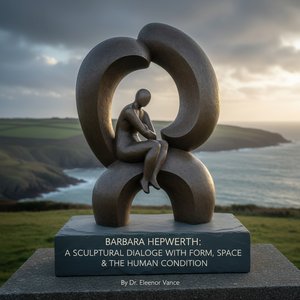
Barbara Hepworth: A Sculptural Dialogue with Form, Space & the Human Condition
Explore the profound world of Barbara Hepworth's sculpture. Discover her artistic evolution, iconic forms, and lasting influence on modern art. A guide for collectors & enthusiasts.

Beyond Form & Color: Geometric Abstraction's Evolution in 20th/21st Century Art
Explore the evolution of geometric abstraction from Cubism to contemporary art. Discover key artists like Malevich & Mondrian, investment insights, and expert collecting advice at OriginalUniqueArt.

أكثر 10 روائع فنية حدّدت حركة التجريد الهندسي | OriginalUniqueArt.com
اكتشف 10 روائع فنية غيرت مسار التجريد الهندسي! تعرف على بيكاسو، موندريان وماليفيتش وغيرهم. لوحات أصلية وإعادة إنتاج فاخرة لديكور عصري. استلهم منزلك مع OriginalUniqueArt.com

Kandinsky's Masterpieces: 25 Paintings That Define Abstract Art | OriginalUniqueArt
Journey through Wassily Kandinsky's 25 most iconic abstract paintings. Explore his revolutionary use of color, form & spiritual expressionism. Find museum-quality Kandinsky reproductions and elevate your home decor with OriginalUniqueArt.com. Discover all masterpieces on OriginalUniqueArt.com!


