Abstraction-Création Surrealism · 1962
Prototype for (باربرا هيبورث, 1962)
أبدع باربرا هيبورث (1903–1975) في Prototype for . يعود تاريخها إلى 1962. تنتمي إلى حركة Abstraction-Création Surrealism. صُنعت من Sculpture Bronze. تُحفظ في The Hepworth Wakefield في ويكفيلد, المملكة المتحدة.
- 1962
- Sculpture Bronze
- The Hepworth Wakefield, ويكفيلد

 لوحة زيتية مرسومة يدوياً
 مشاركة
 مشاركة
 ورقة الحقائق


 تحميل الملف
 قطع مشابهة
 عرض شرائح
 الأسئلة والأجوبة

 الإحصائيات
Prototype for باختصار
- العنوان
- Prototype for
- الفنان
- باربرا هيبورث (1903–1975)
- تاريخ ميلاد الفنان
- ويكفيلد, المملكة المتحدة
- التاريخ
- 1962
- الوسيط الفني
- Sculpture Bronze
- أين يمكن مشاهدتها
- The Hepworth Wakefield, ويكفيلد, المملكة المتحدة
- الموضوع
- sculpture, abstraction, organic form, british art, modernism, geometric holes
ماذا يصور Prototype for ؟
A Pioneer's Vision: Examining Barbara Hepworth’s Prototype for ‘Winged Figure’
Barbara Hepworth (1903–1975), a transformative figure in British sculpture and art history, stands as an emblem of modernist innovation. Born in Wakefield, Yorkshire, her journey began with formative studies at Leeds School of Art before culminating in a prestigious scholarship to the Royal College of Art, where she honed her craft alongside contemporaries like Ben Nicholson and Paul Nash – artists united by a fervent desire to forge a new path for British art amidst the burgeoning Surrealist movement. Hepworth’s artistic trajectory wasn't merely about replicating reality; it was about distilling emotion and concept into tangible form, prioritizing abstraction as a vehicle for conveying profound ideas.The Birth of Form: Conceptual Sculpture and Early Experimentation
Hepworth’s groundbreaking approach to sculpture emerged from the Unit One Art Movement she co-founded in 1933. This collective sought to synthesize Surrealist principles with abstract expressionism, rejecting representational art altogether in favor of exploring the subconscious and conveying inner states through geometric shapes and textures. The “Prototype for ‘Winged Figure’” exemplifies this ethos perfectly—a testament to Hepworth’s unwavering commitment to conceptual exploration before translating it into physical sculpture. Created between 1961 and 1962, this piece represents a crucial step in Hepworth's artistic evolution, demonstrating her meticulous process of refining ideas through preliminary models.Technique and Materiality: Exploring Texture and Negative Space
Hepworth’s distinctive technique involved carving wood – primarily elm – using pneumatic chisels to create hollow forms that emphasized negative space as much as positive mass. This method allowed her to sculpt shapes that seemed to defy gravity, capturing the essence of movement and dynamism while simultaneously conveying a sense of stillness and contemplation. The resulting sculptures possessed an extraordinary tactile quality—smooth surfaces juxtaposed with rough-hewn textures—creating visual and sensory experiences that resonated deeply with viewers. Examining the “Prototype” reveals the precision required to achieve this remarkable effect, highlighting Hepworth’s mastery of material manipulation.Symbolism and Emotion: Representing Flight and Spiritual Resonance
The "Winged Figure" sculpture isn't merely an aesthetically pleasing form; it carries significant symbolic weight. Hepworth herself described her work as “a way of trying to express the feeling of being alive,” reflecting a broader preoccupation with capturing the spiritual dimension of existence within abstract art. The wing-like protrusions—characteristic of Hepworth’s oeuvre—suggest upward movement, aspiration, and liberation from earthly constraints. Moreover, the hollow interior embodies emptiness and openness, inviting contemplation on themes of transcendence and inner harmony. This piece speaks to an enduring fascination with exploring profound emotional truths through visual language.Legacy and Influence: Shaping Modern Sculpture
Barbara Hepworth’s influence extends far beyond her own lifetime, shaping the course of modern sculpture and inspiring generations of artists. Her pioneering exploration of abstraction—coupled with her unwavering dedication to conceptual rigor—established a paradigm for sculptural practice in the mid-20th century. The “Prototype for ‘Winged Figure’” stands as an enduring reminder of Hepworth’s visionary spirit and her profound contribution to artistic innovation, securing her place among the most celebrated sculptors of her era. Its continued presence within collections like The Hepworth Wakefield ensures that Hepworth's groundbreaking aesthetic continues to captivate audiences worldwide.أي متحف يضم Prototype for ؟
The Hepworth Wakefield
ويكفيلد, المملكة المتحدة
هيبورث ويكفيلد: ملاذ النحت والضوء يتربع معرض "هيبورث ويكفيلد" على الضفة الجنوبية لنهر كالدر في مدينة ويكفيلد بمقاطعة غرب يوركشاير، ليكون أكثر من مجرد صالة عرض فنية؛ إنه بيان معماري وشاهد حي على إرث باربرا هيبورث العظيم، واحتفاء متجدد بالفن الحداثي البريطاني الذي لا يزال يلهم الزوار حتى يومنا هذا. ومنذ افتتاحه في عام 2011 بتوقيع مكتب "ديفيد تشيبرفيلد" للهندسة المعمارية، جسّد هذا الصرح روح مَن سُمي باسمها: البساطة، والأناقة، والارتباط العميق بالمناظر الطبيعية المحيطة. أعجوبة معمارية: تتألف المعرض من عشر كتل شبه منحرفة مغلفة بالخرسانة الملونة، وهو اختيار ثوري للمواد يعكس التراث الصناعي لمدينة ويكفيلد بينما يتبنى جمالية عصرية مذهلة.


صور عالية الدقة لـ Prototype for

Protected by copyright: these files are for personal reference, not a licence to republish.
باربرا هيبورث, Prototype for (1962), The Hepworth Wakefield.
أسئلة وإجابات حول Prototype for
أين يمكنني مشاهدة العمل الأصلي "Prototype for" للفنان باربرا هيبورث؟
تُعرض لوحة "Prototype for" للفنان باربرا هيبورث في The Hepworth Wakefield, ويكفيلد, المملكة المتحدة. ويشير وصف المتحف إلى العمل الأصلي، وليس إلى النسخ المطبوعة.
في أي عام أُبدعت "Prototype for" للفنان باربرا هيبورث؟
أُبدع العمل الفني "Prototype for" للفنان باربرا هيبورث في عام 1962.
ما هي التقنية المستخدمة في تنفيذ "Prototype for" للفنان باربرا هيبورث؟
استخدم باربرا هيبورث تقنية Sculpture Bronze في عمل "Prototype for"، وهي التقنية التي تحدد الطبيعة المادية للعمل الأصلي.
ما هي الموضوعات التي يتناولها "Prototype for" للفنان باربرا هيبورث؟
تتضمن الموضوعات المتضمنة في "Prototype for" للفنان باربرا هيبورث كلاً من sculpture, abstraction, organic form, british art, modernism, geometric holes, hepworth، والتي تلخص مجتمعةً فحوى العمل الفني.
هل العمل "Prototype for" ضمن الملكية العامة؟
أما بخصوص حقوق الطبع والنشر، فإن "Prototype for" تندرج ضمن لا تزال محمية بموجب حقوق الطبع والنشر.
من أبدع "Prototype for"؟
يُنسب العمل "Prototype for" إلى باربرا هيبورث.
إلى أي تيار فني تنتمي "Prototype for" للفنان باربرا هيبورث؟
تنتمي "Prototype for" للفنان باربرا هيبورث إلى حركة Abstraction-Création Surrealism، التي تمنح العمل سياقه الأسلوبي.
إلى أي مرحلة من مسيرة باربرا هيبورث الفنية تنتمي لوحة "Prototype for"؟
تندرج لوحة "Prototype for" ضمن مرحلة Mature Period من مسيرة باربرا هيبورث المهنية، وهي مرحلة تتيح مقارنة هذا العمل بأعمال الفنان الأخرى.
كم كان عمر باربرا هيبورث عند إبداع العمل "Prototype for"؟
عندما أُبدع العمل "Prototype for" في عام 1962، كان عمر الفنان باربرا هيبورث - المولود في 1903 - هو 59 عاماً.
عن الفنان، باربرا هيبورث

1903–1975, المملكة المتحدة
باربرا هيبورث
البدايات والنشأة التعليمية ولدت باربرا هيبورث في العاشر من يناير عام 1903 في مدينة ويكفيلد بمقاطعة يوركشاير في إنجلترا، لتكون الابنة الكبرى لكل من جيرترود وهيربرت هيبورث. كان والدها يعمل مهندساً مدنياً في مجلس مقاطعة ويست رايدينج، وهي خلفية مهنية منحت نشأتها أساساً عملياً وهيكلياً رصيناً؛ حيث ساهمت هذه البيئة المبكرة في يوركشاير في صياغة الوعي الفراغي الذي سيحدد لاحقاً نهجها الفريد في التعامل مع الأشكال ثلاثية الأبعاد. بدأت رحلتها التعليمية الرسمية في مدرسة ويكفيلد الثانوية للبنات، وهو المسار الأكاديمي الذي قادها إلى مدرسة ليدز للفنون في عام 1920، حيث بدأت في تطوير الانضباط التقني اللازم للبحث النحتي الجاد. ومع حلول عشرينيات القرن الماضي، انتقلت إلى لندن لتلتحق بالكلية الملكية للفنون، وكانت فترة التدريب هذه ضرورية لترسيخ الصرامة الفكرية التي ميزت أعمالها عن مجرد الزخرفة السطحية؛ فلم تكن باربرا هيبورث تتعلم حرفة فحسب، بل كانت تتقن فن إدراك العلاقة الجوهرية بين المادة والفراغ.السنوات التكوينية والبدايات المهنية تحدد مسار باربرا هيبورث المهني المبكر من خلال سلسلة من التحولات الشخصية والفنية العميقة التي عكست التغيرات الجذرية التي كانت تعصف بالحداثة البريطانية.
وأيضاً لـ باربرا هيبورث
 Barbara Hepworth with the plaster of Figure for Landscape and a bronze cast of Figure (Archaean), November 1964.1964
 Spring (Arts Council Collection)1966
 Hollow Form with White Interior1963
 Prototype for Mrs A.R.T. Richards (Quita)1924
مقالات حول Prototype for
 أكثر 10 روائع فنية حدّدت حركة التجريد الهندسي | OriginalUniqueArt.comاكتشف 10 روائع فنية غيرت مسار التجريد الهندسي! تعرف على بيكاسو، موندريان وماليفيتش وغيرهم. لوحات أصلية وإعادة إنتاج فاخرة لديكور عصري. استل…
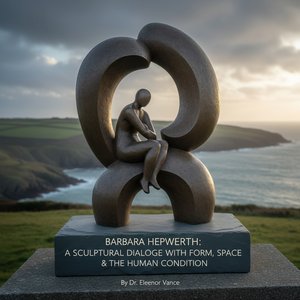 Barbara Hepworth: A Sculptural Dialogue with Form, Space & the Human ConditionExplore the profound world of Barbara Hepworth's sculpture. Discover her artistic evolution, iconic forms, and lasting influence on modern …
 Geometry with Purpose: Distinguishing Suprematism from ConstructivismMaster the differences between Suprematism and Constructivism with our expert guide. Discover the soul of the Russian avant-garde now.