

 معاينة الحجم الواقعي
 إرسال
إرسال مشاركة
 عرض التفاصيل
 دليل الأعمال الفنية للطلاب

 تحميل
تحميل
 قطع مشابهة
 الأشعة السينية
 عرض شرائح متتابع
 الإحصائيات
وعاء الشاي


 اقرأ المزيد
طباعة جيلي / مطبوعات فنية
طباعة جيكلي أو كانفاس بجودة المتاحف، مع سرعة في التنفيذ وخيارات متنوعة للتشطيب. ( اطلب نسخة مرسومة يدويًا التحويل إلى الصورة الرقمية)




P118B E£10

P118H E£10

P118W E£10

P438Z E£10

P508JH E£12

P508YH E£12

P805H E£10

P805Z E£10

P919BZ E£10

P919G E£10

P919XJ E£10

P959ZH E£10

P968JZ E£12

W106C E£8

W218G E£10

W218JH E£8

W218Y E£10

W307PJ E£10

W316G E£10

W316PJ E£8

W316Y E£10

W398PJ E£8

W4111J E£10

W500HY E£15

W500JH E£15

W692G E£12

W849H E£8

W940BG E£15

W953PJ E£8




اختر من بين أحجامنا المُعدّة مسبقاً والتي تتوافق مع النسب الأصلية للعمل الفني.

أدخل العرض والارتفاع اللذين تحتاجهما، ليتناسب مع إطارك أو جدارك. يمكن قص المطبوعة فقط، ولا يمكن أبداً جعلها أكبر من الصورة الأصلية، لذا فإن أي مقاس بشكل مختلف سيؤدي إلى فقدان جزء من الصورة. سنرسل لك نموذجاً رقمياً تجريبياً لاعتماده قبل البدء في عملية الطباعة. الصورة المعروضة في هذه الصفحة لا توضح القص الفعلي — النموذج التجريبي فقط هو ما يظهر ذلك.
توصيل عالمي إلى خلال أسبوعين بدلاً من المدة القياسية البالغة 4/5 أسابيع. (21 أكتوبر)

شحن سريع ومجاني لجميع أنحاء العالم

قماش كتان فاخر

تأمين شامل على الشحن

ضمان استرداد الرسوم الجمركية

ضمان دقة مطابقة الألوان

سياسة الإرجاع خلال 100 يوم (في حالات العيوب فقط)

ضمان استرداد نقدي بنسبة 100%

عرض خصم الكميات
 خيار الزجاج متاح فقط للمقاسات التي تقل عن 110 سم

وعاء الشاي
طباعة جيلي / مطبوعات فنية
مقاس النسخة المطبوعة
-


إجمالي السعر
E£ 4131
عالم الفن الصغير: تحفة بalthasar Wigand وتأثير الإلهام الكلاسيكي
تعتبر لوحة "الوعاء الشاي" لمؤلفها البالفسار ويغاندا تحفة فنية فريدة تجسد شغفًا بالجمال الدقيق والتراث الأثري، وتُعد إضافة قيمة لأي محب للفن أو مصمم داخلي يبحث عن قطعة تعكس روح العصر الكلاسيكي. هذه اللوحة التي رسمها ويغاندا عام ١٨٢٠ هي جزء من مجموعة المتاحف في فيينا، حيث تُعرض في المتحف القومي للتاريخ الطبيعي والعلوم التطبيقية في فيينا، النمسا، وتُعد مثالًا بارزًا على الأسلوب الفني الذي ساد في إنجلترا في بداية القرن التاسع عشر. تتميز اللوحة بتصميم بسيط ولكنه يحمل عمقًا تاريخيًا ونفسيًا، حيث يركز الفنان على تفاصيل دقيقة تُجسّد جوهر الثقافة اليونانية القديمة وتُضفي عليها لمسة من الأناقة والرقي. يتميز الوعاء الشاي بأسلوب الجواخ الذي كان شائعًا في تلك الفترة، ويشتهر بتصوير واقعي للبيئة المحيطة، ويُظهر ذلك بالكامل في اللوحة حيث تم رسم التفاصيل الداخلية بدقة متناهية، بدءًا من شكل الوعاء نفسه وصولًا إلى إضافة بعض أوراق الشاي الصغيرة التي تضفي على العمل لمسة من الحميمية والواقعية. يُعتبر هذا الأسلوب الفني تحديًا كبيرًا للفنان، ويُظهر إتقانه للتفاصيل مدى اهتمامه بالتراث الفني الغربي وتأثير الأفكار الكلاسيكية عليه. إن اختيار اللون البني للوعاء يعكس الارتباط الوثيق بالأرض والتاريخ، ويُضفي على اللوحة هدوءًا وأناقةً تذكر بالبيئة الطبيعية التي كانت تحظى بإعجاب الفنانين في ذلك العصر. كما أن استخدام الذهب للتزيين يرمز إلى القوة والسلطة والرفعة، ويُضيف على العمل لمسة من الفخامة والتألق التي تعكس القيم الجمالية للثقافة اليونانية القديمة وتُظهر مدى تأثيرها على الفن الأوروبي في القرن التاسع عشر. يُعد هذا التكوين البصري دائمًا مصدر إلهام للمبدعين ويُذكرهم بأهمية التراث الفني والتاريخي في تشكيل الهوية الجمالية للإنسان. تعتبر هذه اللوحة مثالًا للجمال الأنيق الذي يمكن أن يحققه الفن الصغير، وتُظهر كيف يمكن للفنان أن يلتقط جوهر الثقافة والفلسفة في قطعة فنية صغيرة الحجم ولكنها غنية بالتفاصيل والإيحاءات البصرية. إنها ليست مجرد صورة للوعاء الشاي، بل هي تعبير عن رؤية الفنان وإبداعه وقدرته على تحويل الأفكار إلى أعمال فنية ملموسة تلامس القلوب والعقول وتُضفي على البيئة الداخلية لمسة من الجمال والتاريخ.- الأسلوب الفني: الجواخ
- المادة الأساسية للوحة: القماش
- الفترة الزمنية: القرن التاسع عشر
- مكان العرض: المتحف القومي للتاريخ الطبيعي والعلوم التطبيقية في فيينا، النمسا
الأسئلة والأجوبة
هل تُظهر لوحة "وعاء الشاي" تباينات قوية بين الضوء والظلال؟
يُسجل التباين بين الضوء والظلال في "وعاء الشاي" بمستوى بيان. ويصف التباين مدى قوة الاختلاف بين المناطق الفاتحة والمظلمة.
من أين يأتي زوار "وعاء الشاي" للفنان Balthasar Wigand؟
توجد صفحة الإحصائيات خاصة بـ "وعاء الشاي"، حيث تعرض مخططاً للزيارات الشهرية لهذا العمل الفني ولأعمال الفنان الأخرى، مع تفصيل حسب الدولة واللغة.
ما هي الاستخدامات الموصى بها لنسخة مطبوعة من "وعاء الشاي" للفنان Balthasar Wigand؟
الاستخدام المقترح لـ "وعاء الشاي" للفنان Balthasar Wigand هو لمسة لونية، كما يمكن استخدامه لأغراض أخرى أيضاً.
مقالات ذات صلة
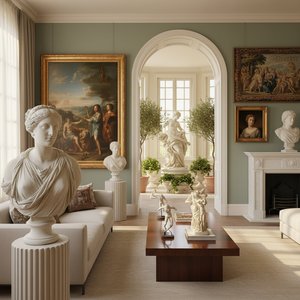
Neo-Classicism's Greatest Hits: 10 Masterpieces for Your Home |
Journey through Neo-Classicism's finest! Explore 10 iconic masterpieces by David, Ingres & Canova. Discover art history, techniques & timeless beauty – perfect for inspiring your home decor. Find museum-quality reproductions at
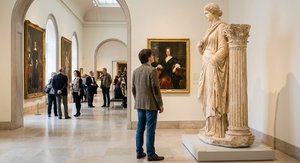
The Enduring Legacy of Classical Style: Form, Narrative & Influence in Art
Explore the enduring legacy of classical art – from ancient Greece & Rome to Neoclassicism. Discover key artists, philosophical roots & build a timeless collection with OriginalUniqueArt's expert guidance.
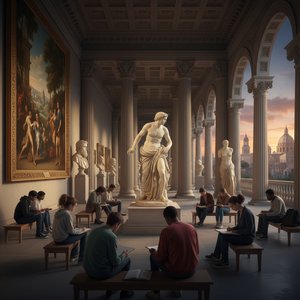
The Enduring Legacy of Classicism: Principles, Evolution & Influence in Western Art
Explore the enduring legacy of Classicism in Western art! Discover its historical context, key principles, iconic masterpieces & lasting influence. Learn about Renaissance and Neoclassical movements with OriginalUniqueArt.
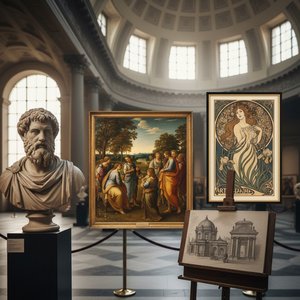
Timeless Resonance: Exploring Classic Vibe in Art – A Historical & Aesthetic Analysis
Explore the rich history & enduring aesthetic of Classicism art! Discover key movements, iconic artists like Raphael & David, and its lasting influence on Western art. Deepen your appreciation today.
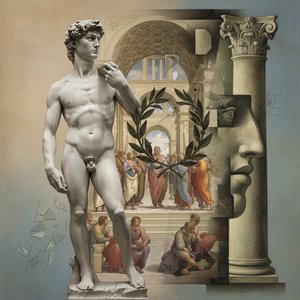
The Enduring Echo of Antiquity: Classical Ideals in Art from Renaissance to Modernism
Explore the lasting impact of classical ideals on art from the Renaissance to Modernism. Discover key movements, iconic artists & find museum-quality reproductions at OriginalUniqueArt.
