
 معاينة الحجم الحقيقي
 مشاركة
 مشاركة
 التفاصيل

 تحميل الملف
 قطع مشابهة
 الأشعة السينية
 عرض شرائح
 الإحصائيات
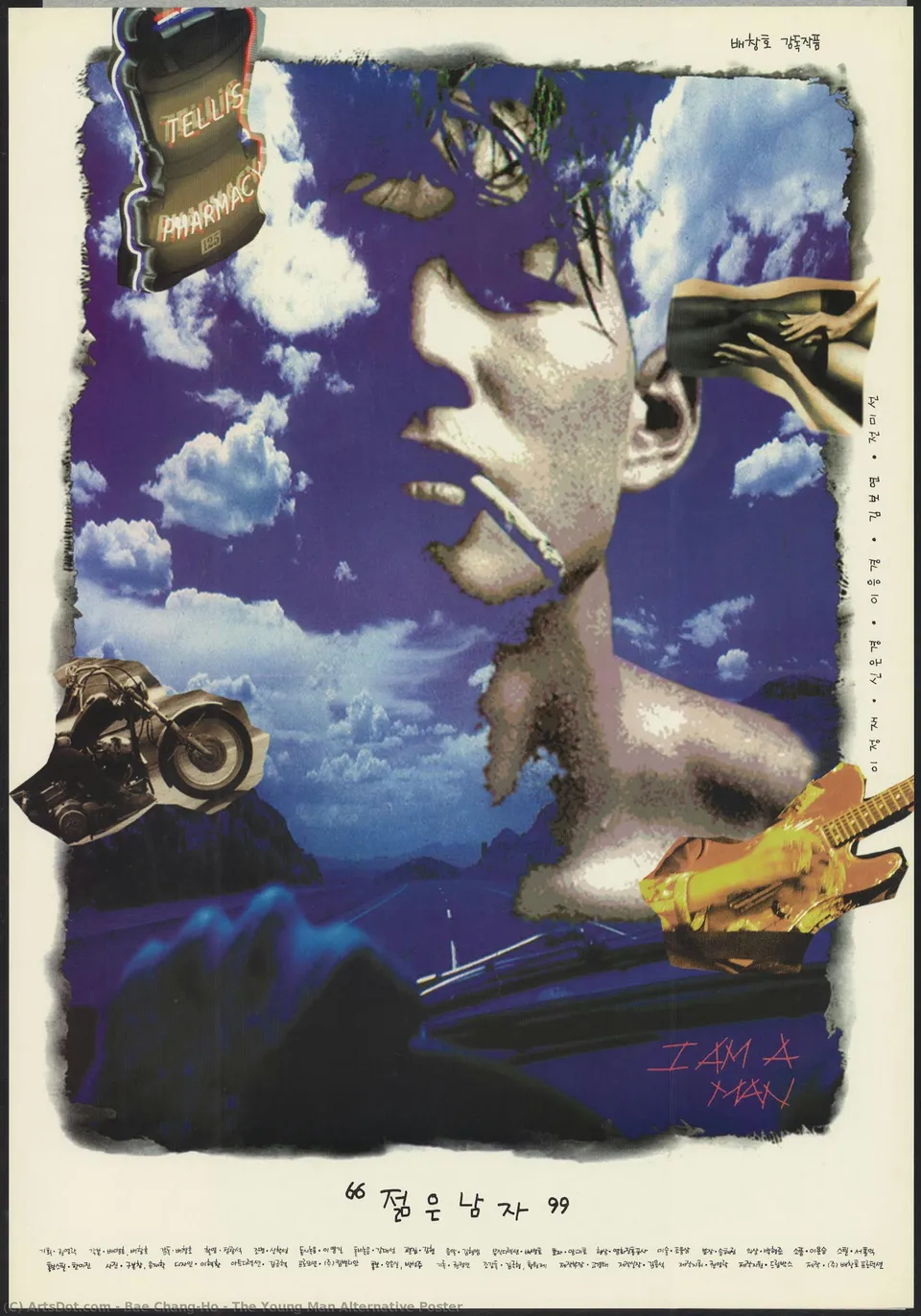
The Young Man Alternative Poster
 Painting
- Contemporary Realism
 1994
1994- Contemporary
 61.0 x 88.0 cm
 أرشيف الفيلم الكوري
 عرض المزيد
احصل على صورة رقمية عالية الدقة ومعزّنة، بجودة تفوق بكثير المعاينة عبر الإنترنت.
يتم إعداد كل ملف بعناية فائقة من قبل متخصصينا الداخليين باستخدام أدوات متقدمة ولمسات يدوية خبيرة. نضمن أن تتمتع كل صورة بوضوح استثنائي، ودقة لونية متناهية، وتفاصيل دقيقة.
يتم تسليم الملف النهائي عبر البريد الإلكتروني في غضون 72 ساعة، وهو مُحسَّن للاستخدام الفوري في المجالات المهنية والتحريرية ومجالات الطباعة. هذه هي ذات الجودة التي تعتمد عليها كبرى استوديوهات التصميم ودور النشر والمعارض الفنية المرموقة.
صورة رقمية
حمّل ملفاً عالي الدقة للعرض الشخصي، والطباعة، والمشاريع الإبداعية. ( التحويل إلى المطبوعات اشترِ لوحة مرسومة يدويًا)
مزايا مُضمّنة في كل طلب صورة رقمية
تسليم رقمي احترافي، مضمون
عندما تختار OriginalUniqueArt.com، فأنت لا تحصل على مجرد صورة فحسب، بل ستحصل على عمل فني رقمي مُحسّن باحترافية، صُمم بدقة متناهية ومصحوب بضمان الرضا. إليك كل ما يتضمنه طلبك تلقائياً:

تسليم سريع عبر البريد الإلكتروني
ستصلك ملفات صورك الرقمية عالية الدقة عبر البريد الإلكتروني في غضون 72 ساعة من إتمام الطلب - لتكون جاهزة للاستخدام الفوري.

ملف رقمي مُحسّن بالذكاء الاصطناعي
يتم تحسين عملك الفني باحترافية باستخدام أدوات الذكاء الاصطناعي المتقدمة والتحرير اليدوي، لضمان أقصى درجات التفاصيل والوضوح ودقة الألوان.

إعادة إرسال مجانية مدى الحياة
هل حذفت ملفك أو فقدته عن طريق الخطأ؟ لا تقلق - سنعيد إرساله إليك في أي وقت، ومجاناً.

بدون رسوم استيراد - على الإطلاق
استمتع بأعمالك الفنية فوراً دون أي رسوم جمركية أو ضرائب أو مصاريف شحن - فالتحميلات الرقمية دائماً ما تكون معفاة من الضرائب.

ضمان دقة الألوان
نحن نضمن أن تعكس صورتك الرقمية الألوان الأصلية بأقصى قدر ممكن من الدقة، وذلك باستخدام أدوات احترافية وتقنيات إدارة الألوان.

ضمان الرضا لمدة 100 يوم
إذا لم تكن راضياً عن صورتك الرقمية، فسنقوم بتعديلها أو استرداد 100% من قيمتها خلال 100 يوم - دون طرح أي أسئلة.

ضمان استعادة الأموال بنسبة % 100
لم تكن راضياً؟ استرد كامل المبلغ خلال 100 يوم من استلام ملفك الرقمي - دون طرح أي أسئلة.

خصومات الطلبات الكبيرة
اشتري 3 صور، ووفر 10% - اشتري 5، ووفر 15% - اشتري +10، ووفر 20%. مثالية للمشاريع الإبداعية، والمعارض، والوكالات.
A Cinematic Vision in Paint: The Essence of Introspection
In the evocative realm of The Young Man Alternative Poster, we encounter more than just a portrait; we enter a carefully constructed psychological landscape. Created in 1994, this piece serves as a profound visual meditation on the themes of youth and transition. At its heart lies a young man, his gaze drifting toward an unseen horizon, lost in a moment of deep contemplation. The presence of a cigarette, trailing a subtle hint of smoke, adds a layer of melancholic realism, grounding the subject in a tangible, human vulnerability. Through the masterful use of a deep blue background, the artist envelops the subject in an atmosphere of nocturnal stillness, inviting the viewer to share in his quiet, internal dialogue.
The composition is a brilliant tapestry of symbolic fragments that extend far beyond the central figure. As one explores the canvas, unexpected elements emerge like memories surfacing in a dream: a distant boat drifting in the upper reaches of the frame, a motorcycle poised at the edge of the scene, and a clock marking the relentless passage of time. These objects—a handbag, a vessel, a machine—act as anchors to a larger, perhaps more chaotic, world that exists just outside the subject's immediate focus. This juxtaposition of the solitary individual against symbols of movement and commerce creates a rich narrative tension, suggesting a soul caught between the desire for stillness and the inevitable momentum of life.
The Legacy of Bae Chang-ho: A Master of Mood
To understand the emotional weight of this work, one must look to the cinematic heritage of its creator, Bae Chang-ho. As a titan of 1980s South Korean cinema, Chang-ho became the definitive voice for a generation navigating the turbulent waters of rapid modernization and social upheaval. His ability to capture the "bittersweet realities" of existence—the ache of longing and the weight of societal change—is translated here into a static yet breathing medium. The painting functions as an alternative poster not just in name, but in spirit; it is a window into the cinematic soul, where every brushstroke carries the weight of a screenplay's subtext.
For the discerning collector or interior designer, this reproduction offers a sophisticated focal point that transcends mere decoration. The cool palette and layered symbolism provide a sense of intellectual depth, making it an ideal centerpiece for spaces designed for reflection, such as a private study, a contemporary lounge, or a curated gallery wall. It is a piece that does not demand attention through loudness, but rather commands it through its profound, quiet intensity, offering a timeless elegance that resonates with anyone who has ever found themselves lost in thought.
السيرة الذاتية للفنان
Bae Chang-ho: A Voice of Youth and Societal Change in Korean Cinema
Bae Chang-ho, born on May 16th, 1953, in Daegu, South Korea, is a cinematic figure inextricably linked to the vibrant and transformative period of 1980s Korean cinema. More than just a director, he’s a chronicler of youthful anxieties, burgeoning social shifts, and the bittersweet realities of love and loss – themes that continue to resonate deeply with audiences today. His work isn't simply entertainment; it’s a poignant reflection on a nation grappling with rapid modernization and the evolving identity of its younger generation. Initially trained as an elementary school teacher, Chang-ho’s decision to pursue filmmaking marked a significant departure, fueled by a desire to capture the complexities of contemporary Korean life through the lens of narrative storytelling.Early Career and Breakthrough Success
Chang-ho's directorial debut, *People of Kkobang Neighborhood* (1982), immediately established him as an artist attuned to the nuances of everyday Korean society. This film, a quiet observation of life in a working-class neighborhood, showcased his early talent for capturing authentic human experiences and subtle emotional landscapes. However, it was with *Whale Hunting* (1984) that he truly burst onto the scene, achieving critical acclaim and commercial success. The film’s exploration of male friendship, youthful ambition, and the pressures of societal expectations – all set against the backdrop of a burgeoning fishing industry – quickly cemented Chang-ho's reputation as a director capable of blending intimate character studies with broader social commentary. This early work demonstrated a willingness to tackle difficult subjects with sensitivity and nuance, qualities that would become hallmarks of his subsequent films.The Melodramatic Heart of the 80s
The mid-1980s witnessed a golden age for Korean melodrama, and Chang-ho became one of its most prominent voices. Films like *Our Sweet Days of Youth* (1987), *Hello, God!* (1987), and *The Dream* (1990) are considered classics of this era, characterized by their emotionally charged narratives, memorable soundtracks, and exploration of themes such as first love, heartbreak, and the search for meaning. These films weren’t simply romantic dramas; they were deeply embedded in the social context of a rapidly changing Korea, reflecting anxieties about tradition versus modernity, family expectations, and individual desires. *Our Sweet Days of Youth*, in particular, stands out for its evocative portrayal of youthful idealism and the disillusionment that often accompanies it.Exploring Complex Themes and Artistic Evolution
As the decade progressed, Chang-ho’s work began to evolve beyond straightforward melodrama. *Stairways of Heaven* (1992) offered a more introspective look at grief and loss, while *The Young Man* (1994) delved into themes of identity and alienation. His later films, such as *Love Story* (1996), *My Heart* (2000), and *The Last Witness* (2001), continued to grapple with complex social issues, often exploring the darker side of human relationships and the challenges of navigating a rapidly changing world. Notably, *Deep Blue Night* (1985) is frequently cited as a pivotal work, showcasing his mastery of visual storytelling and his ability to evoke powerful emotions through subtle details and evocative imagery.Legacy and Influence
Bae Chang-ho’s impact on Korean cinema is undeniable. He played a crucial role in establishing the 1980s as a period of significant artistic innovation, paving the way for future generations of Korean filmmakers. His films continue to be studied and celebrated for their insightful portrayal of youth culture, social change, and the complexities of human emotion. He’s considered one of the most commercially successful directors of his era, yet he consistently prioritized artistic integrity over immediate financial gain. His work serves as a powerful reminder of the enduring power of cinema to reflect and shape our understanding of the world around us – a legacy that continues to inspire filmmakers and audiences alike.
Bae Chang-ho
1953 - , South Korea
لمحة سريعة
- Artistic Movement Or Style: Korean melodrama
- Artists Or Movements Influenced By This Artist: ['Korean New Wave']
- Artists Who Influenced This Artist: ['None specified']
- Date Of Birth: May 16, 1953
- Full Name: Bae Chang-ho
- Nationality: South Korean
- Notable Artworks:
- People of Kkobang Neighborhood
- Whale Hunting
- Our Sweet Days of Youth
- Hello, God!
- The Dream
- Stairways of Heaven
- Love Story
- My Heart
- Place Of Birth: Daegu, South Korea