معاينة الحجم الواقعي
 إرسال
إرسال مشاركة
 عرض التفاصيل
 دليل الأعمال الفنية للطلاب

 تحميل
تحميل
 قطع مشابهة
 الأشعة السينية
 عرض شرائح متتابع
 الإحصائيات
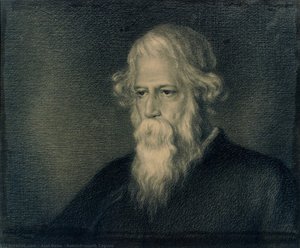
Rabindranath Tagore
 Oil On Canvas
- WallArt
- Contemporary Realism
 1952
1952- 19th Century
 60.0 x 50.0 cm
 Victoria Memorial Hall
 اقرأ المزيد
إن العمل الفني المعروض في هذه الصفحة محمي بموجب قوانين حقوق الطبع والنشر، مما يعني أنه لا يحق لنا قانوناً إنشاء أو بيع نسخ مطابقة له. وتُطبق هذه الحماية بموجب الاتفاقيات الدولية مثل الـ اتفاقية برن ووفقاً للقوانين الوطنية، بما في ذلك تلك المنصوص عليها في قانون حقوق الطبع والنشر في الولايات المتحدة - الباب 17.
وكبديل قانوني ومحترم، نقدم أعمالاً فنية مخصصة ومرسومة يدوياً مستوحاة من العمل الأصلي. حيث يقوم فنانونا المهرة والمحترفون بدراسة أسلوب العمل الأصلي، وأجوائه، وجوهره الفني بعناية فائقة لابتكار قطعة جديدة وفريدة تثير الشعور ذاته - مع بقائها عملاً أصيلاً بحد ذاته.
تتوافق هذه الطريقة تماماً مع لوائح حقوق النشر لأنها لا تتضمن نسخ أو تكرار العمل الفني المحمي، بل هي إعادة تفسير إبداعية؛ أي أنها لوحة جديدة مستوحاة من الأصل ولكنها ليست مطابقة له.
نسخة زيتية مصنوعة يدوياً
لوحة زيتية مرسومة يدوياً على الكانفاس بالمقاس والإطار الذي تفضله، تُنفذ حسب الطلب على أيدي فنانينا. ( التبديل إلى المطبوعات التحويل إلى الصورة الرقمية)




P118B E£10

P118H E£10

P118W E£10

P438Z E£10

P508JH E£12

P508YH E£12

P805H E£10

P805Z E£10

P919BZ E£10

P919G E£10

P919XJ E£10

P959ZH E£10

P968JZ E£12

W106C E£8

W218G E£10

W218JH E£8

W218Y E£10

W307PJ E£10

W316G E£10

W316PJ E£8

W316Y E£10

W398PJ E£8

W4111J E£10

W500HY E£15

W500JH E£15

W692G E£12

W849H E£8

W940BG E£15

W953PJ E£8




اختر من بين أحجامنا المُعدّة مسبقاً والتي تتوافق مع النسب الأصلية للعمل الفني.

أدخل العرض والارتفاع اللذين تحتاجهما، ليتناسب العمل مع إطارك أو جدارك. وبما أن هذه اللوحة مرسومة يدوياً، ففي حال اختيار مقاس بشكل مختلف، يمكن للفنان رسم مساحة إضافية حول الصورة أو تقليصها قليلاً — الخيار لك. سنرسل لك نموذجاً رقمياً تجريبياً لاعتماده قبل البدء في الرسم. علماً بأن الصورة المعروضة في هذه الصفحة لا تعكس النتيجة النهائية الحقيقية — فالنموذج التجريبي هو الوحيد الذي يوضح ذلك بدقة.
بعد إتمام الطلب، سيرسل فريق OriginalUniqueArt.com بريداً إلكترونياً للعميل لطلب التعليمات وتزويده بمعاينة تجريبية (mockup).
توصيل عالمي إلى خلال 3 إلى 4 أسابيع بدلاً من المدة المعتادة البالغة 5 أسابيع. (25 أكتوبر). جودة لا تهاون فيها.

شحن سريع ومجاني لجميع أنحاء العالم

قماش كتان فاخر

تأمين شامل على الشحن

ضمان استرداد الرسوم الجمركية

ضمان دقة مطابقة الألوان

سياسة الإرجاع خلال 100 يوم (في حالات العيوب فقط)

ضمان استرداد نقدي بنسبة 100%

عرض خصم الكميات
 خيار الزجاج متاح فقط للمقاسات التي تقل عن 110 سم

Rabindranath Tagore
وسيط إعادة الإنتاج
مقاس النسخة المطبوعة
-


إجمالي السعر
E£ 15526
A Portrait of Intellectual Grace: Rabindranath Tagore by Atul Basu
This evocative portrait of Rabindranath Tagore, rendered in 1952 by the esteemed Indian painter Atul Basu, transcends a simple likeness; it’s an embodiment of the poet and philosopher's profound intellect and contemplative spirit. Painted during a pivotal period of his life – shortly after receiving the Nobel Prize for Literature – the artwork captures Tagore not merely as a celebrated figure, but as a man steeped in wisdom and perhaps a touch of melancholy, qualities that resonate deeply within the painting’s carefully constructed composition.
Artistic Technique and Historical Context
- Style & Medium: The work exemplifies representational portraiture executed with a mastery of oil paint on canvas. Basu's brushwork, subtly visible in the photograph, reveals a traditional technique rooted in post-impressionist influences, particularly evident in Walter Sickert’s approach to capturing human emotion through light and shadow.
- Artist Background: Atul Basu (1898-1977), born in Mymensingh, India, was a significant figure in the development of Indian modern art. His training at the Royal Academy in London exposed him to European artistic trends while firmly grounding his work within an Eastern sensibility. He played a crucial role in establishing and directing institutions like the Indian School of Oriental Art, contributing significantly to the preservation and promotion of traditional Indian artistic values.
- Historical Significance: Created in 1952, the painting reflects a moment of international recognition for Tagore’s literary achievements, solidifying his place as one of the world's most influential thinkers and writers. The artwork serves as a visual testament to this legacy.
Compositional Elements and Symbolism
The portrait adheres to a classic bust-length format, centering Tagore’s face and upper torso – a deliberate choice that fosters a direct connection with the viewer. The dark, indistinct background serves to heighten the subject's presence, emphasizing his dignified gaze. Notably, Tagore is depicted in a red robe, a color often associated with spirituality and authority within Indian traditions, subtly reinforcing his role as a respected intellectual leader and perhaps hinting at his Upanishadic ideals of education.
Color Palette and Emotional Impact
Basu’s masterful use of warm tones – reds, yellows, and whites – creates an atmosphere of serenity and contemplation. The soft, diffused lighting eliminates harsh shadows, further contributing to the painting's sense of wisdom and introspection. Tagore’s expression, a blend of intelligence and melancholy, invites viewers to contemplate the complexities of human thought and experience. The layering of colors within the robe adds depth and texture, enhancing the overall visual richness of the piece.
Dimensions and Materials
This reproduction is presented in a substantial 60 x 50 cm format, ensuring that it will make a significant statement within any interior space. The artwork is meticulously crafted using high-quality materials to faithfully replicate the original’s texture and color depth, offering collectors and art enthusiasts alike an authentic representation of Atul Basu's remarkable talent.
الأسئلة والأجوبة
ما هو المكان والغرض الموصى به لـ "Rabindranath Tagore"؟
يُنصح بوضع "Rabindranath Tagore" للفنان أتول باسو لغرض Reflective، ويُفضل أن يكون ذلك في Living Room. إن الجمع بين طريقة الاستخدام والمساحة المتاحة يساعد في تحديد المكان الأمثل لوضع هذه النسخة الفنية.
كيف يمكنني معاينة نسخة من "Rabindranath Tagore" للفنان أتول باسو؟
تتيح لك صفحة معاينة الخاصة بـ "Rabindranath Tagore" معاينة العمل الفني قبل الطلب.
ما مدى حدة الألوان في "Rabindranath Tagore" للفنان أتول باسو؟
تتميز شدة ألوان "Rabindranath Tagore" بأنها Monochromatic. وتصف الشدة مدى قوة ووضوح الألوان.
نبذة عن الفنان
بداياته التعليمية ونشأته
أتول باسو، الرسام الهندي المرموق، أبصر النور في الثاني والعشرين من فبراير عام 1898 في مدينة ميمينسينغ، التي كانت آنذاك تابعة لرئاسة البنغال. لقد كانت طفولته في بلدة ميمينسينغ هي الحجر الأساس الذي أرسي دعائم مساعيه الفنية المستقبلية؛ حيث بدأت رحلته التعليمية في المجلس الوطني للتعليم بفرع ميمينسينغ، لتتوج لاحقاً بدراساته المتعمقة في أكاديمية جوبيلي للفنون في كولكاتا.مسيرته المهنية ومصادر إلهامه
إن المنحة الدراسية التي حصل عليها باسو من جامعة كلكتا كانت بوابة عبوره نحو العالمية، حيث قادته لدراسة الفن في الأكاديمية الملكية بلندن (1924-1926)، وهناك تفتحت آفاقه تحت تأثير المدرسة ما بعد الانطباعية، وتحديداً أعمال الفنان والتر سيكرت. ومن اللحظات التي تجلت فيها استقلالية رؤيته الفنية، رفض باسو دعوة لتزيين جناح في معرض الإمبراطورية البريطانية، مؤكداً بذلك التزامه الصارم برؤيته الفنية الخاصة. ولم يكتفِ باسو بالإبداع الفردي، بل ساهم في تأسيس المدرسة الهندية للفن الشرقي عام 1921 مع باباني تشاران لاها، وتولى لاحقاً منصب مدير الكلية الحكومية للفنون والحرف. وتتجلى براعته الفائقة في التعامل مع الألوان الزيتية من خلال أعمال خالدة مثل أبو الهول (زيت على خشب رقائقي) وبورتريه ذاتي (1945).أعمال بارزة ومجموعات فنية
تتنوع المقتنيات التي تضم روائع باسو، حيث تشمل:* أبو الهول (زيت على خشب رقائقي)
* بورتريه ذاتي (1945)
* لوحات بورتريه من المجموعات الأصلية في قلعة وندسور وقصر باكنغهام، والتي تم تكليف رسمها من قبل الحكومة الهندية.
وتوجد أعماله أيضاً ضمن مجموعات مرموقة مثل:
- متحف كيران نادار للفنون (KNMA)
- المعرض الوطني للفن الحديث
- المتحف الهندي
- مبنى البرلمان، نيودلهي
- راج بهافان، كولكاتا
الجوائز والتقدير
تقديراً لمسيرته الحافلة، نال باسو درجة الدكتوراه الفخرية من جامعة رابيندرا بهاراتي في كلكتا عام 1970. استعرض المزيد من أعمال أتول باسو على OriginalUniqueArt.com:* أتول باسو | أعمال فنية
* مجموعة فيرا بلومنر كوبا في المعرض الوطني للفن الحديث، الهند
استكشف المزيد من الفنانين الهنود وأعمالهم على OriginalUniqueArt.com:
* باثيك ساهو | فنان
* بيير جين دافيد دانجرس: إيميل جين هوراس فيرني (1789-1863)

أتول باسو
1898 - 1977 , الهند
مقالات ذات صلة
George Catlin: Witnessing & Representing Indigenous Life on the American Frontier
Explore the captivating art of George Catlin, renowned for his vivid portraits & landscapes documenting Native American life on the frontier. Discover a vanishing world through stunning paintings and historical context.
Joseph Henry Sharp: Capturing the Spirit of the Plains – Life, Art & Legacy
Explore the life & art of Joseph Henry Sharp, a founding member of the Taos Society of Artists renowned for his realistic depictions of Native American culture and Western landscapes. Discover his legacy with OriginalUniqueArt.

Panoramic Visions of Empire: The Daniells’ Artistic Collaboration & Legacy
Explore the captivating 'Oriental Scenery' by Thomas & William Daniell. Discover their pioneering aquatint prints of India, imperial context, artistic collaboration, and lasting legacy. A deep dive for history lovers.
Shadow Catcher: Edward S. Curtis & the Ethnographic Portraiture of a Vanishing West
Explore the life & work of Edward S. Curtis, the 'Shadow Catcher,' and his groundbreaking photographic documentation of Native American cultures. Discover iconic images from *The North American Indian* and a critical look at his lasting legacy.

Raja Ravi Varma: Bridging Tradition & Modernity in 19th-Century Indian Art
Explore the life & art of Raja Ravi Varma, a pioneer who fused European techniques with Indian iconography. Discover his iconic paintings, lasting legacy, and influence on modern Indian art at OriginalUniqueArt.