معاينة الحجم الواقعي
 مشاركة
 مشاركة
 التفاصيل
 دليل
دليل

 تحميل الملف
 قطع مشابهة
 الأشعة السينية
 عرض شرائح
 الأسئلة والأجوبة
 الإحصائيات
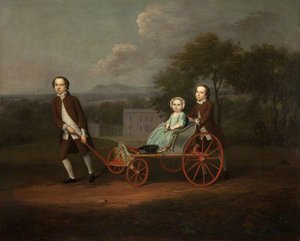
ماري دو كان، ناي نوريس

- 74.0 x 53.0 cm


 عرض المزيد
طباعة جيلي / مطبوعات فنية
طباعة جيكلي أو كانفاس بجودة المتاحف، مع سرعة في التنفيذ وخيارات متنوعة للتشطيب. ( شراء لوحة مرسومة يدويًا الانتقال إلى الصورة الرقمية)




P118B E£10

P118H E£10

P118W E£10

P438Z E£10

P508JH E£12

P508YH E£12

P805H E£10

P805Z E£10

P919BZ E£10

P919G E£10

P919XJ E£10

P959ZH E£10

P968JZ E£12

W106C E£8

W218G E£10

W218JH E£8

W218Y E£10

W307PJ E£10

W316G E£10

W316PJ E£8

W316Y E£10

W398PJ E£8

W4111J E£10

W500HY E£15

W500JH E£15

W692G E£12

W849H E£8

W940BG E£15

W953PJ E£8




اختر من بين أحجامنا المُعدّة مسبقاً والتي تتوافق مع النسب الأصلية للعمل الفني.

أدخل العرض والارتفاع المطلوبين ليتناسب المقاس مع إطارك أو جدارك. يرجى الملاحظة أن المطبوعة يمكن قصها فقط ولا يمكن تكبيرها لتتجاوز أبعاد الصورة الأصلية، لذا فإن اختيار مقاس بأبعاد مختلفة سيؤدي إلى فقدان جزء من الصورة. سنرسل لك نموذجاً رقمياً تجريبياً لاعتماده قبل البدء في عملية الطباعة. الصورة المعروضة في هذه الصفحة لا توضح شكل القص الفعلي — النموذج التجريبي فقط هو ما يظهر ذلك بدقة.
توصيل عالمي إلى خلال أسبوعين بدلاً من المدة القياسية البالغة 4/5 أسابيع. (10 نوفمبر)

شحن سريع ومجاني لجميع أنحاء العالم

قماش كتان عالي الجودة

تأمين شامل على الشحن

ضمان استرداد الرسوم الجمركية

ضمان مطابقة الألوان الحقيقية

سياسة الإرجاع خلال 100 يوم (في حالات العيوب فقط)

ضمان استرداد نقدي بنسبة 100%

خصم عند طلب كميات
 خيار الزجاج متاح فقط للمقاسات التي تقل عن 110 سم

ماري دو كان، ناي نوريس
طباعة جيلي / مطبوعات فنية
مقاس النسخة المطبوعة
-


إجمالي السعر النهائي
E£ 4250
Mary du Cane, née Norris: A Portrait of Quiet Dignity
Arthur William Devis’s “Mary du Cane, née Norris” stands as a testament to the understated elegance characteristic of Georgian portraiture and, crucially, embodies the burgeoning fascination with capturing psychological depth within formal depictions. Painted in 1749, this canvas offers more than just a likeness; it presents an intimate glimpse into the life and character of Mary Du Cane herself – a woman whose quiet dignity radiates from the canvas.
Devis’s stylistic approach aligns perfectly with the prevailing trend of “conversation pieces,” which sought to portray subjects engaged in domestic activities or contemplating philosophical ideas. Unlike grand historical narratives, these portraits prioritized conveying emotion and capturing the subtleties of human experience. Here, Mary Du Cane is seated gracefully on a chair draped in rich fabrics—a deliberate choice reflecting the social status of her family.
- Style: Georgian Portraiture – Marked by refined compositional arrangements and meticulous attention to detail.
- Technique: Devis employed oil paint on canvas, utilizing glazing techniques to achieve luminous colors and subtle tonal variations that enhance the realism of Mary’s features and drapery. The artist skillfully blended light and shadow to sculpt form and create a sense of three-dimensionality.
- Historical Context: The painting reflects the aristocratic tastes of the period, where portraiture served as both a commemoration of lineage and an expression of social aspiration. It exemplifies the desire to portray individuals not merely as physical representations but as embodiments of virtue and intellect.
The composition itself is carefully considered—Mary’s gaze directs towards the viewer, establishing a connection that transcends mere visual observation. This directness speaks volumes about Du Cane's composure and confidence – qualities valued within Georgian society. The subtle inclusion of decorative elements—such as the embroidered shawl draped over Mary’s shoulders—further underscores her familial heritage and reinforces the painting’s overarching theme of refined taste.
Beyond its aesthetic merits, “Mary du Cane, née Norris” resonates with a profound emotional impact. It invites contemplation on themes of femininity, grace, and inner resilience – qualities that continue to inspire admiration centuries later. The painting's enduring appeal lies in its ability to capture not just a woman’s appearance but also her spirit—a remarkable achievement for Devis and a cornerstone of Georgian portraiture’s legacy.
Arthur William Devis: A Provincial Eye on Georgian Life
Born in London in 1762, Arthur William Devis descended from a family distinguished by artistic talent. Following in the footsteps of his elder brother Thomas Anthony Devis—also a painter—he pursued formal training at Westminster School and later apprenticed under John Raphael Smith, a prominent Flemish topographical artist.
Smith’s influence undoubtedly shaped Devis's technique, fostering an appreciation for meticulous observation and skillful rendering. However, Devis swiftly transitioned to portraiture, establishing himself as a respected artist within the provincial circles of England. His success wasn’t meteoric; rather, it was built upon consistent dedication and a keen understanding of his patrons’ desires.
Devis's oeuvre encompasses both historical subjects and intimate portraits—a duality that reflects the broader artistic currents of his time. He gained particular renown for his depictions of naval life, notably “The Death of Nelson,” which powerfully conveyed emotion and commemorated a pivotal moment in British history. This monumental canvas exemplifies Devis’s ability to transform visual representation into an instrument of commemoration.
Conversation Piece Portraiture: Capturing Character & Emotion
Devis's work aligns seamlessly with the broader trend of “conversation piece” portraiture—a genre that flourished during the Georgian era. Unlike earlier portraits focused solely on conveying status, conversation pieces aimed to portray subjects engaged in domestic activities or contemplating philosophical ideas.
Artists like Devis recognized that true artistry lay not merely in replicating appearances but in capturing psychological depth and conveying emotion. This approach demanded a nuanced understanding of human behavior and an ability to translate inner states into visual form—a challenge that Devis embraced wholeheartedly.
Rediscovering Devis’s Legacy
Despite his considerable reputation during his lifetime, Devis's paintings largely faded from public consciousness after his death in 1822. However, a resurgence of interest in Georgian art and the conversation piece genre has brought Devis’s work back into focus—demonstrating its enduring artistic merit and prompting renewed appreciation for his contribution to British painting history.
الأسئلة والأجوبة
ما هو الحجم والاتجاه الموصى بهما لطباعة "ماري دو كان، ناي نوريس"؟
بالنسبة لـ "ماري دو كان، ناي نوريس"، يُنصح بالطباعة بحجم كبير وبوضعية رأسي.
ماذا يصور "ماري دو كان، ناي نوريس"؟
تتمثل موضوعات "ماري دو كان، ناي نوريس" في portraiture, woman, pink dress, blue bow, landscape background, family portrait, conversation piece, naval history.
كيف تندرج لوحة "ماري دو كان، ناي نوريس" ضمن المسيرة الفنية لـ آرثر ويليام ديفيس؟
ينتمي العمل "ماري دو كان، ناي نوريس" إلى نتاج آرثر ويليام ديفيس ضمن مدرسة Georgian Portraiture، التي تتناول موضوعاتها المسجلة georgian style, domestic tranquility, family portraiture tradition, naval dignity, conversation piece genre.
السيرة الذاتية للفنان
آرثر ويليام ديفيس (1762–1822): اليد الرقيقة لفن البورتريه والتاريخ
كان آرثر ويليام ديفيس (19 فبراير 1712 – 25 يوليو 1787) رساماً إنجليزياً، نشأ في كنف عائلة فنية بامتياز، حيث كان والده أنتوني هو المؤسس لما أصبح لاحقاً سلالة من الرسامين والكتاب. ويحتل ديفيس مكانة خاصة في تاريخ الفن، لاسيما كونه رائداً في نوع من اللوحات الشخصية يُعرف اليوم باسم "لوحات الحوار" (conversation piece). بدأت رحلته الفنية بالانتقال إلى لندن، حيث تلمذ على يد فنان طبوغرافي فلمنكي، ومن ثم تحول نحو فن البورتريه ليحقق شهرة واسعة، رغم أن هذا النجاح لم يدم طويلاً؛ إذ عجز عن مواكبة التيارات الفنية المتغيرة في عصره، مما أدى إلى تراجع طلب التكليفات الفنية عليه، وغاب اسمه عن الأضواء بعد وفاته حتى شهد القرن العشرين إحياءً كبيراً للاهتمام بلوحات الحوار التي برع فيها.- البدايات والتدريب الفني: انبثقت موهبة ديفيس الفنية في وقت مبكر، مدفوعة بإرث عائلي غارق في التقاليد الفنية. وسيراً على خطى شقيقه الأكبر توماس أنتوني ديفيس، الذي كان هو الآخر رساماً، التحق بمدارس الأكاديمية الملكية في عام 1774، حيث انغمس في التدريب الصارم الذي كانت تفرضه المؤسسة الفنية الرائدة في ذلك العصر. وقد اتسمت سنوات تكوينه بالاحتكاك بشخصيات مؤثرة مثل السير جوشوا رينولدز، الذي صاغت تعاليمه بعمق الحساسية الأسلوبية لدى ديفيس.
- التكليفات البارزة والرحلات: نال ديفيس اعترافاً واسعاً من خلال عضويته في "جمعية الفنانين الحرة"، واستمر في عرض أعماله في الأكاديمية الملكية، مما جذب إليه إشادة كبيرة. وجاءت لحظة فارقة في حياته عام 1783 عندما عُين رساماً على متن سفينة شركة الهند الشرقية البريطانية تحت قيادة الكابتن هنري ويلسون. ولكن القدر كان يخبئ له تحديات قاسية، حيث تعرض لإصابة خطيرة خلال مواجهة مع سكان بابوا بالقرب من جزر شوتن، وتلا ذلك تعرضه لحادث غرق سفينة في جزر بيلو؛ وهي محن لم تزد عزيمته إلا إصراراً على مواصلة مسيرته الفنية.
الأسلوب والتقنية: لمسة الأناقة المرهفة
تتميز لغة ديفيس الفنية بحساسية فائقة للتفاصيل وتمكن بارع من التقنيات، وهو ما يتجلى بوضوح في لوحاته الشخصية. فقد كان يميل إلى الوضعيات الرشيقة، مصوراً موضوعاته في لحظات من التأمل الهادئ، مما خلق صوراً مفعمة بالجمال الهادئ والعمق النفسي. أما لوحة ألوانه، فكانت تميل نحو النغمات الخافتة التي تعكس الذوق الجمالي السائد في أواخر القرن الثامن عشر، ومع ذلك، استطاع تحقيق إشراق لافت من خلال الطبقات الدقيقة من التلميع وتدرجات الألوان الناعمة. إن دقة ملاحظته للتشريح تمازجت بسلاسة مع فهمه الحدسي للتعبيرات البشرية، مما أنتج بورتريهات لا تكتفي بنقل الشبه الجسدي فحسب، بل تنفذ إلى جوهر الشخصية الداخلية.- لوحات الحوار: برع ديفيس في التقاط جوهر الحياة المنزلية من خلال "لوحات الحموية" أو "لوحات الحوار"—وهي لوحات نوعية تصور مشاهد التجمعات العائلية أو التصويرات الداخلية الحميمة—وهو أسلوب كان يحظى بتقدير عالٍ في عصره.
- الموضوعات التاريخية: بعيداً عن فن البورتريه، خاض ديفيس غمار تكليفات تاريخية طموحة، لعل أبرزها تصوير لحظة وفاة نيلسون ولوحة تذكارية بعد وفاته لتكريم الأدميرال هوراشيو نيلسون.
الأعمال الهامة والإرث الفني
أنتج ديفيس نتاجاً فنياً مبهراً يضم حوالي خمسة وستين لوحة زينت أروقة الأكاديمية الملكية بين عامي 1779 و1821، مما رسخ مكانته كواحد من أبرز فناني لندن. ومن بين أعظم إنجازاته:- بورتريه السير ويليام جونز: تقع هذه التحفة الفنية في المكتبة البريطانية، وهي تستعرض مهارة ديفيس الاستثنائية في تجسيد الوقار والفضول الفكري.
- لوحات نيلسون: تظل تصويراته لنيلسون—سواء بصفته نائب أدميرال أو لوحته بعد وفاته—رموزاً أيقونية للبطولة البحرية والفخر الوطني.
- تكليفات بارزة أخرى: تولى رسم شخصيات مرموقة مثل الملك جورج الثالث وهو على ظهر جواده، واللورد هاو، والسير روجر نيوديجيت، مما أظهر تنوعه وطموحه الفني الواسع.

آرثر ويليام ديفيس
1712 - 1787 , المملكة المتحدة
حقائق سريعة
- Artistic Movement Or Style: فن البورتريه؛ الرسم التاريخي
- Artists Or Movements Influenced By This Artist: ['لوحة المحادثة (Conversation Piece)']
- Artists Who Influenced This Artist: ['جوشوا رينولدز']
- Date Of Birth: 10 أغسطس 1762
- Date Of Death: 25 يوليو 1822
- Full Name: آرثر ويليام ديفيس
- Nationality: إنجليزي
- Notable Artworks:
- موت نيلسون
- بورتريهات نيلسون
- السيد سيمبسون
- الملك جورج الثالث على ظهر حصان
- مؤامرة بابينجتون
- الماجنا كارتا
- Place Of Birth: لندن، المملكة المتحدة
مقالات ذات صلة
The Refined Aesthetic of Victorian Illustration: A Study in Narrative & Technique
Explore the captivating world of Victorian illustration! Discover Pre-Raphaelite influences, key artists like Rossetti & Stephens, and the era's rich narrative detail. A deep dive for art enthusiasts.
John Hoppner: Portraiture, Patronage & British Identity in the Late Georgian Era
Explore the life & work of John Hoppner, a leading Georgian portraitist. Discover his vibrant style, influential patrons, and lasting impact on British art history. Expert insights for collectors.

أروع 25 تحفة فنية في المتحف البريطاني بلندن: تاريخ، فن، وديكور فاخر
اكتشف أروع 25 تحفة فنية في المتحف البريطاني بلندن! قصص روائع رامبرانت، فان جوخ، وغيرهم. لوحات كلاسيكية، ديكور فاخر، ونسخ أصلية عالية الجودة على OriginalUniqueArt.com.

Arthur William Devis: A Provincial Eye on Georgian Life & Naval History
Explore the life & work of Arthur William Devis (1762-1822), a key figure in Georgian portraiture and naval history painting. Discover his intimate 'conversation pieces' and captivating depictions of colonial India. Learn more at OriginalUniqueArt.
James Sant: Capturing Victorian Childhood & the Evolving Landscape of British Genre Painting
Explore the life & art of James Sant (1820-1916), renowned Victorian portraitist to Queen Victoria. Discover his captivating depictions of childhood, landscapes, and aristocratic society. Learn about his legacy & find fine art reproductions.