

 إرسال
إرسال مشاركة
 عرض التفاصيل
 دليل الأعمال الفنية للطلاب

 تحميل
تحميل
 قطع مشابهة
 عرض شرائح متتابع
 الإحصائيات
العفيفة مع مظلة


 اقرأ المزيد
طباعة جيلي / مطبوعات فنية
طباعة جيكلي أو كانفاس بجودة المتاحف، مع سرعة في التنفيذ وخيارات متنوعة للتشطيب. ( اطلب نسخة مرسومة يدويًا التحويل إلى الصورة الرقمية)




































اختر من بين أحجامنا المُعدّة مسبقاً والتي تتوافق مع النسب الأصلية للعمل الفني.

أدخل العرض والارتفاع اللذين تحتاجهما، ليتناسب مع إطارك أو جدارك. يمكن قص المطبوعة فقط، ولا يمكن أبداً جعلها أكبر من الصورة الأصلية، لذا فإن أي مقاس بشكل مختلف سيؤدي إلى فقدان جزء من الصورة. سنرسل لك نموذجاً رقمياً تجريبياً لاعتماده قبل البدء في عملية الطباعة. الصورة المعروضة في هذه الصفحة لا توضح القص الفعلي — النموذج التجريبي فقط هو ما يظهر ذلك.
توصيل عالمي إلى خلال أسبوعين بدلاً من المدة القياسية البالغة 4/5 أسابيع. (22 أكتوبر)

شحن سريع ومجاني لجميع أنحاء العالم

قماش كتان فاخر

تأمين شامل على الشحن

ضمان استرداد الرسوم الجمركية

ضمان دقة مطابقة الألوان

سياسة الإرجاع خلال 100 يوم (في حالات العيوب فقط)

ضمان استرداد نقدي بنسبة 100%

عرض خصم الكميات
 خيار الزجاج متاح فقط للمقاسات التي تقل عن 110 سم

العفيفة مع مظلة
طباعة جيلي / مطبوعات فنية
مقاس النسخة المطبوعة
-


إجمالي السعر
E£ 4113
A Glimpse of Arcadia: Arthur Rackham’s Fairy Vision
Arthur Rackham's illustrations are more than mere depictions; they are portals to a world steeped in myth, folklore, and the quiet magic of childhood. This particular piece, a vibrant rendering of a fairy scene – likely inspired by tales of the Irish countryside – immediately draws the viewer into a realm of delicate beauty and whimsical charm. Rackham’s mastery lies not just in his technical skill but in his ability to imbue his subjects with an almost palpable sense of emotion and story.
- Subject Matter: The central focus is on a gathering of fairies, their forms rendered with a captivating blend of realism and fantasy. A prominent flower – perhaps a lily or rose – serves as a focal point, acting as both a decorative element and a symbolic representation of beauty and innocence.
- Style & Technique: Rackham’s style is distinctly Art Nouveau, characterized by flowing lines, organic shapes, and an emphasis on natural forms. The illustration is executed with meticulous pen and ink work, creating a rich texture and depth that elevates the image beyond a simple drawing. Notice the delicate shading achieved through subtle variations in line weight – a hallmark of Rackham’s technique.
Echoes of the Golden Age: Rackham's Contextual Significance
Rackham’s work flourished during Britain’s “Golden Age” of illustration (roughly 1880-1930), a period marked by a renewed interest in romanticism, folklore, and the beauty of the natural world. He was part of a generation of artists who sought to elevate illustration beyond mere decoration, transforming it into a fine art form. His collaborations with prominent publishers like Macmillan cemented his reputation as one of the foremost illustrators of his time, influencing countless artists who followed.
- Historical Context: The late 19th and early 20th centuries witnessed a surge in popularity for fairy tales and folklore. Rackham’s illustrations perfectly captured this trend, bringing these timeless stories to life with an unparalleled level of detail and artistry.
- Influence: His work has had a lasting impact on the field of illustration, inspiring generations of artists and designers with his elegant style and evocative storytelling.
Symbolism & Emotional Resonance: Unpacking the Narrative
Beyond its aesthetic appeal, Rackham’s illustration is rich in symbolism. The fairies themselves represent a connection to nature, imagination, and the unseen world. The flower – often associated with purity, love, and rebirth – further amplifies this theme. The overall composition evokes a sense of tranquility, wonder, and perhaps even a touch of melancholy—a common characteristic of fairy tales that explores themes of loss, transformation, and the fleeting nature of beauty.
- Color Palette: The predominantly black and white palette enhances the illustration’s ethereal quality, creating a sense of timelessness and mystery.
- Emotional Impact: Rackham's work invites viewers to escape into a world of fantasy, fostering feelings of nostalgia, enchantment, and a deep appreciation for the beauty of the natural world.
A Timeless Treasure: Bringing Rackham’s Vision Home
This hand-painted reproduction captures the essence of Arthur Rackham's genius, offering you a stunning piece of art that will grace your home or office with its timeless charm. Whether you are an admirer of Art Nouveau, a collector of fine illustrations, or simply seeking to add a touch of magic to your surroundings, this artwork is sure to captivate and inspire.
الأسئلة والأجوبة
ما هي المكانة التي تحتلها "العفيفة مع مظلة" للفنان آرثر راكهام في تاريخ الفن؟
التصنيف التاريخي الفني لـ "العفيفة مع مظلة" للفنان آرثر راكهام هو Art Nouveau، خلال حقبة القرن التاسع عشر.
ما هي الهوية اللونية لـ "العفيفة مع مظلة" للفنان آرثر راكهام؟
تتميز لوحة "العفيفة مع مظلة" بمجموعة ألوان تتألف من ألوان محايدة ويبرز فيها اللون بني وردي (#aba8a4).
ما هو اللون الأكثر بروزاً في "العفيفة مع مظلة"؟
اللون السائد في "العفيفة مع مظلة" للفنان آرثر راكهام هو بني وردي (#aba8a4).
نبذة عن الفنان
A Luminary of the Golden Age: The Life and Art of Arthur Rackham
Arthur Rackham, a name synonymous with the enchanting world of British book illustration, emerged during a period often celebrated as its “Golden Age.” Born in 1867 in Lewisham, Kent, amidst a large family of twelve children, his early life hinted at the artistic path he would forge. A journey to Australia at seventeen, undertaken for health reasons alongside two aunts, proved formative, sparking an exploration that would define his career. Though initially destined for a more conventional profession – clerking at the Westminster Fire Office – Rackham’s passion led him to evening studies at the Lambeth School of Art, a pivotal decision that set him on course to become one of the most beloved illustrators of all time. His beginnings were humble, contributing illustrations and reporting for the *Westminster Budget*, but it was his dedication to honing his craft that ultimately distinguished him.The Blossoming of a Unique Style
Rackham’s artistic voice wasn't immediately defined; it evolved through diligent practice and exposure to diverse influences. Early commissions, such as those for Anthony Hope’s *The Dolly Dialogues* in 1894, provided valuable experience, but it was the turn of the century that witnessed the full flowering of his distinctive style. He quickly became renowned for a robust aesthetic characterized by intricate pen-and-ink drawings imbued with a whimsical fantasy and subtly enhanced by watercolor washes. This technique, born from his journalistic background, allowed him to capture both detail and atmosphere with remarkable skill. His illustrations weren’t merely accompaniments to text; they were integral interpretations, breathing new life into classic tales. Works like *The Ingoldsby Legends* (1898), *Gulliver's Travels*, and *Fairy Tales of the Brothers Grimm* (both 1900) established his reputation, showcasing a unique ability to depict both the grotesque and the beautiful with equal mastery. These weren’t simply illustrations; they were portals into worlds brimming with imagination.Mastering Color and Achieving Recognition
While Rackham's pen-and-ink work was already celebrated, it was his innovative use of color that truly cemented his place in art history. The publication of *Rip Van Winkle* by Washington Irving in 1905 marked a turning point. Utilizing advanced color separation printing techniques, the book accurately reproduced the vibrancy of Rackham’s watercolors, offering readers an unprecedented visual experience. This success was followed by another triumph: J.M. Barrie's *Peter Pan in Kensington Gardens* (1906). These works weren’t just commercially successful; they garnered critical acclaim and prestigious awards. He received gold medals at the Milan International Exhibition in 1906 and the Barcelona International Exposition in 1912, and his art was even exhibited at the Louvre in Paris in 1914—a testament to his international recognition. Rackham’s ability to capture the essence of childhood wonder, coupled with a sophisticated artistic technique, resonated deeply with audiences worldwide.Legacy and Enduring Influence
Arthur Rackham's influence extends far beyond the realm of book illustration. He wasn’t merely an illustrator; he was a storyteller who used visual language to evoke emotion and transport viewers to fantastical realms. His work continues to inspire artists, designers, and dreamers today. Though his output slowed in later life, with moves to West Sussex and Surrey, his legacy remained secure. He passed away in 1939 at the age of seventy-one, leaving behind a body of work that remains cherished for its artistry, imagination, and enduring appeal. His original drawings and paintings are highly sought after by collectors, and his images continue to grace greeting cards, posters, and countless other reproductions. Rackham’s contribution to the Golden Age of British book illustration is undeniable; he wasn't just a participant in that era—he was one of its defining figures. He remains a master whose work continues to captivate and inspire generations.Notable Works
- The Ingoldsby Legends (1898): A collection of macabre and humorous tales brought to life with Rackham’s signature dark fantasy style.
- Gulliver's Travels (1900): His illustrations capture the satirical spirit and fantastical landscapes of Swift’s classic novel.
- Fairy Tales of the Brothers Grimm (1900): Rackham’s interpretations of these timeless stories are both enchanting and slightly unsettling, reflecting the darker undercurrents within the tales.
- Rip Van Winkle (1905): A landmark achievement in color illustration, showcasing his mastery of watercolor and innovative printing techniques.
- Peter Pan in Kensington Gardens (1906): Perhaps his most iconic work, capturing the magic and wonder of J.M. Barrie’s beloved character.

آرثر راكهام
1867 - 1939 , المملكة المتحدة
لمحة سريعة
- أعمال بارزة:
- أسطورة إنجولدسبي
- رحلات غوليفر
- بيتر بان
- الاسم الكامل: آرثر راكهام
- الجنسية: بريطاني
- الحركة الفنية: الجيل الذهبي للرسوم التوضيحية
- تاريخ الميلاد: 1867-09-19
- تاريخ الوفاة: 1939-09-06
- مكان الميلاد: ليويشام، المملكة المتحدة
مقالات ذات صلة
Edmund Dulac: A Master of Golden Age Illustration – Exploring Myth, Symbolism & Art Nouveau Legacy
Explore the captivating world of Edmund Dulac, a master of Golden Age illustration! Discover his enchanting fairy tales, Art Nouveau style, and lasting influence on art & design. Learn about *The Rubaiyat* and more.
Victorian Illustration: The Golden Age of Narrative Art and Intricate Detail
Explore the exquisite world of Victorian Illustration. Discover the masters of the Golden Age, from Arthur Rackham to Edmund Dulac, through an in-depth historical journey into the era's unparalleled detail and narrative artistry.
The Alchemy of Ink: Mastering the Timeless Beauty and Art History of Paper and Brush
Embark on a sophisticated exploration of ink wash painting and Sumi-e. Uncover the profound historical lineages, Zen philosophies, and technical mastery behind this timeless medium in our authoritative guide for fine art enthusiasts.
Kay Rasmus Nielsen: A Golden Age Illustrator's Enchanting Legacy of Symbolism & Narrative
Explore the captivating world of Kay Rasmus Nielsen, a celebrated Golden Age illustrator renowned for his Art Nouveau fairy tale art & Disney contributions. Discover his unique style, enduring legacy, and how to collect his enchanting works.
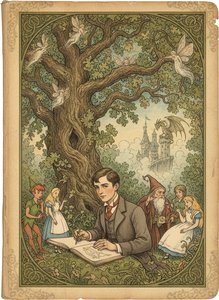
Arthur Rackham: A Master of British Illustration & the Enchanted Realm of Fairy Tales
Explore the enchanting world of Arthur Rackham (1867-1939), a leading figure in British Golden Age illustration. Discover his iconic fairy tale art, classic book illustrations & lasting legacy. Learn more at OriginalUniqueArt.

