

 معاينة الحجم الحقيقي
 مشاركة
 مشاركة
 التفاصيل

 تحميل الملف
 قطع مشابهة
 الأشعة السينية
 عرض شرائح
 الإحصائيات
SS 'Manxman'
 Marine Painting
 1920
1920 39.0 x 60.0 cm
 عرض المزيد
نسخة زيتية مصنوعة يدوياً
لوحة زيتية مرسومة يدوياً على الكانفاس بالمقاس والإطار الذي تفضله، تُنفذ حسب الطلب على أيدي فنانينا. ( التحويل إلى المطبوعات الانتقال إلى الصورة الرقمية)




































اختر من بين أحجامنا المُعدّة مسبقًا والتي تتطابق مع النسب الأصلية للعمل الفني.

يمكنك إدخال أبعادك الخاصة لتناسب إطارًا معينًا أو مساحة محددة. وإذا لم يتطابق الحجم الذي اخترته مع نسب الصورة الأصلية، فسنقوم إما بقص العمل الفني أو توسيع اللوحة بإضافة عناصر مرسومة يدويًا. سيتم إرسال نموذج رقمي إليك للموافقة عليه قبل بدء الإنتاج.
يرجى ملاحظة أن المعاينة على الشاشة لا تعكس عملية القص أو التوسيع الفعلية؛ حيث إن النموذج الرقمي وحده هو الذي سيوضح التكوين النهائي بدقة.
وعلى الرغم من توفر أحجام مخصصة، إلا أننا نوصي باختيار أبعاد من القائمة المحددة مسبقًا للحفاظ على النسب الأصلية للعمل الفني.
بعد إتمام الطلب، سيرسل فريق OriginalUniqueArt.com بريداً إلكترونياً للعميل لطلب التعليمات وتزويده بمعاينة تجريبية (mockup).
توصيل عالمي إلى خلال 3 إلى 4 أسابيع بدلاً من المدة المعتادة البالغة 5 أسابيع. (11 سبتمبر). جودة لا تهاون فيها.

شحن سريع ومجاني لجميع أنحاء العالم

قماش كتان عالي الجودة

تأمين شحن شامل

ضمان استرداد الرسوم الجمركية

ضمان مطابقة الألوان الحقيقية

سياسة الإرجاع خلال 100 يوم (في حالات العيوب فقط)

ضمان استرداد نقدي بنسبة 100%

خصم عند طلب عدة قطع
 خيار الزجاج متاح فقط للمقاسات التي تقل عن 110 سم

SS 'Manxman'
خامة إعادة الإنتاج
مقاس النسخة المطبوعة
-


السعر الإجمالي النهائي
$ 300
السيرة الذاتية للفنان
The Mariner's Vision: The Life and Legacy of Arthur Knowles
Born in the industrial heart of Manchester, England, around 1875, Arthur Knowles emerged from a background of working-class reality that deeply informed his artistic sensibility. While little is recorded of his earliest years, the grit and tangible textures of his upbringing provided a foundation for an artist who would eventually find his true calling in the unpredictable rhythms of the sea. His creative journey began with the delicate exploration of watercolor landscapes, yet it was the vast, churning expanse of the ocean that truly captured his imagination. This transition from the terrestrial to the maritime marked the beginning of a profound artistic evolution, as he moved away from quiet vistas toward the dramatic, salt-sprayed narratives of seafaring life.
As Knowles refined his craft, he immersed himself in the grand traditions of British Romanticism and Impressionism. He sought to master the difficult interplay of light and shadow that defines the maritime experience—the way a sudden sunbeam might pierce through heavy storm clouds or how the deep blues of a gale-swept channel transform under the moonlight. His dedication to technical precision led him to develop a meticulous approach to brushwork, utilizing complex layering techniques to achieve an atmospheric realism. This skill allowed him to capture the dynamic energy of the sea surface with such accuracy that viewers could almost feel the spray of the waves and the tension of a ship caught in a tempest.
Narrative Depth and Literary Inspiration
What truly distinguished Knowles from his contemporaries was his ability to imbue maritime scenes with a sense of psychological and moral weight. He did not merely paint ships; he painted stories. His artistic vision was profoundly shaped by the haunting, mythic symbolism found in the writings of Samuel Taylor Coleridge, particularly “The Rames of the Ancient Mariner.” This literary influence encouraged Knowles to look beyond the visual surface of a painting to find the deeper, often more turbulent, human experiences reflected in the struggle against the elements. For Knowles, a ship battling a storm was a metaphor for the human condition—a vessel of will navigating the unpredictable currents of fate.
This narrative impulse is evident throughout his most celebrated works, where he frequently turned his gaze toward Fleetwood Harbour. His paintings of this region serve as vital historical documents, capturing the essence of deep-sea fishing and naval life with an emotional depth that resonates long after the viewer has looked away. Whether depicting the rhythmic calm of a harbor or the terrifying power of a gale, his work remains anchored in a profound respect for the history of seafaring exploration and the lives of those who depend upon it.
A Lasting Contribution to British Maritime Art
The breadth of Knowles’s oeuvre extends beyond the purely maritime, occasionally touching upon the serene beauty of rural life. His 1930 work, “Highland Cattle,” showcases a different facet of his talent, demonstrating an ability to capture the harmony between nature and humanity through a tranquil, pastoral lens. However, it is within the realm of the sea that his historical significance is most firmly established. His paintings stand in a lineage of great maritime masters, echoing the atmospheric power of artists like Turner and Holm.
Today, the works of Arthur Knowles continue to captivate collectors and historians alike. His ability to blend realistic technique with a soulful, storytelling approach ensures that his depictions of vessels such as the “SS Manxman” or the “SS Brier” remain more than just maritime records; they are enduring windows into a bygone era of maritime bravery and natural wonder. Through his eyes, we do not just see the sea—we experience its power, its mystery, and its eternal connection to the human spirit.

حقائق سريعة
- Artistic Movement Or Style: Printing Press
- Artists Or Movements Influenced By This Artist: ['Dante']
- Artists Who Influenced This Artist:
- Harold Browne
- Harold Monro
- Date Of Birth: 1879
- Date Of Death: 1959
- Full Name: Arthur Knowles Sabin
- Nationality: British
- Notable Artworks:
- Typhon and other Poems
- The Death of Icarus
- Place Of Birth: Rotherham
مقالات ذات صلة

The Gilded Age Reimagined: Exploring the Aesthetic Principles & Enduring Legacy of Art Deco
Explore the captivating world of Art Deco! Discover its origins, defining features, cultural impact & enduring legacy. Expert insights for collectors and design enthusiasts. Shop handmade reproductions at OriginalUniqueArt.

الشحن والإرجاع
APS تقدم شحنًا فنيًا عالميًا بخبرة ورعاية بمستوى المتاحف، مع تتبع كامل وضمان استرداد المال لمدة 100 يومًا. من دعم الجمارك إلى الإنتاج ذو الأولوية، ثق بخدمة شفافة وتغليف آمن وتوصيل موثوق للمقتنين والمصممين والمعارض.
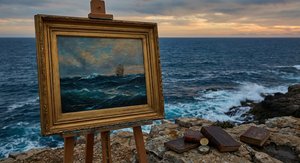
The Azure Depths: Exploring Representations of the Ocean in Art History
Explore the rich history of ocean art! Discover Romantic seascapes, renowned artists like Aivazovsky & Harris, and expert guidance for collectors at OriginalUniqueArt.com.
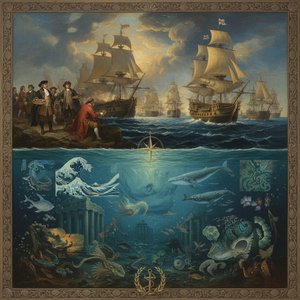
Navigating the Depths of Representation: A Historical Exploration of Marine Painting
Explore the rich history of marine painting with OriginalUniqueArt. Discover Dutch Masters, Romantic seascapes & renowned artists like Wyllie and Harris. Expert guidance for collectors & custom reproductions.

The Gleaming Geometry of Desire: Exploring Art Deco's Enduring Influence on Visual Culture
Explore the captivating world of Art Deco! Discover its history, key characteristics, enduring influence on design & collecting with expert insights from OriginalUniqueArt.com.