

 معاينة الحجم الواقعي
 إرسال
إرسال مشاركة
 عرض التفاصيل
 دليل الأعمال الفنية للطلاب

 تحميل
تحميل
 قطع مشابهة
 الأشعة السينية
 عرض شرائح متتابع
 الإحصائيات
The Lucky Hand (scene 1)
 Acrylic On Canvas
- WallArt
- Expressionist Modernism
 1910
1910 30.0 x 21.0 cm
 Arnold Schönberg Center
 اقرأ المزيد
طباعة جيلي / مطبوعات فنية
طباعة جيكلي أو كانفاس بجودة المتاحف، مع سرعة في التنفيذ وخيارات متنوعة للتشطيب. ( اطلب نسخة مرسومة يدويًا التحويل إلى الصورة الرقمية)




P118B $10

P118H $10

P118W $10

P438Z $10

P508JH $12

P508YH $12

P805H $10

P805Z $10

P919BZ $10

P919G $10

P919XJ $10

P959ZH $10

P968JZ $12

W106C $8

W218G $10

W218JH $8

W218Y $10

W307PJ $10

W316G $10

W316PJ $8

W316Y $10

W398PJ $8

W4111J $10

W500HY $15

W500JH $15

W692G $12

W849H $8

W940BG $15

W953PJ $8




اختر من بين أحجامنا المُعدّة مسبقاً والتي تتوافق مع النسب الأصلية للعمل الفني.

يمكنك إدخال أبعاد خاصة لتناسب إطاراً أو مساحة معينة. وفي حال عدم تطابق الحجم المختار مع نسب الصورة الأصلية، سنقوم إما بقص العمل الفني أو تمديد الصورة باستخدام حافة معكوسة أو لون مصمت. وسيتم إرسال نموذج تجريبي رقمي لاعتمادك قبل بدء عملية الإنتاج.
يرجى ملاحظة أن المعاينة على الشاشة لا تعكس عملية القص أو التمديد الفعلية؛ حيث سيوضح النموذج التجريبي فقط التكوين النهائي بدقة.
وعلى الرغم من توفر أحجام مخصصة، إلا أننا نوصي باختيار أبعاد من القائمة المحددة مسبقاً للحفاظ على النسب الأصلية.
توصيل عالمي إلى خلال أسبوعين بدلاً من المدة القياسية البالغة 4/5 أسابيع. (26 سبتمبر)

شحن سريع ومجاني لجميع أنحاء العالم

قماش كتان فاخر

تأمين شامل على الشحن

ضمان استرداد الرسوم الجمركية

ضمان دقة مطابقة الألوان

سياسة الإرجاع خلال 100 يوم (في حالات العيوب فقط)

ضمان استرداد نقدي بنسبة 100%

عرض خصم الكميات
 خيار الزجاج متاح فقط للمقاسات التي تقل عن 110 سم

The Lucky Hand (scene 1)
طباعة جيلي / مطبوعات فنية
مقاس النسخة المطبوعة
-


إجمالي السعر
$ 80
A Descent into the Unseen: "The Lucky Hand" (Scene 1) – A Reflection of Schönberg’s Dark Vision
OriginalUniqueArt.com presents a meticulously crafted hand-painted reproduction of Arnold Schönberg's “The Lucky Hand” (Scene 1), a haunting tableau born from the composer’s intensely personal and profoundly unsettling drama, "Die glückliche Hand." Completed in 1910, this monochrome artwork transcends mere illustration; it is a visual embodiment of Schönberg’s exploration of fate, guilt, and the grotesque – themes that would dominate his later, more radical compositions. The scene, meticulously rendered in shades of grey and black, immediately draws the viewer into a space of palpable unease, mirroring the drama's core anxieties.
- Subject Matter: The artwork depicts a nightmarish scenario – a man lying prone on the stage, seemingly violated by a monstrous hybrid creature. This unsettling image is central to the play’s narrative, representing a descent into psychological torment and the consequences of transgression.
- Composition & Technique: Schönberg's meticulous attention to detail is evident in the layering of textures and the subtle manipulation of light and shadow. The use of a shallow curve for the stage emphasizes claustrophobia, while the strategically placed green-lit faces peering from behind the velvet curtain create an atmosphere of voyeurism and judgment. The artist’s skill lies in conveying both physical horror and psychological dread through a restrained palette.
Historical Context & Schönberg's Artistic Journey
Created during a period of immense artistic upheaval, “The Lucky Hand” reflects the broader anxieties of early 20th-century Europe. Schönberg was at the forefront of musical innovation, challenging traditional harmonic structures and paving the way for atonality – a compositional technique that abandoned established tonal centers. This radical shift mirrored a wider cultural questioning of established norms and values. Born in Vienna in 1874, Schönberg’s early works, such as “Verklärte Nacht,” demonstrated a synthesis of Brahmsian and Wagnerian influences before he fully embraced his revolutionary approach. The work's creation aligns with the period when Schönberg was developing his groundbreaking theories about tone color and exploring the expressive potential of dissonance – concepts that would profoundly impact 20th-century music.
Artist Information: Artist: Arnold Schönberg Birth Year: 1874 Death Year: 1951Symbolism & Emotional Resonance
The imagery within “The Lucky Hand” is laden with symbolic weight. The hyena-like creature, with its bat wings, represents a primal, almost demonic force – a manifestation of guilt and the subconscious. The man’s position, face down, suggests vulnerability and helplessness. The green light emanating from the hidden faces symbolizes judgment and the inescapable scrutiny of conscience. The candles, meticulously arranged on the wall, could represent fleeting moments of hope or perhaps the flickering remnants of sanity in the face of overwhelming darkness. The overall effect is profoundly unsettling, evoking a sense of dread and despair.
Dimensions & Acquisition
This hand-painted reproduction measures 30 x 21 cm (11.8 x 8.3 inches), making it ideal for a variety of settings – from intimate study spaces to larger art collections. Its monochrome palette lends itself beautifully to diverse interior design styles, offering a timeless and sophisticated aesthetic. Order your hand-painted reproduction of “The Lucky Hand” (Scene 1) today and bring this powerful work of art into your home or office.
نبذة عن الفنان
البدايات المبكرة والنشأة الموسيقية
أرنولد شونبرج، ذلك المؤلف الموسيقي النمساوي الأمريكي، ولد في الثالث عشر من سبتمبر عام 1874 في مدينة فيينا بالنمسا. اتسمت حياته الأولى ببدايات متواضعة، حيث كان والده صاحب متجر للأحذية، ومع ذلك، فإن شغفه الفطري بالموسيقى دفعه إلى الاعتماد بشكل كبير على التثقيف الذاتي في هذا المجال الموسيقي العريق.التطور الموسيقي والأعمال البارزة
أظهرت أعمال شونبرج الأولى، مثل Verklärte Nacht (1899)، مزيجاً فريداً بين أساليب براهمس وفاجنر. ومع تقدم مسيرته الإبداعية، أصبح الشخصية المركزية في المدرسة الفييناوية الثانية، جنباً إلى جنب مع أنطون ويبرن وألبان بيرج. وقد جسدت مؤلفاته، بما في ذلك الرباعي الوتري رقم 2 (1907–1908)، وErwartung (1909)، وPierrot Lunaire (1912)، نهجه المبتكر في الموسيقى اللامقامية.التدريس والهجرة والحياة المتأخرة
استقال شونبرج من الأكاديمية البروسية للفنون في عام 1933 نتيجة صعود النازيين إلى السلطة، الذين وصفوا موسيقاه بأنها "متحللة". انتقل بعدها للتدريس في الولايات المتحدة، بما في ذلك جامعة كاليفورنيا، لوس أنجلوس (1936–1944)، حيث سُميت بعض المرافق هناك تكريماً له. [https://OriginalUniqueArt.com/@/arnold-sهونبرج](اكتشف المزيد عن حياة شونبرج وأعماله على OriginalUniqueArt).- استكشف شونبرج الموسيقى التصويرية للأفلام وكتب موسيقى أكثر مقامية، حيث أتم السمفونية الحجرية رقم 2 في عام 1939.
- سخر من الطغاة الفاشيين في قصيدة نابليون (1942)، المستوحاة من بايرون.
- منحتته فيينا ما بعد الحرب المواطنة الفخرية، لكن المرض ألمّ به، كما يتضح في الثلاثي الوتري (1946).
الإرث والتأثير
بينما كان العالم يكتشف فظائع الهولوكوث، خلد شونبرج ذكرى ضحاياه في ناجٍ من وارسو (1947). كما انتخبته أكاديمية ومعهد إسرائيل للموسيقى رئيساً فخرياً في عام 1951. [https://OriginalUniqueArt.com/@@/a@d3bqc7-the-museum-destroyed-by-fire-(united-states)](تعرف على المزيد حول تأثير أعماله عبر OriginalUniqueArt). نقاط رئيسية:- كانت موسيقى شونبرج المبتكرة من بين أكثر الموسيقى تأثيراً وإثارة للجدل في الموسيقى الكلاسيكية في القرن العشرين.
- قامت ثلاثة أجيال على الأقل من المؤلفين بتوسيع مبادئه الشكلية.
- أثرت رؤاه الجمالية وتاريخ الموسيقى على علماء الموسيقى ثيودور أدورنو وكارل دالهاوس.

أرنولد شونبيرج
1874 - 1951 , النمسا
لمحة سريعة
- Artistic Movement Or Style: تقنية الاثني عشر نغمة؛ التعبيرية
- Artists Or Movements Influenced By This Artist:
- أنطون ويبرن
- ألبان بيرج
- Artists Who Influenced This Artist:
- يوهانس برامز
- ريتشارد فاغنر
- Date Of Birth: 13 سبتمبر 1874
- Date Of Death: 1951
- Full Name: أرنولد شونبيرج
- Nationality: نمساوي أمريكي
- Notable Artworks:
- مقطوعة Suite, op. 29
- آلة الكتابة الموسيقية
- Staffliner
- Place Of Birth: فيينا، النمسا
مقالات ذات صلة

Echoes of Time: Exploring the Enduring Appeal & Historical Context of Vintage Art Prints
Explore the captivating world of vintage art prints! Discover their history, collecting tips & enduring appeal. Expert insights on chromolithography and building a legacy collection with OriginalUniqueArt.

Dark Masterpieces: 10 Iconic Paintings Dominated by Black Tones |
Explore 10 iconic paintings dominated by black tones, from Rembrandt’s chiaroscuro to Goya's dark expressions. Discover the stories behind these masterpieces & find museum-quality art reproductions for your home at .

Giclée Prints: Archival Quality & Aesthetic Nuances for the Discerning Collector
Explore the world of giclée prints with OriginalUniqueArt. Learn about archival quality, aesthetic nuances & investment potential. Expert guidance for discerning art collectors seeking museum-quality reproductions and lasting value.
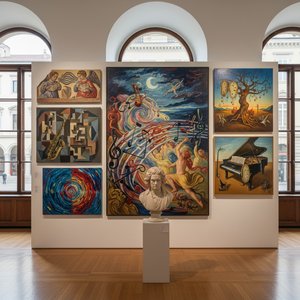
Harmonies on Canvas: Exploring the Visual Representation of Music in Art History
Explore the fascinating history of music's visual representation in art! From ancient symbolism to modern abstraction, discover how artists have captured sound and emotion on canvas. Expert insights & stunning examples.

The Enduring Legacy of Fine Art Prints: Technique, History & Aesthetic Impact
Explore the rich history & techniques of fine art prints. Discover investment potential, assess authenticity, and learn how to preserve your collection with expert guidance. Trusted insights for discerning collectors.


