

 إرسال
إرسال مشاركة
 عرض التفاصيل
 دليل الأعمال الفنية للطلاب

 تحميل
تحميل
 قطع مشابهة
 عرض شرائح متتابع
 الإحصائيات
Five Pieces for Orchestra, op. 16/5 – First written copy
 Giclée Print
- Digital
- Expressionist Atonality
Expressionist Atonality
 1909
1909 36.0 x 28.0 cm
 Arnold Schönberg Center
 اقرأ المزيد
نسخة زيتية مصنوعة يدوياً
لوحة زيتية مرسومة يدوياً على الكانفاس بالمقاس والإطار الذي تفضله، تُنفذ حسب الطلب على أيدي فنانينا. ( التبديل إلى المطبوعات التحويل إلى الصورة الرقمية)




































اختر من بين أحجامنا المُعدّة مسبقاً والتي تتوافق مع النسب الأصلية للعمل الفني.

يمكنك إدخال أبعاد خاصة لتناسب إطاراً أو مساحة معينة. وفي حال عدم تطابق الحجم المختار مع نسب الصورة الأصلية، سنقوم إما بقص العمل الفني أو توسيع اللوحة عبر إضافة عناصر مرسومة يدوياً. وسيتم إرسال نموذج رقمي إليك للموافقة عليه قبل بدء عملية الإنتاج.
يرجى ملاحظة أن المعاينة على الشاشة لا تعكس عملية القص أو التوسيع الفعلية؛ إذ إن النموذج الرقمي هو الوحيد الذي يوضح التكوين النهائي بدقة.
وعلى الرغم من توفر أحجام مخصصة، إلا أننا نوصي باختيار أبعاد من القائمة المحددة مسبقاً للحفاظ على النسب الأصلية للعمل الفني.
بعد إتمام الطلب، سيرسل فريق OriginalUniqueArt.com بريداً إلكترونياً للعميل لطلب التعليمات وتزويده بمعاينة تجريبية (mockup).
توصيل عالمي إلى خلال 3 إلى 4 أسابيع بدلاً من المدة المعتادة البالغة 5 أسابيع. (27 سبتمبر). جودة لا تهاون فيها.

شحن سريع ومجاني لجميع أنحاء العالم

قماش كتان فاخر

تأمين شامل على الشحن

ضمان استرداد الرسوم الجمركية

ضمان دقة مطابقة الألوان

سياسة الإرجاع خلال 100 يوم (في حالات العيوب فقط)

ضمان استرداد نقدي بنسبة 100%

عرض خصم الكميات
 خيار الزجاج متاح فقط للمقاسات التي تقل عن 110 سم

Five Pieces for Orchestra, op. 16/5 – First written copy
وسيط إعادة الإنتاج
مقاس النسخة المطبوعة
-


إجمالي السعر
$ 300
A Window into Schoenberg's Revolutionary Soundscape
This meticulously crafted hand-painted reproduction offers an intimate glimpse into the genesis of Arnold Schoenberg’s groundbreaking “Five Pieces for Orchestra, op. 16/5,” a composition born from a summer of intense creative exploration in 1909. The original score, painstakingly preserved and now faithfully recreated, is not merely musical notation; it's a tangible artifact of a pivotal moment in the history of Western music – a testament to Schoenberg’s radical departure from traditional tonal harmony and his pioneering embrace of atonality.
- The Context: Steinakirchen 1909 The summer of 1909 found Schoenberg, alongside fellow modernist giants Zemlinsky, Berg, Webern, and Oppenheimer, sequestered in the idyllic Austrian village of Steinakirchen. This period proved extraordinarily productive, yielding not only the “Five Pieces” but also the Piano Piece op. 11 and the unsettling monodrama, *Erwartung* (Waiting), foreshadowing his later explorations into expressionism.
- Strauss’s Vision Schoenberg's correspondence with Richard Strauss reveals a deliberate intention to create music that eschewed grand symphonic structures. He envisioned “short orchestra pieces” – fleeting moments of color and mood, prioritizing emotional impact over architectural form. This directive shaped the very essence of *Five Pieces*.
- “Musical Prose” The score’s syntax is deliberately unconventional: atextonic melodies, thematic absence, and an emphasis on dynamic variation. Schoenberg termed this approach “musical prose,” describing it as music unlike anything heard before – a bold proclamation of new tonal beauty, seeking out unexpected accents and contrasts, and exploring previously uncharted emotional territories.
Decoding the Score: Technique and Style
The hand-painted reproduction faithfully captures the intricate details of Schoenberg’s original score. The delicate lines representing individual notes, the precise placement of rests, and the nuanced markings indicating dynamics and tempo are rendered with exceptional care. The artist has skillfully recreated the characteristic handwriting style prevalent in early 20th-century musical scores, adding to the piece's historical authenticity. Note the use of clefs and staves – fundamental elements of musical notation that define the structure and organization of the composition.
- Material & Technique The reproduction utilizes archival quality paper mimicking the texture of period manuscripts, and traditional hand-painting techniques to achieve a level of detail and nuance that digital reproductions simply cannot replicate.
- Color Palette While a black and white photograph represents the original score, this reproduction employs a subtle tonal palette – primarily grays and browns – evocative of aged parchment, further enhancing its historical feel.
Symbolism and Emotional Resonance
More than just a musical score, this piece embodies Schoenberg’s revolutionary spirit. The “Five Pieces” represent a deliberate rejection of established conventions, a fearless exploration of dissonance and atonality, and an attempt to capture the raw essence of human emotion without the constraints of traditional harmony. The emphasis on "speaking music," as Schoenberg himself described it, suggests a desire for direct communication – a musical language that transcends words and speaks directly to the listener’s soul.
- Atonality's Impact The piece exemplifies atonality, a compositional technique where no single note is inherently "correct" or establishes a tonal center. This creates a sense of instability and ambiguity, reflecting the anxieties and uncertainties of the modern age.
- Emotional Intensity Despite its unconventional structure, the score conveys a profound emotional intensity – a blend of melancholy, longing, and perhaps even a hint of unease. The carefully crafted dynamics and melodic contours contribute to this powerful effect.
Dimensions & Acquisition
This hand-painted reproduction measures 36 x 28 cm (14 x 11 inches), making it suitable for display in a variety of settings – from private study to art gallery. It’s an ideal addition to any collection of modern art, musical memorabilia, or simply as a conversation starter.
نبذة عن الفنان
البدايات المبكرة والنشأة الموسيقية
أرنولد شونبرج، ذلك المؤلف الموسيقي النمساوي الأمريكي، ولد في الثالث عشر من سبتمبر عام 1874 في مدينة فيينا بالنمسا. اتسمت حياته الأولى ببدايات متواضعة، حيث كان والده صاحب متجر للأحذية، ومع ذلك، فإن شغفه الفطري بالموسيقى دفعه إلى الاعتماد بشكل كبير على التثقيف الذاتي في هذا المجال الموسيقي العريق.التطور الموسيقي والأعمال البارزة
أظهرت أعمال شونبرج الأولى، مثل Verklärte Nacht (1899)، مزيجاً فريداً بين أساليب براهمس وفاجنر. ومع تقدم مسيرته الإبداعية، أصبح الشخصية المركزية في المدرسة الفييناوية الثانية، جنباً إلى جنب مع أنطون ويبرن وألبان بيرج. وقد جسدت مؤلفاته، بما في ذلك الرباعي الوتري رقم 2 (1907–1908)، وErwartung (1909)، وPierrot Lunaire (1912)، نهجه المبتكر في الموسيقى اللامقامية.التدريس والهجرة والحياة المتأخرة
استقال شونبرج من الأكاديمية البروسية للفنون في عام 1933 نتيجة صعود النازيين إلى السلطة، الذين وصفوا موسيقاه بأنها "متحللة". انتقل بعدها للتدريس في الولايات المتحدة، بما في ذلك جامعة كاليفورنيا، لوس أنجلوس (1936–1944)، حيث سُميت بعض المرافق هناك تكريماً له. [https://OriginalUniqueArt.com/@/arnold-sهونبرج](اكتشف المزيد عن حياة شونبرج وأعماله على OriginalUniqueArt).- استكشف شونبرج الموسيقى التصويرية للأفلام وكتب موسيقى أكثر مقامية، حيث أتم السمفونية الحجرية رقم 2 في عام 1939.
- سخر من الطغاة الفاشيين في قصيدة نابليون (1942)، المستوحاة من بايرون.
- منحتته فيينا ما بعد الحرب المواطنة الفخرية، لكن المرض ألمّ به، كما يتضح في الثلاثي الوتري (1946).
الإرث والتأثير
بينما كان العالم يكتشف فظائع الهولوكوث، خلد شونبرج ذكرى ضحاياه في ناجٍ من وارسو (1947). كما انتخبته أكاديمية ومعهد إسرائيل للموسيقى رئيساً فخرياً في عام 1951. [https://OriginalUniqueArt.com/@@/a@d3bqc7-the-museum-destroyed-by-fire-(united-states)](تعرف على المزيد حول تأثير أعماله عبر OriginalUniqueArt). نقاط رئيسية:- كانت موسيقى شونبرج المبتكرة من بين أكثر الموسيقى تأثيراً وإثارة للجدل في الموسيقى الكلاسيكية في القرن العشرين.
- قامت ثلاثة أجيال على الأقل من المؤلفين بتوسيع مبادئه الشكلية.
- أثرت رؤاه الجمالية وتاريخ الموسيقى على علماء الموسيقى ثيودور أدورنو وكارل دالهاوس.

أرنولد شونبيرج
1874 - 1951 , النمسا
لمحة سريعة
- Artistic Movement Or Style: تقنية الاثني عشر نغمة؛ التعبيرية
- Artists Or Movements Influenced By This Artist:
- أنطون ويبرن
- ألبان بيرج
- Artists Who Influenced This Artist:
- يوهانس برامز
- ريتشارد فاغنر
- Date Of Birth: 13 سبتمبر 1874
- Date Of Death: 1951
- Full Name: أرنولد شونبيرج
- Nationality: نمساوي أمريكي
- Notable Artworks:
- مقطوعة Suite, op. 29
- آلة الكتابة الموسيقية
- Staffliner
- Place Of Birth: فيينا، النمسا
مقالات ذات صلة

The Enduring Legacy of Fine Art Prints: Technique, History & Aesthetic Impact
Explore the rich history & techniques of fine art prints. Discover investment potential, assess authenticity, and learn how to preserve your collection with expert guidance. Trusted insights for discerning collectors.
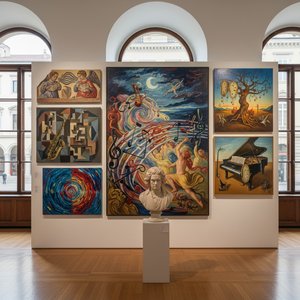
Harmonies on Canvas: Exploring the Visual Representation of Music in Art History
Explore the fascinating history of music's visual representation in art! From ancient symbolism to modern abstraction, discover how artists have captured sound and emotion on canvas. Expert insights & stunning examples.
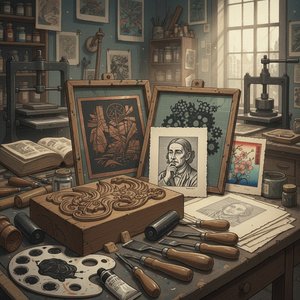
The Enduring Legacy of Printmaking: Techniques, Themes & Artistic Innovation Across Centuries
Explore the rich history of printmaking with OriginalUniqueArt. Discover techniques from intaglio to lithography, learn about collecting valuable prints & find museum-quality reproductions. Expert insights for art enthusiasts and collectors.

Giclée Prints: Archival Quality & Aesthetic Nuances for the Discerning Collector
Explore the world of giclée prints with OriginalUniqueArt. Learn about archival quality, aesthetic nuances & investment potential. Expert guidance for discerning art collectors seeking museum-quality reproductions and lasting value.

Echoes of Time: Exploring the Enduring Appeal & Historical Context of Vintage Art Prints
Explore the captivating world of vintage art prints! Discover their history, collecting tips & enduring appeal. Expert insights on chromolithography and building a legacy collection with OriginalUniqueArt.


