

 معاينة الحجم الواقعي
 إرسال
إرسال مشاركة
 عرض التفاصيل
 دليل الأعمال الفنية للطلاب

 تحميل
تحميل
 قطع مشابهة
 الأشعة السينية
 عرض شرائح متتابع
 الإحصائيات
Spring Evening
 Oil On Panel
- Symbolist Painting
 1879
1879 67.0 x 129.0 cm
 Szépművészeti Múzeum
 اقرأ المزيد
نسخة زيتية مصنوعة يدوياً
لوحة زيتية مرسومة يدوياً على الكانفاس بالمقاس والإطار الذي تفضله، تُنفذ حسب الطلب على أيدي فنانينا. ( التبديل إلى المطبوعات التحويل إلى الصورة الرقمية)




P118B E£10

P118H E£10

P118W E£10

P438Z E£10

P508JH E£12

P508YH E£12

P805H E£10

P805Z E£10

P919BZ E£10

P919G E£10

P919XJ E£10

P959ZH E£10

P968JZ E£12

W106C E£8

W218G E£10

W218JH E£8

W218Y E£10

W307PJ E£10

W316G E£10

W316PJ E£8

W316Y E£10

W398PJ E£8

W4111J E£10

W500HY E£15

W500JH E£15

W692G E£12

W849H E£8

W940BG E£15

W953PJ E£8




اختر من بين أحجامنا المُعدّة مسبقاً والتي تتوافق مع النسب الأصلية للعمل الفني.

أدخل العرض والارتفاع اللذين تحتاجهما، ليتناسب العمل مع إطارك أو جدارك. وبما أن هذه اللوحة مرسومة يدوياً، ففي حال اختيار مقاس بشكل مختلف، يمكن للفنان رسم مساحة إضافية حول الصورة أو تقليصها قليلاً — الخيار لك. سنرسل لك نموذجاً رقمياً تجريبياً لاعتماده قبل البدء في الرسم. علماً بأن الصورة المعروضة في هذه الصفحة لا تعكس النتيجة النهائية الحقيقية — فالنموذج التجريبي هو الوحيد الذي يوضح ذلك بدقة.
بعد إتمام الطلب، سيرسل فريق OriginalUniqueArt.com بريداً إلكترونياً للعميل لطلب التعليمات وتزويده بمعاينة تجريبية (mockup).
توصيل عالمي إلى خلال 3 إلى 4 أسابيع بدلاً من المدة المعتادة البالغة 5 أسابيع. (17 أكتوبر). جودة لا تهاون فيها.

شحن سريع ومجاني لجميع أنحاء العالم

قماش كتان فاخر

تأمين شامل على الشحن

ضمان استرداد الرسوم الجمركية

ضمان دقة مطابقة الألوان

سياسة الإرجاع خلال 100 يوم (في حالات العيوب فقط)

ضمان استرداد نقدي بنسبة 100%

عرض خصم الكميات
 خيار الزجاج متاح فقط للمقاسات التي تقل عن 110 سم

Spring Evening
وسيط إعادة الإنتاج
مقاس النسخة المطبوعة
-


إجمالي السعر
E£ 15641
The Ethereal Embrace of Spring Evening
Arnold Böcklin’s “Spring Evening,” painted in 1879, isn't merely a depiction of a woodland scene; it’s an immersion into a realm of melancholic beauty and profound symbolism. Created during his time in Florence – a city that profoundly shaped his artistic vision – the painting captures a fleeting moment of enchantment, steeped in the atmosphere of late Romanticism and foreshadowing the rise of Symbolism. The canvas breathes with a quiet intensity, dominated by muted greens, blues, and browns, creating an almost dreamlike quality that immediately draws the viewer into its hushed world.
At the heart of the composition stands a woman, her posture suggesting both contemplation and vulnerability. Her hand gently resting on her head is a gesture simultaneously of yielding and quiet strength – she’s not passively observing but actively engaged with the scene unfolding before her. Beside her sits a man, seemingly lost in thought as he peruses a book, his presence offering a grounding element to the ethereal atmosphere. A bear, rendered with surprising tenderness, interacts playfully with both figures, blurring the lines between human and animal, nature and civilization. This carefully orchestrated tableau speaks of harmony, connection, and the delicate balance of the natural world.
A Symphony of Symbolism
Böcklin’s work is deeply rooted in mythology and folklore, drawing heavily on ancient Greek and Roman traditions. The central figure, often interpreted as Pan – the god of nature, shepherds, and wild music – plays his pipes, summoning a chorus of unseen nymphs from the surrounding forest. These dryads, with their flowing hair and graceful movements, represent the spirit of the woods, embodying both beauty and danger. The bear itself is a potent symbol, frequently associated with strength, wisdom, and primal instincts—a reminder of humanity’s connection to the earth.
The painting's muted palette contributes significantly to its symbolic weight. The cool blues and greens evoke a sense of melancholy and introspection, while the browns ground the scene in the tangible reality of the forest floor. The lighting is soft and diffused, creating an atmosphere of twilight—a liminal space between day and night, representing transition, mystery, and perhaps even mortality. Böcklin masterfully uses color not to simply depict a landscape but to convey complex emotions and ideas.
Technique and Artistic Influences
“Spring Evening” exemplifies Böcklin’s distinctive artistic style, characterized by meticulous detail, rich textures, and an almost obsessive attention to the natural world. He employed a technique of layering thin glazes of oil paint, building up color gradually to achieve remarkable depth and luminosity. The brushwork is subtle yet expressive, conveying both the smoothness of the forest floor and the intricate details of the foliage.
Böcklin’s artistic journey was profoundly influenced by his time in Düsseldorf, where he studied under Schirmer and became associated with the Düsseldorf School of Painting. However, it was in Florence that he truly developed his unique Symbolist vision, drawing inspiration from the city's rich cultural heritage and its connection to antiquity. The painting also reflects the influence of Romanticism, particularly the emphasis on emotion, imagination, and the sublime beauty of nature—themes central to the movement.
A Timeless Resonance
“Spring Evening” continues to resonate with viewers today because it taps into universal themes of longing, connection, and the search for meaning. Its evocative atmosphere and symbolic richness invite contemplation and offer a glimpse into the artist’s deeply personal vision. The painting's enduring appeal lies in its ability to transport us to another time and place—a world where myth and reality intertwine, and where the beauty of nature is inextricably linked to the mysteries of the human soul.
الأسئلة والأجوبة
هل تُعد "Spring Evening" للفنان أرنولد بوكلين من بين الأعمال الفنية المرغوبة ضمن حركة Symbolist Painting؟
تُصنف "Spring Evening" للفنان أرنولد بوكلين ضمن فئة Recognized وتنتمي إلى حركة Symbolist Painting.
أين يمكنني شراء نسخة مطبوعة من "Spring Evening" للفنان أرنولد بوكلين؟
تتوفر نسخة مطبوعة من "Spring Evening" عبر مطبوعة فنية فاخرة على قماش قطني أو ورق كانفاس أرشيفي. يمكن تقديم الطلبات من خلال صفحة مطبوعة فنية فاخرة، بالحجم الذي تختارونه.
من هو الفنان الذي أبدع "Spring Evening"؟
الفنان الذي أبدع عمل "Spring Evening" هو أرنولد بوكلين. العمل مُدرج تحت اسم أرنولد بوكلين.
نبذة عن الفنان
البدايات والنشأة الفنية
أرنولد بوكلين، الرسام السويسري البارز في المدرسة الرمزية، أبصر النور في السادس عشر من أكتوبر عام 1827 في مدينة بازل بسويسرا. نشأ في كنف عائلة عريقة؛ فوالده، كريستيان فريدريك بوكلين، كان ينتمي إلى أسرة قديمة من شافهوزن وعمل في تجارة الحرير، بينما كانت والدته، أورسولا ليب، ابنة مدينته الأم. صقل موهبته في أكاديمية دوسلدورف تحت إشراف المعلم شيرمر، حيث نشأت بينه وبين أنسيلم فيورباخ علاقة صداقة وثيقة، وارتبط اسمه تاريخياً بمدرسة دوسلدورف للتصوير الزيتي.المسيرة الفنية وعمق الرمزية
انطلقت رحلة بوكلين الإبداعية عبر مدن كبرى، فزار باريس حيث عمل في متحف اللوفر، واستلهم من سحر روما ومشاهدها الخالدة. اتسمت أعماله بتجسيد شخصيات أسطورية ورمزية ضمن خلفيات من العمارة الكلاسيكية، غائصاً في أعماق ثيمات الموت والفناء والوجود.- كانت لوحة المنتزه الكبير من بواكر أعماله التي استعرضت الأساطير القديمة.
- وشهدت تلك الحقبة بروز أعمال لافتة مثل الحورية والساتير (1858) ولوحة سافو (1859).
- كما جسدت لوحته بورتريه لنفسي، والموت يعزف الكمان (1872) أسلوبه الفريد والمتفرد.
الإرث والتأثير الخالد
ذاع صيت بوكلين عالمياً من خلال خمس نسخ مختلفة من لوحته الشهيرة جزيرة الموتى (1880-1886)، والتي استلهمت روح المقبرة الإنجليزية في فلورنسا، حيث دُفنت ابنته. لم يتوقف أثره عند حدود لوحاته، بل امتد ليلهم جيلاً من الفنانين الشباب مثل هانز توما، وترك بصمة واضحة في موسيقى العديد من مؤلفي العصر الرومانسي المتأخر.- لقد وصف الناقد كليمنت جرينبرج أعمال بوكلين بأنها "واحدة من أكثر التعبيرات إتقاناً" في عصره.
- تداخل أسلوب بوكلين مع حركة ما قبل الرافائيلية، مؤكداً على عالم الأحلام والغموض الصوفي.
المتاحف والمجموعات الفنية
يمكن العثور على روائع بوكلين في متاحف مرموقة حول العالم، ومنها:- المجموعة الفنية العامة (بازل، سويسرا)
- متحف كونستموزيل بازل (سويسرا)
- متحف كونستهاوس زيورخ (زيورخ، سويسرا)
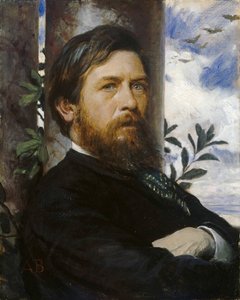
أرنولد بوكلين
1827 - 1901 , سويسرا
لمحة سريعة
- Artistic Movement Or Style: الرمزية
- Artists Or Movements Influenced By This Artist:
- هانس توما
- ما قبل الرافائيلية
- Artists Who Influenced This Artist:
- شيرمر
- فويرباخ
- Date Of Birth: 16 أكتوبر 1827
- Date Of Death: 16 يناير 1901
- Full Name: أرنولد بوكلين
- Nationality: سويسري
- Notable Artworks:
- جزيرة الموتى
- الحورية والساتير
- سافو
- صورة ذاتية
- Place Of Birth: بازل، سويسرا
مقالات ذات صلة

Evocations of Place: A Historical Journey Through Landscape Art
Explore the rich history of landscape art with OriginalUniqueArt. Discover renowned artists, movements like Impressionism & tonalism, and expert guidance for collecting timeless pieces. Find your perfect serene escape today!

أفضل 25 لوحة لجون كونستابل: روعة الطبيعة الإنجليزية في OriginalUniqueArt
اكتشف روعة الطبيعة الإنجليزية مع أفضل 25 لوحة لجون كونستابل. قصص فنية آسرة وتقنيات زيتية فريدة في OriginalUniqueArt.com. اشترِ نسخًا عالية الجودة وديكور منزلي فاخر. استكشف المجموعة الكاملة الآن!

أفضل 10 لوحات طبيعية رومانسية غيرت مسار الفن وجمّلت الديكور | OriginalUniqueArt
اكتشف 10 روائع فنية رسمت مسار الفن الرومانسي! استكشف لوحات فريدريش، مالارد وأكثر. قصص الفنانين، تقنيات الرسم، وجمال المناظر الطبيعية الخلابة. احصل على أعمال فنية عالية الجودة من OriginalUniqueArt.com!

Evocations of Place: A Historical Journey Through Landscape Art
Explore the rich history of landscape art with OriginalUniqueArt. Discover renowned artists, movements like Impressionism & Romanticism, and expert guidance for collecting timeless pieces. Find your perfect serene escape today!

Nature’s Sanctuary: Curating Enchanting Forest Artworks to Transform Your Home into a Serene Woodland Retreat
Transform your home into a serene woodland retreat with enchanting forest artworks. Discover museum-quality oil reproductions and custom landscape commissions designed to bring the peaceful beauty of nature indoors.
