

 معاينة الحجم الواقعي
 إرسال
إرسال مشاركة
 عرض التفاصيل
 دليل الأعمال الفنية للطلاب

 تحميل
تحميل
 قطع مشابهة
 الأشعة السينية
 عرض شرائح متتابع
 الإحصائيات
Shield with Gorgon


 اقرأ المزيد
طباعة جيلي / مطبوعات فنية
طباعة جيكلي أو كانفاس بجودة المتاحف، مع سرعة في التنفيذ وخيارات متنوعة للتشطيب. ( اطلب نسخة مرسومة يدويًا التحويل إلى الصورة الرقمية)




P118B E£10

P118H E£10

P118W E£10

P438Z E£10

P508JH E£12

P508YH E£12

P805H E£10

P805Z E£10

P919BZ E£10

P919G E£10

P919XJ E£10

P959ZH E£10

P968JZ E£12

W106C E£8

W218G E£10

W218JH E£8

W218Y E£10

W307PJ E£10

W316G E£10

W316PJ E£8

W316Y E£10

W398PJ E£8

W4111J E£10

W500HY E£15

W500JH E£15

W692G E£12

W849H E£8

W940BG E£15

W953PJ E£8




اختر من بين أحجامنا المُعدّة مسبقاً والتي تتوافق مع النسب الأصلية للعمل الفني.

أدخل العرض والارتفاع اللذين تحتاجهما، ليتناسب مع إطارك أو جدارك. يمكن قص المطبوعة فقط، ولا يمكن أبداً جعلها أكبر من الصورة الأصلية، لذا فإن أي مقاس بشكل مختلف سيؤدي إلى فقدان جزء من الصورة. سنرسل لك نموذجاً رقمياً تجريبياً لاعتماده قبل البدء في عملية الطباعة. الصورة المعروضة في هذه الصفحة لا توضح القص الفعلي — النموذج التجريبي فقط هو ما يظهر ذلك.
توصيل عالمي إلى خلال أسبوعين بدلاً من المدة القياسية البالغة 4/5 أسابيع. (23 أكتوبر)

شحن سريع ومجاني لجميع أنحاء العالم

قماش كتان فاخر

تأمين شامل على الشحن

ضمان استرداد الرسوم الجمركية

ضمان دقة مطابقة الألوان

سياسة الإرجاع خلال 100 يوم (في حالات العيوب فقط)

ضمان استرداد نقدي بنسبة 100%

عرض خصم الكميات
 خيار الزجاج متاح فقط للمقاسات التي تقل عن 110 سم

Shield with Gorgon
طباعة جيلي / مطبوعات فنية
مقاس النسخة المطبوعة
-


إجمالي السعر
E£ 4113
Shield with Gorgon – A Meditation on Mortality and Ancient Myth
The sculpture “Shield with Gorgon’s Head,” created by Arnold Böcklin in 1897, stands as a haunting testament to the artist's fascination with Greco-Roman mythology and his profound contemplation of death. Exhibited prominently at the Musée d’Orsay in Paris, this piece transcends mere representation; it invites viewers into a realm of psychological exploration where beauty intertwines with unsettling truths. Böcklin, deeply influenced by Nietzschean philosophy – specifically the concept of eternal recurrence – sought to capture not just an image but an experience, mirroring the cyclical nature of existence and confronting us with our inevitable demise.Style and Technique: Symbolist Precision
Böcklin’s style aligns perfectly with the tenets of Symbolism, a movement that rejected realism in favor of conveying emotions and ideas through suggestive imagery rather than literal depiction. Unlike Impressionists who aimed to capture fleeting moments of light and color, Böcklin meticulously crafted his sculpture using a technique rooted in meticulous observation and symbolic distillation. The artist employed a combination of modeling clay and bronze casting – a process demanding considerable skill and patience – to achieve an astonishing level of detail. Notice the subtle gradations of tone within the Gorgon’s head; these aren't merely aesthetic choices but deliberate efforts to convey texture and depth, mirroring the complexities of human emotion. The smooth surface contrasts sharply with the rough contours of the snake’s coils, creating a visual dialogue that underscores the sculpture’s thematic concerns.Historical Context: Nietzschean Echoes and Late Romantic Sentiment
Böcklin's artistic output flourished during the waning years of the Romantic era, a period characterized by an obsession with emotion, imagination, and the sublime—experiences perceived as exceeding human comprehension yet simultaneously elevating the soul. However, Böcklin’s vision extended beyond traditional Romantic tropes; he actively engaged with the burgeoning intellectual currents of his time, particularly Nietzsche's proclamation that “God is dead.” This existential crisis fueled Böcklin’s exploration of themes like nihilism and mortality—concepts central to both Nietzschean thought and Symbolist art. The sculpture reflects a broader cultural preoccupation with confronting death not as an end but as a transformative stage in the cosmic cycle, mirroring Nietzsche's assertion that life itself is an affirmation of eternal recurrence.Symbolism Unleashed: Gorgon’s Head – Terror and Transformation
The Gorgon Medusa represents more than just monstrous horror; she embodies the terrifying power of transformation—a concept inextricably linked to Böcklin’s Symbolist worldview. According to Greek mythology, Medusa possessed snakes for hair that turned anyone who gazed upon them into stone. This image served as a potent symbol of inescapable fate and the destructive force of repressed emotions. The sculptor skillfully captures this duality: the Gorgon's gaze exudes palpable terror, yet simultaneously hints at an underlying process of metamorphosis—a suggestion that confronting death can lead to profound spiritual renewal. Böcklin’s deliberate use of serpentine coils reinforces this symbolism, representing both constriction and liberation – mirroring the artist’s own preoccupation with reconciling beauty and darkness.Emotional Impact: A Confrontation With Eternity
Ultimately, “Shield with Gorgon’s Head” compels viewers to confront their own mortality—to grapple with the inescapable reality that life is finite yet perpetually reborn. The sculpture's unsettling stillness invites contemplation, prompting us to consider our place within the grand scheme of cosmic time. Böcklin doesn’t offer comfort or reassurance; instead, he presents a stark portrait of existence stripped bare – confronting us with the beauty and terror inherent in accepting death as an inevitable component of life’s eternal dance. It is precisely this unflinching gaze—this refusal to shy away from uncomfortable truths—that secures “Shield with Gorgon’s Head”'s enduring power as a masterpiece of Symbolist art and a timeless meditation on the human condition.الأسئلة والأجوبة
ما هو المكان الأنسب لتنسيق "Shield with Gorgon" للفنان أرنولد بوكلين؟
يُنصح باستخدام تنسيق Square لعمل "Shield with Gorgon" للفنان أرنولد بوكلين في Living Room. حيث يساهم كل من التنسيق والمساحة معاً في توجيه عملية وضع النسخة المطبوعة.
كيف يرتبط موضوع "Shield with Gorgon" بالمواضيع المعتادة لدى أرنولد بوكلين؟
من بين الثيمات المسجلة لـ أرنولد بوكلين - وهي greek mythology, symbolism, death, mortality themes, romantic idealism vision, classical forms beauty, medieval gothic style - يركز عمل "Shield with Gorgon" بشكل خاص على mythology, gorgon, snake, sculpture, classical, death, symbolism, medieval.
ما هي المواد المستخدمة في صنع "Shield with Gorgon"؟
استخدم أرنولد بوكلين تقنية Acrylic On Canvas في عمل "Shield with Gorgon"، وتحدد هذه التقنية الطبيعة المادية للعمل الأصلي.
نبذة عن الفنان
البدايات والنشأة الفنية
أرنولد بوكلين، الرسام السويسري البارز في المدرسة الرمزية، أبصر النور في السادس عشر من أكتوبر عام 1827 في مدينة بازل بسويسرا. نشأ في كنف عائلة عريقة؛ فوالده، كريستيان فريدريك بوكلين، كان ينتمي إلى أسرة قديمة من شافهوزن وعمل في تجارة الحرير، بينما كانت والدته، أورسولا ليب، ابنة مدينته الأم. صقل موهبته في أكاديمية دوسلدورف تحت إشراف المعلم شيرمر، حيث نشأت بينه وبين أنسيلم فيورباخ علاقة صداقة وثيقة، وارتبط اسمه تاريخياً بمدرسة دوسلدورف للتصوير الزيتي.المسيرة الفنية وعمق الرمزية
انطلقت رحلة بوكلين الإبداعية عبر مدن كبرى، فزار باريس حيث عمل في متحف اللوفر، واستلهم من سحر روما ومشاهدها الخالدة. اتسمت أعماله بتجسيد شخصيات أسطورية ورمزية ضمن خلفيات من العمارة الكلاسيكية، غائصاً في أعماق ثيمات الموت والفناء والوجود.- كانت لوحة المنتزه الكبير من بواكر أعماله التي استعرضت الأساطير القديمة.
- وشهدت تلك الحقبة بروز أعمال لافتة مثل الحورية والساتير (1858) ولوحة سافو (1859).
- كما جسدت لوحته بورتريه لنفسي، والموت يعزف الكمان (1872) أسلوبه الفريد والمتفرد.
الإرث والتأثير الخالد
ذاع صيت بوكلين عالمياً من خلال خمس نسخ مختلفة من لوحته الشهيرة جزيرة الموتى (1880-1886)، والتي استلهمت روح المقبرة الإنجليزية في فلورنسا، حيث دُفنت ابنته. لم يتوقف أثره عند حدود لوحاته، بل امتد ليلهم جيلاً من الفنانين الشباب مثل هانز توما، وترك بصمة واضحة في موسيقى العديد من مؤلفي العصر الرومانسي المتأخر.- لقد وصف الناقد كليمنت جرينبرج أعمال بوكلين بأنها "واحدة من أكثر التعبيرات إتقاناً" في عصره.
- تداخل أسلوب بوكلين مع حركة ما قبل الرافائيلية، مؤكداً على عالم الأحلام والغموض الصوفي.
المتاحف والمجموعات الفنية
يمكن العثور على روائع بوكلين في متاحف مرموقة حول العالم، ومنها:- المجموعة الفنية العامة (بازل، سويسرا)
- متحف كونستموزيل بازل (سويسرا)
- متحف كونستهاوس زيورخ (زيورخ، سويسرا)
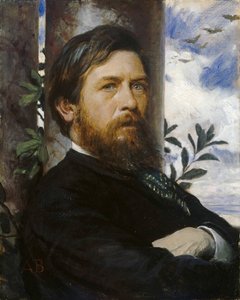
أرنولد بوكلين
1827 - 1901 , سويسرا
لمحة سريعة
- Artistic Movement Or Style: الرمزية
- Artists Or Movements Influenced By This Artist:
- هانس توما
- ما قبل الرافائيلية
- Artists Who Influenced This Artist:
- شيرمر
- فويرباخ
- Date Of Birth: 16 أكتوبر 1827
- Date Of Death: 16 يناير 1901
- Full Name: أرنولد بوكلين
- Nationality: سويسري
- Notable Artworks:
- جزيرة الموتى
- الحورية والساتير
- سافو
- صورة ذاتية
- Place Of Birth: بازل، سويسرا
مقالات ذات صلة

Theatricality & Triumph: Baroque Drama in Painting & Sculpture
Explore the dramatic world of Baroque art! Discover its history, defining characteristics, & lasting influence on painting & sculpture. Expert insights into Caravaggio, Zurbarán, and Bernini – plus high-quality reproductions at OriginalUniqueArt.

The Enduring Form: Exploring Themes & Techniques in Sculpture Across Historical Periods
Explore the rich history of sculpture from ancient masterpieces to contemporary innovations. Discover key techniques, influential artists & investment potential for discerning art collectors.

Bronze Sculptures That Defined Art History | OriginalUniqueArt
Journey through art history with our Top 10 bronze sculptures! Explore masterpieces by Rodin, Michelangelo & more. Discover stories behind iconic statues and find museum-quality reproductions for your home decor at OriginalUniqueArt.com.

The Enduring Form: Sculpture Across History, Technique & Emotional Resonance
Explore the rich history of sculpture with OriginalUniqueArt. Discover key techniques, influential artists & investment potential for discerning collectors. Expert insights into valuing and collecting timeless masterpieces.

Bronze Age to Modern Masters: 10 Sculptures That Redefined Art | OriginalUniqueArt
Journey through art history with 10 legendary bronze sculptures – from Michelangelo's David to Rodin’s Thinker. Explore the stories, techniques & timeless beauty of these masterpieces. Find museum-quality reproductions & elevate your home decor on OriginalUniqueArt.com.
