
 معاينة الحجم الواقعي
 إرسال
إرسال مشاركة
 عرض التفاصيل
 دليل الأعمال الفنية للطلاب

 تحميل
تحميل
 قطع مشابهة
 الأشعة السينية
 عرض شرائح متتابع
 Q&A
Q&A الإحصائيات
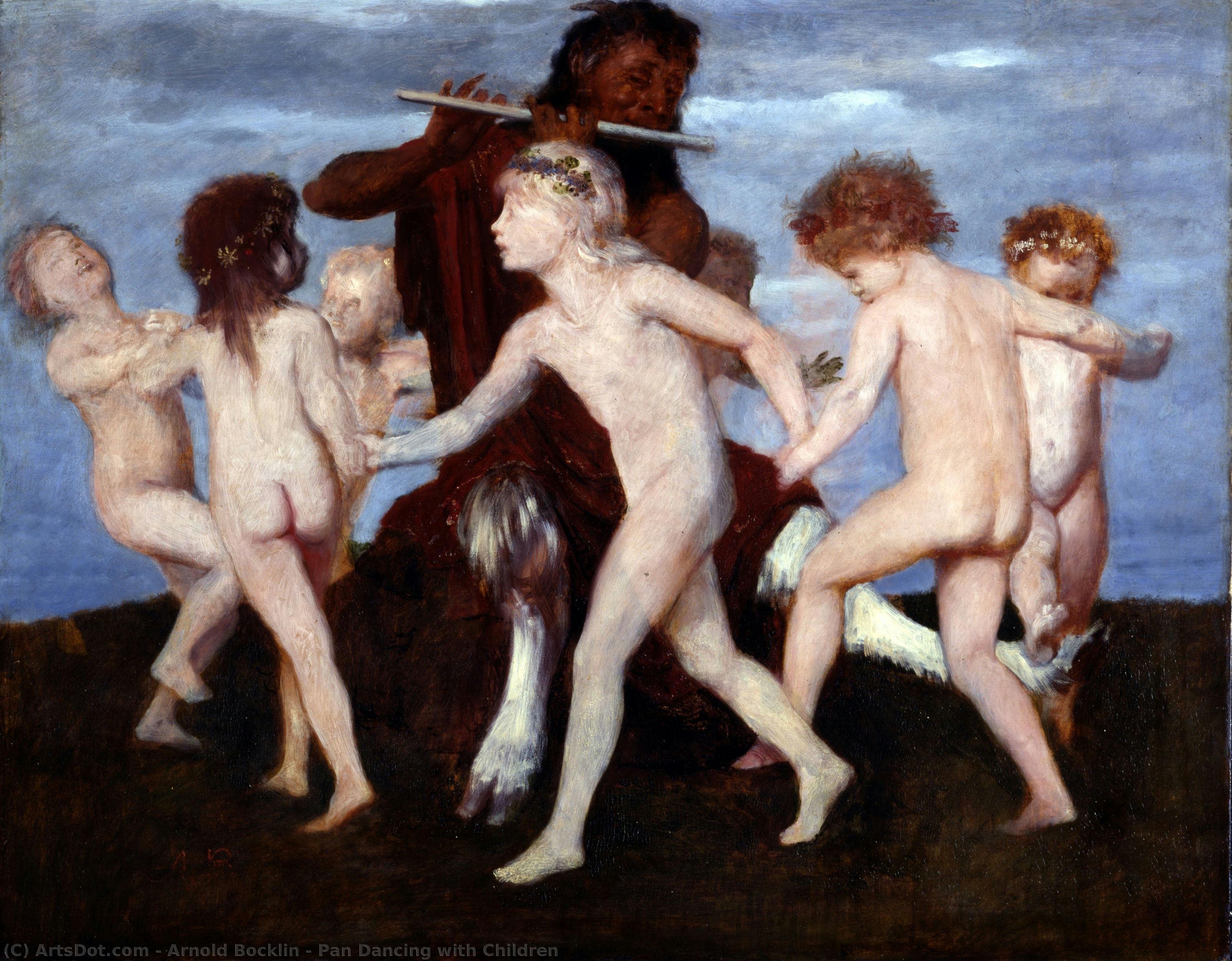
Pan Dancing with Children


 اقرأ المزيد
طباعة جيلي / مطبوعات فنية
طباعة جيكلي أو كانفاس بجودة المتاحف، مع سرعة في التنفيذ وخيارات متنوعة للتشطيب. ( اطلب نسخة مرسومة يدويًا التحويل إلى الصورة الرقمية)




P118B E£10

P118H E£10

P118W E£10

P438Z E£10

P508JH E£12

P508YH E£12

P805H E£10

P805Z E£10

P919BZ E£10

P919G E£10

P919XJ E£10

P959ZH E£10

P968JZ E£12

W106C E£8

W218G E£10

W218JH E£8

W218Y E£10

W307PJ E£10

W316G E£10

W316PJ E£8

W316Y E£10

W398PJ E£8

W4111J E£10

W500HY E£15

W500JH E£15

W692G E£12

W849H E£8

W940BG E£15

W953PJ E£8




اختر من بين أحجامنا المُعدّة مسبقاً والتي تتوافق مع النسب الأصلية للعمل الفني.

أدخل العرض والارتفاع اللذين تحتاجهما، ليتناسب مع إطارك أو جدارك. يمكن قص المطبوعة فقط، ولا يمكن أبداً جعلها أكبر من الصورة الأصلية، لذا فإن أي مقاس بشكل مختلف سيؤدي إلى فقدان جزء من الصورة. سنرسل لك نموذجاً رقمياً تجريبياً لاعتماده قبل البدء في عملية الطباعة. الصورة المعروضة في هذه الصفحة لا توضح القص الفعلي — النموذج التجريبي فقط هو ما يظهر ذلك.
توصيل عالمي إلى خلال أسبوعين بدلاً من المدة القياسية البالغة 4/5 أسابيع. (30 أكتوبر)

شحن سريع ومجاني لجميع أنحاء العالم

قماش كتان فاخر

تأمين شامل على الشحن

ضمان استرداد الرسوم الجمركية

ضمان دقة مطابقة الألوان

سياسة الإرجاع خلال 100 يوم (في حالات العيوب فقط)

ضمان استرداد نقدي بنسبة 100%

عرض خصم الكميات
 خيار الزجاج متاح فقط للمقاسات التي تقل عن 110 سم

Pan Dancing with Children
طباعة جيلي / مطبوعات فنية
مقاس النسخة المطبوعة
-


إجمالي السعر
E£ 4182
The Enigmatic Dance: Arnold Böcklin’s “Pan Dancing with Children”
Arnold Böcklin's "Pan Dancing with Children," painted around 1884, isn’t merely a depiction of a pastoral scene; it’s an immersion into a realm of mythic beauty and unsettling serenity. This captivating work, currently residing within the Museum Folkwang in Essen, Germany, transcends simple representation, offering instead a profound meditation on childhood innocence, primal connection to nature, and the lingering presence of ancient spirits. Böcklin, a key figure in the Symbolist movement, masterfully employed a muted palette—primarily ochres, browns, and deep greens—to create an atmosphere thick with twilight and dreamlike suggestion. The figures themselves are rendered with a remarkable degree of detail, yet possess an almost ethereal quality, as if caught between worlds.
The painting’s composition is deliberately ambiguous. A central group of nude children, seemingly unburdened by adult concerns, frolic around Pan, the god of the wild, shepherds, and flocks. They are engaged in a variety of activities: playing musical instruments crafted from branches, holding hands in playful circles, and gazing upwards with an expression that blends curiosity and contentment. The inclusion of putti—small winged infants—further enhances the sense of otherworldly grace and innocence. Notice how Böcklin subtly integrates elements of classical mythology – the flute Pan holds is a direct reference to the god’s traditional instrument – alongside the rustic setting, creating a harmonious blend of ancient lore and contemporary observation.
A Glimpse into Symbolist Aesthetics
Böcklin's work firmly establishes him as a pivotal figure in the Symbolist movement, which sought to evoke emotions and ideas rather than simply depict reality. Rejecting the naturalism prevalent in earlier art movements, Symbolists like Böcklin prioritized subjective experience and explored themes of death, memory, and the subconscious. “Pan Dancing with Children” exemplifies this approach through its evocative atmosphere and symbolic imagery. The painting’s muted colors, soft lighting, and dreamlike quality contribute to a sense of melancholy and longing—a feeling that resonates deeply within the viewer.
The choice of nudity is particularly significant. It isn't presented in a provocative manner but rather as an embodiment of primal innocence and connection to nature. The children’s vulnerability underscores their purity, while their joyful dance suggests a liberation from worldly concerns. Böcklin’s meticulous attention to detail—from the texture of the children’s skin to the delicate folds of their clothing—further emphasizes their tangible presence within the scene.
Technique and Materials: A Masterful Blend
While often categorized as a painting, “Pan Dancing with Children” incorporates elements of mixed media. Böcklin skillfully combined oil paints with photographic techniques, creating a unique visual texture that blends the immediacy of photography with the depth and richness of traditional painting. This hybrid approach allowed him to capture fleeting moments of light and shadow, imbuing the scene with an unparalleled sense of realism. The use of layering and glazing—applying thin washes of paint over previous layers—contributes to the work’s luminous quality and creates a subtle interplay of colors.
The artist's background in Düsseldorf, associated with the school known for its emphasis on realistic depiction, is evident in the meticulous rendering of the figures and their surroundings. However, Böcklin departs from traditional academic techniques by prioritizing atmosphere and emotional impact over precise representation. This deliberate shift reflects his commitment to Symbolist principles and his desire to create a work that transcends mere visual observation.
Symbolism and Interpretation: Echoes of Ancient Myths
Beyond its aesthetic qualities, “Pan Dancing with Children” is rich in symbolic meaning. Pan himself represents the untamed spirit of nature—a force both benevolent and potentially dangerous. The children’s dance can be interpreted as a celebration of life, joy, and connection to the natural world. However, there's also an undercurrent of melancholy—a sense that this idyllic scene is fleeting and destined to fade away. The painting subtly evokes themes of mortality and the cyclical nature of time.
The inclusion of ancient myths – Pan’s role as a shepherd god, the presence of putti – connects the work to a broader cultural heritage, suggesting a timeless resonance between humanity and the natural world. Böcklin's masterful use of symbolism invites viewers to engage in their own interpretations, creating a deeply personal and emotionally resonant experience. Reproductions of this iconic artwork continue to captivate audiences with its haunting beauty and profound sense of mystery.
الأسئلة والأجوبة
هل تُعدّ "Pan Dancing with Children" للفنان أرنولد بوكلين لوحةً زاهية الألوان أم داكنة؟
من حيث السطوع الملحوظ، فإن "Pan Dancing with Children" للفنان أرنولد بوكلين يتميز بـ balanced.
ما هي المكانة التي تحتلها "Pan Dancing with Children" للفنان أرنولد بوكلين في تاريخ الفن؟
تاريخياً، يُعد "Pan Dancing with Children" عملاً ينتمي إلى مدرسة Symbolist Painting من عصر 19th Century الأوسع نطاقاً.
ما هو الحجم والاتجاه الموصى بهما لطباعة "Pan Dancing with Children"؟
مقاس Medium، واتجاه Landscape: هذا هو إعداد الطباعة المقترح لـ "Pan Dancing with Children" للفنان أرنولد بوكلين.
نبذة عن الفنان
البدايات والنشأة الفنية
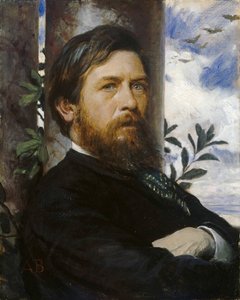
أرنولد بوكلين، الرسام السويسري البارز في المدرسة الرمزية، أبصر النور في السادس عشر من أكتوبر عام 1827 في مدينة بازل بسويسرا. نشأ في كنف عائلة عريقة؛ فوالده، كريستيان فريدريك بوكلين، كان ينتمي إلى أسرة قديمة من شافهوزن وعمل في تجارة الحرير، بينما كانت والدته، أورسولا ليب، ابنة مدينته الأم. صقل موهبته في أكاديمية دوسلدورف تحت إشراف المعلم شيرمر، حيث نشأت بينه وبين أنسيلم فيورباخ علاقة صداقة وثيقة، وارتبط اسمه تاريخياً بمدرسة دوسلدورف للتصوير الزيتي.المسيرة الفنية وعمق الرمزية
انطلقت رحلة بوكلين الإبداعية عبر مدن كبرى، فزار باريس حيث عمل في متحف اللوفر، واستلهم من سحر روما ومشاهدها الخالدة. اتسمت أعماله بتجسيد شخصيات أسطورية ورمزية ضمن خلفيات من العمارة الكلاسيكية، غائصاً في أعماق ثيمات الموت والفناء والوجود.- كانت لوحة المنتزه الكبير من بواكر أعماله التي استعرضت الأساطير القديمة.
- وشهدت تلك الحقبة بروز أعمال لافتة مثل الحورية والساتير (1858) ولوحة سافو (1859).
- كما جسدت لوحته بورتريه لنفسي، والموت يعزف الكمان (1872) أسلوبه الفريد والمتفرد.
الإرث والتأثير الخالد
ذاع صيت بوكلين عالمياً من خلال خمس نسخ مختلفة من لوحته الشهيرة جزيرة الموتى (1880-1886)، والتي استلهمت روح المقبرة الإنجليزية في فلورنسا، حيث دُفنت ابنته. لم يتوقف أثره عند حدود لوحاته، بل امتد ليلهم جيلاً من الفنانين الشباب مثل هانز توما، وترك بصمة واضحة في موسيقى العديد من مؤلفي العصر الرومانسي المتأخر.- لقد وصف الناقد كليمنت جرينبرج أعمال بوكلين بأنها "واحدة من أكثر التعبيرات إتقاناً" في عصره.
- تداخل أسلوب بوكلين مع حركة ما قبل الرافائيلية، مؤكداً على عالم الأحلام والغموض الصوفي.
المتاحف والمجموعات الفنية
يمكن العثور على روائع بوكلين في متاحف مرموقة حول العالم، ومنها:- المجموعة الفنية العامة (بازل، سويسرا)
- متحف كونستموزيل بازل (سويسرا)
- متحف كونستهاوس زيورخ (زيورخ، سويسرا)
أرنولد بوكلين
1827 - 1901 , سويسرا
لمحة سريعة
- Artistic Movement Or Style: الرمزية
- Artists Or Movements Influenced By This Artist:
- هانس توما
- ما قبل الرافائيلية
- Artists Who Influenced This Artist:
- شيرمر
- فويرباخ
- Date Of Birth: 16 أكتوبر 1827
- Date Of Death: 16 يناير 1901
- Full Name: أرنولد بوكلين
- Nationality: سويسري
- Notable Artworks:
- جزيرة الموتى
- الحورية والساتير
- سافو
- صورة ذاتية
- Place Of Birth: بازل، سويسرا
مقالات ذات صلة
Timeless Legends: A Curated Guide to the Eternal Allure of Mythological Masterpieces
Embark on a sophisticated journey through the eternal allure of mythological art. Discover how master painters breathe life into ancient legends, from Greek deities to Baroque masterpieces, and learn to curate these timeless narratives within your own exquisite art collection.
Echoes of Olympus: Mythological Narratives in Western Art Through the Ages
Explore the captivating history of mythological narratives in Western art! From ancient Greece to modern masterpieces, discover iconic artworks & symbolism. Expert analysis and high-quality reproductions at OriginalUniqueArt.
Sir Nathaniel Dance-Holland: Portraiture, Patronage & Georgian Identity
Explore the life & art of Sir Nathaniel Dance-Holland, a leading Georgian portraitist. Discover his masterful technique, influential patrons, and lasting impact on 18th-century British society. A guide for discerning collectors.
Move to the Beat: Bold & Iconic Dance Art to Electrify Your Space
Elevate your space with bold, iconic dance art. From street art vibes to Pop Art masterpieces, discover high-impact, hand-painted reproductions and custom commissions designed to move you. Transform your walls with the rhythm of contemporary culture.

Timeless Legends: The Eternal Allure of Mythological Figures in Masterpiece Art
Explore the profound beauty of mythological figures through the lens of art history. From Renaissance masterpieces to custom oil reproductions, discover how legendary tales of heroism and divinity are immortalized in fine art for discerning collectors.
