Romanticism · 1890
Honeymoon (أرنولد بوكلين, 1890)
أبدع أرنولد بوكلين (1827–1901) في Honeymoon. يعود تاريخها إلى 1890. تنتمي إلى حركة Romanticism. صُنعت من Oil On Canvas. تُحفظ في Städel Museum في فرانكفورت, ألمانيا. أبعادها 72 × 52 cm
- 1890
- Oil On Canvas
- 72 × 52 cm
- Städel Museum, فرانكفورت

 معاينة الحجم الواقعي

 لوحة زيتية مرسومة يدوياً
 مشاركة
 مشاركة
 ورقة الحقائق


 تحميل الملف
 قطع مشابهة
 الأشعة السينية
 عرض شرائح
 الأسئلة والأجوبة

 الإحصائيات
Honeymoon باختصار
- العنوان
- Honeymoon
- الفنان
- أرنولد بوكلين (1827–1901)
- تاريخ ميلاد الفنان
- بازل, سويسرا
- التاريخ
- 1890
- الوسيط الفني
- Oil On Canvas
- الأبعاد
- 72 × 52 cm
- أين يمكن مشاهدتها
- Städel Museum, فرانكفورت, ألمانيا
- الحركة
- Romanticism
- الحقبة
- 19th Century
- الموضوع
- romantic landscape, mountain view, intimate scene, atmospheric art, detailed texture, ethereal mood
ماذا يصور Honeymoon؟
A Moment of Sublime Romance: Arnold Böcklin’s “Honeymoon”
Arnold Böcklin's "Honeymoon," painted in 1890, is more than just a picturesque landscape; it’s a carefully constructed meditation on love, aspiration, and the profound connection between humanity and nature. Measuring 72 x 52 cm, this oil-on-canvas work exemplifies Böcklin's signature style within the Symbolist movement – a style characterized by its evocative mood, symbolic resonance, and meticulous attention to detail. The scene depicts a young couple perched atop a rugged rock formation, overlooking a vast, hazy expanse that speaks of both beauty and mystery. It’s a tableau designed not merely to represent a romantic encounter but to evoke a deeply felt emotion within the viewer.
Romanticism's Embrace: Composition and Technique
- Compositional Strength: The figures, centrally placed yet subtly distanced, draw the eye immediately, establishing a powerful focal point. The horizontal thrust of the rocky outcrop anchors the scene while simultaneously directing the gaze towards the distant landscape. This deliberate arrangement creates a sense of depth and stability, crucial elements within Böcklin’s approach.
- Meticulous Brushwork: Böcklin's technique is immediately apparent in the incredibly detailed brushwork. Layer upon layer of oil paint has been skillfully applied to build up the textures of the stone – rough, weathered, and undeniably ancient – as well as the flowing drapery of the woman’s dress and the delicate strands of her hair. This painstaking process imbues the painting with a remarkable tactile quality.
- Atmospheric Perspective: The use of atmospheric perspective—the subtle blurring of details in the background to suggest distance—further enhances the illusion of depth, transporting the viewer into this serene, almost dreamlike setting.
Symbolic Layers: Interpretation and Meaning
“Honeymoon” is rich with symbolic meaning, reflecting Böcklin’s fascination with themes of mortality, mythology, and the human condition. The elevated position of the figures on the rocky outcrop can be interpreted as a representation of aspiration – a desire to reach for something beyond the mundane. The vast landscape behind them symbolizes the immensity of emotion or experience, suggesting that love is both intensely personal and profoundly connected to the wider world. The muted color palette—browns, ochres, and greens—contributes to the painting’s melancholic yet hopeful mood, reminiscent of Romanticism's exploration of intense feelings and the sublime.
A Masterpiece of the Symbolist Era
Painted in 1890, “Honeymoon” stands as a testament to Arnold Böcklin’s mastery of the Symbolist style. His ability to capture not just visual beauty but also profound emotional and symbolic resonance is evident in every detail. This artwork offers a glimpse into the heart of the Symbolist movement – a movement that sought to express ideas and emotions through evocative imagery, rather than literal representation. A hand-painted reproduction of “Honeymoon” would bring this timeless piece into any interior space, offering a touch of Romantic elegance and contemplative beauty.
أي متحف يضم Honeymoon؟
Städel Museum
فرانكفورت, ألمانيا
أصول وتاريخ Städel Museum تضرب جذور Städel Museum في أعماق التاريخ، حيث تعود بداياته إلى المجموعة الشخصية التي جمعها يوهان فريدريش شتاديل، المصرفي والراعي للفنون في فرانكفورت. تأسست هذه المؤسسة كوقف مدني في عام 1815، قبل أن تُعلن عن وجودها الرسمي في عام 1817. ولم يكن هدف شتاديل مجرد الحفاظ على مقتنياته، بل كان يسعى بقلبٍ شغوف إلى إتاحة هذه الكنوز الفنية للجمهور، لتكون إرثاً متاحاً للجميع مما جمعه خلال رحلاته وأنشطته التجارية.


صور عالية الدقة لـ Honeymoon

أرنولد بوكلين, Honeymoon (1890), Städel Museum. ملك عام
أسئلة وإجابات حول Honeymoon
أين تُعرض "Honeymoon" للفنان أرنولد بوكلين اليوم؟
تُحفظ النسخة الأصلية من "Honeymoon" للفنان أرنولد بوكلين في Städel Museum, فرانكفورت, ألمانيا، بينما تتيح لك هذه النسخة المطبوعة عرض العمل الفني في منزلك.
في أي عام أُبدعت "Honeymoon" للفنان أرنولد بوكلين؟
أُبدع العمل الفني "Honeymoon" للفنان أرنولد بوكلين في عام 1890.
ما هي التقنية المستخدمة في "Honeymoon" للفنان أرنولد بوكلين؟
تعتمد التقنية المستخدمة في "Honeymoon" للفنان أرنولد بوكلين على Oil On Canvas، وتهدف النسخ المطبوعة إلى محاكاة مظهر هذه التقنية.
ما هي أبعاد العمل الأصلي "Honeymoon" للفنان أرنولد بوكلين؟
أبعاد العمل الفني المسجلة لـ "Honeymoon" للفنان أرنولد بوكلين هي 72 x 52 cm. يمكن طلب نسخ مطابقة بأحجام أخرى مع الحفاظ على نفس النسب.
ماذا يصور "Honeymoon"؟
تتمثل موضوعات "Honeymoon" في romantic landscape, mountain view, intimate scene, atmospheric art, detailed texture, ethereal mood, symbolism, vintage painting.
هل "Honeymoon" للفنان أرنولد بوكلين ضمن الملكية العامة؟
أما بخصوص حقوق الطبع والنشر، فإن "Honeymoon" تندرج ضمن ملك عام - انتهت مدة حماية حقوق الطبع والنشر الخاصة به.
من أبدع "Honeymoon"؟
تم إبداع "Honeymoon" بواسطة أرنولد بوكلين. وتصف المعلومات الواردة في هذه الصفحة العمل الأصلي لـ أرنولد بوكلين.
إلى أي أسلوب ينتمي "Honeymoon"؟
تنتمي "Honeymoon" للفنان أرنولد بوكلين إلى حركة Romanticism، التي تمنح العمل سياقه الأسلوبي.
إلى أي مرحلة من مسيرة أرنولد بوكلين الفنية تنتمي لوحة "Honeymoon"؟
تندرج لوحة "Honeymoon" ضمن مرحلة Mature Period من مسيرة أرنولد بوكلين المهنية، وهي مرحلة تتيح مقارنة هذا العمل بأعمال الفنان الأخرى.
عن الفنان، أرنولد بوكلين
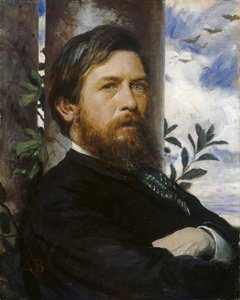
1827–1901, سويسرا
أرنولد بوكلين
ظل الجزيرة تمثل مدينة بازل السويسرية نقطة الانطلاق لحياة اتسمت بالتوتر القائم بين ما هو ملموس وما هو طيفي. ولد أرنولد بوكلين في السادس عشر من أكتوبر عام 1827، لوالديه كريستيان فريدريك بوكلين وأورسولا ليب، لينتقل الشاب لاحقاً من عالم تجارة الحرير الذي انخرط فيه والده إلى القاعات الصارمة لأكاديمية دوسلدورف. وتحت إشراف المعلم شيرمر، بدأ في استيعاب لغة المناظر الطبيعية، وهي المهارة التي سيستخدمها لاحقاً لرسم جغرافيا الروح البشرية؛ فلم يكن يكتفي برسم المشاهد فحسب، بل كان يشيد عوالم تتصادم فيها الأساطالية مع الموت. إن الانتقال من الانضباط الأكاديمي في دوسلدورف إلى أضواء باريس وعظمة روما القديمة يمثل تحولاً جوهرياً في رؤيته الفنية.
وأيضاً لـ أرنولد بوكلين
 جزيرة الموتى (النسخة الأولى)1880
 بورتريه ذاتي مع الموت وهو يعزف على الكمان
 الحرب1896
 The Isle of the Dead (Version 2)1880

مقالات حول Honeymoon
 A Study in Melancholy: Finding Human Sorrow within the Post-Impressionist TraditionExplore the profound expression of grief through Munch, Van Gogh, and Degas. Discover the soul of Post-Impressionism with our expert study.
 The Language of Brushstrokes: Decoding Emotion and Technique in Art HistoryExplore the profound connection between technique and emotion. From the sculptural depth of impasto to classical mastery, decode the langua…
 Nature's Sublime Majesty: The Emotional Resonance and Spiritual Depth of Romantic Landscape PaintingExplore the spiritual depth of German Romanticism and Caspar David Friedrich's sublime landscapes. Discover the power of nature's majesty n…