
 معاينة الحجم الواقعي
 مشاركة
 مشاركة
 التفاصيل
 دليل
دليل

 تحميل الملف
 قطع مشابهة
 الأشعة السينية
 عرض شرائح
 الأسئلة والأجوبة
 الإحصائيات
اللوحة الجدارية المقطعية


 عرض المزيد
طباعة جيلي / مطبوعات فنية
طباعة جيكلي أو كانفاس بجودة المتاحف، مع سرعة في التنفيذ وخيارات متنوعة للتشطيب. ( شراء لوحة مرسومة يدويًا الانتقال إلى الصورة الرقمية)




P118B E£10

P118H E£10

P118W E£10

P438Z E£10

P508JH E£12

P508YH E£12

P805H E£10

P805Z E£10

P919BZ E£10

P919G E£10

P919XJ E£10

P959ZH E£10

P968JZ E£12

W106C E£8

W218G E£10

W218JH E£8

W218Y E£10

W307PJ E£10

W316G E£10

W316PJ E£8

W316Y E£10

W398PJ E£8

W4111J E£10

W500HY E£15

W500JH E£15

W692G E£12

W849H E£8

W940BG E£15

W953PJ E£8




اختر من بين أحجامنا المُعدّة مسبقاً والتي تتوافق مع النسب الأصلية للعمل الفني.

أدخل العرض والارتفاع المطلوبين ليتناسب المقاس مع إطارك أو جدارك. يرجى الملاحظة أن المطبوعة يمكن قصها فقط ولا يمكن تكبيرها لتتجاوز أبعاد الصورة الأصلية، لذا فإن اختيار مقاس بأبعاد مختلفة سيؤدي إلى فقدان جزء من الصورة. سنرسل لك نموذجاً رقمياً تجريبياً لاعتماده قبل البدء في عملية الطباعة. الصورة المعروضة في هذه الصفحة لا توضح شكل القص الفعلي — النموذج التجريبي فقط هو ما يظهر ذلك بدقة.
توصيل عالمي إلى خلال أسبوعين بدلاً من المدة القياسية البالغة 4/5 أسابيع. (7 نوفمبر)

شحن سريع ومجاني لجميع أنحاء العالم

قماش كتان عالي الجودة

تأمين شامل على الشحن

ضمان استرداد الرسوم الجمركية

ضمان مطابقة الألوان الحقيقية

سياسة الإرجاع خلال 100 يوم (في حالات العيوب فقط)

ضمان استرداد نقدي بنسبة 100%

خصم عند طلب كميات
 خيار الزجاج متاح فقط للمقاسات التي تقل عن 110 سم

اللوحة الجدارية المقطعية
طباعة جيلي / مطبوعات فنية
مقاس النسخة المطبوعة
-


إجمالي السعر النهائي
E£ 4242
تحليل وتفسير لوحة الجدار الإيطالية لـ أوسيو
تعتبر لوحة الجدار الإيطالية التي رسمها الأنيس بوسيو عام ١٦٣٢ تحفة فنية فريدة من نوعها، تجسد روحًا دينية عميقة وتُظهر براعةً تقنية استثنائية في مجال التصوير الزخرفي. هذه اللوحة ليست مجرد صورة مرئية لحدث تاريخي أو شخصيات مقدسة، بل هي تعبير عن رؤية فنان يهدف إلى إثارة المشاعر والتأثير على المتلقي، وتحديدًا من خلال استخدام أسلوب الجرأة والرمزية التي تميز الفن الباروكي في تلك الحقبة.- الخلفية التاريخية: لم يتم تحديد مكان رسم اللوحة بدقة، ولكن يُعتقد أنها أنشئت في مدينة فاليتيتا الإيطالية، عاصمة دولة الممالك الهلنوسية التي كانت تحت حكم العائلة المالكة الكاثوليكية آنذاك. كان بوسيو يعمل كرسام ومؤرخ وفنان زخرفي، ويُعرف بقدرته على دمج عناصر مختلفة من الثقافة والفنون في أعماله الفنية، مما يعكس التوجهات الفكرية والاجتماعية السائدة في أوروبا في القرن السابع عشر.
- الأسلوب الفني: يمثل الأسلوب الفني للوحة تحولًا جذريًا عن الأساليب الكلاسيكية التي كانت سائدة في ذلك الوقت، حيث تميز بالتركيز على التعبير العاطفي والجمالي، واستخدام تقنيات الرسم المتقدمة لتحقيق تأثير بصري قوي. يعكس هذا الأسلوب تأثير حركة الباروك الإيطالية التي كانت تسعى إلى إبراز القوة والدين والأناقة في الفن، وتحديدًا من خلال استخدام الضوء والظل لخلق جو من الدراما والإثارة.
- التقنية الزخرفية: اعتمد الفنان على تقنية التظليل والتعتيق الدقيق، وهي طريقة شائعة في التصوير الزخرفي الباروكي لتحقيق تأثير بصري عميق وتحديدًا لإضفاء الحيوية على الأشكال والأسطح. استخدم بوسيو خطوطًا كثيفة وعميقة لتشكيل الأشكال وإبراز التفاصيل، مما يعكس مستوى العناية والدقة الذي يميز الفن الباروكي في ذلك الوقت.
- الاستخدام في التصميم الداخلي: يمكن تكييف ألوان اللوحة وتكوينها لتناسب مختلف الأساليب التصميمية الداخلية، بدءًا من الطراز الكلاسيكي وصولًا إلى الطراز الحديث، مما يضفي على المساحة لمسة من الفخامة والأناقة والروحانية.
- الاستلهام الرمزي: يمكن الاستعانة بالرمزية الدينية للوحة لإضفاء طابع خاص على التصميم الداخلي، وتحديدًا في المساحات التي تستخدم للأعمال الدينية أو للتأمل والتفكير العميق.
الأسئلة والأجوبة
هل ألوان "اللوحة الجدارية المقطعية" للفنان Antonio Bosio مشبعة أم خافتة؟
تتميز ألوان "اللوحة الجدارية المقطعية" للفنان Antonio Bosio بدرجة تشبع باهتة، حيث يعبر التشبع عن مدى حيوية الألوان أو خفوتها.
أين يمكنني العثور على دليل لـ "اللوحة الجدارية المقطعية"؟
تقدم صفحة دليل تعليمي الخاصة بـ "اللوحة الجدارية المقطعية" للفنان Antonio Bosio ورقة حقائق قابلة للطباعة مكونة من ورقتين: تتضمن العمل الفني مع جدول بياناته، وشريطاً زمنياً يضعه ضمن الحقبة التي عاش فيها الفنان، وأعمالاً أخرى للفنان نفسه، ولوحة الألوان المقاسة، بالإضافة إلى مراجع جاهزة للاقتباس بأربعة أساليب مختلفة.
ما هي التقنية المستخدمة في "اللوحة الجدارية المقطعية" للفنان Antonio Bosio؟
تعتمد التقنية المستخدمة في "اللوحة الجدارية المقطعية" للفنان Antonio Bosio على أكريليك على كانفاس، وتهدف النسخ المطبوعة إلى محاكاة مظهر هذه التقنية.
السيرة الذاتية للفنان
A Life Dedicated to Unearthing the Sacred Past
Antonio Bosio, born in Valletta, Malta around 1575, was a figure whose life transcended the typical boundaries of artistic practice. While often remembered as a painter, his true legacy lies in his pioneering archaeological work—specifically, his meticulous and passionate exploration of the Roman catacombs. Bosio’s story is one of dedication, intellectual curiosity, and a profound desire to connect with the early Christian world. His family background remains somewhat shrouded in mystery; historical accounts suggest a complex lineage involving a father bound by religious vows and a mother who may have been a North African slave or servant. This personal ambiguity perhaps fueled his lifelong fascination with hidden histories and marginalized narratives.
Bosio’s journey to Rome as a child marked a turning point in his life. He quickly became integrated into the circles of the Knights of Malta, eventually serving as their agent within the city. However, it was not through diplomatic duties that he found his calling but through an insatiable thirst for knowledge about the ancient world beneath his feet. In 1593, he embarked on a systematic study of the catacombs—a network of subterranean burial places used by early Christians and Jews. This undertaking was revolutionary for its time; previous explorations had been sporadic and largely undocumented. Bosio approached the task with an almost scientific rigor, meticulously mapping tunnels, documenting frescoes, and collecting artifacts.
The Roma Sotterranea: A Monumental Publication
Bosio’s most enduring achievement is undoubtedly his *Roma Sotterranea*, a comprehensive account of his catacomb explorations. Published posthumously in 1634, the work represents a monumental effort to preserve and disseminate knowledge about early Christian art and history. The publication wasn't merely a descriptive catalog; it was an attempt to reconstruct the spiritual and cultural landscape of Rome’s earliest communities. The engravings within *Roma Sotterranea* are particularly noteworthy for their detail and accuracy, providing invaluable visual documentation of frescoes that have since deteriorated or been lost. Bosio’s line work captures not only the physical form of the paintings but also a sense of the atmosphere—the dim light, the damp stone, the weight of centuries.
The creation of *Roma Sotterranea* was a painstaking process. Bosio faced numerous challenges, including limited access to certain catacombs, the logistical difficulties of working in subterranean environments, and the lack of established archaeological techniques. He relied heavily on his own observations, supplemented by information gathered from local informants and existing historical sources. The publication’s impact was immediate and far-reaching; it became a standard reference work for scholars and artists alike, shaping perceptions of early Christian art for generations to come.
Artistic Style & Religious Context
While primarily known as an archaeologist, Bosio was also a skilled painter. His artistic style reflects the influence of the Baroque movement—characterized by dramatic compositions, rich colors, and a heightened sense of emotion. He specialized in wall paintings, often depicting religious scenes with a focus on martyrdom and divine intervention. His work can be found in various churches and chapels around Valletta, showcasing his mastery of fresco technique and his ability to convey complex theological concepts through visual imagery.
Bosio’s artistic endeavors were deeply intertwined with his archaeological pursuits. His study of early Christian art informed his own painting style, leading him to incorporate elements of ancient iconography and symbolism into his compositions. He sought to create works that not only celebrated the faith but also evoked a sense of spiritual awe and reverence. The religious context of Bosio’s life—his association with the Knights of Malta and his dedication to uncovering the sacred past—played a crucial role in shaping his artistic vision.
Legacy & Historical Significance
Antonio Bosio's contribution extends beyond the realm of art history; he is considered a foundational figure in the development of modern archaeology. His systematic approach to excavation, documentation, and publication set a new standard for archaeological research. He was among the first to recognize the importance of preserving cultural heritage and making it accessible to a wider audience.
- Pioneering Methodology: Bosio’s meticulous mapping and documentation techniques laid the groundwork for future archaeological investigations.
- Preservation of Early Christian Art: *Roma Sotterranea* provided invaluable visual records of frescoes that have since been lost or damaged.
- Influence on Scholarship & Art: His work became a standard reference for scholars and artists, shaping perceptions of early Christian art for centuries.
- Connecting Past & Present: Bosio’s dedication to uncovering the sacred past fostered a deeper understanding of Rome’s cultural heritage.
Though his life was cut short in 1629, Antonio Bosio left an indelible mark on the world. He remains a testament to the power of intellectual curiosity, unwavering dedication, and the enduring human desire to connect with the stories of those who came before us. His legacy continues to inspire archaeologists, art historians, and anyone fascinated by the mysteries of the past.
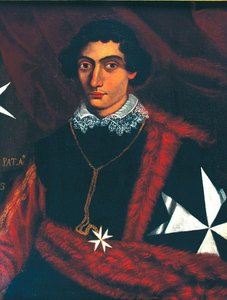
Antonio Bosio
1575 - 1629 , Malta
حقائق سريعة
- Full Name: Antonio Bosio
- Nationality: Maltese
- Date Of Birth: 1575
- Date Of Death: 1629
- Place Of Birth: Valletta, Malta
- Notable Artworks: ['Roma Sotterranea']
- Artistic Movement Or Style: Baroque Painting
- Artists Or Movements Influenced By This Artist: ['Giovanni Battista de Rossi']
مقالات ذات صلة

دراما الباروك: إحياء الفخامة والعاطفة في الدواخل المعاصرة
اكتشف سحر الباروك! دليل شامل حول الحركة الفنية، عناصرها الجمالية، وكيفية دمج فخامتها وعاطفتها في الدواخل المعاصرة. نصائح من خبراء OriginalUniqueArt لإضفاء لمسة باروكية على منزلك.

The Intricate World of Engraving: A Historical Survey of Technique, Artistic Expression & Enduring Legacy
Explore the rich history of engraving with OriginalUniqueArt. Discover techniques, iconic artists like Dürer & Callot, collecting tips, and expert guidance for preserving your art investment. Learn about intaglio printing & more!

Engraving: A Historical Survey of Technique, Artistic Expression & Enduring Legacy
Explore the rich history of engraving with OriginalUniqueArt. Discover techniques, iconic artists like Dürer & Callot, collecting tips, and expert guidance for preserving your art investment. Learn about intaglio printing & more!

Engraving's Golden Age: 10 Masterpieces That Redefined Art | OriginalUniqueArt
Journey through art history with our Top 10 Legendary Engravings! Explore masterpieces by Dürer, Rembrandt & Goya. Discover the stories behind these iconic prints and find museum-quality reproductions for your home at OriginalUniqueArt.com.

The Dramatic Flourish: Exploring the Baroque Movement's Enduring Legacy in Art History
Explore the dramatic world of Baroque art! Discover iconic artists like Caravaggio & Rubens, defining techniques, and its lasting impact on art history. Expert insights for collectors & enthusiasts at OriginalUniqueArt.
