Baroque · 1592
Pan (أنيبيل كاراتشي, 1592)
أبدع أنيبيل كاراتشي (1560–1609) في Pan. يعود تاريخها إلى 1592. تنتمي إلى حركة Baroque. صُنعت من Oil On Canvas. تُحفظ في National Gallery of Victoria في ملبورن, أستراليا. أبعادها 109 × 135 cm
- 1592
- Oil On Canvas
- 109 × 135 cm
- National Gallery of Victoria, ملبورن

 معاينة الحجم الواقعي

 لوحة زيتية مرسومة يدوياً
 مشاركة
 مشاركة
 بطاقة المعلومات


 تحميل الملف
 قطع مشابهة
 الأشعة السينية
 عرض شرائح
 الأسئلة والأجوبة

 الإحصائيات
Pan باختصار
- العنوان
- Pan
- الفنان
- أنيبيل كاراتشي (1560–1609)
- تاريخ ميلاد الفنان
- بولونيا, إيطاليا
- التاريخ
- 1592
- الوسيط الفني
- Oil On Canvas
- الأبعاد
- 109 × 135 cm
- أماكن العرض
- National Gallery of Victoria, ملبورن, أستراليا
- الحركة
- Baroque
- الموضوع
- pan, greek god, mythology, carracci, foreshortening, renaissance
ماذا يصور Pan؟
A Vision of Rustic Divinity: Annibale Carracci’s Pan
Annibale Carracci's "Pan," painted circa 1592, is not merely a depiction of the Greek god; it’s an embodiment of primal nature, a vibrant assertion of earthly delight rendered with breathtaking technical skill and imbued with the burgeoning spirit of the Bolognese school. This painting transcends simple portraiture, offering instead a glimpse into a world teeming with instinct, fertility, and the intoxicating allure of the wild. Commissioned by Cesare d'Este for his opulent Palazzo dei Diamanti in Ferrara – a palace itself reflecting the lavish tastes of the Renaissance court – “Pan” was intended to be part of a larger decorative scheme, a carefully orchestrated symphony of classical mythology designed to evoke grandeur and celebrate the power of the Este family.
Carracci’s genius lies in his masterful manipulation of perspective and color. The scene unfolds with a dramatic *di sotto in sù* foreshortening – a technique borrowed from earlier Renaissance masters but perfected by Carracci – that draws the viewer into the god's immediate presence. Pan, seated atop a ram or goat (the animal’s identity deliberately ambiguous), is presented not as an imposing deity, but as a youthful, almost mischievous figure. His pose is relaxed, his expression playful, and his limbs are rendered with a remarkable sense of naturalism that distinguishes this work from the more idealized depictions prevalent at the time. The rich palette – dominated by earthy reds, ochres, and greens – creates a tactile quality, inviting the viewer to almost feel the warmth of the Italian sun on Pan’s skin and the rough texture of his attire.
The Language of Symbolism
Pan, in Greek mythology, is the god of shepherds, flocks, wild animals, music, and revelry. He embodies the untamed spirit of nature, a force both alluring and potentially dangerous. Carracci’s portrayal captures this duality perfectly. The ram or goat beneath Pan isn't simply an animal; it represents fertility, abundance, and the cyclical rhythms of life and death – essential themes within the context of the Renaissance fascination with classical antiquity. The inclusion of the pipe, a traditional instrument associated with Pan, further reinforces his role as the patron of music and dance, suggesting a celebration of earthly pleasures.
Notably, the presence of the book or scroll in Pan’s hand hints at a deeper layer of meaning. While often depicted as a wild god, Pan was also associated with prophecy and knowledge – a connection that aligns with the intellectual climate of Renaissance Italy. The object could represent his ability to interpret the signs of nature, offering a glimpse into the mysteries of the world.
A Bridge Between Eras
“Pan” stands as a pivotal work in the transition from the High Renaissance to the Baroque period. Carracci’s embrace of naturalism and dramatic perspective – hallmarks of the Bolognese school – paved the way for the heightened emotional intensity and dynamic compositions that would characterize the Baroque style. His meticulous attention to detail, combined with his innovative use of *di sotto in sù* foreshortening, demonstrates a profound understanding of both classical principles and contemporary artistic trends. The painting’s placement within a larger decorative scheme further highlights its significance as a key element in the revival of classical art during the late 16th century.
A Timeless Appeal
More than four centuries after its creation, “Pan” continues to captivate viewers with its vibrant energy and evocative imagery. It’s a painting that speaks to our enduring fascination with nature, mythology, and the primal instincts that lie at the heart of human experience. Reproductions of this masterpiece offer an opportunity to bring this extraordinary vision into any setting, adding a touch of rustic divinity and timeless beauty to your home or office.
أي متحف يضم Pan؟
National Gallery of Victoria
ملبورن, أستراليا
أصول وتاريخ National Gallery of Victoria تأسست National Gallery of Victoria في عام 1861، في حقبة زمنية اتسمت بالتحولات الكبرى، حيث تزامنت نشأتها مع عصر حمى الذهب الذي شهد نمواً متسارعاً للمستعمرة. بدأت هذه المؤسسة العريقة كخزان متواضع للقوالب الجصية، كان الهدف منها مد جسور التواصل مع التقاليد الفنية الراسخة في أوروبا. ولم تكن تلك المجموعة الأولى سوى استجابة عملية للطموحات الاستعمارية آنذاك، سعياً لتحقيق التكافؤ الثقافي مع القوى العالمية القديمة والمستقرة.


صور عالية الدقة لـ Pan

أنيبيل كاراتشي, Pan (1592), National Gallery of Victoria. ملك عام
أسئلة وإجابات حول Pan
أين تُعرض "Pan" للفنان أنيبيل كاراتشي اليوم؟
تُحفظ النسخة الأصلية من "Pan" للفنان أنيبيل كاراتشي في National Gallery of Victoria, ملبورن, أستراليا، بينما تتيح لك هذه النسخة المطبوعة عرض العمل الفني في منزلك.
في أي عام أُنجز "Pan"؟
أُبدع العمل الفني "Pan" للفنان أنيبيل كاراتشي في عام 1592.
ما هي التقنية المستخدمة في "Pan" للفنان أنيبيل كاراتشي؟
تعتمد التقنية المستخدمة في "Pan" للفنان أنيبيل كاراتشي على Oil On Canvas، وتهدف النسخ المطبوعة إلى محاكاة مظهر هذه التقنية.
ما هي أبعاد العمل الأصلي "Pan" للفنان أنيبيل كاراتشي؟
تبلغ أبعاد العمل الأصلي "Pan" للفنان أنيبيل كاراتشي 109 x 135 cm.
ماذا يصور "Pan"؟
تتمثل موضوعات "Pan" في pan, greek god, mythology, carracci, foreshortening, renaissance, baroque, deity.
هل يمكن إعادة إنتاج صورة "Pan" للفنان أنيبيل كاراتشي بحرية؟
حالة حقوق الطبع والنشر لـ "Pan" للفنان أنيبيل كاراتشي: العمل يقع ضمن ملك عام - انتهت مدة حماية حقوق الطبع والنشر الخاصة به، وهو ما يحدد مدى إمكانية إعادة إنتاج الصورة بحرية.
من هو الفنان الذي يُنسب إليه العمل "Pan"؟
تم إبداع "Pan" بواسطة أنيبيل كاراتشي. وتصف المعلومات الواردة في هذه الصفحة العمل الأصلي لـ أنيبيل كاراتشي.
إلى أي أسلوب ينتمي "Pan"؟
ينتمي العمل "Pan" إلى مدرسة Baroque، وهي المدرسة التي تمثل التقليد الفني الذي يندرج ضمنه هذا العمل.
إلى أي مرحلة من مسيرة أنيبيل كاراتشي الفنية تنتمي لوحة "Pan"؟
ينتمي العمل "Pan" إلى الفترة Mature Period من مسيرة أنيبيل كاراتشي المهنية، مما يربط هذا العمل بمراحل تطور الفنان الفني.
عن الفنان، أنيبيل كاراتشي
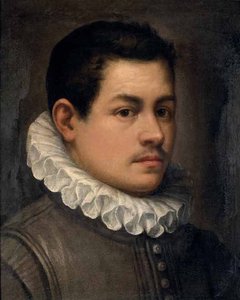
1560–1609, إيطاليا
أنيبيل كاراتشي
الحياة المبكرة والجذور البولونية ولد أنيبالي كارّاتشي في بولونيا في الثالث من نوفمبر عام 1560، وترعرع في عائلة متجذرة بعمق في التقاليد الفنية. من المرجح أن تدريبه الأولي قد تم في ورشة العمل العائلية، مما وضع الأساس لمسيرة مهنية ستعيد تشكيل مشهد الرسم الإيطالي بشكل عميق. كانت بولونيا في ذلك الوقت مركزًا نابضًا بالحياة للنشاط الفكري والفني، لكنها شعرت ببعض الانفصال عن التيارات المهيمنة القادمة من روما والبندقية. أثار هذا الشعور بالاقليم رغبة بين مجموعة من الفنانين الشباب - أنيبالي وأخوه أغوستينو وابن عمه لودوفيكو - في شق طريق جديد، طريق يهدف إلى إحياء الفن الإيطالي من خلال النظر إلى أساتذة عصر النهضة العليا مع تبني نهج أكثر واقعية.
أعمال أخرى لـ أنيبيل كاراتشي
 شمس آكل الفاصوليا
 اختيار هرقل
 منظر نهر1589
 استهزاء بالمسيح1596

مقالات حول Pan
 The Language of Animals in Art: From Ancient Egypt to the RenaissanceExplore the profound history of animal symbolism from Egypt to the Renaissance. Trace these ancient motifs through art history now.
 Annibale Carracci: Bridging Renaissance Ideals & Baroque InnovationExplore the life & art of Annibale Carracci, a pivotal figure bridging Renaissance ideals with Baroque innovation. Discover his masterpiece…
 Divine Beauty: The 25 Most Iconic Masterpieces by Fra AngelicoJourney through the divine beauty of Fra Angelico's finest works. Explore 25 iconic Renaissance masterpieces, from ethereal frescoes to sac…