التبديل إلى نسخة مطبوعة
 عرض المزيد







































 بالنسبة للأعمال الفنية أو النسخ المطبوعة التي يتجاوز طول أي من أضلاعها 105 سم (حوالي 41 بوصة)، سيتم شحن الإطار كمجموعة مفككة؛ حيث تضمن هذه الطريقة سلامة التوصيل وتمنع حدوث أي أضرار أثناء النقل.


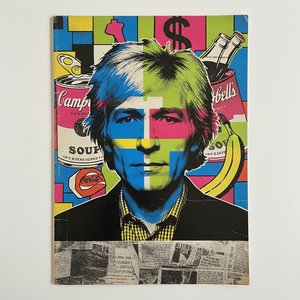
Andy Warhol’s Muhammad Ali – A Portrait of Iconography
Andy Warhol's "Muhammad Ali," created in 1978 as part of his ambitious “Athletes” series, transcends mere portraiture; it embodies the spirit of a pivotal moment in American culture and artistic innovation. Commissioned by Richard Weisman, this artwork delves into the intersection of celebrity, sport, and Pop Art’s fascination with mass media imagery—a realm Warhol expertly navigated throughout his prolific career.
- Subject Matter: The photograph captures a striking profile view of Muhammad Ali, arguably the most recognizable boxer of the 20th century. Warhol deliberately chose this pose to emphasize Ali's unwavering gaze and commanding presence – qualities that mirrored the athlete’s charisma on stage and off.
- Style & Technique: Warhol employed his signature silkscreen printing process, a technique he pioneered in the early 1960s. This method allowed him to reproduce photographic images with remarkable precision while simultaneously introducing subtle variations in color and texture—a hallmark of Pop Art’s aesthetic. The resulting print is characterized by its bold geometric shapes and flattened perspective, reflecting Warhol's rejection of traditional artistic conventions.
- Historical Context: “Muhammad Ali” emerged during a period of intense social and political upheaval, marked by the Vietnam War protests and burgeoning discussions about racial justice. Warhol’s decision to depict Ali—a figure who famously refused to serve in the military due to his pacifist beliefs—was itself a statement on artistic freedom and cultural critique.
- Color Palette & Composition: Warhol utilized a restrained color palette dominated by warm browns and turquoise, juxtaposed against a vibrant pink background. This deliberate contrast enhances the image’s dynamism and draws attention to Ali's facial features. The composition is simplified yet impactful, prioritizing clarity and conveying a sense of stillness amidst the athlete’s powerful stance.
- Symbolism & Emotional Impact: Warhol’s portrayal captures Ali’s stoic determination—a visual representation of his unwavering conviction in his beliefs. Beyond its aesthetic qualities, “Muhammad Ali” serves as a reminder of Warhol's ability to distill complex cultural narratives into iconic images that resonate with audiences across generations.
The artwork’s enduring appeal lies not only in its technical mastery but also in its reflection of the era’s anxieties and aspirations. Warhol’s “Muhammad Ali” remains a testament to Pop Art's transformative influence on visual culture, inviting viewers to contemplate themes of celebrity, identity, and artistic expression.
Further Exploration: Warhol’s Approach to Portraiture
Warhol’s method of transferring photographic images onto silk screens was revolutionary for its time. He meticulously examined the photograph before printing, adjusting it slightly to optimize its visual impact—a process that underscored his belief in harnessing the power of mass media.
Collecting Warhol Reproductions
Reproductions of Andy Warhol’s “Muhammad Ali” offer a beautiful way to experience this iconic artwork. High-quality prints are available from reputable dealers and online platforms like Artsy, allowing collectors to bring Warhol's vision into their homes.
الأسئلة والأجوبة
أين يمكنني شراء نسخة مطبوعة من "Muhammad Ali" للفنان آندي وارهول؟
يمكن طلب نسخة مطبوعة من "Muhammad Ali" للفنان آندي وارهول مباشرة عبر صفحة مطبوعة فنية فاخرة الخاصة بها: مطبوعة فنية فاخرة على قماش قطني أو ورق كانفاس أرشيفي.
ما هو اللون الأكثر بروزاً في "Muhammad Ali"؟
يتميز العمل الفني "Muhammad Ali" للفنان آندي وارهول بلونه السائد وهو Orange (#da9b0b).
هل ألوان "Muhammad Ali" زاهية أم خافتة؟
تتميز لوحة "Muhammad Ali" للفنان آندي وارهول بدرجة تشبع تبلغ Clear Color Presence وكثافة لونية تصل إلى Vivid.
 معاينة الحجم الواقعي
 مشاركة
 مشاركة
 التفاصيل
 دليل
دليل

 تحميل الملف
 قطع مشابهة
 الأشعة السينية
 عرض شرائح
 الأسئلة والأجوبة
 الإحصائيات