

 معاينة الحجم الواقعي
 إرسال
إرسال مشاركة
 عرض التفاصيل
 دليل الأعمال الفنية للطلاب

 تحميل
تحميل
 قطع مشابهة
 الأشعة السينية
 عرض شرائح متتابع
 الإحصائيات
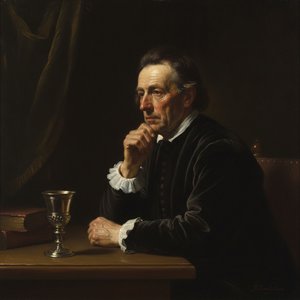
The Poor Painter in His Studio
 Oil On Canvas
- WallArt
- Dutch Golden Age
 1635
1635- Early Modern
 330.0 x 247.0 cm
 Rijksmuseum
 اقرأ المزيد
نسخة زيتية مصنوعة يدوياً
لوحة زيتية مرسومة يدوياً على الكانفاس بالمقاس والإطار الذي تفضله، تُنفذ حسب الطلب على أيدي فنانينا. ( التبديل إلى المطبوعات التحويل إلى الصورة الرقمية)




P118B E£10

P118H E£10

P118W E£10

P438Z E£10

P508JH E£12

P508YH E£12

P805H E£10

P805Z E£10

P919BZ E£10

P919G E£10

P919XJ E£10

P959ZH E£10

P968JZ E£12

W106C E£8

W218G E£10

W218JH E£8

W218Y E£10

W307PJ E£10

W316G E£10

W316PJ E£8

W316Y E£10

W398PJ E£8

W4111J E£10

W500HY E£15

W500JH E£15

W692G E£12

W849H E£8

W940BG E£15

W953PJ E£8




اختر من بين أحجامنا المُعدّة مسبقاً والتي تتوافق مع النسب الأصلية للعمل الفني.

أدخل العرض والارتفاع اللذين تحتاجهما، ليتناسب العمل مع إطارك أو جدارك. وبما أن هذه اللوحة مرسومة يدوياً، ففي حال اختيار مقاس بشكل مختلف، يمكن للفنان رسم مساحة إضافية حول الصورة أو تقليصها قليلاً — الخيار لك. سنرسل لك نموذجاً رقمياً تجريبياً لاعتماده قبل البدء في الرسم. علماً بأن الصورة المعروضة في هذه الصفحة لا تعكس النتيجة النهائية الحقيقية — فالنموذج التجريبي هو الوحيد الذي يوضح ذلك بدقة.
بعد إتمام الطلب، سيرسل فريق OriginalUniqueArt.com بريداً إلكترونياً للعميل لطلب التعليمات وتزويده بمعاينة تجريبية (mockup).
توصيل عالمي إلى خلال 3 إلى 4 أسابيع بدلاً من المدة المعتادة البالغة 5 أسابيع. (24 أكتوبر). جودة لا تهاون فيها.

شحن سريع ومجاني لجميع أنحاء العالم

قماش كتان فاخر

تأمين شامل على الشحن

ضمان استرداد الرسوم الجمركية

ضمان دقة مطابقة الألوان

سياسة الإرجاع خلال 100 يوم (في حالات العيوب فقط)

ضمان استرداد نقدي بنسبة 100%

عرض خصم الكميات
 خيار الزجاج متاح فقط للمقاسات التي تقل عن 110 سم

The Poor Painter in His Studio
وسيط إعادة الإنتاج
مقاس النسخة المطبوعة
-


إجمالي السعر
E£ 18087
The Intimate Crucible of Creation
To gaze upon "The Poor Painter in His Studio" is to step across the threshold and into the very heart of artistic endeavor. This scene, steeped in the rich atmosphere of the 17th-century Dutch Golden Age, offers more than just a depiction; it presents an immersion into the soul of creation itself. The composition centers on three figures—the seated artist, the attentive woman, and the small child—all gathered within the tangible clutter of a working studio. It is a tableau vivant that speaks volumes about patronage, family legacy, and the sheer dedication required to master a craft. The air feels thick with turpentine, linseed oil, and unspoken ambition.
Mastery in Shadow and Light
Technically, the painting is a breathtaking study in chiaroscuro. The dramatic interplay between deep, velvety shadows and brilliant shafts of illumination is what gives the work its profound visual weight. A single, unseen light source seems to pour in from the left, sculpting the forms of the figures and casting long, eloquent shadows across the floorboards. This masterful use of contrast does not merely illuminate; it dramatizes. The artist’s skill, characteristic of the period's finest realism, allows every texture—from the rough weave of a painter’s smock to the polished gleam of an easel—to emerge with startling clarity against the surrounding gloom.
Symbolism of Dedication and Lineage
The subject matter invites deep contemplation. The title itself hints at themes of humble dedication, suggesting that genius is not always heralded by wealth but often nurtured in quiet perseverance. The presence of the child is particularly poignant; it serves as a visual promise—a continuation of the artistic bloodline, a hope for legacy. Meanwhile, the tools scattered about, the half-finished canvases leaning against walls, are silent witnesses to countless hours of labor. These objects transform the studio from mere background into an active participant in the narrative, embodying the struggle and ultimate reward of the creative spirit.
A Timeless Echo for Modern Spaces
For those seeking art that transcends mere decoration, this reproduction offers a profound emotional anchor. Its rich, dramatic tonality—even when viewed as a grayscale photograph—lends itself to creating an atmosphere of sophisticated contemplation within any interior space. It speaks to the collector who appreciates narrative depth and technical virtuosity. Imagine this piece anchoring a library, a study, or a gallery wall; it does not simply hang there, it breathes life into the room, inviting every passerby to pause and consider the quiet dignity found at the intersection of family life and profound artistic pursuit.
الأسئلة والأجوبة
ما هي المشاعر والأحاسيس التي تجتمع في "The Poor Painter in His Studio"؟
في "The Poor Painter in His Studio"، ترافقه أجواء Dramatic مع إحساس Melancholic.
من الذي أبدع "The Poor Painter in His Studio" وبأي أسلوب نُفذت؟
يقف وراء "The Poor Painter in His Studio" كل من Andries Both وحركة Dutch Golden Age.
ما مدى إشراق "The Poor Painter in His Studio" بشكل عام؟
تتمتع لوحة "The Poor Painter in His Studio" للفنان Andries Both بسطوع ملحوظ يبلغ deep_shadow، مما يجعلها متناغمة مع الإضاءة في المساحة المخصصة لها.
نبذة عن الفنان
A Life Captured in the Shadows of Rome
The life of Andries Both was as transient and dramatic as the scenes he captured on canvas. Born in Utrecht, the son of a glass painter, his early years were steeped in the rich traditions of Dutch craftsmanship. Under the tutelage of Abraham Bloemaert, Both began to refine a vision that would eventually lead him far from the familiar landscapes of the Netherlands. His journey took him through Rouen and ultimately into the heart of Rome, where he became a notable figure among the bamboccianti—a spirited group of Dutch and Flemish painters who found inspiration in the gritty, unvarnished reality of Italian life.
In Rome, Both’s presence was firmly established between 1635 and 1641. He lived a life shared with his brother, Jan, navigating the vibrant artistic circles of the city. The brothers resided on the Via Vittoria, within the parish of San Lorenzo in Lucina, and may have been part of the Bentvueghels, an influential group of artists active in Rome. This period of his life was marked by a deep immersion in the everyday rhythms of the Roman countryside and its lower classes, providing him with a wealth of subject matter that would define his artistic legacy.
The Art of the Bambocciata
Both’s work is celebrated for its Bambocciata style, a genre characterized by small-scale cabinet paintings that depict the more rauceless and often humorous aspects of common life. His brushstrokes were broad and expressive, capable of conveying both a sense of harsh reality and a certain farcical charm. He did not shy away from the seamier side of existence; instead, he embraced it with an eye for detail that could be both objective and outrageous.
His compositions often functioned as subtle moral admonitions. In works such as The Card Players, he masterfully wove together independent narratives to critique social vices. Through the depiction of card-playing—a pastime then equated with idleness and deceit—and suggestive symbols like an egg representing fertility or infidelity, Both invited viewers to contemplate the consequences of immoral behavior. This ability to blend the mundane with the moral gave his work a profound depth that resonated far beyond simple genre painting.
Influences and Artistic Legacy
The lineage of Both’s artistry is a tapestry of great masters. He drew significant inspiration from the 16th-century Netherlandish traditions, particularly the peasant subjects pioneered by Pieter Brueghel the Elder. Furthermore, the influence of Flemish painters like Adriaen Brouwer and Adriaen van Ostade is evident in his caricatural figures and tavern scenes. These influences allowed him to create characters that felt both grounded in reality and heightened by a sense of theatricality.
Though his career was tragically cut short when he died by drowning in a Venetian canal while returning to the Netherlands, his impact on the genre painting tradition remains significant. He helped cultivate a specific aesthetic that found beauty in the overlooked and the unrefined, ensuring that the lives of the common people were etched into the history of European art with both humor and truth.

Andries Both
1613 - 1642 , Netherlands
لمحة سريعة
- Artistic Movement Or Style: Bamboccianti, genre painting
- Artists Who Influenced This Artist:
- Abraham Bloemaert
- Pieter Brueghel the Elder
- Adriaen Brouwer
- Full Name: Andries Both
- Nationality: Dutch
- Notable Artworks: ['The Card Players']
- Place Of Birth: Utrecht, Netherlands
- Date Of Birth: 1613
- Date Of Death: 1642
مقالات ذات صلة

Chiaroscuro and Character: A Masterclass in Light and Shadow within Dutch Golden Age Painting
Explore the profound mastery of light and shadow in Dutch Golden Age painting. From chiaroscuro to atmospheric landscapes, discover the techniques that defined an era and learn how to bring these timeless masterpieces into your home through museum-quality oil reproductions.

Chiaroscuro and Character: A Definitive Guide to Light and Shadow in the Dutch Baroque Era
Explore the dramatic mastery of the Dutch Baroque era. Discover how masters like Rembrandt used chiaroscuro to transform everyday life into timeless art. An expert guide for collectors and enthusiasts seeking to understand the profound interplay of light and shadow.

أفضل 10 روائع العصر الذهبي الهولندي: تحف فنية وجماليات منزلية خالدة | OriginalUniqueArt
اكتشف روائع العصر الذهبي الهولندي! استكشف 10 لوحات خالدة لرامبرانت، فيرمير وغيرهم. فن هولندي باروكي، ألوان آسرة وقصص فنية لا تُنسى. احصل على إعادة إنتاج عالية الجودة وتحف فنية لديكور منزلك مع OriginalUniqueArt.com
Chiaroscuro & Character: Mastering the Dramatic Light of Dutch Golden Age Art
Explore the dramatic power of Dutch Golden Age art. Discover how masters used chiaroscuro and realism to transform everyday life into timeless masterpieces. Perfect for collectors seeking sophisticated, high-impact historical aesthetics for modern luxury interiors.

Golden Light & Dutch Skies: The Timeless Magic of Dutch Golden Age Landscapes
Discover the breathtaking beauty of Dutch Golden Age landscapes. Explore the mastery of light, chiaroscuro, and 17th-century realism through an expert art history lens, celebrating the enduring legacy of the Dutch Masters for discerning collectors and art lovers.
