

 معاينة الحجم الواقعي
 إرسال
إرسال مشاركة
 عرض التفاصيل
 دليل الأعمال الفنية للطلاب

 تحميل
تحميل
 قطع مشابهة
 الأشعة السينية
 عرض شرائح متتابع
 الإحصائيات
الصيد في ضوء الشموع
 ألوان زيتية
- لوحات جدارية
- Baroque Illusionism
 1630
1630- العصر الحديث المبكر
 34.0 x 27.0 cm
 Szépművészeti Múzeum
 اقرأ المزيد
طباعة جيلي / مطبوعات فنية
طباعة جيكلي أو كانفاس بجودة المتاحف، مع سرعة في التنفيذ وخيارات متنوعة للتشطيب. ( اطلب نسخة مرسومة يدويًا التحويل إلى الصورة الرقمية)




P118B E£10

P118H E£10

P118W E£10

P438Z E£10

P508JH E£12

P508YH E£12

P805H E£10

P805Z E£10

P919BZ E£10

P919G E£10

P919XJ E£10

P959ZH E£10

P968JZ E£12

W106C E£8

W218G E£10

W218JH E£8

W218Y E£10

W307PJ E£10

W316G E£10

W316PJ E£8

W316Y E£10

W398PJ E£8

W4111J E£10

W500HY E£15

W500JH E£15

W692G E£12

W849H E£8

W940BG E£15

W953PJ E£8




اختر من بين أحجامنا المُعدّة مسبقاً والتي تتوافق مع النسب الأصلية للعمل الفني.

أدخل العرض والارتفاع اللذين تحتاجهما، ليتناسب مع إطارك أو جدارك. يمكن قص المطبوعة فقط، ولا يمكن أبداً جعلها أكبر من الصورة الأصلية، لذا فإن أي مقاس بشكل مختلف سيؤدي إلى فقدان جزء من الصورة. سنرسل لك نموذجاً رقمياً تجريبياً لاعتماده قبل البدء في عملية الطباعة. الصورة المعروضة في هذه الصفحة لا توضح القص الفعلي — النموذج التجريبي فقط هو ما يظهر ذلك.
توصيل عالمي إلى خلال أسبوعين بدلاً من المدة القياسية البالغة 4/5 أسابيع. (24 أكتوبر)

شحن سريع ومجاني لجميع أنحاء العالم

قماش كتان فاخر

تأمين شامل على الشحن

ضمان استرداد الرسوم الجمركية

ضمان دقة مطابقة الألوان

سياسة الإرجاع خلال 100 يوم (في حالات العيوب فقط)

ضمان استرداد نقدي بنسبة 100%

عرض خصم الكميات
 خيار الزجاج متاح فقط للمقاسات التي تقل عن 110 سم

الصيد في ضوء الشموع
طباعة جيلي / مطبوعات فنية
مقاس النسخة المطبوعة
-


إجمالي السعر
E£ 4134
الرسمة القاضية للضوء والظل: تحفة فنية لـ أندريز بوه
تعتبر لوحة "الرسمة القاضية للضوء والظل" لمؤلفها أندريز بوه من أبرز التحف الفنية التي ظهرت في عصر النهضة الهولندية، حيث تجسد فيها رؤية فنية فريدة تجمع بين الدقة التقنية والإحساس بالجمال الروحي. هذه اللوحة ليست مجرد صورة مرئية لحدث تاريخي، بل هي دعوة للتأمل والتفكير في قضايا الإيمان والأخلاق التي كانت سائدة في ذلك العصر، وتعتبر من أهم الأعمال التي تعكس تأثير حركة الرسامة القوطية على الفن الأوروبي.عالم البصيرة والرمزية
تتميز اللوحة بتكوينها الذي يركز على رجل نصف عاري محاطًا بمجموعة من الأشخاص، ويظهر ذلك في الإضاءة الاستثنائية التي يستخدمها الفنان أندريز بوه والتي تعكس الأسلوب القوطي المميز. فالضوء ليس مجرد عنصر بصري، بل هو وسيلة للتعبير عن المشاعر والأفكار العميقة، حيث يضيء الجسد النقي ويبرز التفاصيل الدقيقة، مما يخلق تأثيرًا بصريًا قويًا ومؤثرًا على المشاهد. كما أن وجود الشموع في اللوحة لا يحمل فقط وظيفة الإضاءة، بل يرمز إلى النور الروحي الذي يسعى إليه الرسام القوطي، ويشير إلى الأمل والتجديد الذي كان يتوقعه الناس في ذلك الوقت.تقنية الرسم المتقنة والواقعية التفصيلية
يعتبر أندريز بوه من أبرز الفنانين الذين استطاعوا إحداث ثورة في عالم الفن بتطبيق تقنيات جديدة ومبتكرة، حيث استخدم أسلوبًا يجمع بين الواقعية والتجريد، ويتميز بالدقة والاهتمام بالتفاصيل التي لا تُضاهى. فالرسام القوطي لم يكن مجرد كاتب صور، بل كان مهندسًا بصريًا يتمتع بمهارات عالية في استخدام الألوان والظل لتحقيق تأثيرات فنية استثنائية، وتحديدًا الإضاءة الباردة التي تعكس حالة من الرومانسية والتأمل العميق. هذه التقنية المتقنة هي التي تضفي على اللوحة هالة من الجمال والأصالة، وتجعلها تحفة فنية لا تُنسى للأجيال القادمة.السياق التاريخي والاجتماعي
تعتبر لوحة "الرسمة القاضية للضوء والظل" جزءًا من حركة الفنون القوطية التي ظهرت في هولندا في القرن السابع عشر، والتي كانت سائدة في ذلك العصر وتتميز بالبحث عن الجمال الروحي والتعبير عن المشاعر الإنسانية الصادقة. فالرسام القوطي لم يكن مجرد فنان، بل كان أيضًا ناقدًا اجتماعيًا ومثقفًا يولي اهتمامًا كبيرًا للقضايا السياسية والاجتماعية التي كانت تؤثر على حياة الناس في ذلك الوقت، ويستخدم الفن كوسيلة للتغيير والإصلاح. هذه اللوحة هي دليل على أن الفن لم يكن مجرد ترفيه للأرستقراطيين، بل كان له دور أساسي في تشكيل الهوية الثقافية والاجتماعية للمجتمع الهولندي، وتحديدًا خلال فترة التجديد الذي شهدته أوروبا في ذلك العصر.تأثير اللوحة على الفن الحديث
لا يمكن إنكار أن لوحة "الرسمة القاضية للضوء والظل" قد أحدثت تأثيرًا كبيرًا على تطور الفن الحديث، حيث ألهمت العديد من الفنانين والمبدعين لتطبيق تقنيات جديدة ومبتكرة وتجربة أساليب مختلفة لتحقيق تأثيرات فنية فريدة. فالرسام القوطي لم يكن مجرد تقليد للأساليب السابقة، بل كان رائدًا في مجال الفنون ويستخدم الإضاءة والظل بشكل إبداعي للتعبير عن المشاعر والأفكار العميقة، وتحديدًا حالة من الرومانسية والتأمل التي لا تزال تلهم الفنانين والمبدعين حتى يومنا هذا. هذه اللوحة هي رمز للإرث الفني الذي تركته حركة الفنون القوطية على تاريخ الفن الأوروبي، وتعتبر من أهم الأعمال التي تحدد مسار التطور الفني للأجيال القادمة.الأسئلة والأجوبة
ما مدى سطوع "الصيد في ضوء الشموع" للفنان Andries Both؟
إن مستوى الإضاءة المسجل لـ "الصيد في ضوء الشموع" للفنان Andries Both هو داكنة.
ما هي الألوان المهيمنة في "الصيد في ضوء الشموع" للفنان Andries Both؟
الهوية اللونية لـ "الصيد في ضوء الشموع" للفنان Andries Both: لوحة ألوان ألوان ترابية، يطغى عليها لون بني إسبريسو (#473225).
ما هي المشاعر والأحاسيس التي تجتمع في "الصيد في ضوء الشموع"؟
في "الصيد في ضوء الشموع"، ترافقه أجواء درامي مع إحساس شجني.
نبذة عن الفنان
A Life Captured in the Shadows of Rome
The life of Andries Both was as transient and dramatic as the scenes he captured on canvas. Born in Utrecht, the son of a glass painter, his early years were steeped in the rich traditions of Dutch craftsmanship. Under the tutelage of Abraham Bloemaert, Both began to refine a vision that would eventually lead him far from the familiar landscapes of the Netherlands. His journey took him through Rouen and ultimately into the heart of Rome, where he became a notable figure among the bamboccianti—a spirited group of Dutch and Flemish painters who found inspiration in the gritty, unvarnished reality of Italian life.
In Rome, Both’s presence was firmly established between 1635 and 1641. He lived a life shared with his brother, Jan, navigating the vibrant artistic circles of the city. The brothers resided on the Via Vittoria, within the parish of San Lorenzo in Lucina, and may have been part of the Bentvueghels, an influential group of artists active in Rome. This period of his life was marked by a deep immersion in the everyday rhythms of the Roman countryside and its lower classes, providing him with a wealth of subject matter that would define his artistic legacy.
The Art of the Bambocciata
Both’s work is celebrated for its Bambocciata style, a genre characterized by small-scale cabinet paintings that depict the more rauceless and often humorous aspects of common life. His brushstrokes were broad and expressive, capable of conveying both a sense of harsh reality and a certain farcical charm. He did not shy away from the seamier side of existence; instead, he embraced it with an eye for detail that could be both objective and outrageous.
His compositions often functioned as subtle moral admonitions. In works such as The Card Players, he masterfully wove together independent narratives to critique social vices. Through the depiction of card-playing—a pastime then equated with idleness and deceit—and suggestive symbols like an egg representing fertility or infidelity, Both invited viewers to contemplate the consequences of immoral behavior. This ability to blend the mundane with the moral gave his work a profound depth that resonated far beyond simple genre painting.
Influences and Artistic Legacy
The lineage of Both’s artistry is a tapestry of great masters. He drew significant inspiration from the 16th-century Netherlandish traditions, particularly the peasant subjects pioneered by Pieter Brueghel the Elder. Furthermore, the influence of Flemish painters like Adriaen Brouwer and Adriaen van Ostade is evident in his caricatural figures and tavern scenes. These influences allowed him to create characters that felt both grounded in reality and heightened by a sense of theatricality.
Though his career was tragically cut short when he died by drowning in a Venetian canal while returning to the Netherlands, his impact on the genre painting tradition remains significant. He helped cultivate a specific aesthetic that found beauty in the overlooked and the unrefined, ensuring that the lives of the common people were etched into the history of European art with both humor and truth.

Andries Both
1613 - 1642 , Netherlands
لمحة سريعة
- Artistic Movement Or Style: Bamboccianti, genre painting
- Artists Who Influenced This Artist:
- Abraham Bloemaert
- Pieter Brueghel the Elder
- Adriaen Brouwer
- Full Name: Andries Both
- Nationality: Dutch
- Notable Artworks: ['The Card Players']
- Place Of Birth: Utrecht, Netherlands
- Date Of Birth: 1613
- Date Of Death: 1642
مقالات ذات صلة

10 Iconic Masterpieces That Defined the Dutch Golden Age
Immerse yourself in the luminous mastery of the Dutch Golden Age. From Rembrandt’s dramatic shadows to Vermeer’s serene light, explore 10 iconic masterpieces and find museum-quality art reproductions to elevate your decor. Discover all masterpieces on OriginalUniqueArt.com.

25 Must-See Masterpieces at the Mauritshuis: A Journey Through Dutch Golden Age Art
Step into the Dutch Golden Age with our curated guide to 25 iconic masterpieces from the Mauritshuis. From Vermeer’s luminous light to Rembrandt’s drama, explore the stories behind these timeless works and find museum-quality art inspiration. Discover all masterpieces on OriginalUniqueArt.com.
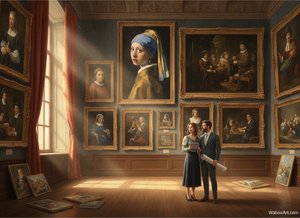
10 Iconic Masterpieces That Defined the Dutch Golden Age
Journey through the Dutch Golden Age with 10 iconic masterpieces. From Rembrandt's light to Vermeer's elegance, explore the stories behind these timeless oil paintings and find museum-quality reproductions for your decor. Discover all masterpieces on OriginalUniqueArt.com.
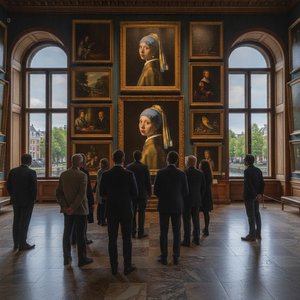
25 Must-See Masterpieces at the Mauritshuis: A Journey Through Dutch Golden Age Art
Step into the Dutch Golden Age with our curated guide to the 25 greatest masterpieces at the Mauritshuis. From Vermeer’s luminous light to Rembrandt’s drama, explore the stories behind these iconic works and find museum-quality art reproductions. Discover all masterpieces on OriginalUniqueArt.com.

Golden Light & Dutch Skies: The Timeless Magic of Dutch Golden Age Landscapes
Discover the breathtaking beauty of Dutch Golden Age landscapes. Explore the mastery of light, chiaroscuro, and 17th-century realism through an expert art history lens, celebrating the enduring legacy of the Dutch Masters for discerning collectors and art lovers.
