

 معاينة الحجم الواقعي
 إرسال
إرسال مشاركة
 عرض التفاصيل
 دليل الأعمال الفنية للطلاب

 تحميل
تحميل
 قطع مشابهة
 الأشعة السينية
 عرض شرائح متتابع
 الإحصائيات
Nativity
 Oil On Canvas
- WallArt
- Early Renaissance
 1515
1515- Renaissance
 133.0 x 215.0 cm
 Gallerie dell’Accademia
 اقرأ المزيد
طباعة جيلي / مطبوعات فنية
طباعة جيكلي أو كانفاس بجودة المتاحف، مع سرعة في التنفيذ وخيارات متنوعة للتشطيب. ( اطلب نسخة مرسومة يدويًا التحويل إلى الصورة الرقمية)




P118B E£10

P118H E£10

P118W E£10

P438Z E£10

P508JH E£12

P508YH E£12

P805H E£10

P805Z E£10

P919BZ E£10

P919G E£10

P919XJ E£10

P959ZH E£10

P968JZ E£12

W106C E£8

W218G E£10

W218JH E£8

W218Y E£10

W307PJ E£10

W316G E£10

W316PJ E£8

W316Y E£10

W398PJ E£8

W4111J E£10

W500HY E£15

W500JH E£15

W692G E£12

W849H E£8

W940BG E£15

W953PJ E£8




اختر من بين أحجامنا المُعدّة مسبقاً والتي تتوافق مع النسب الأصلية للعمل الفني.

أدخل العرض والارتفاع اللذين تحتاجهما، ليتناسب مع إطارك أو جدارك. يمكن قص المطبوعة فقط، ولا يمكن أبداً جعلها أكبر من الصورة الأصلية، لذا فإن أي مقاس بشكل مختلف سيؤدي إلى فقدان جزء من الصورة. سنرسل لك نموذجاً رقمياً تجريبياً لاعتماده قبل البدء في عملية الطباعة. الصورة المعروضة في هذه الصفحة لا توضح القص الفعلي — النموذج التجريبي فقط هو ما يظهر ذلك.
توصيل عالمي إلى خلال أسبوعين بدلاً من المدة القياسية البالغة 4/5 أسابيع. (25 أكتوبر)

شحن سريع ومجاني لجميع أنحاء العالم

قماش كتان فاخر

تأمين شامل على الشحن

ضمان استرداد الرسوم الجمركية

ضمان دقة مطابقة الألوان

سياسة الإرجاع خلال 100 يوم (في حالات العيوب فقط)

ضمان استرداد نقدي بنسبة 100%

عرض خصم الكميات
 خيار الزجاج متاح فقط للمقاسات التي تقل عن 110 سم

Nativity
طباعة جيلي / مطبوعات فنية
مقاس النسخة المطبوعة
-


إجمالي السعر
E£ 4134
A Divine Encounter in Oil: The Radiance of Previtali’s Nativity
In the quiet stillness of 1515, Andrea Previtali captured a moment of profound cosmic significance, weaving together the earthly and the divine within his masterpiece, Nativity. This Renaissance-era oil painting serves as more than just a depiction of a biblical event; it is a window into the soul of the Early Renaissance, where the heavy weight of human emotion meets the ethereal light of spiritual revelation. As one gazes upon the canvas, the viewer is immediately drawn into an architectural sanctuary that echoes the grandeur of ancient Rome, yet feels intimately connected to the humble reality of the manger. The composition is a masterclass in balance, guiding the eye from the distant, rolling hills and the radiant sun toward the central, sacred focus: Mary, Joseph, and the newborn Christ.
The technique employed by Previtali reveals the profound influence of his mentor, the great Giovanni Bellini. Through a meticulous layering of oil paints, the artist achieves a breathtaking sense of volume and realism that breathes life into every figure. The texture of the drapery, the weathered skin of the shepherds, and the soft glow surrounding the infant Jesus all contribute to a palpable sense of presence. Previtali utilizes a palette dominated by warm, grounding earth tones—rich ochres, deep browns, and burnt reds—which provide a sturdy foundation for the more celestial accents. The sudden, dramatic light emanating from above does not merely illuminate the scene; it sculpts it, casting soft shadows that define the geometric precision of the classical arches while highlighting the tender expressions of reverence on the faces of those gathered in witness.
Symbolism and the Architecture of Faith
Beyond its technical brilliance, the Nativity is a tapestry of deep symbolic meaning, designed to evoke wonder and piety. The architectural elements, characterized by straight lines and sturdy rectangular structures, represent the stability of the Church and the enduring nature of faith. In contrast, the organic, curving forms of the natural landscape and the soft folds of the figures' garments remind the observer of the vulnerability and humanity inherent in the Incarnation. The sun, positioned high in the sky, acts as a celestial herald, its light symbolizing divine grace descending upon the world to dispel the darkness of the preceding ages.
For the discerning collector or interior designer, this artwork offers a profound emotional resonance that transcends mere decoration. It possesses a quiet authority, making it an ideal centerpiece for spaces intended for reflection, study, or sophisticated gathering. Whether viewed as a historical document of the Bergamo school or as a timeless piece of spiritual art, Previtali’s work invites a sense of peace and contemplation. A high-quality reproduction of this piece allows the warmth and classical elegance of the Renaissance to permeate a modern environment, bringing with it an atmosphere of timelessness, dignity, and grace.
الأسئلة والأجوبة
هل تُعدّ "Nativity" للفنان أندريا بريفيتالي لوحةً زاهية الألوان أم داكنة؟
تتمتع لوحة "Nativity" للفنان أندريا بريفيتالي بسطوع ملحوظ يبلغ deep_shadow، مما يجعلها متناغمة مع الإضاءة في المساحة المخصصة لها.
ما مدى تناغم ألوان "Nativity" للفنان أندريا بريفيتالي؟
تُظهر ألوان "Nativity" للفنان أندريا بريفيتالي تناغماً Strong Color Unity. ويصف التناغم كيفية ترابط الألوان مع بعضها البعض.
ما مدى تشبع لوحة ألوان "Nativity"؟
تتميز لوحة "Nativity" للفنان أندريا بريفيتالي بدرجة تشبع تبلغ Subtle Color.
نبذة عن الفنان
روح عصر النهضة في بيرغامو: حياة أندريا بريفيتالي
في النسيج النابض بالحياة لعصر النهضة الإيطالي، تبرز خيوط قليلة بقدر تلك التي نسجها أندريا بريفيتالي. ولد بريفيتالي حوالي عام 1480 في مدينة بيرغامو التاريخية، وبرز خلال حقبة شهدت تحولاً فنياً عميقاً، وهو زمن بدأت فيه ظلال العصور الوسطى تتبدد أمام الوضوح المضيء للفكر الإنساني. تشكلت سنواته الأولى تحت تأثير التألق الجوي للمدرسة البندقية، حيث سعى لإتقان الفن على يد الأسطورة جيوفاني بيليني. ولم تكن هذه التلمذة مجرد تدريب تقني فحسب، بل كانت انغماساً في عالم يعمل فيه الضوء واللون كلغتين أساسيتين للتعبير عن الإلهيات والعواطف. ومن خلال تأثير بيليني، تعلم بريفيتالي كيفية تطويع الأصباغ لالتقاط التدرجات الناعمة للبشرة والتوهج الأثيري للمناظر الطبيعية المقدسة، واضعاً بذلك حجر الأساس لأسلوب فني سيحدد مسيرة حياته بأكملها.
ومع نضوج موهبته، أصبح بريفيتالي شخصية محورية في المشهد الكنسي بمدينة بيرغامو، حيث عملت أعماله كجسر يربط بين التقاليد العريقة لمدينة البندقية والتقوى المحلية لمنطقته الأم. ويمكن رؤية أحد أعمق إنجازاته في تحفته الفنية التي أبدعها عام 1515، وهي لوحة يوحنا المعمدان يعظ القديسين الآخرين، والتي نُفذت لصالح كنيسة سانتو سبيريتو. وفي هذا المذبح الصرحي، يمكن للمرء أن يلاحظ التكامل السلس بين الرشاقة التكوينية لبيليني وقدرة بريفيتالي المتنامية على تجسيد روايات معقدة تضم شخصيات متعددة. وقد امتد تفانيه في حرفته ليشمل كاتدرائية بيرغامو، حيث قدمت تصويراته للقديس بندكت وقديسين آخرين ركيزة بصرية لتقوى ذلك العصر، مزجاً بين الوقار والاستخدام المذهل والدقيق للألوان.
إتقان التفاصيل وإرث المدرسة البندقية
بعيداً عن الجدران المقدسة لكنائس بيرغامو، امتدت براعة بريفيتالي الفنية لتشمل المشهد الإيطالي الأوسع، مظهرةً تنوعاً سمح له بالتعامل مع السرديات الدينية الكبرى والدراسات الحميمية التي تركز على الشخصيات على حد سواء. وتُظهر أعماله في لوحة إنزال المسيح من الصليب لكنيسة سانت أندريا قدرة عميقة على إثارة الرنين العاطفي، حيث تساهم كل ضربة فرشاة في تجسيد الحزن الملموس في المشهد. إن هذه القدرة على نقل المشاعر الإنسانية العميقة من خلال التفاصيل الدقيقة هي السمة المميزة لأعماله، مما يضعه جنباً إلى جنب مع أهم اتجاهات عصر النهضة العليا.
وقد شهد الاعتراف التاريخي بعبقرية بريفيتالي إحياءً ملحوظاً في العصر الحديث؛ ففي عام 1937، اهتز عالم الفن عندما استحوذ كينيث كلارك، المدير المرموق للمعرض الوطني في لندن، على لوحتين صغيرتين تصوران مناظر طبيعية ريفية. أثار هذا الاكتشاف حواراً علمياً مكثفاً حول نسب هذه الأعمال إليه، وهو ما تأكد لاحقاً من خلال الأبحاث الدقيقة لخبراء مثل فيليب بونسيي. وتكشف هذه الأعمال الأصغر وجهاً مختلفاً لموهبته، وهو الملاحظة الهادئة والشاعريّة للطبيعة التي تكمل تكويناته الدينية الأكثر هيكلية.
واليوم، لا يزال إرث أندريا بريفيتالي محفوراً في المذابح العظيمة في إيطاليا. وتقف لوحته البشارة، الموضوعة فوق المذبح الرئيسي لكنيسة سانتا ماريا ديل مشيو في فيتوريو فينيتو، كشاهد على تأثيره الخالد. إنها عمل يختزل رحلته الفنية بأكملها، حيث تجتمع فيه بانسجام تام:
- الأجواء المضيئة: الضوء الناعم والمنتشر الذي يميز التأثير البندقي.
- العمق السردي: القدرة العميقة على رواية القصص المقدسة من خلال إيماءات دقيقة.
- تكامل المناظر الطبيعية: المزج السلس للشخصيات البشرية داخل عالم طبيعي هادئ.
ومن خلال مساهماته في عصر النهضة، ضمن بريفيتالي أن تظل الروح الفنية لبيرغامو محفورة في الذاكرة كعنصر حيوي وجوهري من التراث الثقافي الإيطالي الأوسع.

أندريا بريفيتالي
1480 - 1528
لمحة سريعة
- Artistic Movement Or Style: عصر النهضة
- Artists Who Influenced This Artist: ['جوفاني بيليني']
- Date Of Birth: بيرغامو، إيطاليا (حوالي 1480)
- Date Of Death: 1528
- Full Name: أندريا بريفيتالي
- Nationality: إيطالي
- Notable Artworks:
- يوحنا المعمدان يعظ مع قديسين آخرين
- سان بينيديتو وقديسون آخرون
- إنزال عن الصليب
- البشارة
- Place Of Birth: بيرغامو
مقالات ذات صلة

الرسم الزيتي: تاريخ عريق، تقنيات متطورة، وممارسات معاصرة لفن خالد
اكتشف تاريخ الرسم الزيتي وتقنياته المتطورة مع دليل شامل لفن خالد. تعلم عن المواد، الأساليب الكلاسيكية والمعاصرة، وكيفية العناية بلوحاتك الثمينة. خبراء OriginalUniqueArt يرشدونك!
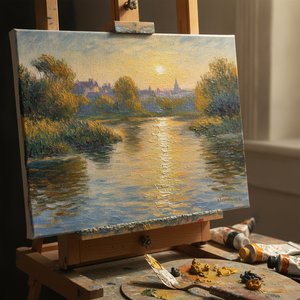
The Soul of Impressionism: Why Oil on Canvas Captures Eternal Light and Timeless Emotion
Discover the enchanting alchemy of Impressionism. Explore how the mastery of oil on canvas, through glazing and impasto, captures eternal light and emotion. Perfect for lovers of Monet and Van Gogh seeking the profound depth of hand-painted fine art.

Oil on Canvas: A Historical & Technical Exploration of a Timeless Artistic Medium
Explore the rich history & enduring techniques of oil painting on canvas. Discover the science behind its longevity, conservation practices, and contemporary relevance. Expert insights for art enthusiasts.

The Enduring Power of Painting: A Historical & Contemporary Exploration of Form and Emotion
Explore the rich history & enduring techniques of oil painting with OriginalUniqueArt. Discover masterpieces, learn about art collecting, and find authentic handmade reproductions crafted by skilled artists.

The Enduring Legacy of Oil on Canvas: Technique, History & Aesthetic Impact
Explore the rich history & techniques of oil painting – from Renaissance masters to Impressionism. Discover pigments, layering methods, and why this timeless medium endures. Expert insights for artists & art enthusiasts.
