

 معاينة الحجم الواقعي
 إرسال
إرسال مشاركة
 عرض التفاصيل
 دليل الأعمال الفنية للطلاب

 تحميل
تحميل
 قطع مشابهة
 الأشعة السينية
 عرض شرائح متتابع
 الإحصائيات
The Lighthouse at Collioure


 اقرأ المزيد
نسخة زيتية مصنوعة يدوياً
لوحة زيتية مرسومة يدوياً على الكانفاس بالمقاس والإطار الذي تفضله، تُنفذ حسب الطلب على أيدي فنانينا. ( التبديل إلى المطبوعات التحويل إلى الصورة الرقمية)




P118B E£10

P118H E£10

P118W E£10

P438Z E£10

P508JH E£12

P508YH E£12

P805H E£10

P805Z E£10

P919BZ E£10

P919G E£10

P919XJ E£10

P959ZH E£10

P968JZ E£12

W106C E£8

W218G E£10

W218JH E£8

W218Y E£10

W307PJ E£10

W316G E£10

W316PJ E£8

W316Y E£10

W398PJ E£8

W4111J E£10

W500HY E£15

W500JH E£15

W692G E£12

W849H E£8

W940BG E£15

W953PJ E£8




اختر من بين أحجامنا المُعدّة مسبقاً والتي تتوافق مع النسب الأصلية للعمل الفني.

يمكنك إدخال أبعاد خاصة لتناسب إطاراً أو مساحة معينة. وفي حال عدم تطابق الحجم المختار مع نسب الصورة الأصلية، سنقوم إما بقص العمل الفني أو توسيع اللوحة عبر إضافة عناصر مرسومة يدوياً. وسيتم إرسال نموذج رقمي إليك للموافقة عليه قبل بدء عملية الإنتاج.
يرجى ملاحظة أن المعاينة على الشاشة لا تعكس عملية القص أو التوسيع الفعلية؛ إذ إن النموذج الرقمي هو الوحيد الذي يوضح التكوين النهائي بدقة.
وعلى الرغم من توفر أحجام مخصصة، إلا أننا نوصي باختيار أبعاد من القائمة المحددة مسبقاً للحفاظ على النسب الأصلية للعمل الفني.
بعد إتمام الطلب، سيرسل فريق OriginalUniqueArt.com بريداً إلكترونياً للعميل لطلب التعليمات وتزويده بمعاينة تجريبية (mockup).
توصيل عالمي إلى خلال 3 إلى 4 أسابيع بدلاً من المدة المعتادة البالغة 5 أسابيع. (14 أكتوبر). جودة لا تهاون فيها.

شحن سريع ومجاني لجميع أنحاء العالم

قماش كتان فاخر

تأمين شامل على الشحن

ضمان استرداد الرسوم الجمركية

ضمان دقة مطابقة الألوان

سياسة الإرجاع خلال 100 يوم (في حالات العيوب فقط)

ضمان استرداد نقدي بنسبة 100%

عرض خصم الكميات
 خيار الزجاج متاح فقط للمقاسات التي تقل عن 110 سم

The Lighthouse at Collioure
وسيط إعادة الإنتاج
مقاس النسخة المطبوعة
-


إجمالي السعر
E£ 15618
The Lighthouse at Collioure: A Fauvist Symphony of Light and Emotion
André Derain’s “The Lighthouse at Collioure,” painted in 1905, isn't merely a depiction of a coastal scene; it’s an immersive experience—a vibrant explosion of color and movement that encapsulates the heart of the Fauvist movement. Housed within the Musée d’art Moderne de la Ville de Paris, this oil on canvas transports the viewer to the picturesque harbor village of Collioure in southern France, capturing not just a landscape but also a fleeting moment of intense feeling. The painting immediately assaults the senses with its audacious palette: searing yellows and oranges dominate the sky and buildings, juxtaposed against deep ultramarine blues and greens of the sea and surrounding vegetation. This deliberate departure from naturalistic color was a defining characteristic of Fauvism – a rebellion against academic tradition where color served not to represent reality but to express emotion directly.
Derain’s technique is equally striking. He employs loose, expressive brushstrokes, applying paint with a visible and energetic hand. The forms are simplified and flattened, prioritizing the impact of color and light over meticulous detail. Notice how he uses broken color—small dabs of contrasting hues layered upon each other—to create shimmering effects on the water and to suggest the play of sunlight. This technique, combined with his use of bold outlines, contributes to a sense of dynamism and immediacy, as if the scene is constantly shifting and evolving before our eyes. The lighthouse itself, rendered in stark white against the vibrant backdrop, acts as a focal point, drawing the viewer’s gaze into the heart of the composition.
A Window into Fauvism's Soul
To understand “The Lighthouse at Collioure,” it’s crucial to grasp the context of its creation. The late 1890s and early 1900s witnessed a profound shift in artistic sensibilities, fueled by advancements in color theory and a growing dissatisfaction with the constraints of academic art. Derain, along with Henri Matisse, spearheaded the Fauvist movement – a short-lived but hugely influential period characterized by its unrestrained use of color, often divorced from naturalistic representation. The term “Fauves” (wild beasts) was initially applied derisively by critic Louis Vauxcelles, reflecting the critics’ perception of the artists' work as chaotic and primitive. However, the Fauves embraced this label, recognizing it as a badge of rebellion against established artistic norms.
The painting reflects the Fauvist fascination with light and atmosphere. Derain wasn’t simply recording what he saw; he was attempting to capture the *feeling* of being present in that particular moment – the warmth of the sun, the freshness of the sea air, the vibrant energy of the harbor. The inclusion of multiple smaller lighthouses scattered throughout the scene adds a layer of complexity and reinforces this sense of movement and visual richness. The composition itself is deliberately unbalanced, creating a dynamic tension that mirrors the emotional intensity of the subject matter.
Symbolism and Emotional Resonance
Beyond its purely aesthetic qualities, “The Lighthouse at Collioure” carries significant symbolic weight. The lighthouse, a traditional symbol of guidance and safety, can be interpreted as representing hope and stability amidst the chaos of life. Its stark white form stands in contrast to the swirling colors of the surrounding landscape, suggesting a desire for clarity and direction. The harbor itself, with its bustling activity and diverse elements – boats, buildings, people – embodies the complexities and contradictions of human experience. The painting’s overall mood is one of joyful exuberance tempered by a subtle undercurrent of melancholy—a recognition that even in moments of beauty and vibrancy, there exists an underlying sense of transience.
The choice of Collioure as the setting for this pivotal work is also noteworthy. The village, with its distinctive architecture and stunning coastal scenery, provided Derain with a perfect canvas for his artistic experiments. It was a place where he could freely explore color and form without the constraints of traditional expectations. “The Lighthouse at Collioure” remains a powerful testament to Derain’s genius—a vibrant celebration of light, color, and emotion that continues to captivate viewers over a century later.
الأسئلة والأجوبة
كم كان عمر أندريه ديران عند إبداع "The Lighthouse at Collioure" في عام 1905؟
كان عمر أندريه ديران يبلغ 25 عاماً عند إبداع العمل "The Lighthouse at Collioure" في عام 1905. تم حساب العمر بناءً على سنة ميلاد الفنان، 1880.
ما هي لوحة الألوان واللون الطاغي الذي يميز "The Lighthouse at Collioure"؟
الهوية اللونية لـ "The Lighthouse at Collioure" للفنان أندريه ديران: لوحة ألوان Earthy، يطغى عليها لون Orange (#e8a716).
هل يمكنني رؤية "The Lighthouse at Collioure" للفنان أندريه ديران تحت إضاءات مختلفة؟
تتوفر رؤية الأشعة السينية لـ "The Lighthouse at Collioure" للفنان أندريه ديران عبر صفحة الأشعة السينية الخاصة بالعمل الفني: وهي بمثابة فحص تفاعلي للصورة من خلال إحدى عشرة طبقة بصرية.
ما هي المواد المستخدمة في صنع "The Lighthouse at Collioure"، وبأي أسلوب تم تنفيذها؟
تجمع "The Lighthouse at Collioure" للفنان أندريه ديران بين تقنية Oil On Canvas وأسلوب Fauvism. وتصف التقنية والمدرسة الفنية طريقة تنفيذ العمل وطرازه الفني.
أين يمكنني مشاهدة العمل الأصلي "The Lighthouse at Collioure" للفنان أندريه ديران؟
يمكنكم مشاهدة العمل الأصلي "The Lighthouse at Collioure" في Musée d’Art Moderne de la Ville de Paris, باريس, فرنسا.
هل يغلب على "The Lighthouse at Collioure" الطابع الفاتح أم الداكن بشكل عام؟
القيم المسجلة لـ "The Lighthouse at Collioure" للفنان أندريه ديران هي: سطوع بمقدار brilliant، وإضاءة بمقدار Bright Balance.
ما هو حجم الطباعة المناسب للغرفة الموصى بها لعمل "The Lighthouse at Collioure" للفنان أندريه ديران؟
بالنسبة لـ Living Room، فإن حجم الطباعة الموصى به لعمل "The Lighthouse at Collioure" للفنان أندريه ديران هو Medium.
ما هو الحجم والاتجاه الموصى بهما لطباعة "The Lighthouse at Collioure" للفنان أندريه ديران؟
مقاس Medium، واتجاه Landscape: هذا هو إعداد الطباعة المقترح لـ "The Lighthouse at Collioure" للفنان أندريه ديران.
نبذة عن الفنان
الحياة المبكرة وبذور الوحشية
أندريه ديران، المولود عام 1880 في قرية شاتو الساحرة بالقرب من باريس، لم يكن مقدراً له حياة غارقة في الدهانات واللوحات. على عكس بعض الروايات التي تشير إلى استيقاظ فني فوري من خلال لقاء رسامين مثل فلaminck أو ماتيس، بدأ ديران رحلته الفنية بشكل مستقل حوالي عام 1895. غالبًا ما كانت هذه الاستكشافات المبكرة تتم جنبًا إلى جنب مع الأب جاكومين وأبنائه خلال الرحلات الريفية - تجربة تكوينية غرست تقديرًا عميقًا للعالم الطبيعي. التحق لفترة وجيزة بهندسة في أكاديمية كاميلو عام 1898، حيث التقى بشكل مصيري بماتيس، مما أدى إلى شراكة فنية محورية. عززت الدراسات اللاحقة تحت إشراف يوجين كاريير مهاراته الأساسية، لكن الخدمة العسكرية من عام 1901 إلى عام 1904 قاطعت حياته المهنية الناشئة مؤقتًا. عند عودته، أقنعه الإيمان الراسخ لماتيس بالتخلي بشكل قاطع عن الهندسة والتفاني الكامل في الرسم، ومواصلة تعليمه في أكاديمية جوليان. شكّل هذا الالتزام نقطة تحول، مما يضعه على طريق أن يصبح شخصية مركزية في إحدى أكثر الحركات الثورية في الفن الحديث.ميلاد اللون المتفجر: الوحشية
أثبت صيف عام 1905 أنه لحظة متفجرة لديران وماتيس حيث تعاونا في قرية كوليور المشمسة الساحلية. أنتجت هذه الفترة أعمالًا مثل "جبال كوليور"، التي تتميز بمغادرة جذرية للون التمثيلي. لم تكن المناظر الطبيعية مجرد تصوير للأماكن؛ بل كانت تعبيرات عن الشعور، تم تقديمها بألوان نابضة بالحياة وغير طبيعية بشكل مكثف. عندما عُرض عملهم في صالون الخريف في نفس العام، أثار ذلك غضبًا ودهشة. وصف الناقد لويس فوكسيلهم الشهير بـ "Les Fauves" - الوحوش البرية - وهو اسم كان مقصودًا في البداية بازدراء ولكن الفنانين تبنوه في النهاية. لم يكن مساهمة ديران في هذه الحركة أسلوبية فحسب؛ فقد امتلك قدرة فريدة على ترجمة الشدة العاطفية إلى اللون النقي. في عام 1906، كلفه أمبرواز فولار برسم لندن، مما أدى إلى سلسلة من اللوحات المذهلة التي تصور نهر التايمز وجسر البرج. لم تكن هذه مناظر طبيعية حضرية تقليدية؛ بل كانت تفسيرات جريئة، تلتقط طاقة وجو لندن من خلال عدسة غير تقليدية - دليل على رؤية ديران المبتكرة. متأثرًا بفنانين مثل فان جوخ وسيزان، دفع حدود اللون والشكل، ووضع الأساس لأجيال مستقبلية من الرسامين التعبيرين.ما وراء الوحشية: جمالية متغيرة
لم يحدد الحماس الأولي للوحشية مسار ديران الفني بأكمله. حوالي عام 1907، بدأ أسلوبه تطورًا كبيرًا، مبتعدًا عن البهجة اللونية غير المقيدة نحو نغمات أكثر هدوءًا وزيادة التركيز على الشكل. غالبًا ما تُعرف هذه الفترة بـ "مرحلة القوطية" (1911-1914)، وتعكس اهتمامًا متزايدًا بالهيكل والتكوين. انغمس في دراسة الأساتذة القدامى، ودمج عناصر من التكعيبية مع البحث عن الإلهام من الأشكال الكلاسيكية في الوقت نفسه. لم يكن هذا رفضًا لعمله السابق بل توسيعًا لمفرداته الفنية. امتدت براعة ديران إلى ما هو أبعد من الرسم؛ ففي عام 1919، صمم الباليه "La Boutique Fantasque" لسيرجي دياغيليف و Ballets Russes، مما يدل على قدرته على التصميم المسرحي ويعرض مواهبه المتنوعة. الأعمال الرئيسية من هذه الفترة، مثل "هارلكين وبييرو" والجدارية الضخمة "عودة أوليسيس"، تجسد هذا التحول الأسلوبي - الانتقال نحو نهج أكثر تحكمًا ومنهجية في صناعة الفن.الإرث والتعقيدات
يضمن مكان أندريه ديران في تاريخ الفن كأحد مؤسسي الوحشية، وهي حركة غيرت بشكل لا رجعة فيه مسار الرسم الحديث. قدمت رؤيته الفريدة للندن، التي التقطها في لوحاته النابضة بالحياة، منظورًا جديدًا لمدينة أيقونية. بعد الحرب العالمية الأولى، اكتسب اعترافًا متجددًا لمساهماته في إحياء الكلاسيكية، مما يدل على قدرته على التكيف وأهميته الفنية الدائمة. ومع ذلك، كانت حياة ديران اللاحقة مليئة بالجدل. خلال الحرب العالمية الثانية، أثارت حضوره في ألمانيا انتقادات، مما أدى إلى نبذه من قبل بعض المؤيدين السابقين بعد الحرب. على الرغم من هذا الظل، يظل تأثيره على الأجيال اللاحقة من الفنانين لا يمكن إنكاره. توفي عام 1954، تاركًا وراءه مجموعة أعمال تستمر في آسره وإلهامه. إرثه ليس مجرد لون جريء وسكتات فرشاة معبرة ولكن أيضًا فنان تحدى باستمرار نفسه واستكشف طرقًا جديدة للتعبير وترك بصمة لا تمحى على مشهد الفن الحديث. إنه دليل على قوة الابتكار الفني وتعقيدات التنقل في عالم سريع التغير. تذكرنا رحلة ديران أن الإبداع الحقيقي لا يكمن في الالتزام بأسلوب واحد ولكن في السعي الدؤوب للحقيقة الإبداعية.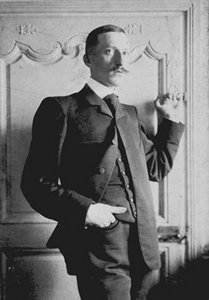
أندريه ديران
1880 - 1954 , فرنسا
لمحة سريعة
- الأعمال البارزة:
- جبال كوليور
- هارلكين وبييرو
- الاسم الكامل: أندريه ديرين
- الجنسية: فرنسي
- الحركة الفنية: وحشية، تكعيبية
- الفنانون المؤثرون:
- فان جوخ
- سيزان
- الفنانون المتأثرون:
- ماتيس
- التكعيبية
- تاريخ الميلاد: 10 يونيو 1880
- مكان الميلاد: شاتو، فرنسا
مقالات ذات صلة
André Derain: Fauvism's Bold Visionary & the Evolution of Modern Color
Explore the revolutionary art of André Derain, co-founder of Fauvism. Discover his bold use of color, evolution from radical expressionism to classicism, and lasting influence on modern art history. Learn more at OriginalUniqueArt.

The Gilded Age Reimagined: Exploring the Aesthetic Principles & Enduring Legacy of Art Deco
Explore the captivating world of Art Deco! Discover its origins, defining features, cultural impact & enduring legacy. Expert insights for collectors and design enthusiasts. Shop handmade reproductions at OriginalUniqueArt.
أعلى 10 روائع تحدد ملامح الفوية: رحلة في عالم الألوان الجريئة و الفن الراقي
اكتشف روائع الفوية! استكشف 10 لوحات أيقونية تحدد هذا التيار الفني الجريء مع ماتيس وديرين. قصص فنانين، تقنيات فريدة، وألوان آسرة. احصل على إعادة إنتاج عالية الجودة وابتكر ديكورًا فنيًا راقيًا. استكشف المجموعة الكاملة على OriginalUniqueArt.com

Impressionism's Masterpieces: 10 Paintings That Defined a Movement | OriginalUniqueArt
Journey through Impressionism's heart with 10 iconic paintings by Monet, Renoir & Degas. Explore light, color & the stories behind these masterpieces. Find museum-quality art reproductions and elevate your home decor on OriginalUniqueArt.com.
Fauvism's Boldest Visions: 10 Masterpieces That Revolutionized Modern Art | OriginalUniqueArt
Explore 10 Fauvist masterpieces by Matisse, Derain & Vlaminck that ignited Modern Art! Discover bold colors, expressionist landscapes & the history of this revolutionary movement. Find museum-quality prints at OriginalUniqueArt.com.

