

 معاينة الحجم الواقعي
 إرسال
إرسال مشاركة
 عرض التفاصيل
 دليل الأعمال الفنية للطلاب

 تحميل
تحميل
 قطع مشابهة
 الأشعة السينية
 عرض شرائح متتابع
 Q&A
Q&A الإحصائيات
George III (1738–1820)
 Oil On Canvas
- WallArt
- Neoclassicism
 214.0 x 150.0 cm
 The Royal Hospital Chelsea
 اقرأ المزيد
طباعة جيلي / مطبوعات فنية
طباعة جيكلي أو كانفاس بجودة المتاحف، مع سرعة في التنفيذ وخيارات متنوعة للتشطيب. ( اطلب نسخة مرسومة يدويًا التحويل إلى الصورة الرقمية)




P118B E£10

P118H E£10

P118W E£10

P438Z E£10

P508JH E£12

P508YH E£12

P805H E£10

P805Z E£10

P919BZ E£10

P919G E£10

P919XJ E£10

P959ZH E£10

P968JZ E£12

W106C E£8

W218G E£10

W218JH E£8

W218Y E£10

W307PJ E£10

W316G E£10

W316PJ E£8

W316Y E£10

W398PJ E£8

W4111J E£10

W500HY E£15

W500JH E£15

W692G E£12

W849H E£8

W940BG E£15

W953PJ E£8




اختر من بين أحجامنا المُعدّة مسبقاً والتي تتوافق مع النسب الأصلية للعمل الفني.

أدخل العرض والارتفاع اللذين تحتاجهما، ليتناسب مع إطارك أو جدارك. يمكن قص المطبوعة فقط، ولا يمكن أبداً جعلها أكبر من الصورة الأصلية، لذا فإن أي مقاس بشكل مختلف سيؤدي إلى فقدان جزء من الصورة. سنرسل لك نموذجاً رقمياً تجريبياً لاعتماده قبل البدء في عملية الطباعة. الصورة المعروضة في هذه الصفحة لا توضح القص الفعلي — النموذج التجريبي فقط هو ما يظهر ذلك.
توصيل عالمي إلى خلال أسبوعين بدلاً من المدة القياسية البالغة 4/5 أسابيع. (28 أكتوبر)

شحن سريع ومجاني لجميع أنحاء العالم

قماش كتان فاخر

تأمين شامل على الشحن

ضمان استرداد الرسوم الجمركية

ضمان دقة مطابقة الألوان

سياسة الإرجاع خلال 100 يوم (في حالات العيوب فقط)

ضمان استرداد نقدي بنسبة 100%

عرض خصم الكميات
 خيار الزجاج متاح فقط للمقاسات التي تقل عن 110 سم

George III (1738–1820)
طباعة جيلي / مطبوعات فنية
مقاس النسخة المطبوعة
-


إجمالي السعر
E£ 4167
A Regal Portrait: Allan Ramsay’s George III
Allan Ramsay's portrait of King George III, completed around 1761-2, is more than just a likeness; it’s a carefully constructed embodiment of power, authority, and the nascent complexities of the British monarchy. This masterful work, rendered in oil on canvas, transcends mere representation to become a window into the era's political climate and artistic sensibilities – specifically, the rise of Neoclassicism within portraiture. The painting immediately commands attention with its dramatic lighting, a key element that draws the viewer’s eye directly to the King’s face, imbuing him with an almost palpable sense of presence.
Ramsay, a leading figure in 18th-century Scottish art, expertly employs linear perspective to create a sense of depth and spatial arrangement. The throne, rendered as a robust square, anchors the composition while the draped fabric behind George III flows into a dark, indistinct background – a deliberate choice that serves to highlight the subject’s importance and elevate his status. The use of geometric shapes—squares for the throne, rectangles for the robes—contrasts with the more organic curves of the King's face, suggesting a balance between rigid formality and human warmth.
A Study in Neoclassical Detail
Examining the brushwork reveals Ramsay’s meticulous technique. Layered glazes build up color depth and luminosity, particularly noticeable in the rich textures of the royal robes – a testament to his ability to capture the sheen of velvet and the weight of heavy fabrics. The artist skillfully renders skin tones with subtle variations, avoiding overly smooth surfaces; instead, he introduces a slight roughness that lends a sense of realism and immediacy. The careful attention to detail extends to the rendering of the King’s attire: the intricate embroidery, the gleaming gold accents, and the precise folds of his garments all speak to the immense wealth and power associated with the monarchy.
The painting's palette is restrained yet sophisticated, dominated by deep reds, blues, and browns – colors traditionally linked with royalty and authority. The lighting, originating from a strong left-hand source, casts dramatic shadows that sculpt George III’s features, emphasizing his brow, cheekbones, and the solemnity of his expression. This chiaroscuro effect not only adds visual interest but also contributes to the overall sense of gravitas and dignity.
Symbolism and Historical Context
George III reigned from 1760 until his death in 1820, a period marked by significant political and military upheaval. The portrait itself is deeply symbolic, reflecting the King’s role as head of state during a time of considerable change. The crown, prominently displayed, represents sovereignty and divine right – concepts that were increasingly challenged during George III's reign. The robes, rich in color and ornamentation, symbolize his wealth and status, while the scepter and orb further reinforce his authority.
Ramsay’s work was commissioned during a pivotal moment in British history—the early years of George III’s rule. The King's reign coincided with the Seven Years’ War and the subsequent American Revolution, events that profoundly shaped the course of British history. The portrait, therefore, can be interpreted as an attempt to project an image of stability and strength at a time of considerable uncertainty. It is also important to note that this particular painting was one of many commissioned by the King, reflecting his desire to solidify his position and assert his authority.
A Legacy of Elegance
Allan Ramsay’s portrait of George III stands as a remarkable achievement of Neoclassical portraiture. It is a testament to the artist's technical skill, his understanding of symbolism, and his ability to capture the essence of a historical figure. Reproductions of this iconic image continue to resonate with viewers today, offering a glimpse into the grandeur and complexities of 18th-century Britain. The painting’s enduring appeal lies not only in its aesthetic beauty but also in its ability to evoke a sense of history, power, and timeless elegance.
الأسئلة والأجوبة
ماذا يصور "George III (1738–1820)" للفنان آلان رامزي؟
تشمل الموضوعات المتضمنة في "George III (1738–1820)" للفنان آلان رامزي كلاً من royal portraiture, 18th century britain, george iii, king, neoclassical art, scottish nobility, portrait painting, regal authority، وهي مجتمعةً تلخص فحوى العمل الفني.
ما هي الاستخدامات والمساحات الموصى بها لـ "George III (1738–1820)" للفنان آلان رامزي؟
يُنصح بوضع "George III (1738–1820)" للفنان آلان رامزي لغرض Statement، ويُفضل أن يكون ذلك في Living Room. إن الجمع بين طريقة الاستخدام والمساحة المتاحة يساعد في تحديد المكان الأمثل لوضع هذه النسخة الفنية.
ما الذي تشترك فيه "George III (1738–1820)" مع بقية أعمال آلان رامزي؟
ضمن نتاج آلان رامزي الفني، تندرج لوحة "George III (1738–1820)" ضمن أسلوب Neoclassicism، إلى جانب موضوعات classical ideals, roman influence, royal power, british identity, political authority, monarchy, ramsay's aristocratic portraits, scottish nobility depiction.
نبذة عن الفنان
آلان رامسای: حياة الأناقة والفن الراقي
ولد آلان رامسای في إدنبرة، اسكتلندا، في الثالث عشر من أكتوبر عام 1713، وبرز كرسام بورتريه اسكتلندي بارز، اشتهرت أعماله بالتقاط أناقة ورقي عصره. بدأت رحلته الفنية في سن العشرين عندما سافر إلى لندن للدراسة تحت إشراف الرسام السويدي هانز هيسينغ، ثم تلقى تدريباً في أكاديمية شارع مارتين لين. زود هذا التدريب الأساسي رامسای بقاعدة متينة في التقنية والتكوين.
التأثيرات الإيطالية والتطور الفني
شهد تطور رامسای الفني تحولاً كبيراً مع سفره إلى روما ونابولي، حيث أمضى ثلاث سنوات (1736-1738) يعمل تحت إشراف فرانشيسكو سوليمنا و إمبيريالي (فرانشيسكو فيرناندي). أثر هؤلاء الأساتذة الإيطاليون بعمق على أسلوبه، وتعزيز فهمه للمبادئ الكلاسيكية وتحسين مهاراته في التقاط الشبه والشخصية. استوعب الجماليات الروكوكو السائدة بينما طور أيضاً تقديراً للأفكار الكلاسيكية الجديدة.
مسيرة مهنية مزدهرة وأعمال بارزة
عند عودته إلى بريطانيا عام 1738، أسس رامسای بسرعة مسيرة ناجحة كرسام بورتريه. سرعان ما أكسبه قدرته على تصوير مواضيعه بدقة ورشاقة قاعدة عملاء متميزة. من بين أعماله الأكثر شهرة:
- الملكة شارلوت (1744-1818) مع أقدم ابنيها (المجموعة الملكية، لندن): تصوير ملكي يوضح حضور الملكة الأمومي.
- ماري ديغ، ليدي روبرت مانرز (المعرض الوطني الاسكتلندي، إدنبرة): بورتريه أنيق يدل على مهارة رامسای في التقاط جمال الأرستقراطية.
- صورة دنكان فوربس من كولودن: أكسبه هذا العمل المبكر اهتمام دوق أرجيل وظهر لاحقاً على الأوراق النقدية لبنك اسكتلندا الملكي.
التعيين الملكي والإنجاز الذروة
جاءت اللحظة المحورية في مسيرة رامسای عام 1761 مع تعيينه كرسام رئيسي عادي للملك جورج الثالث. عزز هذا المنصب المرموق مكانته بين النخبة الفنية وضمن تدفقاً ثابتاً من الطلبات من العائلة المالكة والمجتمع الراقي. أصبح *فنان البورتريه* لعصر جورجي.
الحياة اللاحقة والإرث
شهدت حياة رامسای اللاحقة تحولاً نحو المساعي الأدبية، مما يعكس اهتماماته الفكرية الواسعة. ومع ذلك، أثرت المآسي الشخصية – خلع ذراعه اليمنى عن طريق الخطأ ووفاة زوجته الثانية عام 1782 – على صحته وإنتاجه. توفي في عام 1784.
على الرغم من هذه التحديات، ترك رامسای إرثاً دائماً كواحد من أشهر رسامي البورتريه في اسكتلندا. كما لاحظ صموئيل جونسون: “أحب رامساي. لن تجد رجلاً في محادثته المزيد من التعليمات والمعلومات والأناقة مثل تلك الموجودة في محادثة رامسای.” لا تزال أعماله تحظى بالإعجاب لمهارتها التقنية وجمالياتها المكررة وتصويرها الثاقب لمجتمع القرن الثامن عشر.
الأهمية التاريخية
يمتد مساهمة آلان رامسای إلى ما هو أبعد من موهبته الفنية. لعب دوراً حاسماً في تشكيل الثقافة البصرية لاسكتلندا خلال فترة تغيير اجتماعي وسياسي كبير. توفر صوره رؤى قيمة حول حياة وأزياء وقيم النبلاء والطبقة الأرستقراطية الاسكتلندية. يمكن العثور على أعماله في مواقع مثل قاعة مدينة آير والمعرض الوطني للصور الاسكتلندي.
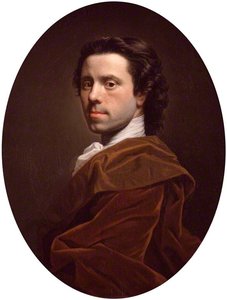
آلان رامزي
1713 - 1784 , المملكة المتحدة
لمحة سريعة
- أعمال بارزة:
- الملكة شارلوت وأبنائها
- ماري ديج، الليدي روبرت مانرز
- صورة دنكان فوربس
- الاسم الكامل: آلان رامزي
- الجنسية: اسكتلندي
- الحركة الفنية: الروكوكو والكلاسيكية الجديدة
- الفنانون المؤثرون:
- هانس هيسينغ
- فرانشيسكو سوليمنا
- إمبريالي (فرانشيسكو فرناندي)
- تاريخ الميلاد: 13 أكتوبر 1713
- تاريخ الوفاة: 1784
- مكان الميلاد: إدنبرة، المملكة المتحدة
مقالات ذات صلة

Allen Ramsay: Portraiture, Patronage & Shaping Georgian Identity
Explore the life & work of Allen Ramsay, pivotal portraitist to George III. Discover his Rococo style, influence on Georgian society, and lasting legacy in British art history. Learn about his key works & patronage.

أعمال جورج براك الخالدة: 25 تحفة فنية تزين منزلك بلمسة فنية راقية
اكتشف 25 تحفة فنية لجورج براك، رائد الت تكعيبية. تعرف على قصص لوحاته الخالدة وألوانها الفريدة. طباعة لوحات أصلية عالية الجودة لديكور منزلي فاخر. استكشف المجموعة الكاملة الآن على OriginalUniqueArt.com!

Neoclassical Portraiture: The Timeless Elegance of Order, Grace, and Academic Mastery
Explore the refined world of Neoclassical portraiture. Discover the mastery of line, light, and order through an expert exploration of academic art history, from Jacques-Louis David to Jean-Antoine Houdon. Immerse yourself in the timeless elegance of classical realism.

أعمال جورج سورا الخالدة: 25 تحفة فنية تزين منزلك بلمسة فنية راقية
اكتشف 25 تحفة فنية آسرة لجورج سورا، رائد النقطية والانطباعية الجديدة. استكشف قصص لوحاته الخالدة وألوانها المذهلة. احصل على إعادة إنتاج عالية الجودة لديكور منزلي فاخر على OriginalUniqueArt.com

Majesty on Canvas: A Definitive Guide to Iconic Royal Portraits Through Art History
Explore the profound history of royal portraiture. From Baroque grandeur to Victorian elegance, discover how master artists captured power and lineage on canvas through the timeless medium of oil painting.