
 معاينة الحجم الحقيقي
 مشاركة
 مشاركة
 التفاصيل

 تحميل الملف
 قطع مشابهة
 الأشعة السينية
 عرض شرائح
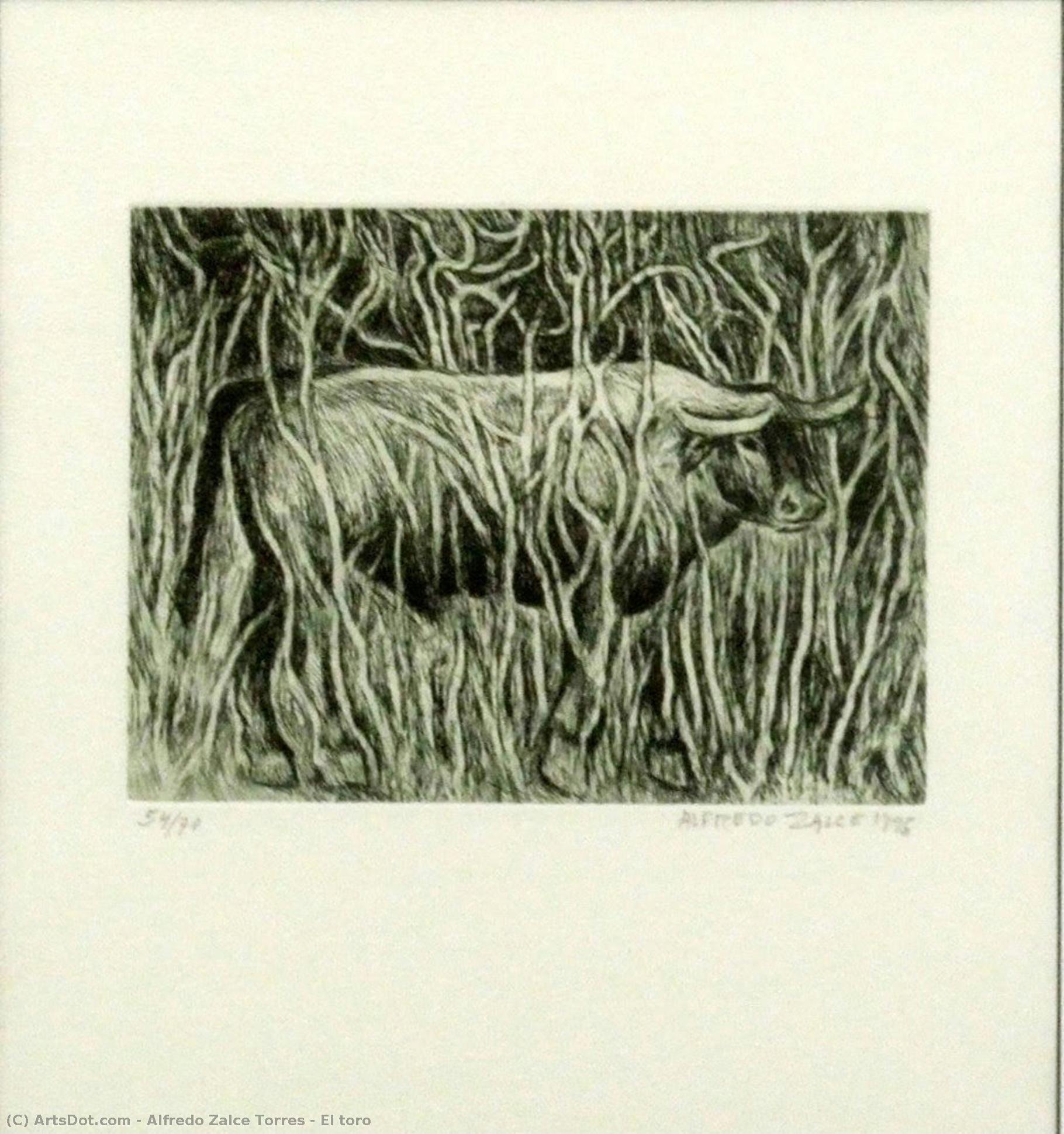
El toro
 1997
1997 34.0 x 31.0 cm
 Fundación Universidad de las Américas Puebla
 عرض المزيد
طباعة جيلي / مطبوعات فنية
طباعة جيكلي أو كانفاس بجودة المتاحف، مع سرعة في التنفيذ وخيارات متنوعة للتشطيب. ( اشترِ لوحة مرسومة يدويًا اشترِ الصورة)




































اختر من بين أحجامنا المُعدّة مسبقًا والتي تتطابق مع النسب الأصلية للعمل الفني.

يمكنك إدخال أبعادك الخاصة لتناسب إطاراً أو مساحة معينة. وإذا لم يتطابق الحجم الذي اخترته مع نسب الصورة الأصلية، فسنقوم إما بقص العمل الفني أو تمديد الصورة باستخدام حافة معكوسة أو بلون مصمت. سيتم إرسال نموذج تجريبي رقمي لاعتمادك قبل بدء الإنتاج.
يرجى ملاحظة أن المعاينة على الشاشة لا تعكس عملية القص أو التمديد الفعلية؛ حيث سيوضح النموذج التجريبي فقط التكوين النهائي بدقة.
وعلى الرغم من توفر أحجام مخصصة، إلا أننا نوصي باختيار أبعاد من القائمة المحددة مسبقاً للحفاظ على النسب الأصلية.
توصيل عالمي إلى خلال أسبوعين بدلاً من المدة القياسية البالغة 4/5 أسابيع. 16 أغسطس

شحن سريع ومجاني لجميع أنحاء العالم

قماش كتان عالي الجودة

تأمين شحن شامل

ضمان استرداد الرسوم الجمركية

ضمان مطابقة الألوان الحقيقية

سياسة الإرجاع خلال 60 يومًا (في حالات العيوب فقط)

ضمان استرداد نقدي بنسبة 100%

خصم عند طلب عدة قطع
 خيار الزجاج متاح فقط للمقاسات التي تقل عن 110 سم

El toro
طباعة جيلي / مطبوعات فنية
مقاس النسخة المطبوعة
-


السعر الإجمالي النهائي
$ 80
السيرة الذاتية للفنان
The Soul of Mexican Modernity: The Life and Legacy of Alfredo Zalce Torres
Born amidst the vibrant cultural landscape of Patzcuaro, Mexico, on January 12, 1908, Alfredo Zalce Torres emerged as a vital voice in the tapestry of twentieth-century Latin American art. His life, which spanned nearly a century until his passing in 2003, was defined by an unwavering commitment to capturing the pulse of his nation. As a contemporary of the legendary muralists such as Diego Rivera and David Alfaro Siqueiros, Zalce Torres did not merely observe the social shifts of his era; he translated them into a visual language that blended profound social criticism with an exquisite mastery of form. His work serves as a bridge between the ancient traditions of Mexico and the experimental frontiers of modernism.
The artistic evolution of Zalce Torres was marked by a restless curiosity and a desire to expand the boundaries of what art could be. While he was a versatile master—working with equal dexterity as a painter, sculptor, and engraver—he is perhaps most celebrated for his pioneering spirit in medium experimentation. He holds a unique place in art history as the first artist to utilize colored cement as a medium for modern art, a technique that allowed him to bring a tactile, architectural permanence to his visions. This innovation reflected his broader artistic philosophy: an attempt to ground the ephemeral struggles of human life in something as enduring and elemental as stone and pigment.
A Vision of Social Realism and Everyday Life
The essence of Zalce Torres's oeuvre lies in its ability to find the monumental within the mundane. His compositions often focused on the dignity of the working class and the quiet, powerful rhythms of Mexican daily existence. Through his lens, the struggles of the braceros—laborers seeking contracts in the United States—were transformed into poignant narratives of hope and hardship. In works such as Tintoreras, one can witness his ability to capture the atmospheric essence of coastal life, blending a sense of realism with a modern, stylized aesthetic that speaks to the collective Mexican identity.
His approach was deeply rooted in the tradition of social realism, yet he avoided the trap of mere propaganda. Instead, his art functioned as a mirror to society, utilizing both traditional Mexican themes and avant-garde techniques to provoke thought and empathy. This duality allowed him to engage with the political tensions of his time while maintaining a high level of aesthetic sophistication that resonated far beyond the borders of Mexico.
Recognition, Collections, and Lasting Impact
The profound impact of Zalce Torres's contributions to the cultural heritage of Mexico was formally recognized in 2001 when he was honored with the prestigious Premio Nacional de Ciencias y Artes. This award stands as a testament to a lifetime of dedication to the arts and his role in shaping the visual identity of a nation. His works continue to inspire scholars and art lovers alike, preserved within esteemed institutions that safeguard the history of Latin American expression.
Today, the legacy of Alfredo Zalce Torres can be explored through several significant collections:
- Colección Andrés Blaisten (Mexico): A diverse repository of Latin American art featuring his unique paintings and prints.
- Pérez Simón Collection (Mexico): An expansive collection containing thousands of works where his mastery is prominently displayed.
- National Museum of Mexican Art (Chicago, United States): A vital venue for international audiences to encounter his powerful depictions of the human condition.
Through his innovative use of materials and his unflinching gaze upon the social realities of his people, Alfredo Zalce Torres remains a cornerstone of Mexican modernism, leaving behind a body of work that continues to breathe with the life and spirit of the land that inspired it.

alfredo zalce torres
1908 - 2003 , Mexico
حقائق سريعة
- Artistic Movement Or Style: Symbolism, Secessionism
- Artists Or Movements Influenced By This Artist: ['Austrian Secessionism']
- Artists Who Influenced This Artist:
- Gustav Klimt
- Edvard Munch
- Date Of Birth: 1876
- Date Of Death: 1908
- Full Name: Richard Gerstl
- Nationality: Austrian
- Notable Artworks:
- The Painter's Bride
- The Concert
- Portrait of a Woman
- Place Of Birth: Vienna, Austria-Hungary

