

 معاينة الحجم الواقعي
 إرسال
إرسال مشاركة
 عرض التفاصيل
 دليل الأعمال الفنية للطلاب

 تحميل
تحميل
 قطع مشابهة
 الأشعة السينية
 عرض شرائح متتابع
 الإحصائيات
Autumn Flowers


 اقرأ المزيد
نسخة زيتية مصنوعة يدوياً
لوحة زيتية مرسومة يدوياً على الكانفاس بالمقاس والإطار الذي تفضله، تُنفذ حسب الطلب على أيدي فنانينا. ( التبديل إلى المطبوعات التحويل إلى الصورة الرقمية)




P118B E£10

P118H E£10

P118W E£10

P438Z E£10

P508JH E£12

P508YH E£12

P805H E£10

P805Z E£10

P919BZ E£10

P919G E£10

P919XJ E£10

P959ZH E£10

P968JZ E£12

W106C E£8

W218G E£10

W218JH E£8

W218Y E£10

W307PJ E£10

W316G E£10

W316PJ E£8

W316Y E£10

W398PJ E£8

W4111J E£10

W500HY E£15

W500JH E£15

W692G E£12

W849H E£8

W940BG E£15

W953PJ E£8




اختر من بين أحجامنا المُعدّة مسبقاً والتي تتوافق مع النسب الأصلية للعمل الفني.

يمكنك إدخال أبعاد خاصة لتناسب إطاراً أو مساحة معينة. وفي حال عدم تطابق الحجم المختار مع نسب الصورة الأصلية، سنقوم إما بقص العمل الفني أو توسيع اللوحة عبر إضافة عناصر مرسومة يدوياً. وسيتم إرسال نموذج رقمي إليك للموافقة عليه قبل بدء عملية الإنتاج.
يرجى ملاحظة أن المعاينة على الشاشة لا تعكس عملية القص أو التوسيع الفعلية؛ إذ إن النموذج الرقمي هو الوحيد الذي يوضح التكوين النهائي بدقة.
وعلى الرغم من توفر أحجام مخصصة، إلا أننا نوصي باختيار أبعاد من القائمة المحددة مسبقاً للحفاظ على النسب الأصلية للعمل الفني.
بعد إتمام الطلب، سيرسل فريق OriginalUniqueArt.com بريداً إلكترونياً للعميل لطلب التعليمات وتزويده بمعاينة تجريبية (mockup).
توصيل عالمي إلى خلال 3 إلى 4 أسابيع بدلاً من المدة المعتادة البالغة 5 أسابيع. (3 أكتوبر). جودة لا تهاون فيها.

شحن سريع ومجاني لجميع أنحاء العالم

قماش كتان فاخر

تأمين شامل على الشحن

ضمان استرداد الرسوم الجمركية

ضمان دقة مطابقة الألوان

سياسة الإرجاع خلال 100 يوم (في حالات العيوب فقط)

ضمان استرداد نقدي بنسبة 100%

عرض خصم الكميات
 خيار الزجاج متاح فقط للمقاسات التي تقل عن 110 سم

Autumn Flowers
وسيط إعادة الإنتاج
مقاس النسخة المطبوعة
-


إجمالي السعر
E£ 15283
A Portrait of a Moment: The Enigmatic Beauty of *Autumn Flowers*
Alfred Stevens’s *Autumn Flowers*, painted in 1867, isn't merely a depiction of a woman amidst flowers; it’s an exquisitely crafted meditation on stillness, light, and the subtle poetry of everyday life. At first glance, the painting presents a seemingly simple arrangement: a seated lady, her posture suggesting quiet contemplation, surrounded by a still-life tableau of fabrics, blossoms, and a delicately rendered table. Yet, beneath this surface lies a profound exploration of form, color, and the very essence of observation – a hallmark of Stevens’s unique artistic vision.
Stevens, a pivotal figure in 19th-century Belgian art, deliberately eschewed the prevailing trends of his time. Rejecting the fleeting effects of Impressionism's vibrant light and atmosphere, he instead focused on capturing an immutable quality – the frozen gesture, the fixed expression, the enduring presence of the subject. This deliberate choice is powerfully evident in *Autumn Flowers*. The woman’s hand, poised as if about to touch a flower, isn’t caught in motion; it's suspended, imbued with a sense of timelessness. Her gaze, directed slightly off-canvas, invites us into her private world, suggesting an inner life beyond the immediate scene.
The Language of Color and Texture: Stevens’s Masterful Technique
What immediately draws the eye is Stevens's extraordinary command of color and texture. He employs a remarkably restrained palette – primarily shades of grey, black, and muted browns – punctuated by flashes of pastel pink, chestnut brown, and the glossy sheen of the table cover. This deliberate limitation isn’t a sign of restraint but rather a strategic choice to emphasize form and light. The artist masterfully utilizes chiaroscuro, creating dramatic contrasts between light and shadow that sculpt the figures and objects with remarkable precision. Notice how the highlights on the woman's chignon and the delicate folds of her dress draw our attention while simultaneously deepening the shadows around her face, lending a sense of mystery and depth.
Stevens’s technique is equally noteworthy for its meticulous detail. He employs a smooth, almost polished surface – reminiscent of 17th-century Dutch masters like Rembrandt and Vermeer – achieved through careful layering of paint and the use of a knife to blend colors seamlessly. This creates an illusion of tactile reality, inviting us to reach out and touch the fabrics, feel the texture of the flowers, and appreciate the subtle variations in color and tone. The artist’s attention to detail extends beyond mere representation; it's a deliberate attempt to capture the *essence* of each element within the composition.
Symbolism and the Portrait of Modernity
Beyond its technical brilliance, *Autumn Flowers* is rich in symbolic meaning. The woman herself represents a type of modern femininity – poised, elegant, and seemingly detached from the bustle of Parisian life. Her attire, with its jet frills and flounces, speaks to the fashionable trends of the era while simultaneously conveying a sense of quiet dignity. The surrounding still-life elements—the fabrics, flowers, and table—are not merely decorative; they function as a carefully constructed visual language, hinting at themes of luxury, domesticity, and the fleeting beauty of life.
Stevens’s comparison to Gustave Vanzype – that the painting is a still life composed of the fabrics in which she is dressed and the things around her – reveals a deeper intention. He wasn't simply depicting a woman; he was creating a miniature world, a carefully orchestrated tableau that captures a specific moment in time and reflects the values and aesthetics of his era. The reference to Whistler’s ambition to “use colours to compete with the musician who uses sounds” underscores Stevens’s own desire to elevate color from mere decoration to an expressive element within the painting.
A Legacy of Stillness: Stevens's Enduring Appeal
*Autumn Flowers* stands as a testament to Alfred Stevens’s singular artistic vision. It is a painting that rewards careful observation, inviting us to linger and contemplate its subtle nuances. Its enduring appeal lies not in dramatic gestures or fleeting effects but in its quiet beauty, its masterful technique, and its profound exploration of the human condition. Reproductions of this captivating work offer a window into a bygone era, capturing the elegance and sophistication of 19th-century Parisian life while simultaneously reminding us of the timeless power of stillness and observation.
الأسئلة والأجوبة
هل يمكنني معاينة "Autumn Flowers" للفنان ألفريد ستيفنز على جداري الخاص قبل الشراء؟
تتوفر ميزة المعاينة بالواقع المعزز لـ "Autumn Flowers": حيث تعرض صفحة معاينة الواقع المعزز العمل الفني في مساحتك الخاصة عبر جهاز متوافق.
كم كان عمر ألفريد ستيفنز عند إبداع "Autumn Flowers" في عام 1867؟
كان عمر ألفريد ستيفنز يبلغ 44 عاماً عند إبداع العمل "Autumn Flowers" في عام 1867. تم حساب العمر بناءً على سنة ميلاد الفنان، 1823.
كيف يوازن "Autumn Flowers" بين الضوء والظلال؟
سُجلت درجة سطوع "Autumn Flowers" للفنان ألفريد ستيفنز عند deep_shadow، مع مستوى لمعان يبلغ Dark.
من هو الفنان الذي أبدع "Autumn Flowers"؟
الفنان الذي أبدع عمل "Autumn Flowers" هو ألفريد ستيفنز. العمل مُدرج تحت اسم ألفريد ستيفنز.
في أي عام تم إبداع "Autumn Flowers" للفنان ألفريد ستيفنز؟
أُبدع العمل الفني "Autumn Flowers" للفنان ألفريد ستيفنز في عام 1867.
هل تشكل "Autumn Flowers" للفنان ألفريد ستيفنز لوحة شخصية، أم طبيعية، أم ذات تكوين مربع؟
تُعد "Autumn Flowers" للفنان ألفريد ستيفنز تكويناً Portrait. ويُنصح بمراجعة الأبعاد قبل اختيار حجم الطباعة.
هل توجد أعمال مشابهة لـ "Autumn Flowers"؟
توجد الأعمال المشابهة لـ "Autumn Flowers" مدرجة في صفحة أعمال مشابهة الخاصة بالعمل الفني.
نبذة عن الفنان
البدايات والنشأة الفنية
ألفريد إيميل ليوبولد ستيفنز، الرسام البلجيكي المرموق، أبصر النور في الحادي عشر من مايو عام 1823 في مدينة بروكسل. لقد كانت عائلته متجذرة بعمق في عالم الفنون البصرية؛ فبينما كان شقيقه الأكبر جوزيف (1816–1892) وابنه ليوبولد (1866–1935) من الرسامين المبدعين، كان شقيقه الآخر آرثر (1825–99) يعمل في مجال تجارة الفنون ونقداً فنياً.المسيرة الفنية
بدأ ستيفنز رحلته الإبداعية في الأكاديمية الملكية للفنون الجميلة في بروكسل، حيث تلقى دروسه تحت إشراف فرانسوا نافيز، الرسام الكلاسيكي الجديد. وفي عام 1843، انتقل إلى باريس ليلتحق بشقيقه جوزيف، وتم قبوله في مدرسة الفنون الجميلة (École des Beaux-Arts). ورغم الجدل القائم حول ما إذا كان قد تتلمذ على يد جان أوغست دومينيك إنغر، إلا أن أعمال ستيفنز المبكرة، مثل لوحة العفو أو الغفران (متحف هيرميتاج، سانت بطرسبرغ)، والمؤرخة عام 1849، تعكس براعته الفائقة في الأسلوب الطبيعي التقليدي المتأثر بالرسم النوعي الهولندي في القرن السابع عشر.الصعود إلى النجومية
شهد عام 1851 أول عرض علني لأعمال ستيفنز في صالون بروكسل، مما مهد الطريق لنيله ميدالية من الدرجة الثالثة في صالون باريس عام 1853، وميدالية من الدرجة الثانية في المعرض العالمي بباريس عام 1855. وقد استطاعت لوحته ما يسمى بالتشرد (متحف أورساي، باريس) أن تأسر انتباه الإمبراطور نابليون الثالث، مما أدى إلى تغيير جوهري في طريقة التعامل مع الفقراء.أعمال خالدة وإرث فني
- تعد لوحة السيدة باللون الوردي (المتاحف الملكية للفنون الجميلة في بلجيكا، بروكسل)، التي رسمها عام 1866، نموذجاً مثالياً لأعمال ستيفنز في تلك الحقبة، حيث تمزج بين امرأة ترتدي أحدث صيحات الموضة وبين فحص دقيق وتفصيلي للقطع اليابانية.
- نال ستيفنز وسام جوقة الشرف (رتبة فارس) من الحكومة الفرنسية عام 1863، ثم تمت ترقيته إلى رتبة ضابط في نفس الوسام عام 186 র67.

ألفريد ستيفنز
1823 - 1906 , بلجيكا
لمحة سريعة
- Artistic Movement Or Style: الواقعية الأكاديمية
- Artists Who Influenced This Artist:
- جان أوغست دومينيك إنغرس
- الأساتذة الهولنديون
- Date Of Birth: 11 مايو 1823
- Date Of Death: 1906
- Full Name: ألفريد إيميل ليوبولد ستيفنز
- Nationality: بلجيكي
- Notable Artworks:
- السيدة باللون الوردي
- زيارة إلى المرسم
- رسم تحضيري لـ 'بانوراما القرن'، 'الإمبراطورة جوزفين وبلاطها'
- Place Of Birth: بروكسل، بلجيكا
مقالات ذات صلة

Sir Alfred Munnings' Masterpieces: 25 Paintings That Define Equine Art | OriginalUniqueArt
Explore 25 iconic Sir Alfred Munnings paintings! Discover the beauty of British Impressionism, equine art & rural England. Find museum-quality reproductions and elevate your home decor with OriginalUniqueArt. Explore the full collection online.

Alfred Stevens: Capturing Parisian Life with Intimate Realism & Symbolist Flair
Explore the captivating world of Alfred Stevens, a pioneer of intimate realism & Symbolist painting. Discover his elegant portraits of Parisian women and learn about his Dutch influences & lasting legacy. Art history insights at OriginalUniqueArt.
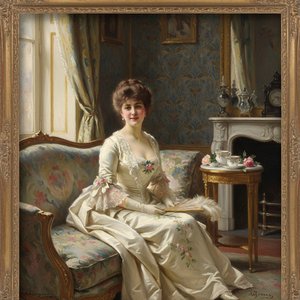
Alfred Stevens: Capturing Parisian Elegance & Fin-de-Siècle Intimacy
Discover the captivating world of Alfred Stevens, master of Parisian elegance & intimate portraiture. Explore his techniques, influences, and legacy – a prized collection for discerning art enthusiasts.

Romantic Realism's Finest: 10 Masterpieces for Your Home | OriginalUniqueArt
Explore 10 defining masterpieces of Romantic Realism! Discover Courbet, Millet & Daumier's powerful paintings—capturing emotion and social realities. Find museum-quality reproductions for your home at OriginalUniqueArt.com.
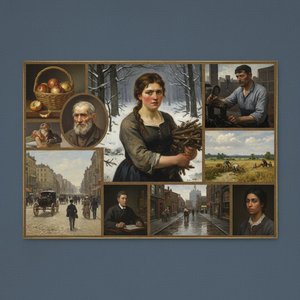
Realism's Masters: 10 Artworks That Capture Life's Essence | OriginalUniqueArt
Explore 10 iconic realism artworks by Courbet, Millet & more! Discover the stories behind these masterpieces of 19th-century painting. Find museum-quality art reproductions and elevate your home decor with OriginalUniqueArt.com.