

 معاينة الحجم الحقيقي
 مشاركة
 مشاركة
 التفاصيل

 تحميل الملف
 قطع مشابهة
 الأشعة السينية
 عرض شرائح
 الإحصائيات
Objets

 عرض المزيد
احصل على صورة رقمية عالية الدقة ومعزّنة، بجودة تفوق بكثير المعاينة عبر الإنترنت.
يتم إعداد كل ملف بعناية فائقة من قبل متخصصينا الداخليين باستخدام أدوات متقدمة ولمسات يدوية خبيرة. نضمن أن تتمتع كل صورة بوضوح استثنائي، ودقة لونية متناهية، وتفاصيل دقيقة.
يتم تسليم الملف النهائي عبر البريد الإلكتروني في غضون 72 ساعة، وهو مُحسَّن للاستخدام الفوري في المجالات المهنية والتحريرية ومجالات الطباعة. هذه هي ذات الجودة التي تعتمد عليها كبرى استوديوهات التصميم ودور النشر والمعارض الفنية المرموقة.
صورة رقمية
حمّل ملفاً عالي الدقة للعرض الشخصي، والطباعة، والمشاريع الإبداعية. ( التحويل إلى المطبوعات اشترِ لوحة مرسومة يدويًا)
مزايا مُضمّنة في كل طلب صورة رقمية
تسليم رقمي احترافي، مضمون
عندما تختار OriginalUniqueArt.com، فأنت لا تحصل على مجرد صورة فحسب، بل ستحصل على عمل فني رقمي مُحسّن باحترافية، صُمم بدقة متناهية ومصحوب بضمان الرضا. إليك كل ما يتضمنه طلبك تلقائياً:

تسليم سريع عبر البريد الإلكتروني
ستصلك ملفات صورك الرقمية عالية الدقة عبر البريد الإلكتروني في غضون 72 ساعة من إتمام الطلب - لتكون جاهزة للاستخدام الفوري.

ملف رقمي مُحسّن بالذكاء الاصطناعي
يتم تحسين عملك الفني باحترافية باستخدام أدوات الذكاء الاصطناعي المتقدمة والتحرير اليدوي، لضمان أقصى درجات التفاصيل والوضوح ودقة الألوان.

إعادة إرسال مجانية مدى الحياة
هل حذفت ملفك أو فقدته عن طريق الخطأ؟ لا تقلق - سنعيد إرساله إليك في أي وقت، ومجاناً.

بدون رسوم استيراد - على الإطلاق
استمتع بأعمالك الفنية فوراً دون أي رسوم جمركية أو ضرائب أو مصاريف شحن - فالتحميلات الرقمية دائماً ما تكون معفاة من الضرائب.

ضمان دقة الألوان
نحن نضمن أن تعكس صورتك الرقمية الألوان الأصلية بأقصى قدر ممكن من الدقة، وذلك باستخدام أدوات احترافية وتقنيات إدارة الألوان.

ضمان الرضا لمدة 100 يوم
إذا لم تكن راضياً عن صورتك الرقمية، فسنقوم بتعديلها أو استرداد 100% من قيمتها خلال 100 يوم - دون طرح أي أسئلة.

ضمان استعادة الأموال بنسبة % 100
لم تكن راضياً؟ استرد كامل المبلغ خلال 100 يوم من استلام ملفك الرقمي - دون طرح أي أسئلة.

خصومات الطلبات الكبيرة
اشتري 3 صور، ووفر 10% - اشتري 5، ووفر 15% - اشتري +10، ووفر 20%. مثالية للمشاريع الإبداعية، والمعارض، والوكالات.
السيرة الذاتية للفنان
Alecos Kontopoulos: A Pioneer of Greek Abstract Expressionism
Alecos Kontopoulos (1904-1975) stands as a monumental figure in the evolution of Greek art, a bridge between traditional aesthetics and the radical experimentation of modern abstraction. Born in Lamia, Greece, his artistic journey was marked by a profound engagement with social realities, philosophical inquiry, and an unwavering pursuit of visual language that transcended representational forms. Kontopoulos’s career wasn't simply about stylistic shifts; it represented a fundamental reimagining of how art could engage with the complexities of the 20th century, solidifying his place as one of Greece’s most influential artists.Early Influences and Artistic Training
Kontopoulos’s early artistic development was shaped by a confluence of influences. Initially apprenticed to the icon painter George Sarafianos, he gained a foundational understanding of Byzantine techniques and religious iconography – a discipline that instilled in him a meticulous attention to detail and a deep appreciation for color and texture. This traditional training provided a crucial counterpoint to the later explorations of abstraction. He then enrolled at the School of Fine Arts in Athens, where he studied under prominent figures like Georgios Iakovidis, Dimitrios Geraniotis, Pavlos Mathiopoulos, and Nikolaos Ransom. Crucially, his time in Paris from 1930 to 1932 proved transformative. Studying under P. Le Doux and H. Morisset exposed him to the burgeoning avant-garde movements of Europe – Cubism, Futurism, and early Abstraction – broadening his artistic horizons significantly. This period wasn't merely about absorbing new styles; it was a process of critical engagement, leading him to question established conventions and seek alternative modes of expression.The Transition to Abstract Art: A Response to Social and Political Turmoil
Kontopoulos’s shift towards abstraction around 1947 wasn't a stylistic choice made in isolation; it was deeply intertwined with the turbulent political landscape of post-war Greece. Witnessing the hardships, social injustices, and the oppressive atmosphere of the occupation, he felt compelled to move beyond representational art as a means of conveying deeper truths. His abstract works became vehicles for expressing internal emotions, philosophical concepts, and critiques of societal norms. He began utilizing simplified geometric forms, bold colors, and often, a deliberate lack of tonal gradation – rejecting traditional notions of perspective and realism in favor of pure visual impact. This period saw the emergence of his most iconic pieces, characterized by their raw emotional intensity and symbolic weight. The influence of figures like Kandinsky and Malevich is evident, but Kontopoulos forged a distinctly Greek voice within this broader abstract vocabulary.Key Themes and Artistic Techniques
Kontopoulos’s oeuvre is rich in symbolism and intellectual depth. Recurring themes include the human condition, social responsibility, spirituality, and the relationship between art and life. His works frequently explore concepts of faith, doubt, and the search for meaning in a world grappling with uncertainty. Technically, Kontopoulos was a master of color theory, employing vibrant hues to evoke specific emotions and create dynamic visual relationships. He often utilized layering techniques, building up complex compositions through multiple applications of paint, creating surfaces that shimmered with texture and depth. His later works are particularly notable for their use of “force,” a term he himself coined, referring to the inherent energy and dynamism within his paintings – an attempt to capture not just visual form but also the underlying currents of existence.Legacy and Recognition
Alecos Kontopoulos’s impact on Greek art is undeniable. He played a pivotal role in introducing abstract expressionism to Greece, challenging established artistic conventions and paving the way for subsequent generations of artists. His work was exhibited internationally at prestigious venues such as the Biennales of São Paulo (1953, 1955, 1957), Alexandria (1959), and Venice (1960). He received numerous accolades, including the Guggenheim Prize in 1950 (which he famously declined as a protest against the Greek dictatorship) and the First State Prize in 1973. After his death in 1975, Kontopoulos’s legacy was preserved through the establishment of the Alekos Kontopoulos Library in Agia Paraskevi – a testament to his intellectual curiosity and commitment to artistic education – and the Alekos Kontopoulos Gallery in Lamia, which continues to showcase his work. Today, his paintings are held in prominent collections throughout Greece and internationally, ensuring that this visionary artist’s profound contribution to modern art endures.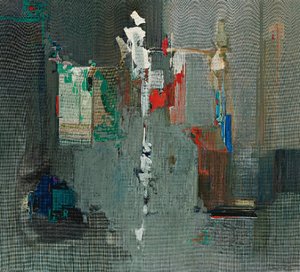
alecos kontopoulos
1904 - 1975
لمحة سريعة
- Artistic Movement Or Style:
- Abstract Art
- Social Realism
- Artists Or Movements Influenced By This Artist:
- P. Le Daux
- H. Morisset
- Artists Who Influenced This Artist: ['G. Sarafianos']
- Date Of Birth: 1904, Lamia, Greece
- Date Of Death: 1975, Athens, Greece
- Full Name: Alecos Kontopoulos
- Nationality: Greek
- Notable Artworks:
- Night is Coming
- Force
- Armchair
- Place Of Birth: Lamia, Greece