- الرئيسية

- طباعة على كانفاس
- Aldo Andreani
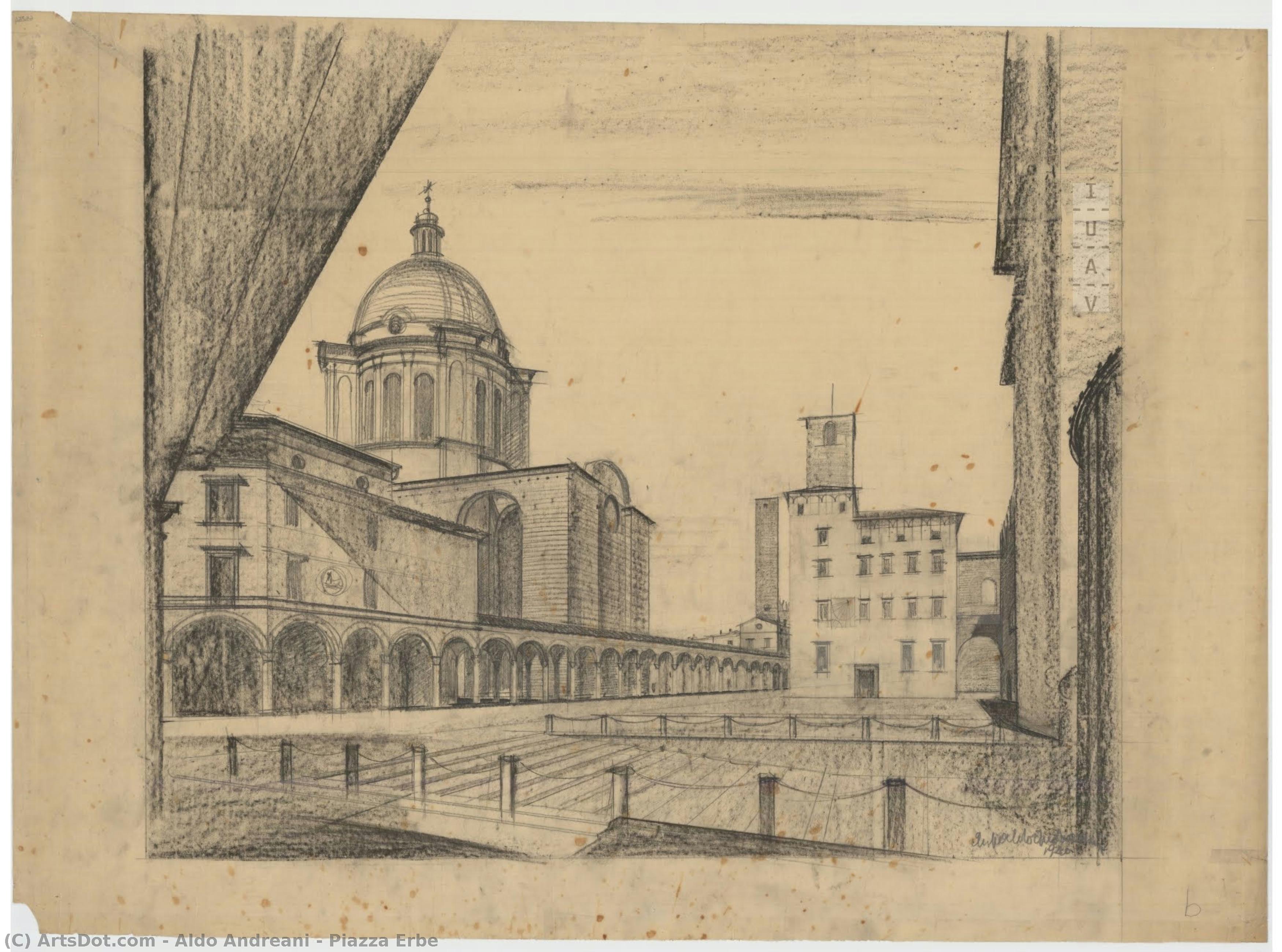
- Piazza Erbe
 اطلب نسخة مرسومة يدوياً شراء الصورة بدقة عالية
 مشاركة
 مشاركة
 التفاصيل
 أضف إلى المفضلة

 تحميل الملف
 قطع مشابهة
 الأشعة السينية
 عرض شرائح
Piazza Erbe

 عرض المزيد
طباعة جيلي / مطبوعات فنية
طباعة جيكلي أو كانفاس بجودة المتاحف، مع سرعة في التنفيذ وخيارات متنوعة للتشطيب.




































اختر من بين أحجامنا المُعدّة مسبقًا والتي تتطابق مع النسب الأصلية للعمل الفني.

يمكنك إدخال أبعادك الخاصة لتناسب إطاراً أو مساحة معينة. وإذا لم يتطابق الحجم الذي اخترته مع نسب الصورة الأصلية، فسنقوم إما بقص العمل الفني أو تمديد الصورة باستخدام حافة معكوسة أو بلون مصمت. سيتم إرسال نموذج تجريبي رقمي لاعتمادك قبل بدء الإنتاج.
يرجى ملاحظة أن المعاينة على الشاشة لا تعكس عملية القص أو التمديد الفعلية؛ حيث سيوضح النموذج التجريبي فقط التكوين النهائي بدقة.
وعلى الرغم من توفر أحجام مخصصة، إلا أننا نوصي باختيار أبعاد من القائمة المحددة مسبقاً للحفاظ على النسب الأصلية.
توصيل عالمي إلى خلال أسبوعين بدلاً من المدة القياسية البالغة 4/5 أسابيع. 19 يوليو

شحن سريع ومجاني لجميع أنحاء العالم

قماش كتان عالي الجودة

تأمين شحن شامل

ضمان استرداد الرسوم الجمركية

ضمان مطابقة الألوان الحقيقية

سياسة الإرجاع خلال 60 يومًا (في حالات العيوب فقط)

ضمان استرداد نقدي بنسبة 100%

خصم عند طلب عدة قطع
 خيار الزجاج متاح فقط للمقاسات التي تقل عن 110 سم

Piazza Erbe
طباعة جيلي / مطبوعات فنية
مقاس النسخة المطبوعة
-


السعر الإجمالي النهائي
-
وصف القطعة الفنية
السيرة الذاتية للفنان
Aldo Andreani: Bridging Renaissance Legacy and Fascist Vision
Aldo Andreani (August 1, 1887 in Mantua – October 18, 1971 in Milano) stands as a pivotal figure in Italian architectural history of the early 20th century. He wasn’t merely an architect; he was a sculptor deeply rooted in classical ideals yet powerfully shaped by the aesthetic sensibilities of Fascist Italy. His career spanned decades, leaving an indelible mark on Milanese urban landscape and solidifying his reputation as one of the era's most prolific and influential artists. ### Early Life & Artistic Training Born in Mantua, Andreani’s formative years instilled a profound appreciation for Renaissance art and architecture – influences that would permeate his entire artistic trajectory. He pursued formal training at the San Luca Academy in Rome, honing his skills in drawing and modeling before graduating from the Milan Polytechnic under the tutelage of Gaetano Moretti. This foundational education established him firmly within the tradition of Italian Beaux Arts, prioritizing harmony, proportion, and meticulous craftsmanship. Notably, he began attending the first special course in sculpture at the Brera Academy in Milan in 1927, where he encountered the transformative influence of Adolph Wildt’s sculptural approach – a deliberate move away from purely decorative forms toward monumental works imbued with expressive power. ### Sculptural Achievements & Fascist Patronage Andreani quickly distinguished himself as a sculptor, producing an impressive array of portraits and religious commissions alongside larger-scale projects. His work embraced both classical modeling techniques and the bold experimentation championed by Wildt, reflecting the broader artistic currents of his time. However, Andreani’s career gained considerable prominence during the Fascist regime (1925-1943), serving as architectural decoration for monumental buildings commissioned by Mussolini. He skillfully blended Renaissance models with Fascist symbolism – a conscious effort to convey grandeur and national pride through sculptural reliefs and architectural designs. His contribution to Palazzo della Ragione exemplifies this fusion, demonstrating his ability to translate ideological imperatives into aesthetically compelling artistic expressions. ### Architectural Legacy & Notable Projects Andreani’s architectural output solidified his position as one of Milan's leading architects. He undertook numerous commissions ranging from residential buildings to civic spaces, consistently prioritizing structural integrity and elegant detailing. Among his most enduring achievements is Palazzo della Ragione – a monumental courthouse that embodies Andreani’s commitment to classical principles while incorporating innovative engineering solutions. The meticulous planning and sculptural embellishments of this building stand as testament to his artistic vision and technical prowess. Furthermore, he undertook the restauration project on the street Giustiziati, demonstrating his dedication to preserving Milanese heritage. ### Influence & Historical Significance Aldo Andreani’s work represents a crucial juncture in Italian art history—a synthesis of Renaissance erudition and Fascist ambition. He helped shape the visual culture of his era, leaving behind a legacy of buildings and sculptures that continue to inspire admiration for their beauty and craftsmanship. His exploration of monumental sculpture alongside architectural design cemented his place as an artist who successfully navigated the complexities of stylistic change while upholding enduring artistic values. Andreani’s contribution to Milanese art and architecture remains significant today, offering valuable insight into the cultural landscape of 20th-century Italy.
Aldo Andreani
1887 - 1971 , Italy
حقائق سريعة
- Artistic Movement Or Style: Renaissance architecture & Fascist art
- Artists Who Influenced This Artist:
- Gaetano Moretti
- Adolph Wildt
- Date Of Birth: August 1, 1887
- Date Of Death: October 18, 1971
- Full Name: Aldo Andreani
- Nationality: Italian
- Notable Artworks:
- Palazzo della Ragione
- Prospectus of restauration on the street Giustiziati
- Place Of Birth: Mantua, Italy

