معاينة الحجم الواقعي
 مشاركة
 مشاركة
 التفاصيل
 دليل
دليل

 تحميل الملف
 قطع مشابهة
 الأشعة السينية
 عرض شرائح
 الأسئلة والأجوبة
 الإحصائيات
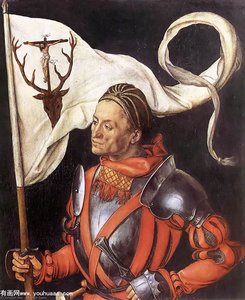
Triumphal Arch (detail)


 عرض المزيد
طباعة جيلي / مطبوعات فنية
طباعة جيكلي أو كانفاس بجودة المتاحف، مع سرعة في التنفيذ وخيارات متنوعة للتشطيب. ( شراء لوحة مرسومة يدويًا الانتقال إلى الصورة الرقمية)




P118B E£10

P118H E£10

P118W E£10

P438Z E£10

P508JH E£12

P508YH E£12

P805H E£10

P805Z E£10

P919BZ E£10

P919G E£10

P919XJ E£10

P959ZH E£10

P968JZ E£12

W106C E£8

W218G E£10

W218JH E£8

W218Y E£10

W307PJ E£10

W316G E£10

W316PJ E£8

W316Y E£10

W398PJ E£8

W4111J E£10

W500HY E£15

W500JH E£15

W692G E£12

W849H E£8

W940BG E£15

W953PJ E£8




اختر من بين أحجامنا المُعدّة مسبقاً والتي تتوافق مع النسب الأصلية للعمل الفني.

أدخل العرض والارتفاع المطلوبين ليتناسب المقاس مع إطارك أو جدارك. يرجى الملاحظة أن المطبوعة يمكن قصها فقط ولا يمكن تكبيرها لتتجاوز أبعاد الصورة الأصلية، لذا فإن اختيار مقاس بأبعاد مختلفة سيؤدي إلى فقدان جزء من الصورة. سنرسل لك نموذجاً رقمياً تجريبياً لاعتماده قبل البدء في عملية الطباعة. الصورة المعروضة في هذه الصفحة لا توضح شكل القص الفعلي — النموذج التجريبي فقط هو ما يظهر ذلك بدقة.
توصيل عالمي إلى خلال أسبوعين بدلاً من المدة القياسية البالغة 4/5 أسابيع. (8 نوفمبر)

شحن سريع ومجاني لجميع أنحاء العالم

قماش كتان عالي الجودة

تأمين شامل على الشحن

ضمان استرداد الرسوم الجمركية

ضمان مطابقة الألوان الحقيقية

سياسة الإرجاع خلال 100 يوم (في حالات العيوب فقط)

ضمان استرداد نقدي بنسبة 100%

خصم عند طلب كميات
 خيار الزجاج متاح فقط للمقاسات التي تقل عن 110 سم

Triumphal Arch (detail)
طباعة جيلي / مطبوعات فنية
مقاس النسخة المطبوعة
-


إجمالي السعر النهائي
E£ 4243
The Triumph of Line: Albrecht Dürer’s Triumphal Arch
Albrecht Dürer's "Triumphal Arch," completed in 1515, stands as an unparalleled achievement of German Renaissance art—a monumental woodcut print that transcends mere decoration to embody the ideals of imperial power and humanist contemplation. Commissioned by Emperor Maximilian I, ruler of the Holy Roman Empire, this ambitious project wasn’t simply intended to celebrate a military victory; it was conceived as a profound statement about the nature of rulership itself, reflecting Dürer's meticulous understanding of classical principles alongside his own innovative approach to printmaking. The arch’s sheer scale—measuring nearly 3 meters by 4 meters—immediately commands attention, but its true significance lies in the exquisite detail and masterful execution that characterize every aspect of its design.- A Synthesis of Tradition and Innovation: Dürer skillfully blended elements of Gothic art with Renaissance ideals, drawing inspiration from Roman triumphal arches while simultaneously elevating woodcut printing to new heights of artistic sophistication. The arch’s architectural form—a tetrapylon consisting of four massive piers supporting a central arched passageway flanked by two side arches—was modeled on ancient precedents, yet Dürer transformed this familiar structure into an emblem of modern authority through the incorporation of humanist symbolism and meticulously crafted decorative elements.
- The Woodcut Technique: The printmaking process itself was revolutionary for its time. Approximately 195 separate wood blocks were carved by Dürer’s workshop, each painstakingly etched with intricate lines to create a stunning tonal range—a feat previously unattainable in Northern European art. This technique demanded an extraordinary level of precision and patience, reflecting Dürer's unwavering commitment to mastering the craft and pushing its boundaries. The resulting surface texture—characterized by subtle grain patterns and delicate hatching—captures the materiality of the wood panel on which the painting was executed, conveying a palpable sense of tactile presence.
- Symbolism Embodied: Every element of the arch’s iconography served as a deliberate allusion to classical ideals and Christian theology. The central arch bore the inscription “This Arch of Honour with its several portals is erected in praise of the most serene, all-powerful prince and sovereign Maximilian,” proclaiming his reign as exemplary—a paragon of noble virtue tempered by military prowess. Above each archway were representations of historical events commemorating Maximilian’s triumphs, alongside busts of emperors and kings symbolizing lineage and legitimacy. The inclusion of heraldic escutcheons reinforced the emperor's claim to universal dominion, while the round towers at either end evoked images of divine majesty.
- Emotional Resonance: Beyond its formal grandeur, “The Triumphal Arch” possesses a profound emotional resonance—a testament to Dürer’s ability to convey complex ideas through visual imagery. The arch’s meticulous detail and harmonious composition invite contemplation on themes of power, honor, piety, and human achievement. It stands as an enduring symbol of Renaissance ambition and artistic excellence, captivating viewers with its beauty and stimulating intellectual curiosity centuries after its creation.
Historical Context: Maximilian I and the Pursuit of Glory
The arch’s commission coincided with a pivotal moment in European history—the ascension of Maximilian I to the throne of the Holy Roman Empire in 1508. Faced with challenges from rival princes and papal authority, Maximilian sought to consolidate his dominion through strategic alliances and assertive propaganda. Recognizing the power of visual representation to shape public opinion, he entrusted Dürer and his workshop with the task of creating a monumental print that would proclaim his imperial grandeur and inspire awe among his subjects. The arch’s design reflected this ambition—a deliberate attempt to elevate Maximilian's image as a ruler worthy of emulation, embodying both martial courage and moral virtue. It served as a powerful instrument of statecraft, reinforcing Maximilian’s legitimacy and bolstering morale during a period of turbulent political upheaval.Technical Mastery: The Art of Woodcut Printing
Dürer’s mastery of woodcut printing was unparalleled in his time—a triumph of artistic innovation that fundamentally altered the landscape of Northern European art. Unlike oil painting, which demanded considerable skill and resources, woodcut printing offered a relatively accessible medium for disseminating images widely across Europe. However, achieving exceptional tonal range and visual complexity required an extraordinary level of technical expertise. Dürer’s meticulous carving process—characterized by painstaking precision and unwavering attention to detail—transformed ordinary wood into a surface capable of capturing subtle nuances of light and shadow. The resulting print possessed a distinctive linear quality—a testament to Dürer's unwavering commitment to mastering the craft and pushing its boundaries.Legacy: An Icon of Renaissance Art
“The Triumphal Arch” remains an enduring symbol of Renaissance artistic achievement—a masterpiece that continues to inspire admiration and scholarly inquiry today. Its influence can be seen in subsequent printmaking traditions across Europe, as well as in architectural designs reflecting the arch’s monumental grandeur. More importantly, it embodies the humanist ideals championed by Dürer—a celebration of human intellect and virtue alongside an unwavering devotion to classical principles. As a testament to Dürer's genius and artistic vision, “The Triumphal Arch” continues to captivate audiences with its beauty and intellectual depth—a timeless emblem of Renaissance ambition and artistic excellence.الأسئلة والأجوبة
هل توجد أعمال فنية مشابهة لـ "Triumphal Arch (detail)"؟
يمكنكم العثور على أعمال مشابهة لـ "Triumphal Arch (detail)" في صفحة أعمال مشابهة الخاصة بالعمل الفني.
ما هو الطابع العاطفي لـ "Triumphal Arch (detail)" للفنان أَلْبِرِخْت دُورَر؟
يجسد عمل "Triumphal Arch (detail)" للفنان أَلْبِرِخْت دُورَر نبرة عاطفية Powerful.
كم كان عمر أَلْبِرِخْت دُورَر عند إبداع "Triumphal Arch (detail)"؟
عندما أُبدع العمل "Triumphal Arch (detail)" في عام 1515، كان عمر الفنان أَلْبِرِخْت دُورَر - المولود في 1471 - هو 44 عاماً.
السيرة الذاتية للفنان
نشأة عبقري نورمبرغ: المراحل الأولى والتدريب
ألبرشت دورر، اسم يتردد صداه في أروقة عصر النهضة الألمانية، بزغ من مدينة نورمبرغ الصاخبة في عام 1471. كان والده، ألبرشت دورر الأكبر، صاغا ذهباً ناجحاً هاجر من المجر، حاملًا معه إرثًا غنيًا بالحرفية. وفي هذا المحيط – رائحة المعادن والدقة المتناهية في العمل اليدوي – بدأت ميول ألبرشت الفنية تتجلى. على الرغم من أن والده رسم له مسارًا مشابهًا، بتدريبه في البداية في تجارة العائلة، سرعان ما أصبح واضحًا أن ألبرشت يمتلك موهبة استثنائية في الرسم. في سن الثالثة عشرة، انتقل إلى ورشة مايكل فولجموت، الفنان الرائد في نورمبرغ آنذاك. لم يكن هذا مجرد تدريب تقني؛ بل كان انغماسًا في عالم المخطوطات المزخرفة، واللوحات الجدارية – والأهم من ذلك – فن طباعة الخشب الناشئ. إن حجم العمل الهائل الذي أنتجته ورشة فولجموت، بما في ذلك الرسوم التوضيحية الشاملة لسجل نورمبرغ، زود دورر بأساس لا مثيل له في التصميم والتركيب وميكانيكا الصورة. تُظهر صورة ذاتية بالفضة من عام 1484، رسمها وهو بالكاد مراهق، دليلًا مذهلاً على موهبته المبكرة – شهادة على هوية فنية ناشئة تتشكل بالفعل.
التأثير الإيطالي ونضوج الفنان
لم يقتصر طموح دورر على حدود نورمبرغ. مدفوعًا بفضول لا يشبع ورغبة في إتقان فن الرسم، شرع في رحلته الأولى إلى إيطاليا عام 1494. لم تكن هذه مجرد رحلة سياحية؛ بل كانت رحلة حج إلى قلب عصر النهضة. التقى بأعمال أساتذة مثل رافايل وجيوفاني بيليني وليوناردو دا فينشي – فنانين كانوا يعيدون تعريف إمكانيات الشكل والمنظور والتعبير البشري. كان لهذا التعرض تأثير عميق. امتص دورر الموتيفات الكلاسيكية، والتركيبات المتناغمة، وتقنيات "سفوماتو" الدقيقة التي تميز الفن الإيطالي، لكنه لم يتخل أبدًا عن حساسيته الشمالية الأوروبية من أجل التفاصيل الدقيقة والعمق الرمزي. عززت رحلة ثانية إلى إيطاليا بين عامي 1505 و 1507 هذه التأثيرات، مما سمح له بدراسة أنقاض روما القديمة وتحسين فهمه للتشريح والتناسب. أصبح هذا التوليفة من الدقة الشمالية والنعمة الإيطالية السمة المميزة لأسلوب دورر الفني الفريد.
إتقان الوسائط: الرسم والنحت والطباعة الخشبية
كان دورر سيدًا للوسائط المتعددة، حيث قدمت كل منها له طرقًا متميزة للتعبير الإبداعي. تُظهر لوحاته، على الرغم من قلتها مقارنة بمطبوعاته، إتقانًا ملحوظًا للطلاء الزيتي وقدرة على التقاط التشابه الجسدي والعمق النفسي. تكشف أعمال مثل "وليمة قلائد الورد" عن لوحة ألوان نابضة بالحياة مستوحاة من اللون الفنيسي. ومع ذلك، في مجال الطباعة – وخاصة النقش والطباعة الخشبية – حقق دورر ثورة حقيقية في الممارسة الفنية. لقد رفع هذه التقنيات من مجرد طرق تكاثرية إلى أشكال فنية مستقلة قادرة على نقل الروايات المعقدة والعواطف العميقة. عرضت سلسلة "الرؤيا" (1498)، وهي مجموعة من أربعة عشر نقشًا خشبيًا تصور سفر الرؤيا، إتقانه لهذه الوسيلة على الرغم من قيودها المتأصلة. تُعد النقوش اللاحقة مثل "كآبة الأولى" (1514) و "القديس ييروم في دراسته" (1514) شهادة على مهارته التي لا تضاهى – تركيبات معقدة مليئة بالمعاني الرمزية والمنفذة بدقة مذهلة. لم يكن يصور الواقع فحسب؛ بل كان ينبض به بطبقات من الأهمية الفكرية والروحية.
نظرية ومبتكر: إرث ألبرشت دورر
لم يكن دورر فنانًا فحسب؛ بل كان عالمًا وناقدًا ومبتكرًا سعى إلى فهم المبادئ الأساسية التي تحكم الخلق الفني. آمن بالأسس الرياضية للفن وأفنى نفسه في إنشاء نهج علمي للتمثيل. كانت كتاباته عن الهندسة والتناسب والتشريح البشري – وخاصة "أربعة كتب عن تناسب الإنسان" (1528) – رائدة في عصرها، مما يدل على التزامه بالملاحظة الصارمة والتحليل العقلاني. لم تكن هذه الكتابات مجرد تمارين أكاديمية؛ بل كانت تهدف إلى رفع مكانة الفنانين من مجرد حرفيين إلى ممارسين فكريين. يمتد إرث دورر إلى ما هو أبعد من أعماله الفنية الفردية. لقد جسر الفجوة بين التقاليد الأوروبية الشمالية ومثل الإنسانية الإيطالية، وقدم الموتيفات الكلاسيكية في الفن الشمالي مع الحفاظ على شخصيته المميزة. ساعدت مساهماته النظرية في إنشاء إطار عمل جديد للممارسة الفنية، وإلهام الأجيال القادمة من الفنانين بمهارته التقنية وروحه المبتكرة ورؤيته العميقة. إنه يظل، حتى اليوم، أحد أهم الشخصيات في تاريخ الفن الغربي.
التأثيرات والتأثير الدائم
- مايكل فولجموت: مُدربه الأولي، الذي قدم المهارات الأساسية في الرسم والطباعة الخشبية.
- ليوناردو دا فينشي: ألهم استكشاف دورر للتشريح والمنظور و"سفوماتو".
- رافايل: أثر على الانسجام التصميمي لأعمال دورر والأشكال المثالية.
- جيوفاني بيليني: ساهم في فهم دورر للألوان والتقاليد الفنية الفينيسية.
يتصاعد تأثير دورر عبر قرون من تاريخ الفن. لا تزال الواقعية الدقيقة واستخدامه المبتكر للطباعة وكتاباته النظرية تلهم الفنانين والأكاديميين على حد سواء. لقد أظهر أن الفن يمكن أن يكون تقنيًا متقنًا وفكريًا صارمًا – وهو إرث يستمر في تشكيل المشهد الفني اليوم. عمله شهادة على قوة الملاحظة، ومتابعة المعرفة، والرغبة الإنسانية الدائمة في خلق الجمال والمعنى.
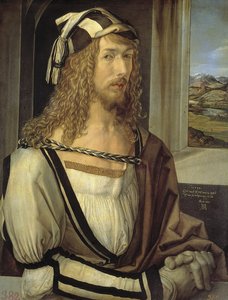
أَلْبِرِخْت دُورَر
1471 - 1528 , إيطاليا
حقائق سريعة
- الأعمال البارزة:
- سلسلة الرؤيا
- Melencolia I
- سان جيروم في دراسته
- الاسم الكامل: ألبراخت دورر
- الجنسية: ألمانية
- الحركات الفنية المتأثرة: ['النهضة الشمالية']
- الحركة الفنية: عصر النهضة الألمانية
- الفنانون المؤثرون:
- ليوناردو دا فينشي
- رافائيل
- جيوفاني بيليني
- تاريخ الميلاد: 21 مايو 1471
- مكان الميلاد: نورمبرغ، ألمانيا
مقالات ذات صلة

أروع 25 تحفة فنية في المتحف البريطاني بلندن: تاريخ، فن، وديكور فاخر
اكتشف أروع 25 تحفة فنية في المتحف البريطاني بلندن! قصص روائع رامبرانت، فان جوخ، وغيرهم. لوحات كلاسيكية، ديكور فاخر، ونسخ أصلية عالية الجودة على OriginalUniqueArt.com.

Mastering the Woodcut: A Definitive Guide to the Art of Relief Printing and its Historical Legacy
Explore the profound history and technical mastery of woodcut relief printing. From ancient origins to German Expressionism, discover how artists use the subtractive process to create iconic works. A definitive guide for art students, collectors, and historians.
German Renaissance Unlocked: The Bold Precision and Iconic Mastery of Albrecht Dürer Reimagined
Discover the bold precision of the German Renaissance. Explore the legendary mastery of Albrecht Dürer through expert art history insights and premium, hand-painted reproductions designed to bring iconic Northern Renaissance detail into your modern collection.

Albrecht Dürer: A Renaissance Master's Legacy of Innovation and Self-Portraiture
Explore the life & art of Albrecht Dürer, a pivotal German Renaissance master. Discover his groundbreaking printmaking techniques, iconic self-portraits, and lasting influence on Western art history. A deep dive into innovation & symbolism.
Master of the Renaissance: The Top 25 Greatest Artworks by Albrecht Dürer
Explore 25 iconic German Renaissance masterpieces by Albrecht Dürer. Discover the full collection online at OriginalUniqueArt.com.