
 معاينة الحجم الحقيقي
 مشاركة
 مشاركة
 التفاصيل

 تحميل الملف
 قطع مشابهة
 الأشعة السينية
 عرض شرائح
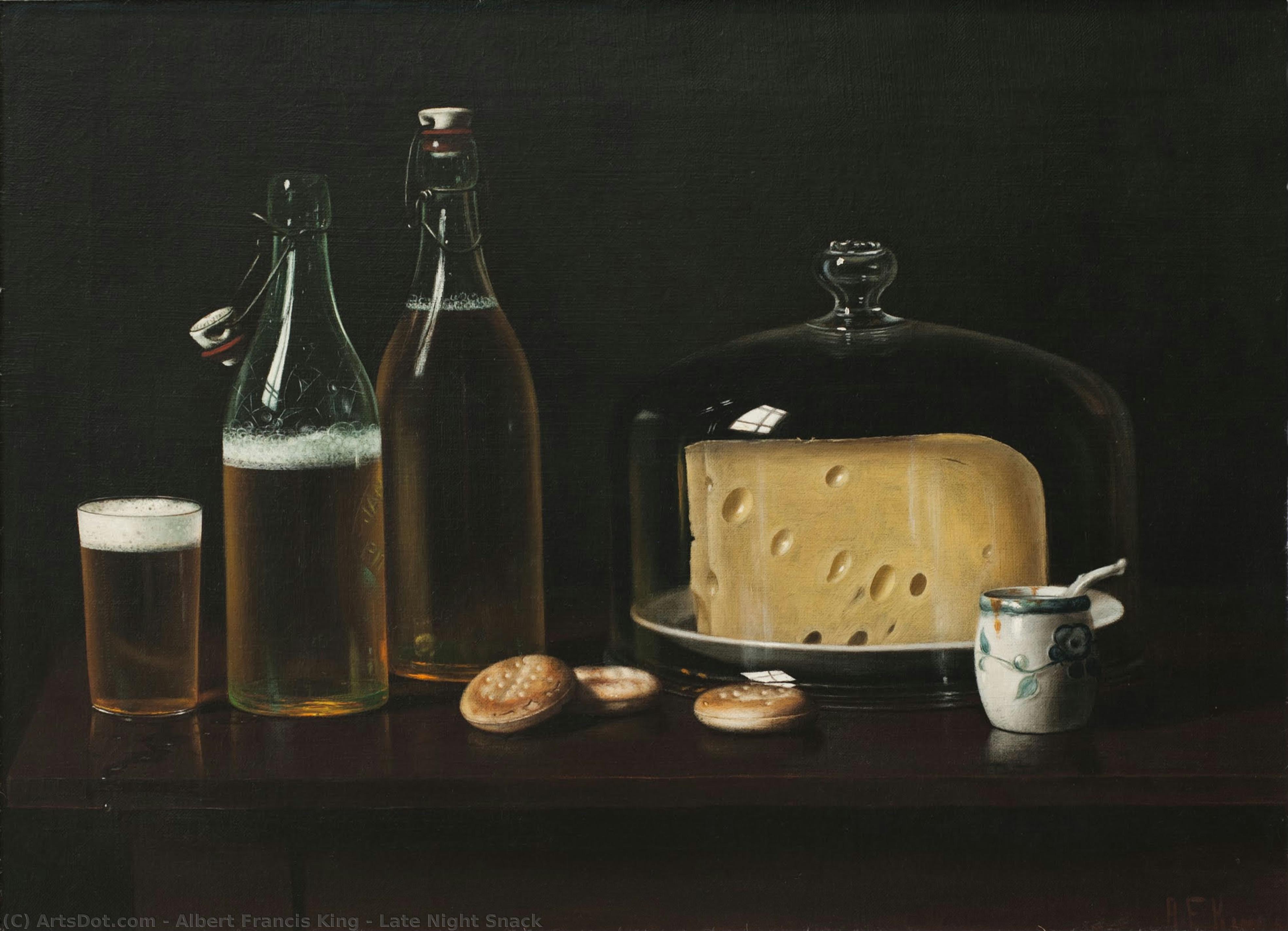
Late Night Snack

 عرض المزيد
طباعة جيلي / مطبوعات فنية
طباعة جيكلي أو كانفاس بجودة المتاحف، مع سرعة في التنفيذ وخيارات متنوعة للتشطيب. ( اشترِ لوحة مرسومة يدويًا اشترِ الصورة)




































اختر من بين أحجامنا المُعدّة مسبقًا والتي تتطابق مع النسب الأصلية للعمل الفني.

يمكنك إدخال أبعادك الخاصة لتناسب إطاراً أو مساحة معينة. وإذا لم يتطابق الحجم الذي اخترته مع نسب الصورة الأصلية، فسنقوم إما بقص العمل الفني أو تمديد الصورة باستخدام حافة معكوسة أو بلون مصمت. سيتم إرسال نموذج تجريبي رقمي لاعتمادك قبل بدء الإنتاج.
يرجى ملاحظة أن المعاينة على الشاشة لا تعكس عملية القص أو التمديد الفعلية؛ حيث سيوضح النموذج التجريبي فقط التكوين النهائي بدقة.
وعلى الرغم من توفر أحجام مخصصة، إلا أننا نوصي باختيار أبعاد من القائمة المحددة مسبقاً للحفاظ على النسب الأصلية.
توصيل عالمي إلى خلال أسبوعين بدلاً من المدة القياسية البالغة 4/5 أسابيع. 18 أغسطس

شحن سريع ومجاني لجميع أنحاء العالم

قماش كتان عالي الجودة

تأمين شحن شامل

ضمان استرداد الرسوم الجمركية

ضمان مطابقة الألوان الحقيقية

سياسة الإرجاع خلال 60 يومًا (في حالات العيوب فقط)

ضمان استرداد نقدي بنسبة 100%

خصم عند طلب عدة قطع
 خيار الزجاج متاح فقط للمقاسات التي تقل عن 110 سم

Late Night Snack
طباعة جيلي / مطبوعات فنية
مقاس النسخة المطبوعة
-


السعر الإجمالي النهائي
$ 80
السيرة الذاتية للفنان
John Martin: Architect of the Sublime
Born in 1789 amidst the rolling hills of Northumberland, England, John Martin’s life was a tapestry woven with both artistic brilliance and personal turmoil. His early years were marked by an apprenticeship to a coachbuilder, a seemingly unremarkable beginning for a man destined to become one of the most influential figures of the Romantic movement. However, this initial training instilled in him a meticulous attention to detail and a deep understanding of perspective – skills that would later inform his monumental canvases and dramatic engravings.
Martin’s artistic journey began with humble beginnings, supplementing his income through drawing lessons and producing intricate watercolours. He sought formal instruction from Boniface Musso, an Italian artist who introduced him to the techniques of enamel painting, a craft that honed his observational skills and appreciation for light and shadow. His family history was equally compelling; his brothers included William, an inventor, Richard, a soldier who fought in the Peninsular War, and Jonathan, a tragically unstable figure responsible for the devastating fire at York Minster. These familial connections shaped Martin’s worldview, exposing him to both innovation and profound human suffering.
Despite early attempts to gain recognition within the Royal Academy, Martin's work initially struggled to find its audience. His paintings were characterized by their immense scale, often depicting vast landscapes dominated by towering cliffs, turbulent seas, and ominous skies – a visual language that would come to define his signature style. These weren’t merely depictions of nature; they were explorations of the sublime—a concept central to Romanticism, representing awe-inspiring beauty intertwined with terror and the infinite. His subjects frequently drew from biblical narratives and classical mythology, but he imbued them with an intensely personal and emotionally charged atmosphere.
The Rise of a Master of Dramatic Composition
Martin’s breakthrough came through his engravings, particularly those based on *Belshazzar's Feast* (1839) and *The Fall of Nineveh* (1829). These meticulously crafted prints, produced with remarkable technical skill, captured the dramatic intensity of his paintings and reached a wider public than his original canvases ever could. Thomas Lawrence, a prominent contemporary artist, famously declared Martin “the most popular painter of his day,” a testament to the captivating power of his imagery. His engravings were not simply reproductions; they were reinterpretations, often emphasizing the emotional core of the scenes and utilizing innovative techniques to create a sense of depth and movement.
Martin’s artistic development was profoundly influenced by the works of earlier masters, particularly Claude Lorrain and Peter Paul Rubens. He absorbed their compositional strategies—the use of diagonal lines, dramatic lighting, and dynamic figures—and adapted them to his own unique vision. However, he pushed these influences further, imbuing his work with a distinctly Romantic sensibility – an emphasis on emotion, imagination, and the power of nature. His paintings were not intended to be mere representations; they were invitations to experience a profound emotional response.
Themes of Destruction and Redemption
Martin’s oeuvre is dominated by recurring themes of destruction, apocalypse, and spiritual struggle. Works like *The Great Day of His Wrath* (1852) depict the end of the world with terrifying grandeur, while *The Deluge* (1839) portrays a biblical flood as an overwhelming force of nature. These scenes are not simply catastrophic events; they represent humanity’s confrontation with its own mortality and the forces beyond its control. Yet, amidst this devastation, there is often a glimmer of hope—a suggestion of redemption or spiritual awakening.
His fascination with biblical narratives was particularly intense. *The Last Judgement* (1850-53), a monumental canvas depicting the arrival of Christ to judge humanity, exemplifies his ability to translate complex theological concepts into visually arresting imagery. Martin’s approach wasn't didactic; he aimed to evoke an emotional response, prompting viewers to contemplate their own place within the grand scheme of existence.
Legacy and Critical Reception
Despite achieving immense popularity during his lifetime, Martin faced considerable criticism from contemporary critics, most notably John Ruskin. Ruskin condemned Martin’s work as “dark,” “grotesque,” and lacking in moral substance, arguing that it exploited the viewer's emotions without offering any genuine spiritual nourishment. However, Ruskin’s criticisms ultimately failed to diminish Martin’s enduring influence.
Today, John Martin is recognized as a pivotal figure in the development of Romantic art. His dramatic compositions, evocative use of light and shadow, and exploration of profound themes continue to resonate with audiences. His engravings remain highly sought-after works of art, and his paintings are treasured for their power and emotional intensity. Martin’s legacy lies not only in his individual masterpieces but also in his pioneering role as an architect of the sublime—a visionary artist who captured the imagination and stirred the souls of generations.

albert francis king
1854 - 1945 , United States of America
حقائق سريعة
- Artistic Movement Or Style: Romanticism
- Artists Or Movements Influenced By This Artist: ['Ruskin']
- Artists Who Influenced This Artist: ['Boniface Musso']
- Date Of Birth: 19 July 1789
- Date Of Death: 17 February 1854
- Full Name: John Martin
- Nationality: English
- Notable Artworks:
- Belshazzar's Feast
- The Last Judgement
- Plains of Heaven
- Place Of Birth: Haydon Bridge, UK

