
 معاينة الحجم الحقيقي
 مشاركة
 مشاركة
 التفاصيل

 تحميل الملف
 قطع مشابهة
 الأشعة السينية
 عرض شرائح
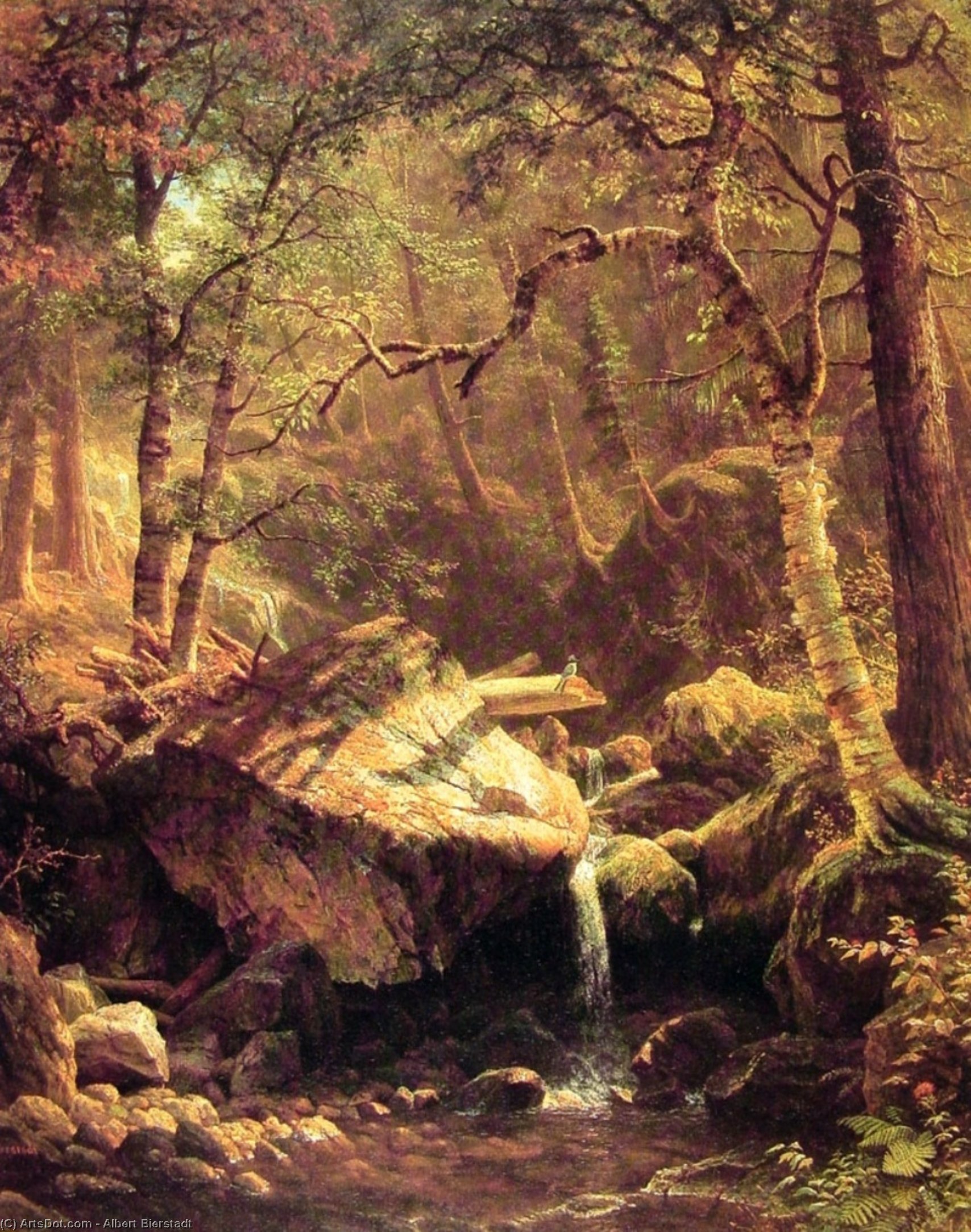
The Mountain Brook
 Acrylic
- WallArt
- Hudson River Luminism
 1863
1863 111.0 x 91.0 cm
 عرض المزيد
احصل على صورة رقمية عالية الدقة ومعزّنة، بجودة تفوق بكثير المعاينة عبر الإنترنت.
يتم إعداد كل ملف بعناية فائقة من قبل متخصصينا الداخليين باستخدام أدوات متقدمة ولمسات يدوية خبيرة. نضمن أن تتمتع كل صورة بوضوح استثنائي، ودقة لونية متناهية، وتفاصيل دقيقة.
يتم تسليم الملف النهائي عبر البريد الإلكتروني في غضون 72 ساعة، وهو مُحسَّن للاستخدام الفوري في المجالات المهنية والتحريرية ومجالات الطباعة. هذه هي ذات الجودة التي تعتمد عليها كبرى استوديوهات التصميم ودور النشر والمعارض الفنية المرموقة.
صورة رقمية
حمّل ملفاً عالي الدقة للعرض الشخصي، والطباعة، والمشاريع الإبداعية. ( اشترِ نسخة مطبوعة اشترِ لوحة مرسومة يدويًا)
مزايا مُضمّنة في كل طلب صورة رقمية
تسليم رقمي احترافي، مضمون
عندما تختار OriginalUniqueArt.com، فأنت لا تحصل على مجرد صورة فحسب، بل ستحصل على عمل فني رقمي مُحسّن باحترافية، صُمم بدقة متناهية ومصحوب بضمان الرضا. إليك كل ما يتضمنه طلبك تلقائياً:

تسليم سريع عبر البريد الإلكتروني
ستصلك ملفات صورك الرقمية عالية الدقة عبر البريد الإلكتروني في غضون 72 ساعة من إتمام الطلب - لتكون جاهزة للاستخدام الفوري.

ملف رقمي مُحسّن بالذكاء الاصطناعي
يتم تحسين عملك الفني باحترافية باستخدام أدوات الذكاء الاصطناعي المتقدمة والتحرير اليدوي، لضمان أقصى درجات التفاصيل والوضوح ودقة الألوان.

إعادة إرسال مجانية مدى الحياة
هل حذفت ملفك أو فقدته عن طريق الخطأ؟ لا تقلق - سنعيد إرساله إليك في أي وقت، ومجاناً.

بدون رسوم استيراد - على الإطلاق
استمتع بأعمالك الفنية فوراً دون أي رسوم جمركية أو ضرائب أو مصاريف شحن - فالتحميلات الرقمية دائماً ما تكون معفاة من الضرائب.

ضمان دقة الألوان
نحن نضمن أن تعكس صورتك الرقمية الألوان الأصلية بأقصى قدر ممكن من الدقة، وذلك باستخدام أدوات احترافية وتقنيات إدارة الألوان.

ضمان الرضا لمدة 60 يومًا
إذا لم تكن راضياً عن صورتك الرقمية، فسنقوم بتعديلها أو استرداد 100% من قيمتها خلال 60 يوماً - دون أي أسئلة.

ضمان استعادة الأموال بنسبة % 100
لم تكن راضياً؟ احصل على استرداد كامل المبلغ خلال 60 يومًا من استلام ملفك الرقمي - دون أي أسئلة.

خصومات الطلبات الكبيرة
اشتري 3 صور، ووفر 10% - اشتري 5، ووفر 15% - اشتري +10، ووفر 20%. مثالية للمشاريع الإبداعية، والمعارض، والوكالات.
وصف المقتنى الفني
A Symphony of Light and Sublime Beauty: Exploring Albert Bierstadt’s “The Mountain Brook”
Albert Bierstadt's "The Mountain Brook," completed in 1863, stands as a cornerstone of the Hudson River School movement—a stylistic triumph that cemented Bierstadt’s reputation as one of America’s foremost landscape painters. More than just a visual record of the Rocky Mountains, this monumental canvas embodies the Romantic ideal of confronting nature's grandeur and eliciting profound emotional responses.
Luminism: Mastering Light and Atmosphere
- Bierstadt’s masterful technique exemplifies Luminism, a distinctive approach championed by artists like Frederic Church and George Caleb Bingham. Unlike Impressionists who sought to capture fleeting moments of color and light, Luminists prioritized conveying the overwhelming scale and majesty of natural landscapes.
- He achieved this remarkable feat through meticulous layering of oil paints—often applying thin glazes over thicker underpaintings—to simulate the diffused sunlight characteristic of mountain vistas. This painstaking process allowed Bierstadt to reproduce accurately the atmospheric perspective, creating a convincing illusion of depth and distance.
A Vision of Transcendence: Symbolism Within the Landscape
"The Mountain Brook" transcends mere topographical representation; it speaks to themes of spirituality and awe. The cascading waterfall symbolizes purification and renewal—a visual metaphor for overcoming obstacles and embracing spiritual enlightenment. The towering mountains represent strength, resilience, and permanence, mirroring humanity’s aspiration to achieve lasting greatness.
Historical Context: Manifest Destiny and Romantic Idealism
Painted during the height of Manifest Destiny—the fervent belief in America's divine right to expand westward—Bierstadt’s artwork reflects the prevailing optimism of the era. However, it is equally infused with Romantic idealism, prioritizing emotion and imagination over rational observation. Bierstadt sought not simply to depict what he saw but to convey what he *felt*, capturing the sublime experience of encountering wilderness untouched by civilization.
Emotional Resonance: Inspiring Wonder and Reverence
"The Mountain Brook" continues to captivate viewers today with its breathtaking beauty and evocative atmosphere. Its luminous palette—dominated by shades of gold, amber, and turquoise—creates a sense of warmth and grandeur. The composition draws the eye upward towards the waterfall and mountains, fostering contemplation and inspiring reverence for the natural world. Reproductions offer an opportunity to bring this masterpiece into any home, allowing its timeless splendor to illuminate interior spaces.
السيرة الذاتية للفنان
A Pioneer of the American West: The Life and Art of Albert Bierstadt
Born in Prussia in 1830, Albert Bierstadt’s story is one deeply interwoven with the burgeoning identity of America itself. His family's early emigration to New Bedford, Massachusetts, when he was just a year old, planted the seeds for a lifelong fascination with the landscapes that would come to define his artistic legacy. Though initially self-taught, sketching with crayons as a youth, Bierstadt recognized the need for formal training and embarked on studies in Düsseldorf, Germany, in 1853. This European grounding proved crucial, providing him with technical mastery—a meticulous attention to detail and a sophisticated understanding of light and atmosphere—that he would later apply to his depictions of the American wilderness. It was not merely replication that Bierstadt sought, but an emotional resonance, a way to convey the sublime power and beauty of nature.Capturing the Majesty: The Hudson River School and Beyond
Upon his return to the United States in 1857, Bierstadt quickly became associated with the Hudson River School, a group of artists dedicated to portraying the American landscape with both accuracy and romantic idealism. However, while sharing their reverence for nature, Bierstadt soon distinguished himself through his ambitious scale and dramatic compositions. He wasn’t content to simply paint pretty pictures; he aimed to create immersive experiences that transported viewers to the heart of the wilderness. His breakthrough came in 1858 with a Swiss landscape exhibited at the National Academy of Design, earning him immediate acclaim and honorary membership. But it was his subsequent expeditions westward—first with land surveyor Frederick W. Lander in 1859, then with author Fitz Hugh Ludlow in 1863 to Yosemite Valley—that truly ignited his artistic vision. These journeys weren’t just about observation; they were about immersion, allowing Bierstadt to absorb the grandeur of the Rocky Mountains, the vastness of the plains, and the awe-inspiring scale of canyons and waterfalls.The Painter of Empires: Shaping Perceptions of the West
Bierstadt’s paintings weren't simply landscapes; they were statements about national identity and Manifest Destiny. His canvases—often enormous in size—depicted the American West not as a harsh, untamed frontier, but as a land of promise, abundance, and divine beauty. The Rocky Mountains, Lander’s Peak, completed in 1863 and purchased for an astonishing $25,000 (equivalent to nearly $400,000 today), exemplifies this approach. The painting isn't a precise topographical rendering; it’s a carefully constructed vision of idealized grandeur, bathed in golden light and imbued with a sense of spiritual significance. This ability to evoke emotion, to inspire awe, made Bierstadt immensely popular during his lifetime. He wasn’t just an artist; he was a cultural ambassador, shaping how Americans—and the world—perceived the West. His work fueled westward expansion by presenting it as a noble and divinely ordained undertaking.Technical Mastery and Artistic Influences
Bierstadt's technique was characterized by a remarkable attention to detail, honed during his studies in Düsseldorf. He employed a glazing technique, building up layers of translucent paint to create luminous effects and atmospheric depth. His use of light – often dramatic and golden – became his signature style. European landscape painting, particularly the works of Caspar David Friedrich and the Barbizon School artists, provided early inspiration. However, Bierstadt moved beyond mere imitation, developing a uniquely American vision that emphasized the scale and majesty of the Western wilderness. He also drew influence from Japanese woodblock prints, incorporating elements of compositional asymmetry and flattened perspective into his work. His paintings often feature meticulously rendered details of flora and fauna, reflecting a deep appreciation for natural history.Legacy and Influence: A Lasting Impression
While Bierstadt's popularity waned somewhat in the late 19th century as artistic tastes shifted, his influence on American landscape painting remains undeniable. He demonstrated the power of large-scale canvases to create immersive experiences, a technique later adopted by many artists. His meticulous attention to detail and masterful use of light continue to inspire painters today. Beyond his technical achievements, Bierstadt’s work serves as a valuable historical document, offering insights into the evolving perceptions of the American West during a period of rapid change and expansion. He captured a moment in time—a vision of pristine wilderness before it was irrevocably altered by human intervention. His paintings are not just beautiful images; they are windows into a pivotal era in American history, reminding us of both the promise and the cost of westward expansion. His legacy endures, ensuring that his breathtaking landscapes will continue to captivate and inspire generations to come.
ألبرت بيرشتادت
1830 - 1902 , ألمانيا
لمحة سريعة
- الأعمال البارزة:
- منظر طبيعي غربي
- مشهد ساحلي
- الاسم الكامل: ألبرت بيرشتات
- الجنسية: ألماني أمريكي
- الحركة الفنية: مدرسة نهر هدسون
- تاريخ الميلاد: 7 يناير 1830
- تاريخ الوفاة: 18 فبراير 1902
- مكان الميلاد: زولينجن، ألمانيا

