

 معاينة الحجم الحقيقي
 مشاركة
 مشاركة
 التفاصيل

 تحميل الملف
 قطع مشابهة
 الأشعة السينية
 عرض شرائح
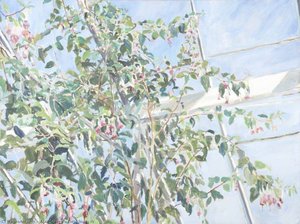
Head for the Fells
 270.0 x 190.0 cm
 Abbot Hall Art Gallery
 عرض المزيد
طباعة جيلي / مطبوعات فنية
طباعة جيكلي أو كانفاس بجودة المتاحف، مع سرعة في التنفيذ وخيارات متنوعة للتشطيب. ( اشترِ لوحة مرسومة يدويًا اشترِ الصورة)




































اختر من بين أحجامنا المُعدّة مسبقًا والتي تتطابق مع النسب الأصلية للعمل الفني.

يمكنك إدخال أبعادك الخاصة لتناسب إطاراً أو مساحة معينة. وإذا لم يتطابق الحجم الذي اخترته مع نسب الصورة الأصلية، فسنقوم إما بقص العمل الفني أو تمديد الصورة باستخدام حافة معكوسة أو بلون مصمت. سيتم إرسال نموذج تجريبي رقمي لاعتمادك قبل بدء الإنتاج.
يرجى ملاحظة أن المعاينة على الشاشة لا تعكس عملية القص أو التمديد الفعلية؛ حيث سيوضح النموذج التجريبي فقط التكوين النهائي بدقة.
وعلى الرغم من توفر أحجام مخصصة، إلا أننا نوصي باختيار أبعاد من القائمة المحددة مسبقاً للحفاظ على النسب الأصلية.
توصيل عالمي إلى خلال أسبوعين بدلاً من المدة القياسية البالغة 4/5 أسابيع. 31 أغسطس

شحن سريع ومجاني لجميع أنحاء العالم

قماش كتان عالي الجودة

تأمين شحن شامل

ضمان استرداد الرسوم الجمركية

ضمان مطابقة الألوان الحقيقية

سياسة الإرجاع خلال 60 يومًا (في حالات العيوب فقط)

ضمان استرداد نقدي بنسبة 100%

خصم عند طلب عدة قطع
 خيار الزجاج متاح فقط للمقاسات التي تقل عن 110 سم

Head for the Fells
طباعة جيلي / مطبوعات فنية
مقاس النسخة المطبوعة
-


السعر الإجمالي النهائي
$ 80
السيرة الذاتية للفنان
The Weaver of Landscapes: The Dual Legacy of Alan Sekers
The life of Alan Sekers, born Miklós Szekeres, represents one of the most enchanting intersections of industrial innovation and fine art in twentieth-century Britain. A man whose hands were as skilled at manipulating the delicate threads of high fashion as they were at applying the nuanced pigments of a landscape, Sekers moved through the world with a rare sensitivity to texture and light. Born in Sopron, Hungary, on 12 December 1910, his early journey took him from the rigorous technical training of textile technology in Krefeld, Germany, to the heart of the British industrial landscape. While history often remembers him as the visionary industrialist behind Sekers Fabrics—a pioneer who embraced the transformative potential of nylon and secured a legendary association with Christian Dior—his true soul found its most profound expression in the quiet, rugged expanses of the English countryside.
His arrival in Britain in 1937 was driven by economic necessity and a spirit of revitalization. Alongside his cousin, Tomi de Gara, Sekers sought to combat the unemployment of West Cumberland by establishing the West Cumberland Silk Mills. This period of his life was defined by a remarkable ability to bridge the gap between utility and elegance. During the hardships of World War II, his mills pivoted from silk to parachute production, yet even amidst the mechanical demands of wartime industry, Sekers maintained an eye for aesthetic excellence. His work with Dior’s ready-to-wear collections demonstrated a profound understanding of visual storytelling through fabric, treating textiles not merely as material, but as a medium for grace and movement.
A Vision Rendered in Earth and Sky
As the decades progressed, the industrialist’s focus began to shift toward the pastoral, finding a spiritual home in the landscapes of Northern England. Sekers’s artistic development was characterized by an intense, almost meditative observation of nature. He did not seek to overwhelm the viewer with dramatic, sweeping gestures; instead, he mastered the art of the subtle. In his celebrated series, such as “Head for the Fells” and “Field Study,” one finds a painter deeply enamored with the atmospheric shifts of Northumberland National Park. His technique relied on a restrained palette and meticulous brushwork, allowing him to capture the profound stillness of a moorland morning or the heavy, moisture-laden air of a Cumbrian afternoon.
There is a rhythmic quality to his landscapes that mirrors his background in weaving. Just as he once interlaced synthetic fibers to create revolutionary fabrics, he interlaced light, shadow, and tone to construct a sense of place. His paintings often eschew grand vistas in favor of intimate studies—small, concentrated moments where the texture of the earth and the weight of the sky become palpable. This ability to distill the essence of a landscape into a singular, contemplative moment allowed him to transcend mere representation, moving into a realm of pure atmospheric emotion.
A Patronage of Light and Culture
Beyond his own canvas, Sekers’s contribution to the British cultural fabric was immense. He was a true patron of the arts, a man who understood that the vitality of a society depends upon the support of its creative voices. His influence extended far beyond the textile mills, as he sat on the boards of some of the most prestigious institutions in the United Kingdom, including the Royal Opera House and the Royal Shakespeare Company. He was a vital supporter of contemporary painters such as Judy Cassab and even commissioned works from masters like Graham Sutherland and John Piper, demonstrating a deep-seated commitment to fostering a diverse and thriving artistic ecosystem.
His legacy is one of remarkable duality: the industrialist who brought innovation to the British economy and the artist who brought a quiet, luminous beauty to the English landscape. When he passed away on 23 June 1972, he left behind a world that was richer for his vision. Whether through the enduring elegance of a Dior-inspired fabric or the evocative stillness of a field study, Alan Sekers remains a testament to the idea that passion and practicality are not opposing forces, but rather two threads that, when woven together, create a masterpiece of a life well-lived.
حقائق سريعة
- Artistic Movement Or Style: Romanticism / Fashion Design
- Artists Or Movements Influenced By This Artist: ['David Cox']
- Artists Who Influenced This Artist: ['Christian Dior']
- Date Of Birth: December 12, 1910
- Date Of Death: June 23, 1972
- Full Name: Miklós Szekeres / Nicholas Sekers
- Nationality: British
- Notable Artworks:
- The Howl
- Attraction
- Field Study IV
- Place Of Birth: Sopron, Hungary

