

 معاينة الحجم الواقعي
 إرسال
إرسال مشاركة
 عرض التفاصيل
 دليل الأعمال الفنية للطلاب

 تحميل
تحميل
 قطع مشابهة
 الأشعة السينية
 عرض شرائح متتابع
 الإحصائيات
Self-Portrait
 Oil On Canvas
- WallArt
- Baroque Painting
 1699
1699- Contemporary
 81.0 x 66.0 cm
 Rijksmuseum
 اقرأ المزيد
طباعة جيلي / مطبوعات فنية
طباعة جيكلي أو كانفاس بجودة المتاحف، مع سرعة في التنفيذ وخيارات متنوعة للتشطيب. ( اطلب نسخة مرسومة يدويًا التحويل إلى الصورة الرقمية)




P118B E£10

P118H E£10

P118W E£10

P438Z E£10

P508JH E£12

P508YH E£12

P805H E£10

P805Z E£10

P919BZ E£10

P919G E£10

P919XJ E£10

P959ZH E£10

P968JZ E£12

W106C E£8

W218G E£10

W218JH E£8

W218Y E£10

W307PJ E£10

W316G E£10

W316PJ E£8

W316Y E£10

W398PJ E£8

W4111J E£10

W500HY E£15

W500JH E£15

W692G E£12

W849H E£8

W940BG E£15

W953PJ E£8




اختر من بين أحجامنا المُعدّة مسبقاً والتي تتوافق مع النسب الأصلية للعمل الفني.

أدخل العرض والارتفاع اللذين تحتاجهما، ليتناسب مع إطارك أو جدارك. يمكن قص المطبوعة فقط، ولا يمكن أبداً جعلها أكبر من الصورة الأصلية، لذا فإن أي مقاس بشكل مختلف سيؤدي إلى فقدان جزء من الصورة. سنرسل لك نموذجاً رقمياً تجريبياً لاعتماده قبل البدء في عملية الطباعة. الصورة المعروضة في هذه الصفحة لا توضح القص الفعلي — النموذج التجريبي فقط هو ما يظهر ذلك.
توصيل عالمي إلى خلال أسبوعين بدلاً من المدة القياسية البالغة 4/5 أسابيع. (23 أكتوبر)

شحن سريع ومجاني لجميع أنحاء العالم

قماش كتان فاخر

تأمين شامل على الشحن

ضمان استرداد الرسوم الجمركية

ضمان دقة مطابقة الألوان

سياسة الإرجاع خلال 100 يوم (في حالات العيوب فقط)

ضمان استرداد نقدي بنسبة 100%

عرض خصم الكميات
 خيار الزجاج متاح فقط للمقاسات التي تقل عن 110 سم

Self-Portrait
طباعة جيلي / مطبوعات فنية
مقاس النسخة المطبوعة
-


إجمالي السعر
E£ 4136
A Window into the Baroque Soul: Adriaen van der Werff’s Self-Portrait
Adriaen van der Werff's 1699 Self-Portrait is more than just a likeness; it’s a meticulously crafted window into the mind of a prominent Dutch artist during a pivotal era. Housed within the hallowed halls of the Rijksmuseum in Amsterdam, this oil on canvas painting transcends mere portraiture, offering a profound glimpse into the values, ambitions, and artistic sensibilities of 17th-century Europe. The work immediately commands attention with its dramatic use of chiaroscuro – the masterful interplay of light and shadow – which sculpts Van der Werff’s features and imbues the scene with an almost theatrical intensity. The artist doesn't simply present himself; he actively engages the viewer, inviting us into his world of artistic creation.
Van der Werff’s skill isn’t merely technical; it’s deeply rooted in a Baroque aesthetic that prized drama, emotion, and a heightened sense of realism. The composition itself is carefully orchestrated: the artist stands before a table laden with his tools – brushes, palettes, and a partially completed portrait of his wife and daughter – each element contributing to a narrative of dedication and artistic pride. The inclusion of this family portrait isn’t merely decorative; it speaks volumes about Van der Werff's life and priorities, suggesting a desire for domestic harmony alongside his professional pursuits. The gilt-framed miniature further emphasizes this familial connection, elevating the importance of his loved ones within his artistic world.
Decoding Baroque Techniques: Light, Shadow, and Detail
A closer examination reveals the intricate techniques that define Van der Werff’s style. The strong contrasts between light and dark – a hallmark of Baroque painting – aren't simply employed for visual effect; they serve to draw our attention to key focal points, particularly the artist himself. His face is rendered with an almost photographic precision, capturing every nuance of expression—a subtle hint of self-awareness mingled with quiet confidence. The meticulous detail extends beyond his features to encompass the textures of his clothing, the sheen of the gold trim, and even the delicate brushstrokes that define the miniature portrait.
Van der Werff’s mastery of color is equally noteworthy. He utilizes a rich palette of reds, browns, and golds, creating a sense of warmth and opulence. The dark background serves as a dramatic foil to these vibrant hues, further enhancing the impact of the figure in the foreground. The artist's use of sfumato – a subtle blurring technique – softens the edges of forms, lending an air of mystery and sophistication to the overall composition. This careful attention to detail and masterful manipulation of light and color are hallmarks of his distinctive style, setting him apart from many of his contemporaries.
A Reflection of its Time: Context and Symbolism
To fully appreciate Van der Werff’s Self-Portrait, it's essential to understand the historical context in which it was created. The Baroque period (roughly 1600-1750) witnessed a dramatic shift in artistic sensibilities, moving away from the restrained elegance of the Renaissance and embracing a more dynamic, emotional, and often theatrical style. The Catholic Church remained a significant patron of the arts during this time, commissioning works that celebrated religious themes and reinforced spiritual values. However, secular commissions also flourished, reflecting the growing wealth and influence of merchants and nobility.
Within the portrait itself, several symbolic elements contribute to its layered meaning. The artist’s pose—standing before his work—suggests a deliberate act of self-promotion and an assertion of artistic authority. The inclusion of his family underscores the importance of domesticity and legacy in 17th-century Dutch society. And the miniature portrait, depicting his wife and daughter, serves as a poignant reminder of the personal relationships that shaped his life and work. The overall impression is one of a man deeply connected to both his craft and his family—a testament to the values of his time.
Bringing Van der Werff’s Vision Home: A Reproduction for Today
OriginalUniqueArt offers meticulously crafted, hand-painted reproductions of Adriaen van der Werff's Self-Portrait, allowing you to experience this masterpiece in stunning detail. Our skilled artisans replicate the artist’s techniques with unparalleled accuracy, capturing the chiaroscuro, color palette, and nuanced expressions that define this iconic work. Whether displayed in a grand salon or a cozy study, our reproduction will serve as a beautiful reminder of the artistic brilliance of the Baroque era—a timeless piece of art that continues to inspire and captivate audiences today.
To explore more works by Adriaen van der Werff and delve deeper into his life and legacy, we invite you to visit our online gallery. For further insights into the Rijksmuseum’s collection, please see this resource.
الأسئلة والأجوبة
هل تُحفظ "Self-Portrait" للفنان أدريان فان دير ويرف في الموطن الأصلي للفنان؟
لا - العمل الفني محفوظ خارج البلاد. تُعرض لوحة "Self-Portrait" في Netherlands، بينما وُلد أدريان فان دير ويرف في هولندا.
ما هو المكان والغرض الموصى به لـ "Self-Portrait"؟
يُنصح بوضع "Self-Portrait" للفنان أدريان فان دير ويرف لغرض Statement، ويُفضل أن يكون ذلك في Living Room. إن الجمع بين طريقة الاستخدام والمساحة المتاحة يساعد في تحديد المكان الأمثل لوضع هذه النسخة الفنية.
ما هي تقنية وحجم العمل الأصلي "Self-Portrait" للفنان أدريان فان دير ويرف؟
أُنجزت لوحة "Self-Portrait" باستخدام Oil On Canvas، وتبلغ أبعادها 81 x 66 cm في شكلها الأصلي.
نبذة عن الفنان
سيد الرقة المتناهية: حياة أدريان فان دير ويرف
في النسيج المهيب للعصر الذهبي الهولندي، تلمع خيوط قليلة ببريق مصقول يضاهي أعمال أدريان فان دير ويرف. ولد في لاهاي عام 1659، وانبثق من سلالة مفعمة بالموهبة الفنية، فهو ابن رسام، مما منحه مقدمة مبكرة وحميمية لفهم فروق الضوء والشكل. تشكلت سنوات تكوينه تحت الإشراف الصارم لإغلون فان دير نير، سيد الأزياء والمنسوجات الذي لا يزال تأثيره جلياً في الملامس الحريرية الرائعة التي تميز تكوينات فان درق ويرف المتأخرة. هذا التدريب المبكر غرس فيه تفانياً مطلقاً للدقة، محولاً فرشاته إلى أداة قادرة على التقاط أدق التحولات في ملمس الجلد وطيات القماش.
ومع تقدم مسيرته المهنية، تجاوز فان دير ويرف مجرد البراعة التقنية ليصل إلى مستوى من العمق النفسي الذي سحر الطبقة الأرستقراطية الأوروبية. وإلى جانب شقيقه وتلميذه، بيتر فان دير ويرف، أسس مرسماً مهيباً في روتردام. وقد تميز صعوده داخل المجتمع الفني برئاسته لنقابة القديس لوقا، وهو منصب ذو هيبة هائلة سمح له بجذب انتباه أكثر الرعاة نفوذاً في ذلك العصر. وأصبحت أعماله جسراً يربط بين الواقعية الخشنة لكبار الأساتذة الهولنديين الأوائل وبين الحساسيات الراقية والأنيقة لحركة الروكوكو الناشئة.
سيمفونية الضوء والأسطورة
تكمن السحر الحقيقي في نتاج فان دير ويرف الفني في قدرته على بث الحياة في الروايات الأسطورية والكتابية القديمة. فهو لم يكتفِ بمجرد توضيح القصص، بل أخرجها بكثافة درامية استخدمت تقنية الكياروسكورو (التضاد بين الضوء والظلال) لاستحضار مشاعر عميقة. وفي أعمال مثل 'لوط وبناته'، يمكن للمرء أن يشهد التفاعل المتقن بين الظل والنور، حيث يعمل كل وميض من ضوء الشموع على زيادة حدة التوتر والثقل الرمزي للمشهد. وغالباً ما تعمل لوحاته كنوافذ تطل على عالم من الأناقة الكلاسيكية، حيث يتم تصوير الشكل البشري ببراعة تشبه الخزف، مما يمنحه شعوراً بالسمو والوجود الملموس في آن واحد.
كانت مجموعته التقنية متنوعة بشكل ملحوظ، مما سمح له بالتنقل بين أنماط مختلفة من فن البورتريه والرسم القصصي:
- العظمة الأسطورية: غالباً ما استخدم تصويره للآلهة والأبطال تكوينات ضخمة لنقل القوة والرشاقة.
- البورتريه الحميمي: في أعمال مثل 'بورتريه ذاتي'، أظهر صدقاً لا يتزعزع، ملتقطاً ثقة وشخصية الموضوع من خلال التفاصيل الدقيقة.
- النوع والتشكيلات الجماعية: تظهر قطع مثل 'أطفال يلعبون أمام مجموعة هرقل' قدرته على مزج الحنان المنزلي مع الحضور المهيب للنحت الكلاسيكي، مما يخلق سرداً متعدد الطبقات للقاء البراءة مع العصور القديمة.
الإرث والأهمية التاريخية
امتد نطاق تأثير أدريان فان دير ويرف إلى ما هو أبعد من حدود هولندا. فقد أكسبته سمعته كـ "رسام رفيع المستوى" رعاية أعلى طبقات العائلات الملكية الأوروبية، بما في ذلك يوهان ويليام، ناخب بالاتين، والنبيلة آنا ماريا لويزا دي ميديتشي. وتعد التكليفات الفنية بالأعمال الضخمة لبلاط فلورنسا شهادة على مكانته كشخصية دولية في عصر الباروك. إن قدرته على تلبية الأذواق الراقعة لعائلة ميديتشي رسخت إرثه كفنان استطاع الجمع بين الدقة الشمالية والأناقة الجنوبية.
في نهاية المطاف، تكمن أهمية فان دير ويرف في دوره كشخصية انتقالية؛ فقد أخذ العناصر التأسيسية للواقعية الهولندية —الهوس بالملمس والضوء والحقيقة— ورفعها إلى لغة بلاطية مهذبة من شأنها أن تؤثر في مسار فن القرن الثامن عشر. ورغم أن عصر كبار الأساتذة الهولنديين قد يفسح المجال في النهاية لحركات جديدة، إلا أن العالم المضيء والمصقول الذي ابتكره فان دير ويرف يظل نصباً تذكارياً خالداً لقمم الإبداع الفني في عصر الباروك.

أدريان فان دير ويرف
1659 - 1722 , هولندا
لمحة سريعة
- Artistic Movement Or Style: الباروك
- Artists Or Movements Influenced By This Artist: ['الأساتذة الهولنديون']
- Artists Who Influenced This Artist: ['إيغلون فان دير نير']
- Date Of Birth: لاهاي، هولندا (1659)
- Date Of Death: 1722
- Full Name: أدريان فان دير ويرف
- Nationality: هولندي
- Notable Artworks:
- القديسة مادلين تتأمل في عزلتها
- آدم وحواء
- سارة تقدم هاجر إلى إبراهيم
- Place Of Birth: لاهاي
مقالات ذات صلة
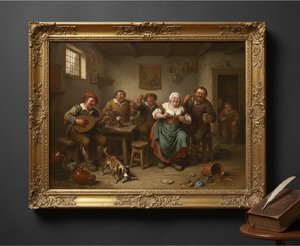
Adriaen van Ostade: A Master of Dutch Genre Painting & Social Commentary
Explore the life & work of Adriaen van Ostade, a leading Dutch Golden Age painter. Discover his realistic genre scenes, social commentary, and lasting influence on art history. Learn more at OriginalUniqueArt.

Early Netherlandish Masters: 10 Paintings That Revolutionized Art & Decor
Journey into the Early Netherlandish Renaissance! Explore 10 iconic paintings by Jan van Eyck, Rogier van der Weyden & more. Discover stunning detail, symbolism, and oil painting techniques. Find museum-quality art reproductions for your home at OriginalUniqueArt.com.

Hugo van der Goes: Devotion, Innovation & the Psychological Depth of Early Netherlandish Painting
Explore the revolutionary art of Hugo van der Goes – a master of Early Netherlandish painting renowned for his dramatic realism, psychological depth & profound influence on Renaissance artists. Discover his iconic works and lasting legacy.

Dutch Baroque Masters: 10 Paintings That Shaped an Era | OriginalUniqueArt
Journey through the Golden Age with our guide to the Top 10 Dutch Baroque masterpieces! Explore iconic paintings by Rembrandt, Vermeer & Frans Hals. Find museum-quality art reproductions and elevate your home decor at OriginalUniqueArt.com.

أعمال ريمبراند فان راين الخالدة: 25 تحفة فنية آسرة لديكور منزلك
اكتشف 25 تحفة فنية لريمبراند فان راين، رائد العصر الذهبي الهولندي. استكشف قصص لوحاته الشهيرة وتقنيات الرسم المذهلة. احصل على إعادة إنتاج عالية الجودة لديكور منزلك الفاخر على OriginalUniqueArt.com


