
 معاينة الحجم الحقيقي
 مشاركة
 مشاركة
 التفاصيل

 تحميل الملف
 قطع مشابهة
 الأشعة السينية
 عرض شرائح
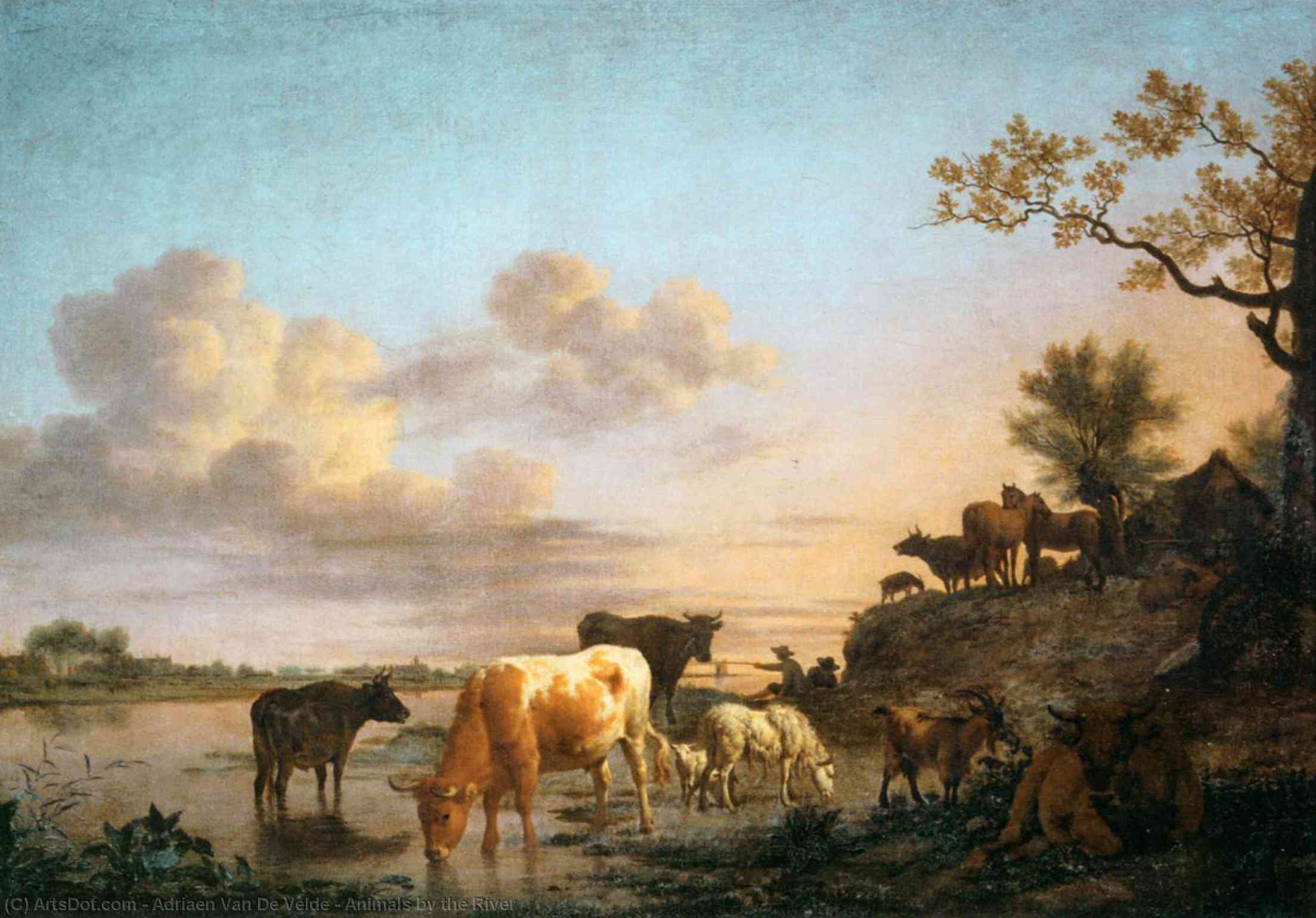
Animals by the River
 Oil On Canvas
- WallArt
- Baroque
 1664
1664 50.0 x 71.0 cm
 متحف اللوفر
 عرض المزيد
نسخة زيتية مصنوعة يدوياً
لوحة زيتية مرسومة يدوياً على الكانفاس بالمقاس والإطار الذي تفضله، تُنفذ حسب الطلب على أيدي فنانينا. ( اشترِ نسخة مطبوعة اشترِ الصورة)




P118B $10

P118H $10

P118W $10

P438Z $10

P508JH $12

P508YH $12

P805H $10

P805Z $10

P919BZ $10

P919G $10

P919XJ $10

P959ZH $10

P968JZ $12

W106C $8

W218G $10

W218JH $8

W218Y $10

W307PJ $10

W316G $10

W316PJ $8

W316Y $10

W398PJ $8

W4111J $10

W500HY $15

W500JH $15

W692G $12

W849H $8

W940BG $15

W953PJ $8




اختر من بين أحجامنا المُعدّة مسبقًا والتي تتطابق مع النسب الأصلية للعمل الفني.

يمكنك إدخال أبعادك الخاصة لتناسب إطارًا معينًا أو مساحة محددة. وإذا لم يتطابق الحجم الذي اخترته مع نسب الصورة الأصلية، فسنقوم إما بقص العمل الفني أو توسيع اللوحة بإضافة عناصر مرسومة يدويًا. سيتم إرسال نموذج رقمي إليك للموافقة عليه قبل بدء الإنتاج.
يرجى ملاحظة أن المعاينة على الشاشة لا تعكس عملية القص أو التوسيع الفعلية؛ حيث إن النموذج الرقمي وحده هو الذي سيوضح التكوين النهائي بدقة.
وعلى الرغم من توفر أحجام مخصصة، إلا أننا نوصي باختيار أبعاد من القائمة المحددة مسبقًا للحفاظ على النسب الأصلية للعمل الفني.
بعد إتمام الطلب، سيرسل فريق OriginalUniqueArt.com بريداً إلكترونياً للعميل لطلب التعليمات وتزويده بمعاينة تجريبية (mockup).
توصيل عالمي إلى خلال 3 إلى 4 أسابيع بدلاً من المدة المعتادة البالغة 5 أسابيع. (20 أغسطس). جودة لا تهاون فيها.

شحن سريع ومجاني لجميع أنحاء العالم

قماش كتان عالي الجودة

تأمين شحن شامل

ضمان استرداد الرسوم الجمركية

ضمان مطابقة الألوان الحقيقية

سياسة الإرجاع خلال 60 يومًا (في حالات العيوب فقط)

ضمان استرداد نقدي بنسبة 100%

خصم عند طلب عدة قطع
 خيار الزجاج متاح فقط للمقاسات التي تقل عن 110 سم

Animals by the River
خامة إعادة الإنتاج
مقاس النسخة المطبوعة
-


السعر الإجمالي النهائي
$ 300
وصف العمل الفني
A Symphony of Light and Shadow: Adriaen van de Velde’s “Animals by the River”
Adriaen van de Velde's "Animals by the River," painted in 1664, isn’t merely a depiction of livestock; it’s a carefully constructed tableau brimming with quiet observation and an exquisite understanding of light. This remarkable work, now meticulously reproduced on canvas, transports us to a serene corner of the Dutch countryside – a place where the rhythms of rural life unfold with a palpable sense of peace. Van de Velde, a pivotal figure in the Dutch Golden Age, masterfully blended influences from Italianate landscape painting with his native Dutch traditions, creating an atmosphere both familiar and subtly exotic.
The scene itself is deceptively simple: a gently flowing river bisects a verdant meadow, dotted with grazing cows – their forms rendered with a remarkable sensitivity to musculature and movement. A small herd of horses, one close to the left edge and another towards the right, adds a touch of dynamism to the composition. A solitary dog, positioned near the center-right, seems to observe the proceedings with quiet curiosity. Yet, it’s not the subject matter that commands attention but rather Van de Velde's masterful handling of light and shadow. He employs a technique known as “chiaroscuro,” dramatically contrasting areas of bright illumination with deep, cool shadows, creating an almost theatrical effect. The sunlight, seemingly originating from an unseen source, washes over the scene, highlighting the textures of the grass, the sheen of the animals’ coats, and the reflections shimmering on the water's surface.
The Italianate Influence and Dutch Roots
Van de Velde’s artistic journey is a fascinating blend of influences. Initially apprenticed to his father, Willem van de Velde the Elder, a renowned marine painter, Adriaen quickly recognized that he preferred the quieter beauty of the land. He sought guidance from Jan Wynants in Haarlem, absorbing the principles of landscape composition and mastering the art of capturing atmospheric effects – skills that would prove invaluable as he later collaborated with Philip Wouwerman, a master of animal painting who instilled within him an appreciation for the nuances of portraying living creatures.
Crucially, Van de Velde’s work reflects the burgeoning influence of Italianate landscape painting during this period. Artists like Karel Dujardin and Nicolaes Berchem had popularized scenes of idyllic pastoral landscapes – often featuring shepherds, cattle, and mythological figures – set against a backdrop of rolling hills and bathed in golden light. Van de Velde skillfully adopted these techniques, adapting them to the specific context of the Dutch countryside. This fusion of Italianate elegance with distinctly Dutch agricultural themes created a unique visual language that defined his oeuvre.
Symbolism and the Rhythm of Rural Life
Beyond its technical brilliance, “Animals by the River” is rich in symbolic meaning. The scene evokes a sense of harmony between humanity and nature – a reflection of the prevailing worldview during the Dutch Golden Age, where prosperity was often linked to responsible stewardship of the land. The cows, grazing peacefully, represent abundance and fertility, while the horses symbolize strength and vitality. The river itself acts as a unifying element, connecting the various elements of the composition and suggesting a continuous flow of life.
Furthermore, the painting captures a specific moment in time – a fleeting glimpse into the daily rhythms of rural life. The animals are engaged in their natural behaviors: grazing, drinking, observing. Van de Velde’s meticulous attention to detail allows us to feel as though we are witnessing this scene unfold before our very eyes. It's a testament to his ability to imbue even the most commonplace subject matter with profound beauty and emotional resonance.
A Timeless Masterpiece – Perfect for Your Space
Reproduced with exceptional fidelity, “Animals by the River” offers a stunning addition to any home or office. The rich colors, intricate details, and masterful use of light create a captivating visual experience that will transform any room into a sanctuary of tranquility. Whether you’re an art enthusiast, a collector seeking a piece of Dutch Golden Age history, or simply someone who appreciates the beauty of nature, this reproduction is sure to delight and inspire.
Consider framing this exquisite artwork in a classic wooden frame to further enhance its timeless appeal. Its serene composition and evocative imagery will undoubtedly become a cherished focal point, adding a touch of elegance and sophistication to your interior design.
السيرة الذاتية للفنان
سيد السكينة الرعوية
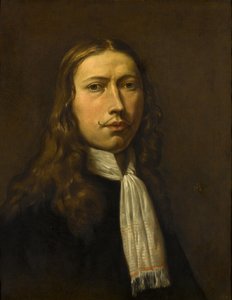
يبرز أدريان فان دي فيلدي كشخصية محورية في العصر الذهبي الهولندي، تلك الحقبة التي اتسمت بازدهار منقطع النظير للابتكار الفني والدقة الملحوظة في الملاحظة. ولد في أمسترام عام 1636، ونشأ منذ نعومة أظفاره في كنف سلالة مفعمة بالموهبة الفنية العميقة؛ فبصفته ابن رسام المناظر البحرية الشهير ويليم فان دي فيلدي الأب، وشقيق سيد الفنون البحرية المرموق ويليم فان دي فيلدي الأصغر، كان أدريان مقدراً له بلوغ القمة ضمن الوسط النابض بالحياة للفن الهولندي في القرن السابع عشر. ومع ذلك، وبدلاً من اتباع مسار شقيقه نحو البحار الهائجة والآفاق البحرية، سعى أدريان إلى نوع مختلف من السكينة؛ إذ وجه نظره نحو الأرض، وصقل مهاراته في مرسم يان وينانتس، حيث أتقن الفروق الدقيقة في تكوين المناظر الطبيعية وتعلم كيفية التقاط التأثيرات الجوية الخفية التي تبث الحياة في ثنايا اللوحة.
وقد ازداد تطوره الفني ثراءً من خلال ارتباطه العميق بأعمال فيليب وويرمان، حيث غرس هذا الإرشاد في نفسه تقديراً عميقاً لرسم الحيوانات، وهو التخصص الذي أصبح بصمته المميزة. امتلك فان دي فيلدي قدرة رائعة على مزج الملاحظة الدقيقة بالخيال الفني الشاعري، وأصبح عنصراً فعالاً في تطوير فن رسم المناظر الطبيعية على الطموح الإيطالي، حيث أدخل الشخصيات في المناظر الطبيعية بنعمة وواقعية جعلت تقنياته تُعتمد لاحقاً من قبل أعلام مثل هوبما ورويسدال. وتزدان أعماله غالباً بالمروج المتموجة التي تضج بالحياة—من أغنام وأبقار وماعز—مُنفذة بلمسات فضية والتزام بالواقعية ينقل المشاهد إلى عالم مثالي خالد.
التقنية والرؤية الفنية
تكمن عبقرية نتاج فان دي فيلدي الفني في قدرته على استحضار العاطفة من خلال الضوء والملمس؛ فمناظره الطبيعية ليست مجرد تصوير للمشاهد، بل هي تجارب وجدانية مفعمة بالأجواء. وسواء كان يرسم لوحة منظر جبلي مع الأبقار أو التفاصيل الحميمة لـ ماعز وصغيرها، فإن ضربات فرشاته كانت تنقل إحساساً بالسلام والخلود. لقد استخدم لوحة ألوان يمكن أن تتحول من النغمات الدافئة الغارقة في الشمس إلى الضوء الفضي البارد الذي يميز الأجواء الهولندية، مما خلق عمقاً وإحساساً ملموساً بالهواء داخل تكويناته.
وبعيداً عن مشاهده الرعوية الشهيرة، أظهر فان دي فيلدي تنوعاً مذهلاً عكس تمكنه من الأساليب السردية المختلفة. فلم تقتصر موهبته على العالم الطبيعي فحسب؛ بل خاض أيضاً غمار الأيقونات الدينية، وهو ما يتجلى بوضوح في ابتكاره للوحة إنزال المسيح عن الصليب لكنيسة كاثوليكية سرية في أمستردام. إن هذه القدرة على الانتقال من الجمال الدنيوي لجسر حجري أو مرج ريفي إلى الوقار العميق للموضوعات المقدسة، تتحدث عن فنان يمتلك نطاقاً تقنياً هائلاً وعمقاً فكرياً كبيراً.
الإرث والأهمية التاريخية
طوال مسيرته المهنية، كان فان دي فيلدي روحاً تعاونية، حيث عمل جنباً إلى جنب مع كبار أساتذة عصره مثل يان فان دير هيدن وفردريك دي موشرون. وقد ساعد تفانيه في صقل تصوير الحيوانات في رفع مكانة الرسم النوعي ضمن الهرم الموضوعي للفن الهولندي. ويمكن تتبع تأثيره من خلال تطور تقاليد المناظر الطبيعية، حيث جسر الفجوة بين الواقعية الخشنة لكبار الرسامين الهولنديين الأوائل والأساليب الإيطالية الكلاسيكية الأكثر مثالية التي تلت ذلك.
ورغم أن حياته كانت قصيرة بشكل مأساوي، وانتهت في عام 1672، إلا أن تأثير أعماله المتبقية—والتي يبلغ عددها حوالي مائتي عمل—لا يزال عميقاً. لقد ترك وراءه إرثاً يتجلى في:
- براعة الضوء: قدرة لا تضاهى على التقاط الخصائص الجوية العابرة للسماء والمناظر الطبيعية الهولندية.
- تصوير الحيوانات: الارتقاء بالماشية والحيوانات الرعوية من مجرد عناصر خلفية إلى موضوعات مركزية ونابضة بالروح في الفن.
- الابتكار النوعي: دمج الشخصيات البشرية في المناظر الطبيعية بطريقة تبدو عضوية، وسردية، ومتكاملة بعمق مع البيئة المحيطة.
واليوم، لا يُذكر أدريان فان دي فيلدي كمجرد رسام للمشاهد، بل كشاعر للمناظر الطبيعية، تظل أعماله نافذة نطل منها على القلب الهادئ والمشرق بالعصر الذهبي الهولندي.
أدريان فان دي فيلدي
1636 - 1672 , هولندا
حقائق سريعة
- Artistic Movement Or Style: المناظر الطبيعية الإيطالية
- Artists Or Movements Influenced By This Artist: ['مدرسة هودسون ريفر']
- Artists Who Influenced This Artist:
- يان وينانتس
- فيليب وويرمان
- Date Of Birth: أمستردام، هولندا (1636)
- Date Of Death: أمستردام، هولندا (1672)
- Full Name: أدريان فان دي فيلدي
- Nationality: هولندي
- Notable Artworks:
- ماشية وماعز في مرج
- شاطئ شيفينينغن
- Place Of Birth: أمستردام
مقالات ذات صلة

الحيوانات في الفن والتصميم الداخلي: رموز خالدة ومعانٍ عميقة في مساحاتنا
استكشف الوجود الدائم للحيوانات في الفن والتصميم الداخلي. اكتشف رموزها الثقافية العميقة ومعانيها الخفية، ونصائح لاختيار الأعمال الفنية المثالية لمنزلك مع OriginalUniqueArt.
The Noble Steed on Canvas: A Historical & Artistic Exploration of Horse Painting Across Cultures
Explore the rich history of horse painting! Discover masterpieces from Stubbs to Munnings & learn about symbolism, techniques & artists. Find museum-quality reproductions at OriginalUniqueArt.
The Noble Steed: A Historical and Artistic Exploration of Horses in Fine Art
Explore the rich history of horses in fine art! From ancient depictions to Renaissance masterpieces & beyond, discover iconic artworks and artists. Learn about symbolism, techniques, and find museum-quality reproductions at OriginalUniqueArt.
Beastly Brushstrokes: A Historical Journey Through Animal Painting & Aesthetic Movements
Explore the rich history of animal painting across cultures & movements. Discover iconic artists, symbolism, collecting trends & expert art consultation at OriginalUniqueArt.com.
Charles Leickert: Capturing the Dutch Golden Age Light – A Comprehensive Study of Technique, Context, and Legacy
Explore the captivating winter landscapes of Charles Leickert, a master of Dutch Golden Age light & atmosphere. Discover his techniques, symbolism, and lasting legacy – a comprehensive study for art enthusiasts and collectors.

