
 معاينة الحجم الواقعي
 إرسال
إرسال مشاركة
 عرض التفاصيل
 دليل الأعمال الفنية للطلاب

 تحميل
تحميل
 قطع مشابهة
 الأشعة السينية
 عرض شرائح متتابع
 الإحصائيات
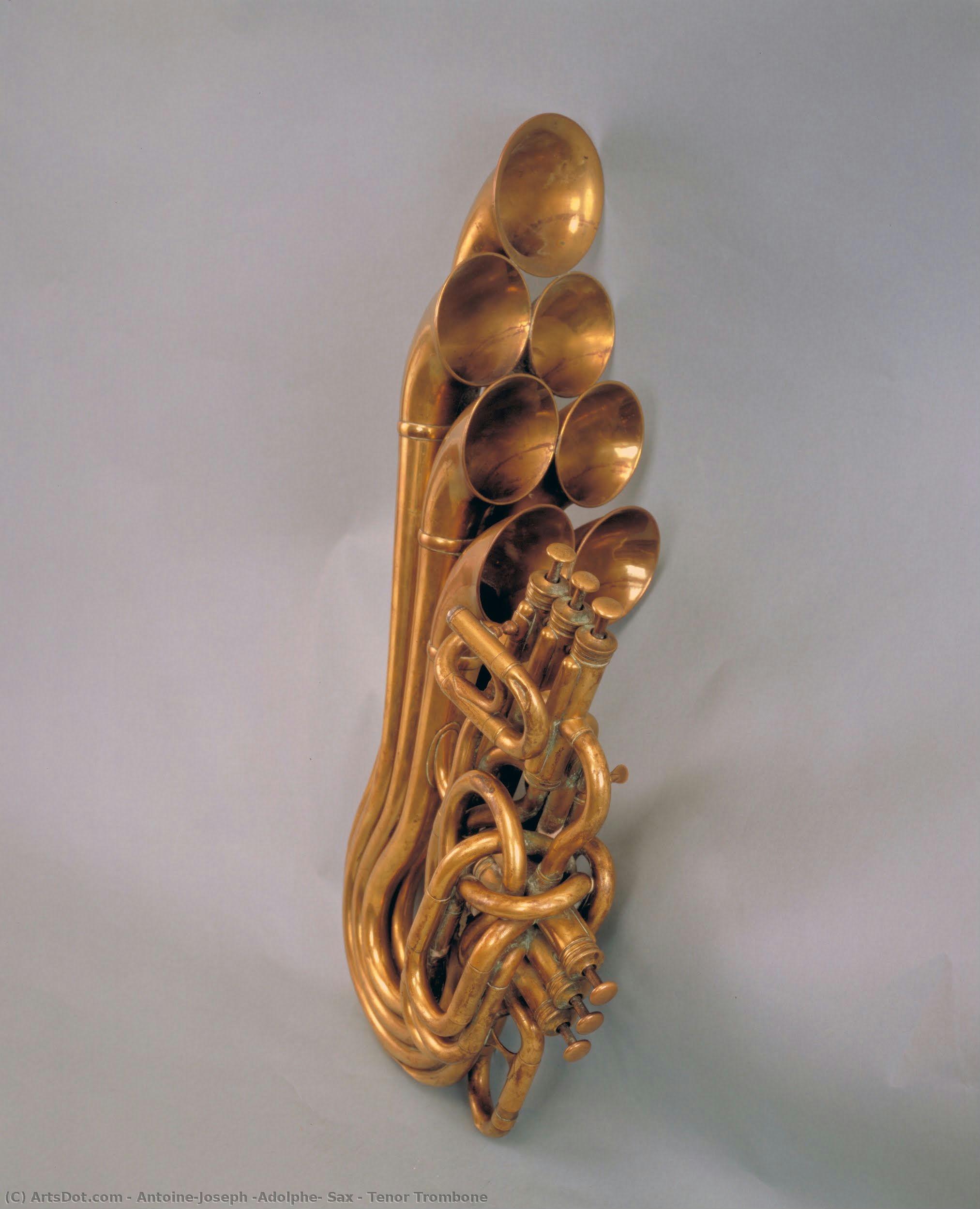
Tenor Trombone

 اقرأ المزيد
احصل على صورة رقمية عالية الدقة ومعزّزة، بجودة تفوق بكثير المعاينة عبر الإنترنت.
يتم إعداد كل ملف بعناية فائقة على أيدي متخصصينا باستخدام أدوات متقدمة ولمسات يدوية خبيرة، لضمان تمتع كل صورة بوضوح استثنائي، ودقة لونية متناهية، وتفاصيل دقيقة.
يتم تسليم الملف النهائي عبر البريد الإلكتروني في غضون 72 ساعة، وهو مُحسَّن للاستخدام الفوري في المجالات المهنية والتحريرية ومجالات الطباعة؛ وهي ذات الجودة التي تعتمد عليها كبرى استوديوهات التصميم ودور النشر والمعارض الفنية المرموقة.
صورة رقمية
حمّل ملفاً عالي الدقة للعرض الشخصي، والطباعة، والمشاريع الإبداعية. ( التبديل إلى المطبوعات اطلب نسخة مرسومة يدويًا)
مزايا مُضمّنة مع كل طلب صورة رقمية
خدمة تسليم رقمي احترافية ومضمونة
عندما تختار OriginalUniqueArt.com، فأنت لا تحصل على مجرد صورة فحسب، بل ستحصل على عمل فني رقمي مُحسّن باحترافية، صُمم بدقة متناهية ومصحوب بضمان الرضا. إليك كل ما يتضمنه طلبك تلقائياً:

تسليم سريع عبر البريد الإلكتروني
ستصلك ملفات صورك الرقمية عالية الدقة عبر البريد الإلكتروني في غضون 72 ساعة من إتمام الطلب - لتكون جاهزة للاستخدام الفوري.

ملف رقمي مُعزز بالذكاء الاصطناعي
يتم تحسين عملك الفني باحترافية باستخدام أدوات الذكاء الاصطناعي المتقدمة والتحرير اليدوي، لضمان أقصى درجات التفاصيل والوضوح ودقة الألوان.

إعادة إرسال مجانية مدى الحياة
هل حذفت ملفك أو فقدته عن طريق الخطأ؟ لا تقلق - سنعيد إرساله إليك في أي وقت، مجاناً.

بدون رسوم استيراد - على الإطلاق
استمتع بأعمالك الفنية فوراً دون أي رسوم جمركية أو ضرائب أو مصاريف شحن - فالتحميلات الرقمية دائماً ما تكون معفاة من الضرائب.

ضمان دقة الألوان
نضمن لك دقة انعكاس الألوان الأصلية في صورتك الرقمية بأقصى قدر ممكن، وذلك باستخدام أدوات احترافية وتقنيات متطورة لإدارة الألوان.

ضمان الرضا لمدة 100 يوم
إذا لم تكن راضياً عن صورتك الرقمية، فسنقوم بتعديلها أو استرداد 100% من قيمتها خلال 100 يوم - دون طرح أي أسئلة.

ضمان استعادة الأموال بنسبة 100%
لم تكن راضياً؟ استرد كامل المبلغ خلال 100 يوم من استلام ملفك الرقمي - دون طرح أي أسئلة.

خصومات الطلبات الكبيرة
اشتري 3 صور، ووفر 10% - اشتري 5، ووفر 15% - اشتري +10، ووفر 20%. مثالية للمشاريع الإبداعية، والمعارض، والوكالات.
سيرة الفنان
A Legacy Forged in Sound: The Life and Innovations of Adolphe Sax
Antoine-Joseph ‘Adolphe’ Sax, born in Dinant, Belgium, on November 6, 1814, was more than just an inventor; he was a sonic architect who reshaped the landscape of musical expression. His name is inextricably linked to the saxophone, yet to define him solely by this iconic instrument would be to overlook a lifetime dedicated to refining and expanding the possibilities of brass and woodwind instruments. Sax’s journey was one driven by a relentless pursuit of tonal perfection, fueled by both artistic vision and a deep understanding of acoustics and mechanics. From his earliest days immersed in his father's workshop, surrounded by the scent of wood shavings and the gleam of polished brass, Adolphe displayed an innate curiosity and a remarkable aptitude for instrument making. His childhood was marked not only by this creative environment but also by a series of near-fatal accidents – tales that earned him the nickname “little Sax, the ghost” – perhaps imbuing his life with a sense of urgency and purpose. This formative period instilled in him a profound respect for craftsmanship and an unwavering determination to overcome obstacles, qualities that would define his career.Bridging Worlds: The Genesis of the Saxophone and Beyond
Sax’s ambition wasn't merely to create new instruments but to address perceived deficiencies in existing ones. He envisioned a sound world where the brilliance of brass could be seamlessly blended with the warmth and expressiveness of woodwinds – a tonal bridge that had long eluded instrument makers. This vision culminated in the invention of the saxophone, patented in 1846. It was not born from pure inspiration but from meticulous experimentation and a deep understanding of acoustic principles. The saxophone’s single-reed mouthpiece, conical bore, and brass construction combined to produce a uniquely versatile sound capable of both powerful projection and delicate nuance. However, the saxophone was just one facet of Sax's prolific inventiveness. He didn’t rest on this singular achievement; instead, he embarked on a relentless campaign of innovation, designing or significantly redesigning a remarkable array of instruments. The saxhorn, a family of valved brass instruments designed for greater versatility in military bands, emerged as another significant contribution. He also developed the saxtuba, a hybrid instrument blending features of both tuba and saxophone, and made substantial improvements to the bass clarinet, creating a model that remains widely used today. His work extended to valved trumpets – including versions with six independent valves aimed at enhancing chromatic capabilities – and even a pioneering six-valve trombone, showcasing his commitment to improving intonation and expanding instrumental range.Challenges and Triumphs: Navigating the 19th-Century Musical Landscape
Despite his groundbreaking innovations, Sax faced considerable resistance from established instrument manufacturers and conservative musical circles. His patents were frequently challenged, and his designs often copied without proper compensation. This period was marked by protracted legal battles and financial struggles, testing his resilience and determination. The burgeoning Romantic era, with its demand for richer orchestral textures and more expressive instrumental capabilities, provided a fertile ground for Sax’s inventions, yet acceptance wasn't immediate. He tirelessly promoted his instruments through performances with orchestras and military bands, demonstrating their unique sonic qualities firsthand. His association with composers like Hector Berlioz – who championed the saxophone in his compositions – proved crucial in gaining recognition. Berlioz recognized the instrument’s potential and incorporated it into several of his works, helping to establish its place within the orchestral palette. However, even with such endorsements, Sax continued to grapple with skepticism and competition throughout much of his career.A Lasting Resonance: Adolphe Sax's Enduring Legacy
Adolphe Sax died in Paris on February 7, 1894, leaving behind a legacy that continues to resonate profoundly within the world of music. While he may not have achieved widespread fame or fortune during his lifetime, his inventions irrevocably altered the course of musical history. The saxophone quickly gained popularity in military bands and Parisian dance halls, eventually finding its way into classical compositions by composers like Berlioz, Verdi, and Debussy. However, it was in the realm of jazz that the saxophone truly found its voice, becoming an indispensable instrument in this uniquely American art form. From the pioneering improvisations of Sidney Bechet to the virtuosic performances of Charlie Parker and John Coltrane, the saxophone has been central to the evolution of jazz music. Beyond the saxophone’s iconic status, Sax's other innovations significantly advanced brass instrument design, contributing to the evolution of orchestral sound and providing musicians with a wider range of tonal possibilities. He remains a pivotal figure in the history of musical instruments, a true pioneer whose vision continues to inspire generations of musicians and instrument makers alike. His story is a testament to the power of innovation, perseverance, and an unwavering commitment to artistic expression.
Adolphe Sax
1814 - 1894 , Belgium
حقائق سريعة
- Artistic Movement Or Style: Instrument Design
- Artists Or Movements Influenced By This Artist:
- Berlioz
- Verdi
- Debussy
- Jazz music
- Date Of Birth: November 6, 1814
- Date Of Death: February 7, 1894
- Full Name: Antoine-Joseph 'Adolphe' Sax
- Nationality: Belgian-French
- Notable Artworks:
- Saxophone
- Saxhorn
- Saxtuba
- Valved Trumpet
- Six-Valve Trombone
- Place Of Birth: Dinan, Belgium