

 معاينة الحجم الواقعي
 إرسال
إرسال مشاركة
 عرض التفاصيل
 دليل الأعمال الفنية للطلاب

 تحميل
تحميل
 قطع مشابهة
 الأشعة السينية
 عرض شرائح متتابع
 Q&A
Q&A الإحصائيات
Spray
 Abstract Expressionism
 1959
1959 229.0 x 184.0 cm
 اقرأ المزيد
إن العمل الفني المعروض في هذه الصفحة محمي بموجب قوانين حقوق الطبع والنشر، مما يعني أنه لا يحق لنا قانوناً إنشاء أو بيع نسخ مطابقة له. وتُطبق هذه الحماية بموجب الاتفاقيات الدولية مثل الـ اتفاقية برن ووفقاً للقوانين الوطنية، بما في ذلك تلك المنصوص عليها في قانون حقوق الطبع والنشر في الولايات المتحدة - الباب 17.
تتوافق هذه الطريقة تماماً مع لوائح حقوق النشر لأنها لا تتضمن نسخ أو تكرار العمل الفني المحمي، بل هي إعادة تفسير إبداعية؛ أي أنها لوحة جديدة مستوحاة من الأصل ولكنها ليست مطابقة له.
طباعة جيلي / مطبوعات فنية
طباعة جيكلي أو كانفاس بجودة المتاحف، مع سرعة في التنفيذ وخيارات متنوعة للتشطيب. ( اطلب نسخة مرسومة يدويًا التحويل إلى الصورة الرقمية)




P118B E£10

P118H E£10

P118W E£10

P438Z E£10

P508JH E£12

P508YH E£12

P805H E£10

P805Z E£10

P919BZ E£10

P919G E£10

P919XJ E£10

P959ZH E£10

P968JZ E£12

W106C E£8

W218G E£10

W218JH E£8

W218Y E£10

W307PJ E£10

W316G E£10

W316PJ E£8

W316Y E£10

W398PJ E£8

W4111J E£10

W500HY E£15

W500JH E£15

W692G E£12

W849H E£8

W940BG E£15

W953PJ E£8




اختر من بين أحجامنا المُعدّة مسبقاً والتي تتوافق مع النسب الأصلية للعمل الفني.

أدخل العرض والارتفاع اللذين تحتاجهما، ليتناسب مع إطارك أو جدارك. يمكن قص المطبوعة فقط، ولا يمكن أبداً جعلها أكبر من الصورة الأصلية، لذا فإن أي مقاس بشكل مختلف سيؤدي إلى فقدان جزء من الصورة. سنرسل لك نموذجاً رقمياً تجريبياً لاعتماده قبل البدء في عملية الطباعة. الصورة المعروضة في هذه الصفحة لا توضح القص الفعلي — النموذج التجريبي فقط هو ما يظهر ذلك.
توصيل عالمي إلى خلال أسبوعين بدلاً من المدة القياسية البالغة 4/5 أسابيع. (30 أكتوبر)

شحن سريع ومجاني لجميع أنحاء العالم

قماش كتان فاخر

تأمين شامل على الشحن

ضمان استرداد الرسوم الجمركية

ضمان دقة مطابقة الألوان

سياسة الإرجاع خلال 100 يوم (في حالات العيوب فقط)

ضمان استرداد نقدي بنسبة 100%

عرض خصم الكميات
 خيار الزجاج متاح فقط للمقاسات التي تقل عن 110 سم

Spray
طباعة جيلي / مطبوعات فنية
مقاس النسخة المطبوعة
-


إجمالي السعر
E£ 4158
A Burst of Energy: Exploring Adolph Gottlieb’s ‘Spray’ (1959)
Adolph Gottlieb's Spray, created in 1959, is a commanding example of Abstract Expressionism at its most visceral. Measuring an impressive 229 x 184 cm, this painting doesn’t simply occupy space; it *fills* it with dynamic energy and raw emotion. The work presents a dramatic interplay between form and color, inviting viewers into a world of pure sensation.
Deconstructing the Composition & Technique
- Dynamic Contrast: A substantial, dark circular mass dominates the upper canvas, acting as both an anchor and a counterpoint to the explosive energy below. This stark contrast immediately draws the eye and establishes a powerful visual tension.
- Impasto & Gesture: Gottlieb masterfully employs impasto – thickly applied paint – particularly in the vibrant yellow section. This technique isn’t merely about texture; it's about physicality, conveying a sense of immediacy and the artist’s direct engagement with the canvas. Loose, gestural brushwork further enhances this feeling of spontaneous creation.
- Color & Form: The chaotic ‘spray’ of yellow isn’t simply random. While amorphous in shape, these masses radiate outwards, suggesting expansion and release. The muted brown background serves as a grounding force, allowing the black and yellow to truly pop.
Symbolism & Historical Context
Gottlieb, deeply influenced by his experiences with European modernism – particularly Constructivism and Surrealism – and grappling with post-war anxieties, sought a visual language that could express the complexities of the human condition. While abstract, Spray isn’t devoid of symbolic resonance. The black circle can be interpreted as representing darkness, the void, or even the unknown, while the yellow explosion suggests light, energy, or liberation. Created in 1959, during a period of intense artistic innovation in America, ‘Spray’ embodies the Abstract Expressionist movement's rejection of traditional representation in favor of subjective emotional expression.
Emotional Impact & Interior Design Considerations
Spray is not a passive artwork; it demands attention. Its bold colors and dynamic composition evoke feelings of both power and vulnerability, chaos and control. For collectors and interior designers, this piece offers a striking focal point. The strong visual presence would be particularly effective in modern or contemporary spaces, adding depth and sophistication to a living room, office, or gallery setting. The interplay of dark and light also allows for versatile pairing with various color palettes – from minimalist neutrals to bolder, complementary hues.
الأسئلة والأجوبة
ما مستوى التباين الذي يظهره "Spray" للفنان أدولف غوتليب؟
تُظهر لوحة "Spray" للفنان أدولف غوتليب تباينًا Bold بين مناطق الضوء والظلال فيها.
هل العمل "Spray" للفنان أدولف غوتليب ضمن الملكية العامة، ولماذا؟
تعتمد حالة حقوق الطبع والنشر لـ "Spray" - لا تزال محمية بموجب حقوق الطبع والنشر - على تاريخ وفاة الفنان في 1974.
أين يمكنني العثور على إحصائيات حول "Spray" للفنان أدولف غوتليب؟
تعرض صفحة الإحصائيات الخاصة بـ "Spray" للفنان أدولف غوتليب إحصائيات الزيارات العامة: عدد الزيارات الشهرية لهذا العمل الفني، ومقارنةً مع أكثر أعمال الفنان مشاهدةً، بالإضافة إلى المناطق التي يأتي منها الزوار.
نبذة عن الفنان
رائد التعبيرية التجريدية: حياة وفن أدولف غوتليب
برز أدولف غوتليب، الذي ولد في مدينة نيويورك عام 1903، كشخصية محورية في المشهد المتنامي للتعبيرية التجريدية الأمريكية. كانت رحلته رحلة استكشاف مستمر، وسعي دؤوب لاستخلاص التجارب الإنسانية العالمية وتحويلها إلى لغة بصرية تتردد أصداؤها مع الرمزية القديمة والقلق الحديث على حد سواء. وباعتباره ابن مهاجرين يهود، غرست حياة غوتليب المبكرة في نفسه حساسية تجاه الاغتراب الثقافي والبحث عن المعنى في عالم سريع التغير، وهي موضوعات ستشكل رؤيته الفنية بعمق. تلقى تدريباً تأسيسياً في "رابطة طلاب الفن" ومدرسة "بارسونز للتصميم"، ولكن رحلاته اللاحقة عبر أوروبا خلال عشرينيات القرن الماضي هي التي أشعلت حقاً حواسه الجمالية؛ فمن خلال انغماسه في فن وفلسفات ألمانيا وفرنسا، امتص تأثيرات من المدرسة البنائية والسريالية، مما وضع حجر الأساس لابتكاراته المستقبلية.صياغة لغة فنية فريدة
لم يكن التطور الفني لغوتليب لحظياً، بل كان تطوراً تدريجياً بعيداً عن الأشكال التمثيلية نحو التجريد. فبعد صراعه الأولي مع التقنيات التقليدية، بدأ في التجريب باستخدام صور مجزأة وزخارف رمزية، ملمحاً إلى التيارات النفسية العميقة التي ستحدد أسلوبه الناضج. وجاءت اللحظة الحاسمة في عام 1935 عندما اتحد غوتليب مع فنانين مثل مارك روثكو وجون د. غراهام لتشكيل مجموعة "العشرة"، والتي عُرفت لاحقاً بمجموعة رسامي نيويورك. كانت هذه المجموعة أداة فعالة في إرساء صوت أمريكي متميز داخل المشهد الفني الدولي، متحدية الهيمنة الأوروبية ومعززة لروح التجريب. وبفضل مبادرات مثل "مشروع الفن الفيدرالي"، وجد غوتليب الدعم لمساعيه الفنية خلال فترة من الصعوبات الاقتصادية. وقد أثبتت الفترة التي قضاها في أريزونا بين عامي 1937 و1938 أنها كانت تحولية؛ حيث أثارت المناظر الطبيعية القاسية وثقافات السكان الأصليين القدامى شغفاً بالرمزية البدائية التي تغلغلت في أعماله، حيث سعى ليس فقط لالتقاط المظهر البصري للصحراء، بل رنينها العاطفي—ذلك الشعور بالاتساع، والعزلة، والقوة الروحية.الصور الرمزية وما بعدها: استكشاف الموضوعات العالمية
تجسد سلسلة غوتليب الأكثر شهرة، "الصور الرمزية" (Pictographs) في الأربعينيات، هذا الاستكشاف؛ حيث تتميز هذه اللوحات بأشكال حيوية وتكوينات رمزية مرتبة داخل حقول مستطيلة، تشبه الهيروغليفية القديمة أو العلامات القبلية. لقد استلهم بوعي من مصادر متنوعة—الأسطورة الكلاسيكية، وفن سكان أمريكا الأصليين، والزخارف الأفريقية—مما خلق حواراً مقنعاً بين الحداثة والتقاليد القديمة. لم تكن "الصور الرمزية" مجرد تكوينات تجريدية، بل كانت محاولات للوصول إلى النماذج الأصلية العالمية، واستكشاف موضوعات الأسطورة، والطقوس، والشرط الإنساني. وعقب هذه السلسلة، شرع غوتليب في "لوحات الانفجار" (Burst Paintings) في الخمسينيات، والتي تميزت بانفجارات صاخبة من اللون والطاقة، مما يعكس نهجاً أكثر ديناميكية ومشحوناً عاطفياً تجاه التجريد. ويمكن تفسير هذه "الانفجارات" نفسها كتمثيلات للقوى البدائية—الخلق، أو الدمار، أو ربما الكثافة الطاغية للتجربة الإنسانية. وإلى جانب هذه السلاسل الأيقونية، ابتكر غوتليب أيضاً "المناظر الطبيعية الخيالية"، وهي تفسيرات تجريدية للأشكال الطبيعية تظهر التزامه بمزيد من استكشاف العلاقة بين الرؤية الداخلية والواقع الخارجي.الإرث والأهمية التاريخية
طوال مسيرته المهنية، عرض أدولف غوتليب أعماله على نطاق واسع في كل من الولايات المتحدة وأوروبا، ونال تقديراً لمساهمته الفريدة في الفن الأمريكي. وتتمثل أعماله الآن في المجموعات المتحفية الكبرى حول العالم، بما في ذلك متحف الفن الحديث (MoMA) في مدينة نيويورك وتيت مودرن في لندن—وهو ما يعد شهادة على قوتها وتأثيرها الدائم. لقد حصل على العديد من الجوائز والأوسمة، مما رسخ مكانته كشخصية رائدة في حركة التعبيرية التجريدية. إن إرث غوتليب يمتد إلى ما هو أبعد من لوحاته الفردية؛ فقد لعب دوراً حيوياً في تشكيل مشهد الفن الأمريكي في فترة ما بعد الحرب، ممهداً الطريق للأجيال القادمة من الفنانين لاستكشاف التجريد والرمزية والتأثيرات الثقافية. إن التزامه باستكشاف الموضوعات العالمية من خلال عدسة أمريكية فريدة قد ثبت مكانته كواحد من أهم الرسامين التجريديين في القرن العشرين. لم يكن مجرد صانع لصور ممتعة جمالياً، بل كان يحاول مواجهة الأسئلة الجوهرية حول الوجود الإنساني—الأسئلة التي لا تزال تتردد أصداؤها لدى الجمهور اليوم. يبقى عمل أدولف غوتليب تذكيراً قوياً بقدرة الفن على تجاوز الحدود الثقافية والتحدث إلى أعمق جوانب الروح البشرية.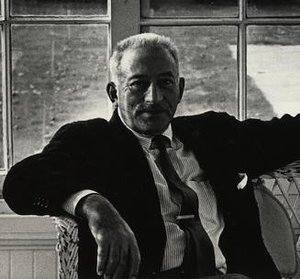
أدولف غوتليب
1903 - 1974 , الولايات المتحدة الأمريكية
لمحة سريعة
- Artistic Movement Or Style: التعبيرية التجريدية
- Artists Or Movements Influenced By This Artist: ['التعبيرية التجريدية']
- Artists Who Influenced This Artist:
- البنائية
- السريالية
- Date Of Birth: 14 مارس 1903
- Date Of Death: 1974
- Full Name: أدولف غوتليب
- Nationality: أمريكي
- Notable Artworks:
- الصور التصويرية (Pictographs)
- لوحات الانفجار (Burst Paintings)
- العلامات (Signs)
- بدون عنوان (881)
- Place Of Birth: مدينة نيويورك، الولايات المتحدة الأمريكية
مقالات ذات صلة
Lyrical Abstraction: The Emotional Power of Color and Form in Modern Art History
Explore the profound emotional depth of Lyrical Abstraction. Discover how masters like Raymond Parker used color and form to bridge Impressionism and Abstract Expressionism. Learn about this pivotal movement through our expert-led art history guide.

أعلى 10 روائع تحدد الرمزية التعبيرية: رحلة في الفن الراقي و لوحات مميزة
اكتشف روائع الرمزية التعبيرية! استكشف 10 لوحات أيقونية مع جاكسون بولوك ومارك روثكو. قصص فنانين، تقنيات فريدة، وأعمال خالدة. احصل على لوحات مميزة لديكور منزلك الفاخر. تسوق الآن على OriginalUniqueArt.com!
Beyond the Lines: Mastering the High-Impact World of Contemporary Abstraction
Master the high-impact world of contemporary abstraction. Discover how bold colors, textures, and modern movements like Abstract Expressionism can transform your space with premium, high-energy art curated for the design-conscious professional.
The Soul of Color: A Journey into the Emotional Resonance of Lyrical Abstraction
Embark on a cultural journey through Lyrical Abstraction. Explore how masters like Kandinsky used color and motion to translate emotion into visual poetry. Discover the profound beauty of abstract expressionism and learn to curate emotional resonance in your own art collection.

Kandinsky's Masterpieces: 25 Paintings That Define Abstract Art | OriginalUniqueArt
Journey through Wassily Kandinsky's 25 most iconic abstract paintings. Explore his revolutionary use of color, form & spiritual expressionism. Find museum-quality Kandinsky reproductions and elevate your home decor with OriginalUniqueArt.com. Discover all masterpieces on OriginalUniqueArt.com!