

 معاينة الحجم الحقيقي
 مشاركة
 مشاركة
 التفاصيل

 تحميل الملف
 قطع مشابهة
 الأشعة السينية
 عرض شرائح
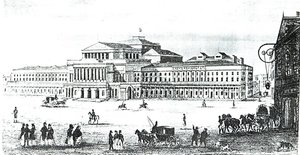
Copernicus House / Maison de Copernic


 عرض المزيد
نسخة زيتية مصنوعة يدوياً
لوحة زيتية مرسومة يدوياً على الكانفاس بالمقاس والإطار الذي تفضله، تُنفذ حسب الطلب على أيدي فنانينا. ( اشترِ نسخة مطبوعة اشترِ الصورة)




































اختر من بين أحجامنا المُعدّة مسبقًا والتي تتطابق مع النسب الأصلية للعمل الفني.

يمكنك إدخال أبعادك الخاصة لتناسب إطارًا معينًا أو مساحة محددة. وإذا لم يتطابق الحجم الذي اخترته مع نسب الصورة الأصلية، فسنقوم إما بقص العمل الفني أو توسيع اللوحة بإضافة عناصر مرسومة يدويًا. سيتم إرسال نموذج رقمي إليك للموافقة عليه قبل بدء الإنتاج.
يرجى ملاحظة أن المعاينة على الشاشة لا تعكس عملية القص أو التوسيع الفعلية؛ حيث إن النموذج الرقمي وحده هو الذي سيوضح التكوين النهائي بدقة.
وعلى الرغم من توفر أحجام مخصصة، إلا أننا نوصي باختيار أبعاد من القائمة المحددة مسبقًا للحفاظ على النسب الأصلية للعمل الفني.
بعد إتمام الطلب، سيرسل فريق OriginalUniqueArt.com بريداً إلكترونياً للعميل لطلب التعليمات وتزويده بمعاينة تجريبية (mockup).
توصيل عالمي إلى خلال 3 إلى 4 أسابيع بدلاً من المدة المعتادة البالغة 5 أسابيع. (21 أغسطس). جودة لا تهاون فيها.

شحن سريع ومجاني لجميع أنحاء العالم

قماش كتان عالي الجودة

تأمين شحن شامل

ضمان استرداد الرسوم الجمركية

ضمان مطابقة الألوان الحقيقية

سياسة الإرجاع خلال 60 يومًا (في حالات العيوب فقط)

ضمان استرداد نقدي بنسبة 100%

خصم عند طلب عدة قطع
 خيار الزجاج متاح فقط للمقاسات التي تقل عن 110 سم

Copernicus House / Maison de Copernic
خامة إعادة الإنتاج
مقاس النسخة المطبوعة
-


السعر الإجمالي النهائي
$ 300
وصف العمل الفني
السيرة الذاتية للفنان
The Soul of the Line: The Life and Legacy of Adam Józef Piliński
In the turbulent landscape of nineteenth-century Europe, where national identities were forged in the fires of uprising and resistance, the work of Adam Józef Piliński emerged as a profound testament to Polish resilience. Born on November 22, 1810, in Maciejowice, Poland, Piliński was more than a mere practitioner of the graphic arts; he was a scholar, an activist, and a guardian of cultural memory. His life, which spanned from the height of Polish romanticism to his final days in Paris in 1887, was inextricably linked to the heartbeat of his nation. As a student at the University of Warsaw's School of Fine Arts, he did not merely learn the mechanics of lithography and engraving; he learned how to use the precision of the burin and the softness of the stone to document a heritage that was under constant threat of erasure.
The formative years of Piliński’s career were shadowed by the smoke of conflict, most notably during the November Uprising of 1830-1831. This period of intense political upheaval deeply influenced his artistic consciousness, instilling in him a sense of duty that would define his professional trajectory. He did not view art as an isolated pursuit of beauty, but as a vital tool for preservation and political expression. His mastery over various mediums—ranging from the delicate nuances of paleography to the technical rigors of lithography—allowed him to bridge the gap between historical reconstruction and contemporary activism.
A Master of Reconstruction and Design
Piliński’s true genius lay in his ability to breathe life into the past through his revolutionary approach to historical documents. He became renowned for his exceptional skill in reproducing manuscripts and printed works from diverse eras, a feat that required not only artistic dexterity but also the meticulous eye of a paleographer. Perhaps his most significant technical contribution was the development of homography, a sophisticated technique designed for the reconstruction of ancient documents. Through this method, he could replicate the essence of historical scripts, ensuring that the fragile threads of Polish cultural heritage remained visible to future generations even as original manuscripts succumbed to time.
This dedication to functional and symbolic art reached a pinnacle during the January Uprising of 1863-1864. As Poland struggled for sovereignty, Piliński applied his graphic talents to the service of the National Polish Monetary Fund. His work on banknotes and coins was far more than mere currency production; it was an act of defiance. By creating intricate, high-quality designs for the nation's financial instruments, he helped assert a sense of economic and cultural autonomy. Each engraving and lithograph served as a miniature monument to the Polish cause, blending the precision of a master engraver with the passion of a patriot.
An Enduring Artistic Heritage
The significance of Adam Józef Piliński extends far beyond the borders of Poland, reaching into the broader history of nineteenth-century graphic arts. His ability to adapt his style across various mediums—from the sharp, definitive lines of engraving to the tonal richness of lithography—demonstrates a versatility that few of his contemporaries could match. His legacy is not found merely in museums, but in the very survival of the historical narratives he worked so tirelessly to protect.
Today, the works of Piliński continue to captivate scholars and art enthusiasts alike. His contributions can be explored through various prestigious collections, including those featured on OriginalUniqueArt, where his meticulous reproductions serve as a window into a vanished era. To study Piliński is to witness the intersection of art and history, where every stroke of the engraver's tool was an act of devotion to a culture, a people, and a dream of independence.
adam józef piliński
1810 - 1887 , Poland
حقائق سريعة
- Artistic Movement Or Style: Graphic art, lithography, and engraving
- Date Of Birth: November 22, 1810
- Date Of Death: January 23, 1887
- Full Name: Adam Józef Piliński
- Nationality: Polish
- Notable Artworks: ['Banknotes and coins for National Monetary Fund']
- Place Of Birth: Maciejowice, Poland

