
 معاينة الحجم الواقعي
 إرسال
إرسال مشاركة
 عرض التفاصيل
 دليل الأعمال الفنية للطلاب

 تحميل
تحميل
 قطع مشابهة
 الأشعة السينية
 عرض شرائح متتابع
 الإحصائيات
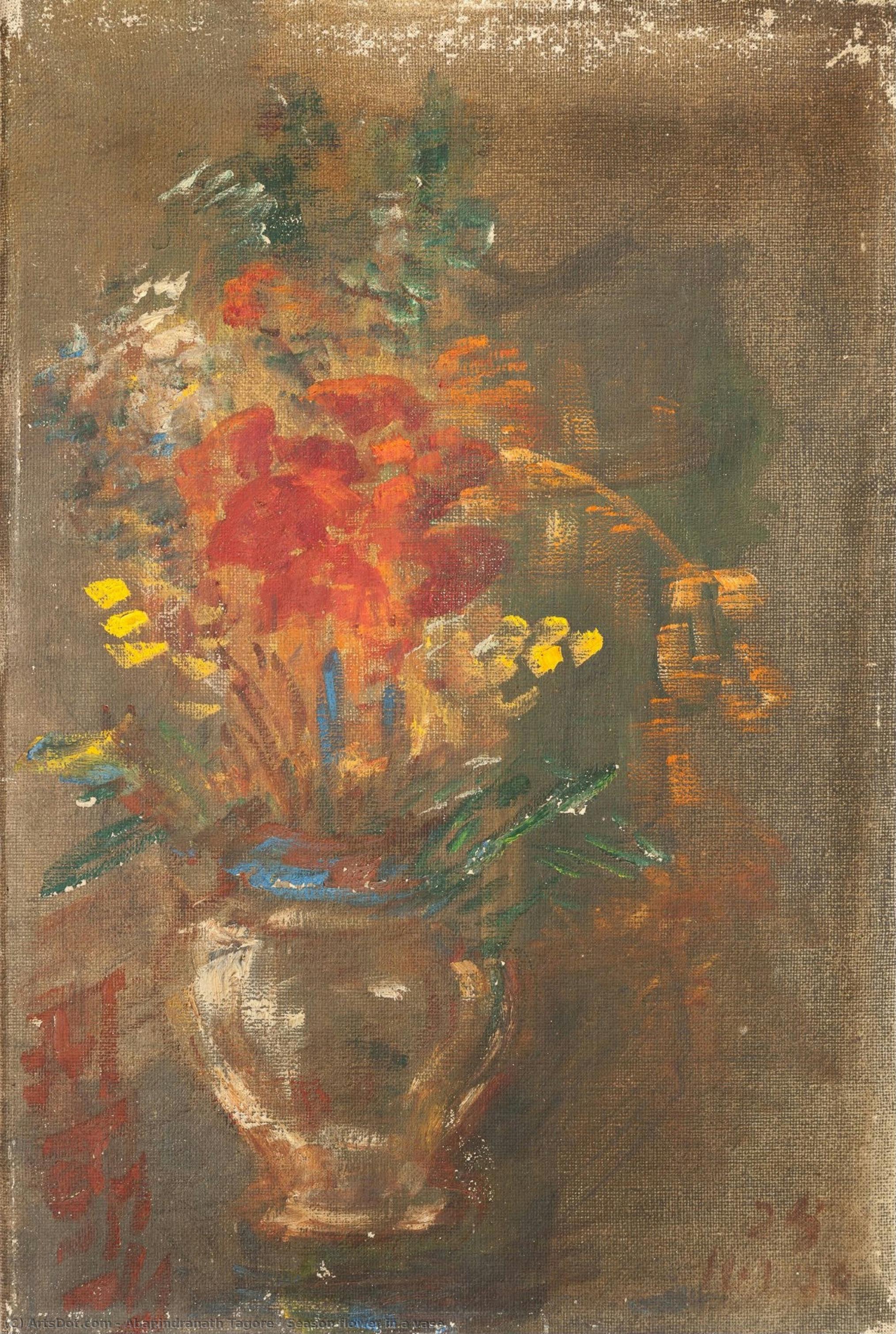
Season flower in a vase


 اقرأ المزيد
نسخة زيتية مصنوعة يدوياً
لوحة زيتية مرسومة يدوياً على الكانفاس بالمقاس والإطار الذي تفضله، تُنفذ حسب الطلب على أيدي فنانينا. ( التبديل إلى المطبوعات التحويل إلى الصورة الرقمية)




P118B $10

P118H $10

P118W $10

P438Z $10

P508JH $12

P508YH $12

P805H $10

P805Z $10

P919BZ $10

P919G $10

P919XJ $10

P959ZH $10

P968JZ $12

W106C $8

W218G $10

W218JH $8

W218Y $10

W307PJ $10

W316G $10

W316PJ $8

W316Y $10

W398PJ $8

W4111J $10

W500HY $15

W500JH $15

W692G $12

W849H $8

W940BG $15

W953PJ $8




اختر من بين أحجامنا المُعدّة مسبقاً والتي تتوافق مع النسب الأصلية للعمل الفني.

يمكنك إدخال أبعاد خاصة لتناسب إطاراً أو مساحة معينة. وفي حال عدم تطابق الحجم المختار مع نسب الصورة الأصلية، سنقوم إما بقص العمل الفني أو توسيع اللوحة عبر إضافة عناصر مرسومة يدوياً. وسيتم إرسال نموذج رقمي إليك للموافقة عليه قبل بدء عملية الإنتاج.
يرجى ملاحظة أن المعاينة على الشاشة لا تعكس عملية القص أو التوسيع الفعلية؛ إذ إن النموذج الرقمي هو الوحيد الذي يوضح التكوين النهائي بدقة.
وعلى الرغم من توفر أحجام مخصصة، إلا أننا نوصي باختيار أبعاد من القائمة المحددة مسبقاً للحفاظ على النسب الأصلية للعمل الفني.
بعد إتمام الطلب، سيرسل فريق OriginalUniqueArt.com بريداً إلكترونياً للعميل لطلب التعليمات وتزويده بمعاينة تجريبية (mockup).
توصيل عالمي إلى خلال 3 إلى 4 أسابيع بدلاً من المدة المعتادة البالغة 5 أسابيع. (25 سبتمبر). جودة لا تهاون فيها.

شحن سريع ومجاني لجميع أنحاء العالم

قماش كتان فاخر

تأمين شامل على الشحن

ضمان استرداد الرسوم الجمركية

ضمان دقة مطابقة الألوان

سياسة الإرجاع خلال 100 يوم (في حالات العيوب فقط)

ضمان استرداد نقدي بنسبة 100%

عرض خصم الكميات
 خيار الزجاج متاح فقط للمقاسات التي تقل عن 110 سم

Season flower in a vase
وسيط إعادة الإنتاج
مقاس النسخة المطبوعة
-


إجمالي السعر
$ 300
A Moment of Tranquil Beauty: Exploring the Essence of “Season Flower in a Vase”
Abanindranath Tagore’s “Season Flower in a Vase,” painted circa 1938, isn't merely a still life; it’s a carefully constructed meditation on beauty, tradition, and the delicate balance between East and West. Within its serene composition lies a profound reflection of Tagore’s artistic philosophy – a deliberate rejection of Western academic art while simultaneously embracing elements of Japanese aesthetics and drawing upon the rich visual vocabulary of Mughal and Rajput painting. The painting immediately evokes a sense of quiet contemplation, inviting the viewer into a space of understated elegance and poignant nostalgia.
The scene unfolds within a simple, white vase – a deliberate choice that anchors the composition and directs our attention to the vibrant blooms nestled within. These aren’t simply flowers; they are symbols deeply rooted in Indian tradition. The prominent red blossoms, likely roses or peonies, represent passion and vitality, while the delicate yellow ones suggest joy and enlightenment. Greenery, meticulously arranged, speaks of growth, renewal, and connection to nature – a core value central to Tagore's artistic vision. Notice how each element is rendered with a restrained hand, avoiding excessive detail and prioritizing suggestion over explicit representation.
The Bengal School’s Synthesis: A Bridge Between Worlds
Tagore was a pivotal figure in the establishment of the Bengal School of Art, a movement that sought to redefine Indian art after decades of Western influence. Rejecting the rigid formalism of European painting, he and his contemporaries drew inspiration from India's own artistic heritage – the intricate patterns of Mughal miniatures, the bold colors and dynamic compositions of Rajput paintings, and the spiritual symbolism of ancient Buddhist art. “Season Flower in a Vase” exemplifies this synthesis perfectly. The brushwork is fluid and expressive, reminiscent of traditional Indian painting techniques, yet it’s imbued with a subtle Western sensibility regarding composition and color harmony.
The influence of Japanese aesthetics is particularly evident in the careful arrangement of the flowers and foliage – a concept known as *kacho* or “flower viewing” – which was highly valued in Japan. The asymmetrical balance, the use of negative space, and the emphasis on capturing the essence of each element rather than its literal depiction all reflect this profound influence. Tagore’s journey to China and his subsequent study of Chinese calligraphy further enriched his artistic vocabulary, adding layers of symbolism and visual poetry to his work.
Symbolism and Emotional Resonance
Beyond its aesthetic qualities, “Season Flower in a Vase” carries a deeper symbolic weight. The painting can be interpreted as an allegory for the fleeting nature of beauty and life itself. The vibrant colors and delicate forms represent the ephemeral joys of existence, while the vase serves as a reminder of our mortality – a vessel holding precious moments that are destined to fade away. Tagore’s deliberate use of muted tones and subtle gradations of color contributes to this sense of melancholy and introspection.
Furthermore, the painting speaks to a longing for a return to traditional values and a rejection of Western materialism. Tagore's embrace of *Swadeshi* – a movement promoting Indian self-reliance – is palpable in his work. “Season Flower in a Vase” isn’t just a beautiful image; it’s a powerful statement about the importance of preserving India’s cultural heritage and finding beauty within its own traditions. It invites us to pause, reflect, and appreciate the simple pleasures of life—a timeless message rendered with exquisite artistry.
نبذة عن الفنان
النشأة والجذور الأولى
- الميلاد: 7 مايو 1861، جورانسانكو، كلكتا، الهند البريطانية
- الوفاة: 5 ديسمبر 1951
- العائلة: ينتمي إلى عائلة "تاغور" المرموقة؛ وهو ابن أخ الشاعر الشهير رابندرانات تاغور. كان جده جيريندرناث تاغور، ووالده غويندرناث تاغور.
- التعليم: درس في كلية سانسكريت بكلكتا في ثمانينيات القرن التاسع عشر، ثم التحق لاحقاً بمدرسة كلكتا للفنون.
التطور الفني والمؤثرات الإبداعية
- التدريب المبكر: تعلم فن الألوان الباستيل على يد "أو. غيلاردي"، وفن الرسم الزيتي على يد "تشارلز بالمر" في مدرسة كلكتا للفنون.
- الأسلوب المغولي والراجپوتي: سعى إلى تحديث هذه الأسالط التقليدية، رافضاً النماذج الفنية الغربية السائدة.
- قيم "سواديشي": دمج قيم حركة "سواديشي" الوطنية في فنه، مروجاً للتقاليد الهندية الأصيلة.
- جماليات ويستلر: تأثر بالمبادئ الجمالية للفنان ويستلر.
- التأثير الياباني: دمج لاحقاً تقاليد الخط الصيني والياباني في أسلوبه الخاص بعد لقائه بالفنانين "تيكان" و"هيسيدا".
الأعمال الكبرى والإسهامات الفنية
- روهيني II: عمل بارز يبرز مهارته الفنية الفائقة.
- رحيل شاه جهان: لوحة هامة أخرى تعكس أسلوبه الفريد.
- زهرة الموسم في مزهرية: تجسد إتقانه للتقنية واختيار الموضوعات.
- سلسلة ألف ليلة وليلة (1930): تُعد واحدة من أعظم إنجازاته، حيث استخدم قصص ألف ليلة وليلة لاستكشاف ملامح كلكتا في الحقبة الاستعمارية.
- بهارات ماتا: لوحة رمزية عظيمة تجسد "الأم الهند".
- مؤسس مدرسة البنغال للفنون: لعب دوراً محورياً في تشكيل ملامح الرسم الهندي الحديث وتعزيز الفن القومي.
- الجمعية الهندية للفنون الشرقية (1907): أسس هذه الجمعية بهدف إحياء وترويج أشكال الفن الهندي التقليدي.
الإرث والأهمية التاريخية
- رائد الرسم الهندي الحديث: يُعترف به كشخصية محورية في تطور الفن الهندي المعاصر.
- التأثير على الفنانين اللاحقين: كان معلماً وملهماً لفنانين بارزين مثل ناندالال بوز، وأسيت هالدر، وكشيتيندراناث ماجومدار، وجاميني روي.
- إحياء الأشكال الفنية التقليدية: دعا بقوة إلى العودة إلى التقنيات والأساليب الهندية التقليدية.
- الأثر في أدب الأطفال البنغالي: كتب قصصاً مؤثرة للأطفال مثل راجكاهيني، وبودو أنغلا، ونالاك، وخيرير بوتول.
- كنوز فنية وطنية: تُعتبر أعماله بمثابة كنوز فنية وطنية لا تقدر بثمن.

أبانيندراناث طاغور
1871 - 1951 , الهند
لمحة سريعة
- Artistic Movement Or Style: مدرسة البنغال للفنون
- Artists Or Movements Influenced By This Artist:
- ناندالال بوز
- كشيتيندراناث ماجومدار
- جاميني روي
- Artists Who Influenced This Artist:
- ويسلر
- فنانو المغول
- فنانو راجبوت
- Date Of Birth: 7 مايو 1871
- Date Of Death: 5 ديسمبر 1951
- Full Name: أبانيندراناث تاغور
- Nationality: هندي
- Notable Artworks:
- روهيني II
- وفاة شاه جهان
- زهرة الموسم في مزهرية
- Place Of Birth: جوراسانكو، الهند
مقالات ذات صلة

The Sublime Landscape: Exploring the Hudson River School Movement
Explore the captivating world of the Hudson River School! Discover the history, artists, and defining characteristics of this iconic American art movement. Learn about Romanticism's influence & find inspiration for your collection.

The Hague School: Realism, Atmosphere & the Dawn of Dutch Impressionism
Explore the Hague School's pivotal role in Dutch art history. Discover realism, atmospheric landscapes & its influence on Impressionism. Learn about key artists like Mauve & Maris with OriginalUniqueArt.

Raja Ravi Varma: Bridging Tradition & Modernity in 19th-Century Indian Art
Explore the life & art of Raja Ravi Varma, a pioneer who fused European techniques with Indian iconography. Discover his iconic paintings, lasting legacy, and influence on modern Indian art at OriginalUniqueArt.
أعلى 10 روائع تحدد مدرسة نهر هدسون: رحلة في الفن الراقي وجمال الطبيعة
اكتشف روائع مدرسة نهر هدسون! استكشف 10 لوحات فنية خالدة لـ Thomas Cole و Frederic Church وغيرهم. فن أمريكي رومانسي، مناظر طبيعية خلابة وألوان ترابية ساحرة. احصل على أعمال فنية راقية لديكور منزلك على OriginalUniqueArt.com
The Barbizon School: A Professional Guide to Naturalism and Landscape Mastery for Interior Designers
Explore the Barbizon School's mastery of naturalism. An expert guide for hotel designers and procurement managers on sourcing high-quality landscape reproductions to elevate hospitality and corporate interiors with authentic, large-scale fine art solutions.
